Shanghai, often recognized for its free-market tendencies and environmental leadership, is introducing China’s first municipal trading mechanism as a means to curb pollution.
Last Friday, in advance of a major carbon trade industry event taking place in Beijing this week, word began surfacing in the Chinese media that Shanghai plans to pilot an emissions trading scheme that will involve more than 300 companies’ trading “pollution discharge rights.”
The news comes nine months after the launch of China’s first energy and environment exchanges. That announcement – on the eve of the 2008 Beijing Olympic games – coincided with building efforts by leaders in China’s premier cities to promote, at least on a rhetoric level, municipal level policies aimed at reigning in growing energy demand.
Shanghai is doing more than just talking the talk, though.
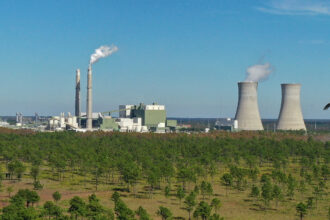
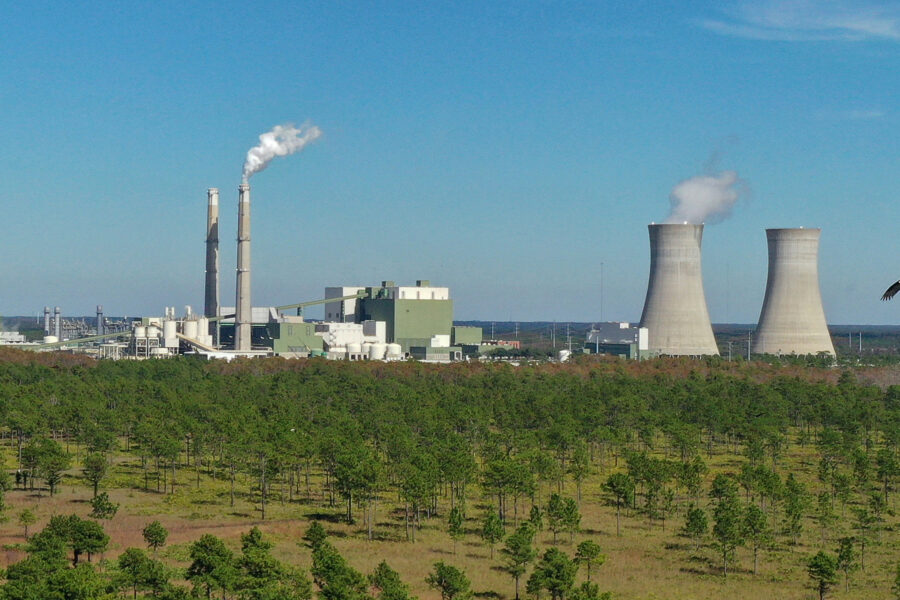
Its recent shutdowns of 500 megawatts of coal-fired generators, plans to decommission still more inefficient plants and an ordinance against the construction of any new coal-fired power plants within the municipality have earned the city of 13.7 million a reputation for leadership on environmental initiatives.
In June 2008, Shanghai’s vice-mayor and former Baosteel subsidiary Chairman Ai Baojun pledged to step up efforts to reduce emissions through industry reform and raise energy efficiency. City officials said then that new developments which did not meet specific efficiency requirements could be denied land-use approval. Now, Shanghai is taking a big first step by introduce market mechanisms.
Efforts by officials like vice-Mayor Ai to alter the local energy landscape significantly are still constrained, however, by current energy regulation. Exclusive control over energy markets, including electricity prices, rests with China’s central government.

Shanghai’s Pollution Discharge Right Trade will require more than 300 companies, whose emissions comprise over 80% of the city’s total, to purchase a credit that allows them only a specific allowance of discharge. Those who exceed the allotted amount will have to purchase credits from other enterprises, to be traded on the Shanghai Environment and Energy Exchange. Sulphur dioxide and chemical oxygen demand, a measurement of water pollution, will be the first two pollutants traded once the scheme takes effect later this year.
According to a report from China’s state-run news agency, the Shanghai government will set the price for the credits, instead of letting the market determine their value; and the cap will follow existing environmental requirements. These details suggest that officials hope the exchange will bring compliance, rather than extensive revenue. Enforcement of environmental regulations currently poses a significant challenge in Shanghai, and throughout China.
However, the opportunity to profit from the scheme has not been overlooked. The SEEE plans to launch an international platform for the future trade of pollution rights which would eventually include CO2. When or if that will happen depends on the central government, which retains exclusive authorization power.
While Beijing officials have not offered any clue on whether they will concede trading rights to SEEE, concerns over a fully operating exchange have already arisen within financial circles. Analysts suggest that, like the Clean Development Mechanism, verification and monitoring issues are likely to crop up. Introducing an international trade exchange into a country with still immature financial markets likewise calls into question the capability of local regulators.
Nevertheless, the fact that countries like China and India generate the bulk of Certified Emissions Reductions credits but make a small percentage of what brokers make off the deals suggests that from an equity point of view, the news is a welcome change.
Some climate experts say the scheme would bring administrative benefits over the existing framework. “A local exchange will reduce the transaction cost and bring more transparency to CER pricing,” said Chen Dongmei, WWF China’s climate change and energy program director, referring to the fact that without a central database it is impossible to know the going price and trading volumes of credits.
More importantly, giving local players financial incentives to reduce emissions is essentially a carrot capable of inciting voluntary and accountable environmental action.
“In a market-based mechanism, an emissions trading scheme provides economic incentives for reducing pollution,” said Zhang Peijun, director of Shanghai’s main district Environmental Protection Bureau. “Companies unable to limit their emissions have to pay a much higher price for extra credits on the exchange.”
See also:
Green Stimulus Update: China and the US Lead the Way
It’s Official: China Takes Lead in Global Clean Tech Race
Talk of Carbon Tariff Upsets China and Worries Climate Experts
About This Story
Perhaps you noticed: This story, like all the news we publish, is free to read. That’s because Inside Climate News is a 501c3 nonprofit organization. We do not charge a subscription fee, lock our news behind a paywall, or clutter our website with ads. We make our news on climate and the environment freely available to you and anyone who wants it.
That’s not all. We also share our news for free with scores of other media organizations around the country. Many of them can’t afford to do environmental journalism of their own. We’ve built bureaus from coast to coast to report local stories, collaborate with local newsrooms and co-publish articles so that this vital work is shared as widely as possible.
Two of us launched ICN in 2007. Six years later we earned a Pulitzer Prize for National Reporting, and now we run the oldest and largest dedicated climate newsroom in the nation. We tell the story in all its complexity. We hold polluters accountable. We expose environmental injustice. We debunk misinformation. We scrutinize solutions and inspire action.
Donations from readers like you fund every aspect of what we do. If you don’t already, will you support our ongoing work, our reporting on the biggest crisis facing our planet, and help us reach even more readers in more places?
Please take a moment to make a tax-deductible donation. Every one of them makes a difference.
Thank you,