After a flood of wet coal ash swept from a power plant containment pond in December 2008, contaminating a river and covering 300 acres of eastern Tennessee, the U.S. Environmental Protection Agency announced it would decide whether to issue new coal ash regulations by the end of 2009.
As that deadline approached last month, however, the agency admitted its findings would be delayed “due to the complexity of the analysis.”
If it were simply a question of how best to protect the public, the decision would have been made weeks ago, health and environmental advocates say. But it appears cost has become as significant a factor as protection.
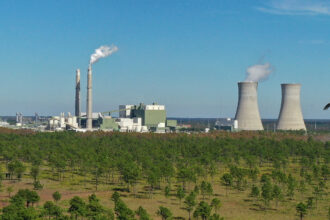
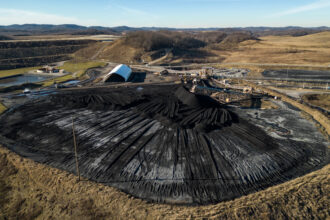
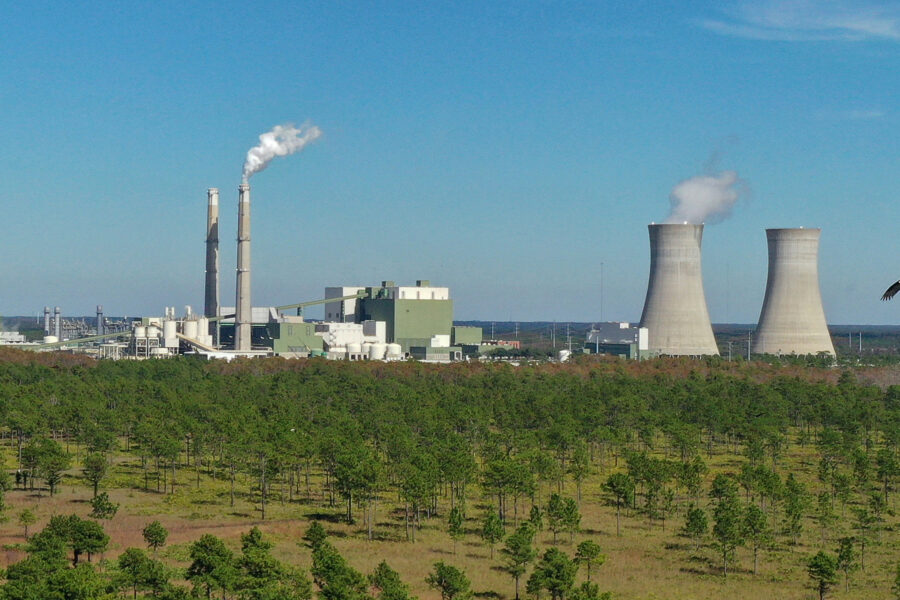
Coal ash, a byproduct from the burning of coal to produce power, contains arsenic, lead, mercury and other toxins that can leach into water if the ash is not properly contained.
Of the 125 million tons of byproducts — most notably coal ash — produced each year by burning coal for electricity in the United States, 55 to 60 percent are left in landfills or wet ash ponds like the one that broke at the TVA’s Kingston power plan a year ago in Tennessee, Ken Ladwig of the Electric Power Research Institute told Congress last month.
The remaining 40 to 45 percent of the ash is recycled for uses such as construction and filler in cement and highway embankments.
This recycling of coal ash for construction materials has become a major point of contention in the regulation debate. The question is whether a hazardous material designation would impede coal ash recycling.
EPRI has said that any regulations that prevent utilities from selling byproducts like coal ash to be recycled for construction projects would take away $5 billion to $10 billion of the companies’ yearly revenue.
But environmental groups say there are plenty of regulatory options and precedent that would not affect these recycling programs at all.
“There are options the EPA could take advantage of in the regulations that would not impact recycling,” says Earthjustice attorney Lisa Evans. In fact, she says, it would benefit recycling.
“An increase in disposal costs should cause industry to find more beneficial uses because it would provide incentives. As long as the disposal prices are artificially low, those incentives will not be there,” says Evans. She explains, “If you had to pay per bag for your garbage, you would certainly recycle more and probably not produce as much garbage in the first place.”
If the price were raised for coal ash, more would be recycled and less would likely be generated, she said.
Ladwig, however, points out that, with coal-fired generation making up about half the U.S. electricity supply, regulations on coal ash could cause some plants to shut down rather than incur the new costs of compliance. Declaring coal ash a hazardous waste could risk losing between 40,000 and 97,000 megawatts of coal-fired power, he said.
Some industry groups also fear that if the EPA were to declare coal ash a hazardous waste — the likely form its regulation would take — that would not only bring an increase in the cost of disposal but an increase in the likelihood of lawsuits since the construction materials would now contain hazardous materials.

History, though, generally appears to be on the side of the environmental groups. Products like spent solvents have been classified as hazardous waste and are still widely recycled.
The concerns of industry, though, are suspected to have played a major role in delaying a decision on regulation so far.
Coal ash is currently regulated at the state level, but following the Tennessee spill, the EPA set out to determine whether to issue a federal rule under the 1976 Resource Conservation and Recovery Act. In September, the agency submitted proposed coal waste rules to the Office of Management and Budget’s Office of Information and Regulatory Affairs for review and promised a decision would come by the end of the year.
Since October, however, industry groups have met 16 times with OIRA, EPA, and the White House Council on Environmental Quality to discuss ash regulations and recycling programs, Greenwire reported, and environmental and health groups have had six meetings with these officials.
An even bigger question than who deserves to win the recycling debate or whether it has been fairly fought is whether that debate is even relevant. The EPA, charged with protecting the public, has sat on its hands for too long, say some groups.
“The Obama Administration has pledged to let law and science guide its environmental decisions, not the arm twisting of industry lobbyists,” a coalition of environmental organizations said in December following the EPA announcement that their coal ash decision would be delayed. The groups said they hoped to see the agency’s proposal in January and called it “many years” overdue.
Coal ash is often disposed of in ash ponds and, according to information released by the EPA earlier last year, there are almost twice as many ash dumps in the U.S. than had been previously identified. The largest dumps are the oldest and are feared to be the most prone to breaches in the dams that hold back the chemical-laden liquid, as happened in Tennessee in 2008. The ash from that rupture is still being cleaned up.
One side question with regard to the beneficial use may be whether all those recycling practices are actually beneficial. Ladwig points to “remarkable societal benefits” from using byproducts like coal ash rather than new natural resources.
In terms of ash use in concrete, Evans generally agrees, saying that it can even prevent some greenhouse gas emissions. But she questions whether certain uses — like mine fillings and structural fills, in which holes are filled with coal ash and other materials so they can be built upon — are really “beneficial” uses. She hopes the EPA looks further into these uses.
“If the EPA can get the rule out, we can have a public dialogue,” Evans says, and we can see if there is any argument industry can produce to back its assertions.
See also:
EPA Study Finds Dangers in Coal Ash Ponds Nationwide
EPA Releases Secret List of 44 High-Risk Coal Ash Ponds
Review Finds 13 North Carolina Coal Ash Ponds Leaking Toxins into Groundwater
TVA’s Coal Ash Dumping Plan Sparks Health Concerns
US Government Still Promoting Use of Coal Ash on Crops
TVA’s Inspector Says It Misled Public About Ash Spill
(Photos: TVA)
About This Story
Perhaps you noticed: This story, like all the news we publish, is free to read. That’s because Inside Climate News is a 501c3 nonprofit organization. We do not charge a subscription fee, lock our news behind a paywall, or clutter our website with ads. We make our news on climate and the environment freely available to you and anyone who wants it.
That’s not all. We also share our news for free with scores of other media organizations around the country. Many of them can’t afford to do environmental journalism of their own. We’ve built bureaus from coast to coast to report local stories, collaborate with local newsrooms and co-publish articles so that this vital work is shared as widely as possible.
Two of us launched ICN in 2007. Six years later we earned a Pulitzer Prize for National Reporting, and now we run the oldest and largest dedicated climate newsroom in the nation. We tell the story in all its complexity. We hold polluters accountable. We expose environmental injustice. We debunk misinformation. We scrutinize solutions and inspire action.
Donations from readers like you fund every aspect of what we do. If you don’t already, will you support our ongoing work, our reporting on the biggest crisis facing our planet, and help us reach even more readers in more places?
Please take a moment to make a tax-deductible donation. Every one of them makes a difference.
Thank you,