It’s not always the usual suspects making headlines for good “green” behavior. In fact, according to a study released by New Scientist, oftentimes the companies consumers think of as environmentally responsible aren’t really, while companies that consumers might not think of as particularly eco-conscious are doing quite a bit.
On the other hand, a marketing campaign focused on a company’s sustainability initiatives can open it up to criticism for not doing enough, whereas a company that flies under the radar on the green front generally receives a big pat on the back when they do make some step toward sustainability.
The recent announcement from Whole Foods, Inc., that it would be working to eliminate Canadian tar sands oil from its supply chain, contrasted with the announcement last week from supermarket chain Safeway is a perfect example..
Safeway, which has never done much to market itself as green, announced its intention to start better tracking of its carbon emissions, energy use and efforts to curb both, using a package from carbon management software start-up Hara.
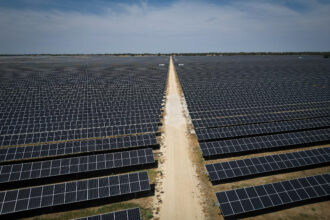
It was the latest move in a series of steps the grocery chain has taken toward reducing its environmental impact. In 2006, when California legislators began working to pass greenhouse gas limits via AB 32, the company began looking at ways to reduce its emissions and launched its Greenhouse Gas and Sustainability Initiative, through which it began putting solar panels on store roofs, buying wind energy, optimizing its fleet of trucks and adjusting its supply chain to cut down on emissions. According to the company, it managed to reduce its carbon emissions by 320,000 metric tons in that year. It also joined the Chicago Climate Exchange and adopted preferential purchasing criteria for sustainable seafood.
“We have a long history of reducing our energy costs through innovative supply arrangements and implementation of energy efficiency projects. We believe that by implementing the right tools, we will be well positioned to make significant progress towards our goals,” said Joe Pettus, senior vice president of fuel and energy at Safeway.
“Hara adds value by giving us not only reliable insight into the size and makeup of our energy usage and carbon footprint, but also a solid roadmap for achieving further cost reductions and better carbon management.”
The response from the press was positive, for Safeway and Hara alike.
When Whole Foods, Inc., on the other hand — a company long associated with sustainability and environmental responsibility — made its announcement, becoming the first retailer to boycott tar sand oil and then promptly canceling a contract with a supplier that used the oil (tar sands production degrades ecosystems and watersheds and generates three to five times more greenhouse gas emissions than crude oil production), it was met with begrudging approval and a bit of skepticism. Reporters pointed out that Whole Foods would still be using the controversial oil in the Rocky Mountain region, where it says an alternative is not available.
Since the company’s CEO John Mackey made some statements in last month’s New Yorker that marked him as a climate change denier, an anti-Whole Foods sentiment that’s been growing over the last couple of years has intensified.
Mackey said in the article that it would be a pity to allow “hysteria about global warming” to cause us “to raise taxes and increase regulation, and in turn lower our standard of living and lead to an increase in poverty,” and that, “historically, prosperity tends to correlate to warmer temperatures.”
The disparity between Mackey’s statements and the store’s image sent reporters digging for information on the company’s environmental performance, and they didn’t like what they found.
Although Whole Foods is the No. 1 retail purchaser of renewable energy credits, has put solar panels up on nine of its stores and converted its truck fleet to run on biodiesel, it was criticized for doing little to reduce its energy needs, address the carbon emissions of its supply chain or curb the physical built footprint of its stores.
In a 2008 Ceres report on sustainable businesses, the natural foods chain scored just 27 out of 100 when measured against indicators that evaluated corporate leadership on environmental issues, corporate goals for greenhouse gas emissions and public disclosure of such things as a climate change strategy or emissions reduction goal. Safeway scored 48.
The juxtaposition of the two grocers’ stories brings to mind a comment a Safeway spokeswoman made at the Monterey Bay Aquarium Sustainable Foods Institute in 2008. After surprising an audience of reporters with all the things Safeway was doing and planning to do to reduce its environmental impact, she was asked why the grocery chain doesn’t really market its green endeavors.
“We still have a lot more to do, and we don’t really want to invite criticism while we’re trying to make progress,” she said.
It sounded a bit backwards at the time, but given the consumer confusion and sometimes-unwanted press garnered by green marketing campaigns, it’s starting to sound like a prescient strategy.
See also:
Where’s Google Putting Its Money?
Bringing Sustainable Transportation to the World
Hunter Lovins Makes the Business Case for Climate Protection
About This Story
Perhaps you noticed: This story, like all the news we publish, is free to read. That’s because Inside Climate News is a 501c3 nonprofit organization. We do not charge a subscription fee, lock our news behind a paywall, or clutter our website with ads. We make our news on climate and the environment freely available to you and anyone who wants it.
That’s not all. We also share our news for free with scores of other media organizations around the country. Many of them can’t afford to do environmental journalism of their own. We’ve built bureaus from coast to coast to report local stories, collaborate with local newsrooms and co-publish articles so that this vital work is shared as widely as possible.
Two of us launched ICN in 2007. Six years later we earned a Pulitzer Prize for National Reporting, and now we run the oldest and largest dedicated climate newsroom in the nation. We tell the story in all its complexity. We hold polluters accountable. We expose environmental injustice. We debunk misinformation. We scrutinize solutions and inspire action.
Donations from readers like you fund every aspect of what we do. If you don’t already, will you support our ongoing work, our reporting on the biggest crisis facing our planet, and help us reach even more readers in more places?
Please take a moment to make a tax-deductible donation. Every one of them makes a difference.
Thank you,