One of the most important steps in transitioning the world away from a fossil fuel-based energy system is to scale back government subsidies for the oil and coal industries around the globe. This is easier said than done, and not only because the dirty energy lobbies are good at what they do. Before the world can roll back the half trillion dollars of fossil fuel subsidies, we need to be able to find them.
A recent series of reports from the Global Subsidies Initiative — a part of the International Institute for Sustainable Development — shines a spotlight on the nebulous nature of fossil fuel subsidies and just how difficult it will be to reform them. The reports were released in a week when the G20 leaders met behind closed doors in Washington, a reminder that at the group’s meeting in Pittsburgh last September an agreement was reached to begin phasing out fossil fuel subsidies.
“The G20 is suggesting that we should cut subsidies that encourage ‘wasteful consumption,’ so it is deflecting the massive role that fossil fuel production subsidies have in our system,” said Michelle Chan, a senior policy analyst at Friends of the Earth who provided some guidance to the GSI report authors.
The Obvious: Tax Incentives
In the developing world, those consumption-based subsidies are largely intended to help people pay for electricity and fuel. Iran, for example, is the world’s largest subsidizer of fuel, with $55 billion a year going to make gasoline remarkably cheap for its citizens; they pay only 10 cents per liter, compared to 56 cents in the United States.
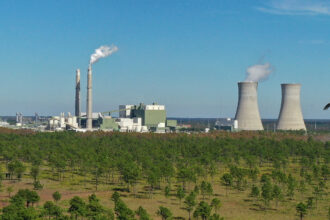
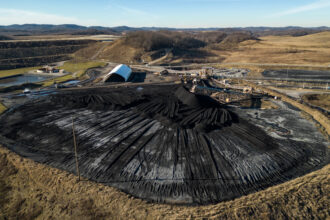
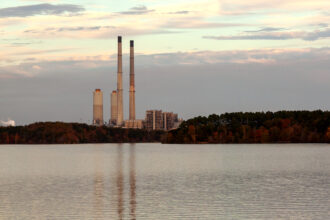
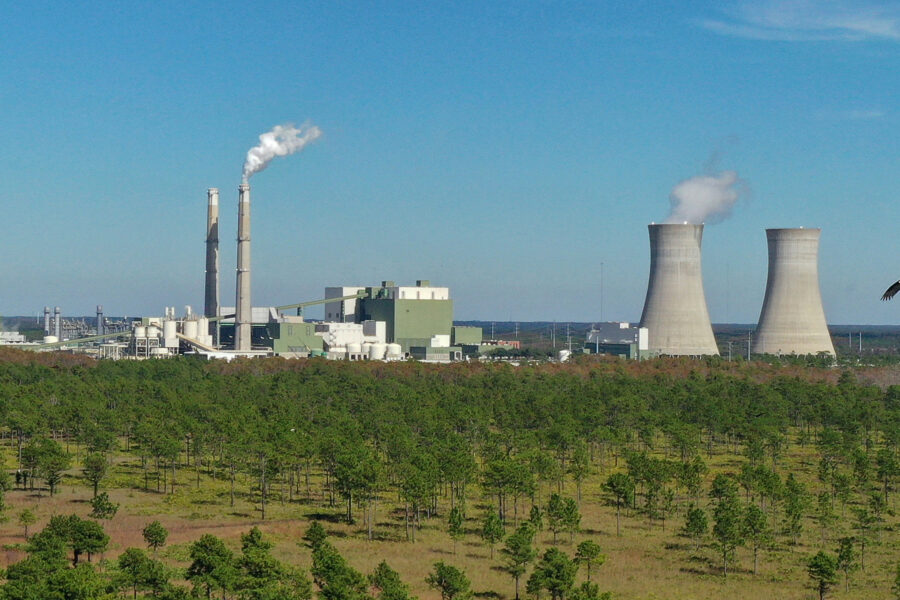
Developed countries like the U.S. tend to focus their fossil fuel subsidies on the production side; these often take the form of tax incentives for coal and oil companies.

David Victor, a professor at the University of California, San Diego, who wrote one of the fossil fuel subsidy reports, said that, “arguably we under-tax fossil fuels, especially in light of concerns about emissions of CO2,” but that the country’s consumption-oriented subsidies actually peak in the renewable energy sector with biofuels and wind power.
On the production side, President Obama is now trying to follow-up last year’s G20 statement with action by starting to repeal some of the tax breaks given to fossil fuel industries. The 2011 budget proposal includes rollbacks of an enhanced oil recovery credit, as well as rules that allow oil and coal companies to deduct as much as 25 percent of income from fossil fuel deposits. In a hearing earlier this month, Republican members of the House Ways and Means Committee showed that there will be stiff opposition to removing some of those subsidies.
As difficult as removing those types of subsidies might be, those are only the obvious ones.
“It is important to take a look at the guise under which a lot of these subsidies occur,” Chan said.
The U.S. also plays a huge role in international financial institutions like the World Bank that might subsidize fossil fuel production or consumption. Recently, the U.S. and several other countries abstained from supporting a $3 billion World Bank loan to the South African utility Eskom for a huge coal-fired power plant, but as long as such subsidies continue to be handed out, it will be difficult to separate where the support is coming from.
The Not-So-Obvious: Chinese Subsidies
The U.S. does benefit in these reform efforts from a relatively transparent tax and financial system. In other countries around the world, the climb might be even steeper.
In China, an ongoing transition from a state-run financial system toward a more market-based approach makes a subsidy very difficult to define. For every dollar funneled toward, say, a new coal power plant, is it a government handout or a market-based bank loan?
“China is seen as a developing country that’s an exception to everyone else,” Chan said. “If you can estimate how many fossil fuel subsidies China is providing by itself, then perhaps that can be used against them. Perhaps you can argue that they don’t deserve as much [money] when it comes to international climate finance for adaptation.”
The existence of widespread fossil fuel subsidies could also be used as a bargaining chip for implementing mandatory caps on greenhouse gas emissions, she said.
According to the GSI report, a recent estimate puts the Chinese total fossil fuel subsidy between $5 and $15 billion, although much depends on those difficult definitions. Chan pointed out that even projects that might appear “green” — a new rail line, say — could be considered a fossil fuel subsidy if the infrastructure supports the industry in some way. If that rail line is used largely to carry coal from one place to another, the coal industry has effectively been subsidized.
Notably, the U.S. may be able to stay away from such projects now, but this is largely because of differences in historical development paths.
“Earlier in our history, Army Corps of Engineers projects helped make the Mississippi more navigable so we could bring coal around,” Chan said. “We did it too. It’s just in the past.”
The Opposition: Industry Influence
So far, the Obama administration’s attempts to reform fossil fuel subsidies have not taken a hard-line approach based on the need to move away from those energy sources.
At the House hearing, the Treasury Department’s assistant secretary for tax policy, Michael Mundaca, told the members that attempts to repeal the tax credits were largely due to inefficiencies in the system and not a desire to stop subsidizing dirty energy sources. This somewhat timid approach most likely allows the strong oil and coal lobbies to maintain pressure on lawmakers that may be difficult to push through.
As Victor wrote in the GSI report, if we assume that government leaders act with a goal of staying in power, “policies that provide subsidies often help leaders achieve that goal by channeling resources to interest groups that could affect government survival, such as by voting or by donating to their political campaigns."
"Once a subsidy is created, regardless of its original purpose, interest groups and investments solidify around the existence of the policy and make change difficult," he added.
At the heart of the battle to reform fossil fuel subsidies is those nebulous definitions. The GSI report includes a policy brief recommending a way through that challenge, involving a three-step process: define, measure and evaluate. If we know what we’re looking for, we can find it and add up those billions, perhaps finally paving the way to slow the consumption of fossil fuels around the world.
See also:
Picking Winners: Obama Budget Shifts Tax Incentives Toward Renewables
ObamaBudget Erases Fossil Fuel Subsidies, Ramps Up Nuclear Spending
DeutscheBank: Absence of US Clean Energy Policy Will Send Global Capital Elsewhere
(Photos: Wikimedia Commons and GSI/IISD)
About This Story
Perhaps you noticed: This story, like all the news we publish, is free to read. That’s because Inside Climate News is a 501c3 nonprofit organization. We do not charge a subscription fee, lock our news behind a paywall, or clutter our website with ads. We make our news on climate and the environment freely available to you and anyone who wants it.
That’s not all. We also share our news for free with scores of other media organizations around the country. Many of them can’t afford to do environmental journalism of their own. We’ve built bureaus from coast to coast to report local stories, collaborate with local newsrooms and co-publish articles so that this vital work is shared as widely as possible.
Two of us launched ICN in 2007. Six years later we earned a Pulitzer Prize for National Reporting, and now we run the oldest and largest dedicated climate newsroom in the nation. We tell the story in all its complexity. We hold polluters accountable. We expose environmental injustice. We debunk misinformation. We scrutinize solutions and inspire action.
Donations from readers like you fund every aspect of what we do. If you don’t already, will you support our ongoing work, our reporting on the biggest crisis facing our planet, and help us reach even more readers in more places?
Please take a moment to make a tax-deductible donation. Every one of them makes a difference.
Thank you,