On Dec. 18, the world’s best hope for an ambitious global agreement that can successfully rein in greenhouse gas emissions will either succeed or fizzle in Copenhagen. Much of the outcome will depend on what President Obama and his administration do in the 320 days between now and then.
In an article posted today at Yale Environment 360, Michael Northrop, director of sustainable development grantmaking at the Rockefeller Brothers Fund, and SolveClimate founder David Sassoon spell out the steps that Obama must take now and why 2009 is the do-or-die year for comprehensive federal climate action.
The president’s mission will fail unless he carries with him a year’s worth of demonstrated results to lend weight and credibility to the promise he made in his inaugural address to “roll back the specter of a warming planet.” In Copenhagen, his inspiring oratory alone will not be sufficient; he must demonstrate how science has been restored “to its rightful place” in America in strong climate regulation and law.
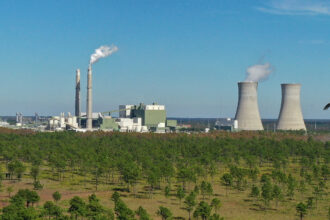
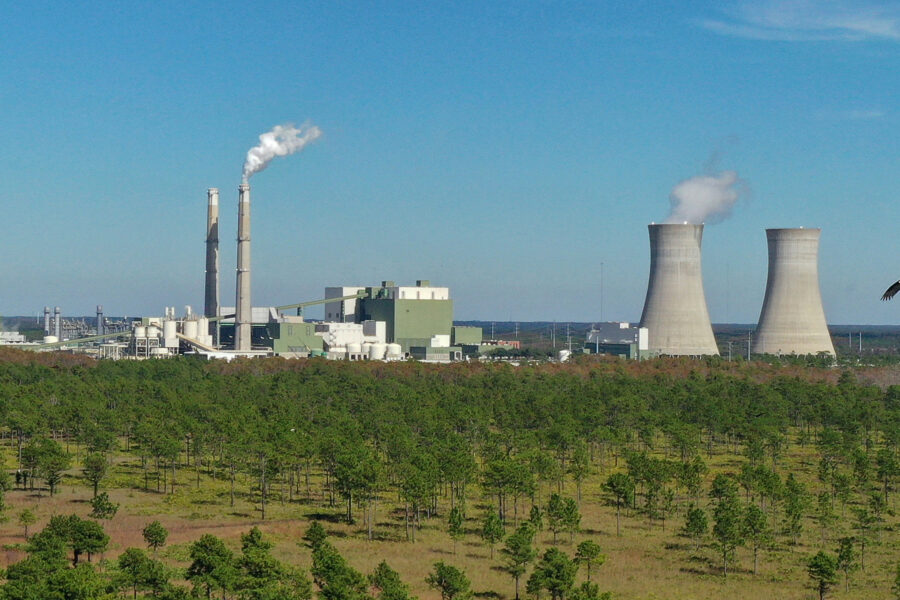
The economic stimulus package is a start, with its commitment to green jobs, clean energy, and energy efficiency, but it is only a start. The EPA must put the Clean Air Act to use in fighting any further spread of greenhouse-gas pumping coal plants. Perhaps most important, the United States needs a science-based energy and climate plan that sets a price on carbon emissions.
Northrop and Sassoon say Obama must also:
- make a prime-time address to the nation about the climate crisis and the need for immediate action and U.S. global leadership.
- instruct his Cabinet members to clarify the impact of global climate change on each of their respective portfolios: national security, global commerce, economic recovery, energy security, public health and safety, agricultural policy, land-use planning, environmental protection.
- use the Clean Air Act to jump-start climate action by speeding aggressive federal standards for building and appliance efficiency and placing limits on other carbon-intensive sources of pollution – steel mills, cement plants, other heavy industries, shipping.
- use the federal Transportation Bill, up for reauthorization in 2009, to redirect land use away from highway sprawl and into low-carbon mass-transit.
- strengthen energy efficiency incentives and clean energy tax credits, adopt a mandatory federal renewable energy target, and increase investment in a clean energy smart grid.
- get science-based federal legislation capping greenhouse gas emissions through Congress and signed this year, before the mid-term elections begin to make lawmakers weak in the knees; the president should look closely at a cap-and-dividend system that ensures everyone owns the sky (Peter Barnes explains cap-and-dividend in this video).
The political winds at Obama’s back are now as favorable as they will ever be. He is in a position to seize 2009 and do three things to meet the climate challenge: properly educate the American public about climate change and the need for immediate action; exercise the full might of his executive powers and regulatory discretion under the Clean Air Act to jump-start action; and spend freely from his enormous store of political capital to lead the government to enact comprehensive federal climate legislation. If he does, America will reclaim the mantle of global leadership when it takes its seat in Copenhagen.
The full article is posted at Yale Environment 360. Please read it.
About This Story
Perhaps you noticed: This story, like all the news we publish, is free to read. That’s because Inside Climate News is a 501c3 nonprofit organization. We do not charge a subscription fee, lock our news behind a paywall, or clutter our website with ads. We make our news on climate and the environment freely available to you and anyone who wants it.
That’s not all. We also share our news for free with scores of other media organizations around the country. Many of them can’t afford to do environmental journalism of their own. We’ve built bureaus from coast to coast to report local stories, collaborate with local newsrooms and co-publish articles so that this vital work is shared as widely as possible.
Two of us launched ICN in 2007. Six years later we earned a Pulitzer Prize for National Reporting, and now we run the oldest and largest dedicated climate newsroom in the nation. We tell the story in all its complexity. We hold polluters accountable. We expose environmental injustice. We debunk misinformation. We scrutinize solutions and inspire action.
Donations from readers like you fund every aspect of what we do. If you don’t already, will you support our ongoing work, our reporting on the biggest crisis facing our planet, and help us reach even more readers in more places?
Please take a moment to make a tax-deductible donation. Every one of them makes a difference.
Thank you,