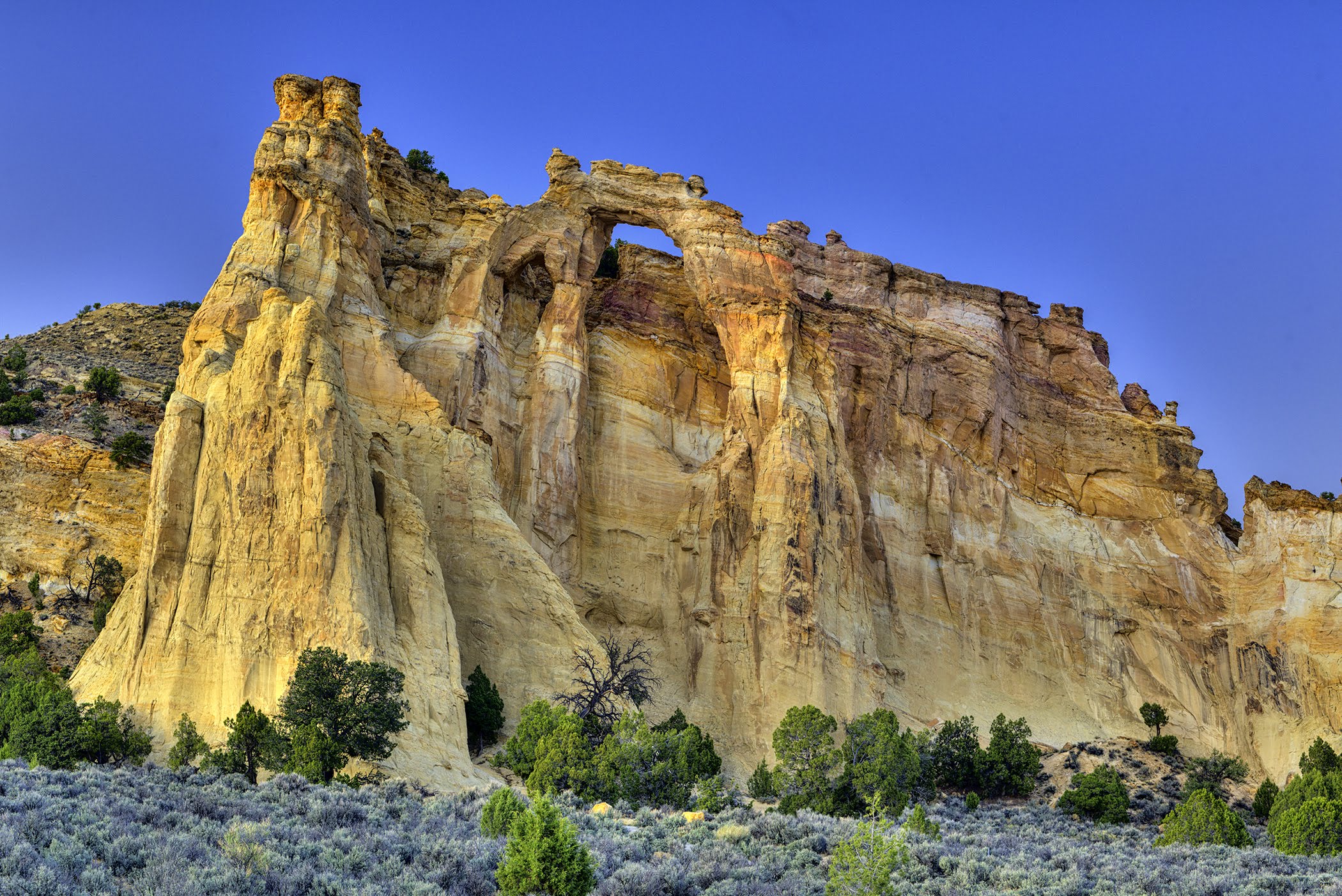


A recent, non-binding opinion from the Government Accountability Office may pave the way for Congress to begin rescinding management plans for national monuments across the country, environmentalists and experts say, potentially leading to protected areas being further opened up for resource extraction. And Grand Staircase-Escalante National Monument in southern Utah is yet again at the center of the renewed threats to the nation’s monuments.
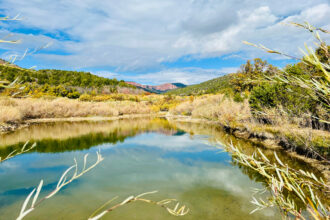
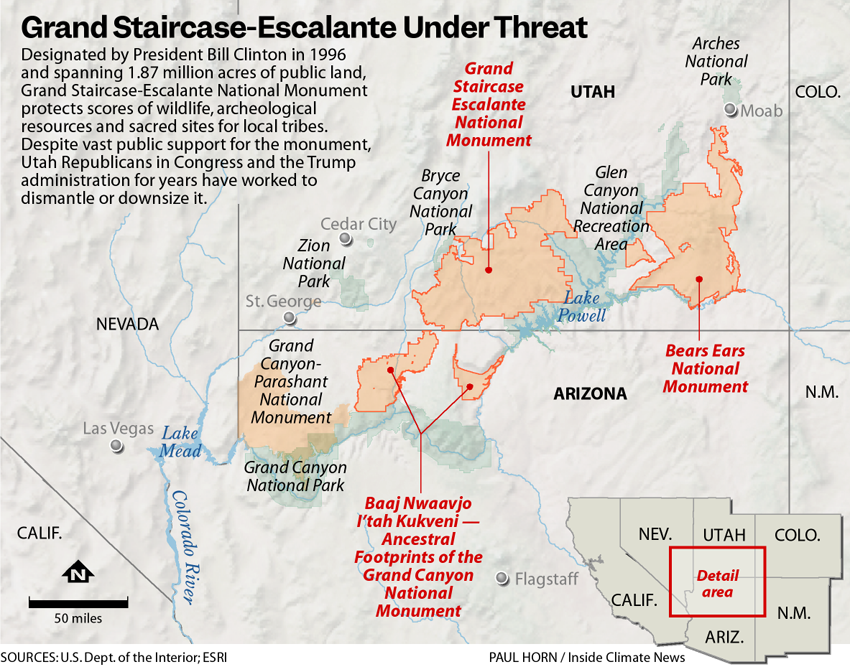
Designated by President Bill Clinton in 1996 and spanning 1.87 million acres of public land, it protects scores of wildlife, archeological resources and sacred sites for local tribes. Despite vast public support for the monument, Utah Republicans in Congress and the Trump administration for years worked to dismantle and downsize it, with the first Trump administration cutting 900,000 acres from the monument before the Biden administration restored it to its original size.
The monument’s resource management plan, the Government Accountability Office (GAO) opinion finds, must undergo congressional review. Local tribes and environmental groups expect Utah’s congressional delegation to introduce a “resolution of disapproval” in the House of Representatives to overturn the monument’s management plan using the Congressional Review Act (CRA)—a 1996 law that Congress enacted to overturn certain federal agency actions through a special review process. Then Congress would have 60 days to vote on the matter. If the management plan is rescinded, the CRA requires any new plan to be substantially different from the current one that prioritizes conservation.
“Utah politicians are at it again, doing whatever they can to erode protections for our public lands,” said Tom Delehanty, senior attorney at Earthjustice, in a statement. “The monument management plan was created by local officials, Tribes, and communities working together to provide certainty in how this national treasure is managed and protected. Now Utah’s elected officials want to flush that effort down the toilet — a situation that benefits no one.”
Downsizing or rescinding national monuments has been a major goal of the Trump administration. Secretary of the Interior Doug Burgum issued secretarial orders calling for the review of national monuments to determine which should be downsized or eliminated to make way for more resource extraction. The Department of Justice, at the White House’s request, issued an opinion that the president has the power to review and eliminate national monuments. The Trump administration eliminated the two most recently created national monuments in California, but then walked back that decision.
The administration’s threats to the nation’s national monuments have been met with protests across the country. Polling has shown that presidential use of the Antiquities Act to create national monuments is widely popular, and polling in Utah shows that three-fourths of registered voters support Grand Staircase-Escalante.
Last year, the GAO issued similar opinions regarding resource management plans issued by BLM field offices, which Congress then struck down. But those previous decisions were all for general, multi-use public lands, not national monuments.
Steve Bloch, legal director at the Southern Utah Wilderness Alliance, said the newest GAO opinion is a major escalation of efforts to upend land management plans, and targets national monuments specifically rather than public lands in general. This month, Congress has extended the use of the CRA to include overturning protections from mining for Minnesota’s Boundary Waters Canoe Area Wilderness, an unprecedented move to rescind an executive mineral withdrawal to allow a mine to be permitted in the area.
Resource management plans are the blueprint for how the Bureau of Land Management, which manages Grand Staircase, and other land agencies oversee protected lands, he said, guiding everything from how to protect endangered species to where new bathrooms can be built. Unlike other overturned management plans under the CRA, the overarching priority for monuments is protecting resources, he said.
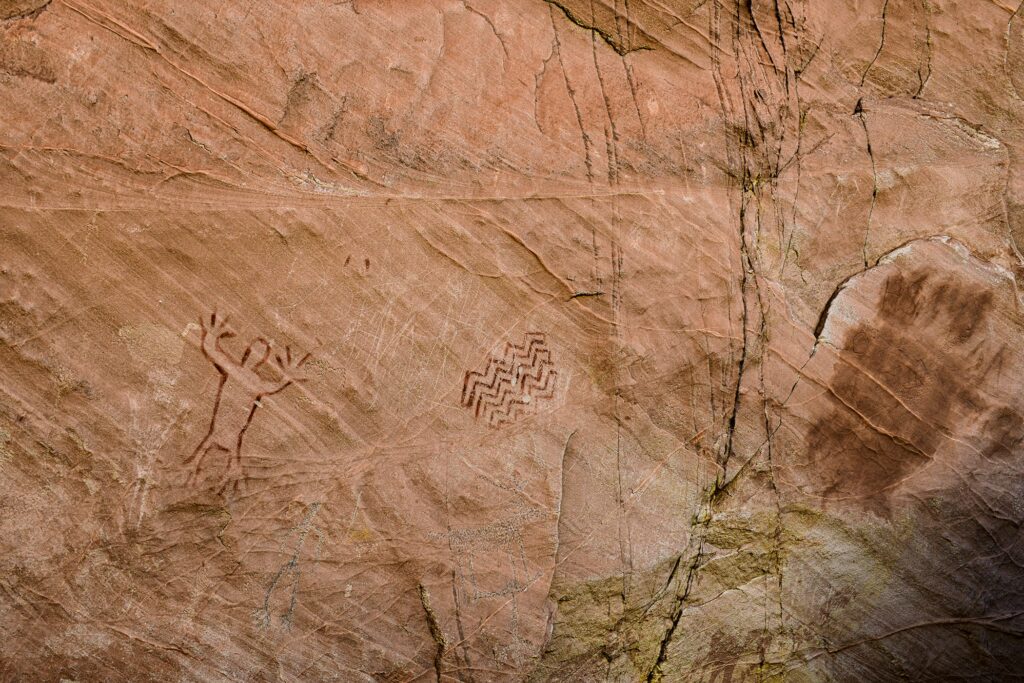
For Grand Staircase, those include preserved fossils, cultural sites and unique biology and geology, Bloch said. Overturning the plan will only lead to confusion.
“We know in a place like Grand Staircase, confusion can breed on the ground impacts,” he said.
Last June, Utah Rep. Celeste Maloy, a Republican representing the district encompassing Grand Staircase-Escalante and a vocal opponent of the Antiquities Act that allows presidents to designate national monuments, wrote a letter to the GAO requesting its opinion on whether the recently approved management plan for the monument was a formal “rule”—a legally binding decision issued by federal agencies. Management plans issued by the Bureau of Land Management or other land agencies have historically not been viewed as such and have consequently not been subject to the CRA.
But the GAO’s opinion found that a resource management plan is a formal rule because it has a “future effect” on how the land within the monument is managed and has “substantial effect on non-agency parties,” such as limiting cattle grazing, mining, logging and the use of off-highway vehicles in sensitive areas.
This story is funded by readers like you.
Our nonprofit newsroom provides award-winning climate coverage free of charge and advertising. We rely on donations from readers like you to keep going. Please donate now to support our work.
Donate NowMany of the monuments targeted are significant to local tribes, which has been a top consideration in their management. Last year, the Hopi Tribe, the Navajo Nation, the Kaibab Band of Paiute Indians, the Paiute Indian Tribe of Utah, the Ute Mountain Ute Tribe and the Zuni Tribe formed the Grand Staircase-Escalante National Monument Inter-Tribal Coalition to advocate for the protection of the monument and help shape how it is managed. The coalition has strongly denounced the GAO’s opinion and has urged members of Congress not to overturn the current resource management plan.
Without a strong plan, the coalition said, the tribes’ ancestral lands and cultural sites will be at risk of looting and degradation.
“Whether it is through the careful stewardship of sacred sites, educating others about our respective cultures, or the deliberations that guide the balance between access and protection, our active participation in these processes reflects our sovereignty and our commitment to a shared future,” said Cassidy K. Morgan, programs and projects specialist with the Navajo Nation Heritage and Historic Preservation Department who is a member of the coalition, in a statement. “Grand Staircase-Escalante National Monument reflects a truth we hold sacred: the land is inseparable from who we are. No matter the complexity of today’s debates, our guiding principle is clear: these places must be protected and honored as part of our shared heritage and as part of the life-giving system of Mother Earth.”
About This Story
Perhaps you noticed: This story, like all the news we publish, is free to read. That’s because Inside Climate News is a 501c3 nonprofit organization. We do not charge a subscription fee, lock our news behind a paywall, or clutter our website with ads. We make our news on climate and the environment freely available to you and anyone who wants it.
That’s not all. We also share our news for free with scores of other media organizations around the country. Many of them can’t afford to do environmental journalism of their own. We’ve built bureaus from coast to coast to report local stories, collaborate with local newsrooms and co-publish articles so that this vital work is shared as widely as possible.
Two of us launched ICN in 2007. Six years later we earned a Pulitzer Prize for National Reporting, and now we run the oldest and largest dedicated climate newsroom in the nation. We tell the story in all its complexity. We hold polluters accountable. We expose environmental injustice. We debunk misinformation. We scrutinize solutions and inspire action.
Donations from readers like you fund every aspect of what we do. If you don’t already, will you support our ongoing work, our reporting on the biggest crisis facing our planet, and help us reach even more readers in more places?
Please take a moment to make a tax-deductible donation. Every one of them makes a difference.
Thank you,

Wyatt Myskow
Reporter, Phoenix
Wyatt Myskow covers drought, biodiversity and the renewable energy transition throughout the Western U.S. Based in Phoenix, he previously reported for The Arizona Republic and The Chronicle of Higher Education. Wyatt has lived in the Southwest since birth and graduated from Arizona State University with his bachelor’s degree in journalism.