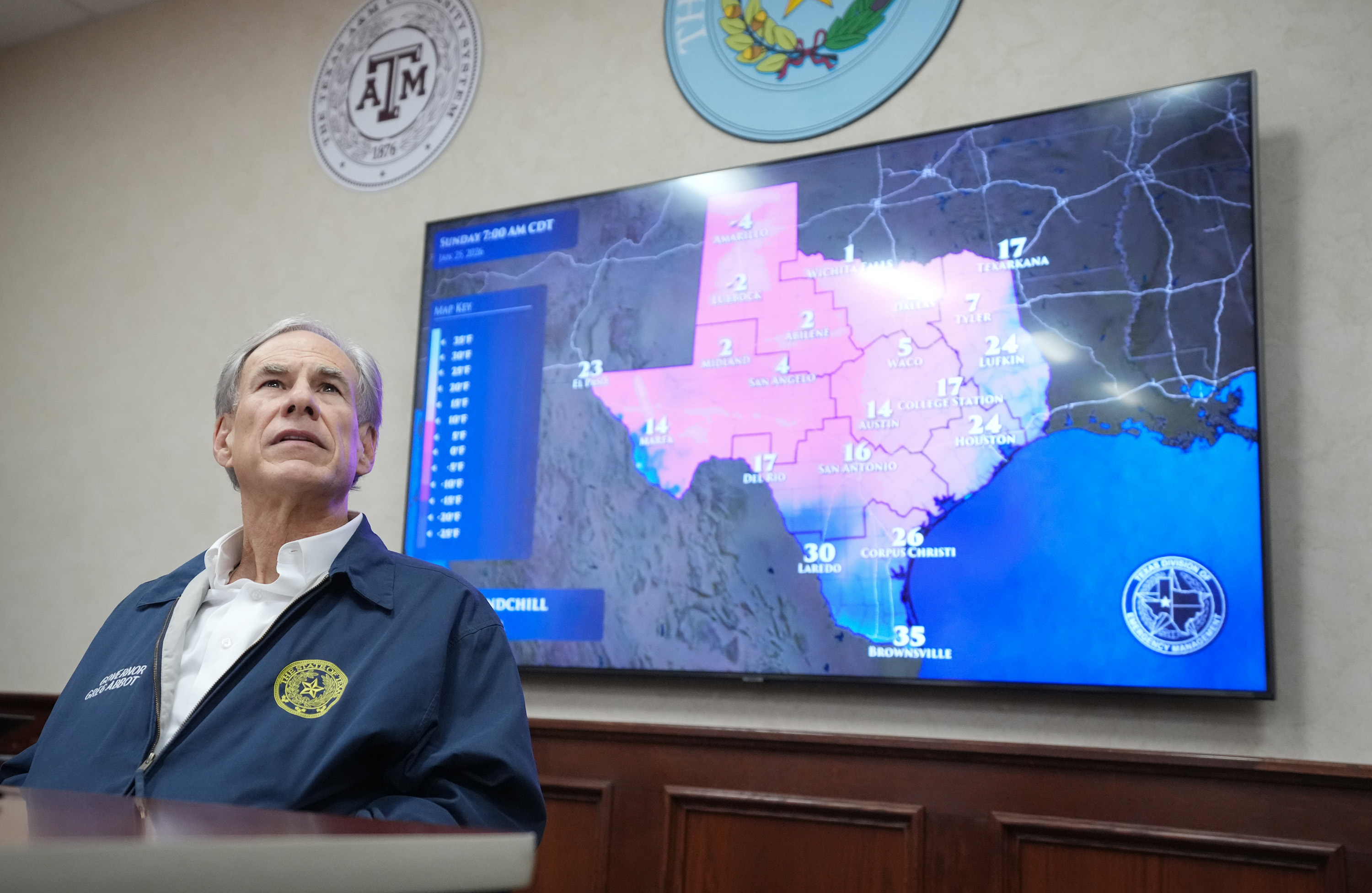


In the eyes of many Texans, this weekend’s freezing weather was a test.
How the state’s independent electric grid fared would demonstrate whether Texas grid operators and energy leaders had learned how to fortify it from winter weather and avoid the nightmare of Winter Storm Uri, when millions were left without power and hundreds died.
As of Monday afternoon, the Electric Reliability Council of Texas (ERCOT) grid has held up, staying online during even the tightest conditions and ongoing dangerous temperatures.
While Winter Storm Fern was much more mild than the storm of 2021, infrastructure improvements have made the system less vulnerable to freezing temperatures, as has the addition of new power plants and batteries to the state’s grid mix, officials and analysts said.
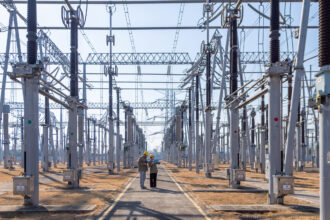
Michael Preddy, a Houston-based energy transmission and distribution analyst at Arup, a global consulting firm headquartered in London, said weatherization requirements from the Legislature for power plants and transmission systems, as well as winter storm planning studies done by ERCOT, seem to have prepared both power generators and utilities to withstand freezing temperatures.
“We were not expecting the issues that we saw in ‘21 because of all these measures that have been put in place,” Preddy said. “Overall, the grid has stood up very well this time around.”
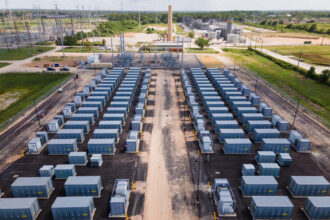
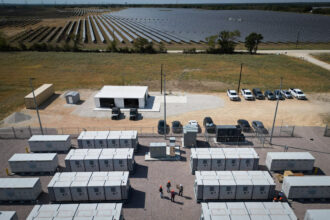
The planning studies allowed grid operators to predict reduced capacities for both renewables and gas-fired power plants in icy conditions and manage expectations. It also outlined the role that batteries, which hardly existed on the grid in 2021, would play in a weather event.
Another analyst, Ed Hirs, an energy economics lecturer at the University of Houston, cited another factor: “What saved us was luck,” Hirs said.
The gas infrastructure the grid continues to rely on, he said, is five years older than it was during the last stretch of freezing weather. Texas’ grid was spared this time by the storm being less severe, he said.
ERCOT reported last month that an energy emergency would be less likely to occur due to the growing number of storage projects connected to the grid. The battery systems allow for more availability in the early morning, when it’s harder to meet electricity demand, according to ERCOT.
Since Winter Storm Uri, ERCOT and other regulators implemented a number of reforms to ensure both renewable and fossil fuel power plants can operate in freezing temperatures. Generators are required to show how they’ve implemented these measures and are maintaining them, as well as conduct walkthroughs with inspectors. Before 2021, this was mostly voluntary.
Still, there are nearly 50,000 homes and businesses without power as of Monday afternoon, largely due to local outages near the Louisiana border in East Texas. It’s much fewer homes than in 2021, when that figure reached roughly 4.5 million.
More than 26,000 megawatts of power was offline on Monday. More than 14,000 megawatts of the unexpected outages came from wind and solar power plants and 11,000 megawatts came from fossil fuel power plants, ERCOT reported.
Winter Storm Uri was an extended, statewide deep freeze that saw lower daily temperatures across multiple regions, whereas this storm was more regionally varied. Failure to properly weatherize wind turbines and most notably gas plants led to rolling power outages.
As a result, legislators enacted the Texas Energy Fund, a $7 billion program to help finance new gas power plants. But since the fund’s creation, no new natural gas generation has been added to the grid.
Nevertheless, leaders were confident that ERCOT could make it out the other side of this storm unscathed and that the major risk would be downed power lines from ice and strong winds.
Last week, Public Utility Commission of Texas Chairman Thomas Gleeson said both generators and transmission operators have made historic investments to prepare for these kinds of winter storms.
Gleeson also said that in addition to facilities having fuel on site, there are crews across the state ready to address any freezing of gas infrastructure.
This story is funded by readers like you.
Our nonprofit newsroom provides award-winning climate coverage free of charge and advertising. We rely on donations from readers like you to keep going. Please donate now to support our work.
Donate NowERCOT issued a weather watch on Jan. 21 due to the forecasted below-freeing temperatures and possibility of sleet, higher electrical demand and potential for lower reserves. But the state’s grid operator reported that grid conditions were expected to be normal.
Texas Gov. Greg Abbott said on Thursday that he had issued a disaster declaration for more than 130 counties across the state to ensure resources are widely available and agencies can respond quickly. On Sunday, U.S. Energy Secretary Chris Wright announced an emergency order to deploy backup generators to mitigate blackouts.
Preddy said grid operators and energy leaders should consider the relatively quiet weekend a success. “We don’t want to be in the news,” Preddy said. “We want it so that when you switch the light on, the light is there, and you take it for granted.”
About This Story
Perhaps you noticed: This story, like all the news we publish, is free to read. That’s because Inside Climate News is a 501c3 nonprofit organization. We do not charge a subscription fee, lock our news behind a paywall, or clutter our website with ads. We make our news on climate and the environment freely available to you and anyone who wants it.
That’s not all. We also share our news for free with scores of other media organizations around the country. Many of them can’t afford to do environmental journalism of their own. We’ve built bureaus from coast to coast to report local stories, collaborate with local newsrooms and co-publish articles so that this vital work is shared as widely as possible.
Two of us launched ICN in 2007. Six years later we earned a Pulitzer Prize for National Reporting, and now we run the oldest and largest dedicated climate newsroom in the nation. We tell the story in all its complexity. We hold polluters accountable. We expose environmental injustice. We debunk misinformation. We scrutinize solutions and inspire action.
Donations from readers like you fund every aspect of what we do. If you don’t already, will you support our ongoing work, our reporting on the biggest crisis facing our planet, and help us reach even more readers in more places?
Please take a moment to make a tax-deductible donation. Every one of them makes a difference.
Thank you,

Arcelia Martin
Reporter, Texas Renewables
Arcelia Martin is an award-winning journalist at Inside Climate News. She covers renewable energy in Texas from her base in Dallas. Before joining ICN in 2025, Arcelia was a staff writer at The Dallas Morning News and at The Tennessean. Originally from San Diego, California, she’s a graduate of Gonzaga University and Columbia University Graduate School of Journalism.