

The Trump administration has agreed to finalize protections under the Endangered Species Act for 11 South Florida plants and animals, settling federal litigation over their plight.
The agreement involves the Florida Keys mole skink, Rim Rock crowned snake and Key ring-necked snake. Also included in the settlement are eight rare plants, including three imperiled by the migrant detention facility Alligator Alcatraz in the Everglades, according to the Center for Biological Diversity, which filed the litigation. The group was represented by the Jacobs Public Interest Law Clinic for Democracy and the Environment at Stetson University College of Law.
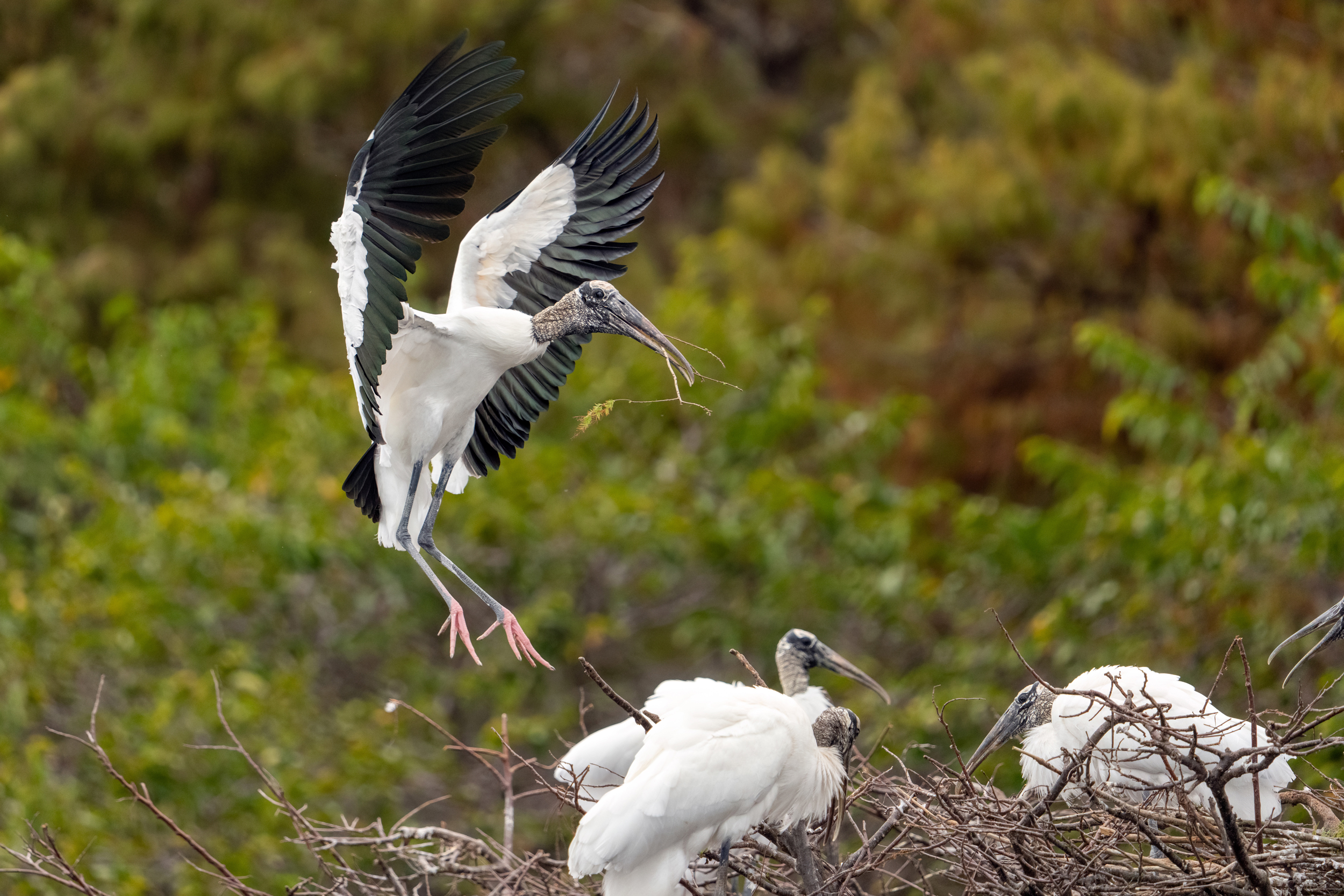
Meanwhile, the U.S. Fish and Wildlife Service announced separately that protections will end for the wood stork, one of 36 species the Trump administration has delisted under the Endangered Species Act. The wood stork, whose range now spans much of the Southeast, was listed in 1984 as endangered in large part because of habitat loss in South Florida.
“The wood stork’s recovery is a real conservation success thanks to a lot of hard work from our partners,” Fish and Wildlife Service Director Brian Nesvik said in a news release. “The Trump administration is working quickly to remove federal protections from species that no longer need them, and I’m proud that the wood stork is another example of that.”
While the wood stork has expanded its range, the bird has not met recovery goals in South Florida, said Elise Bennett, Florida and Caribbean director at the Center for Biological Diversity. She raised concerns about President Donald Trump’s sweeping rollback of environmental regulations, including protections that would have preserved the South Florida wetlands the wood stork relies on for habitat.
The Fish and Wildlife Service did not immediately respond to a request for comment.
“The stork’s overall recovery and stability shows that the Endangered Species Act can successfully combat extinction and move species toward recovery, but the Trump Administration’s environmental rollbacks raise significant new concerns. Wood storks rely on healthy wetlands to find food, but this administration has gutted protections for them under the Clean Water Act,” Bennett said in an email. “In this context, our legal agreement to move the South Florida species closer to protection is more important than ever. We’re working overtime to counteract the administration’s attacks on the environment.”
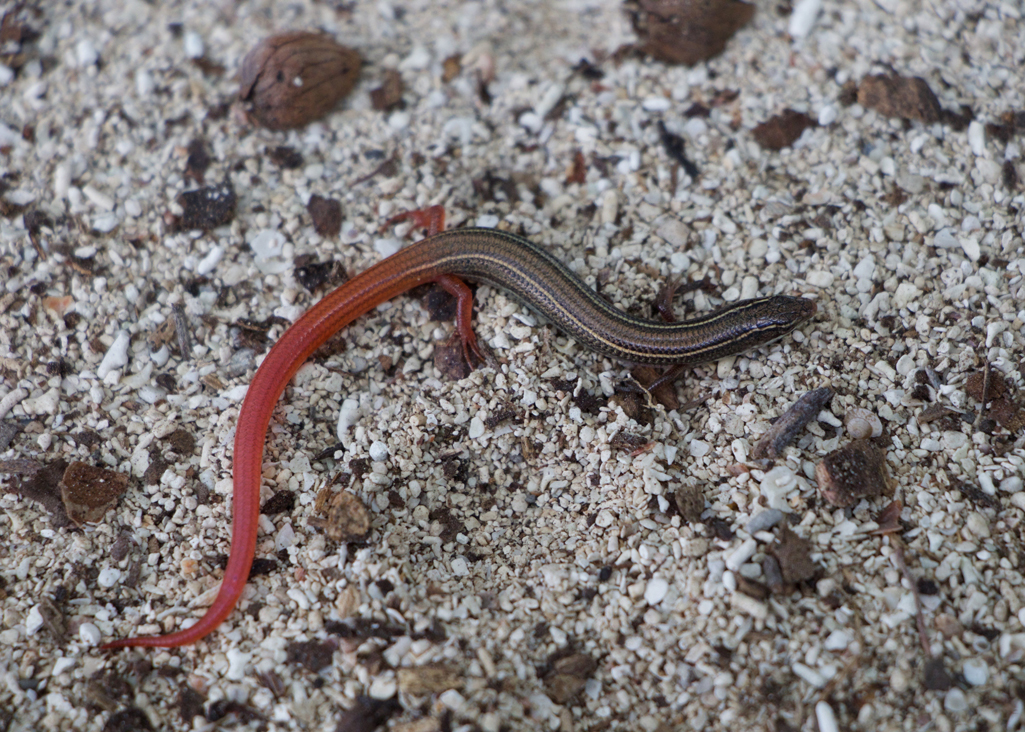
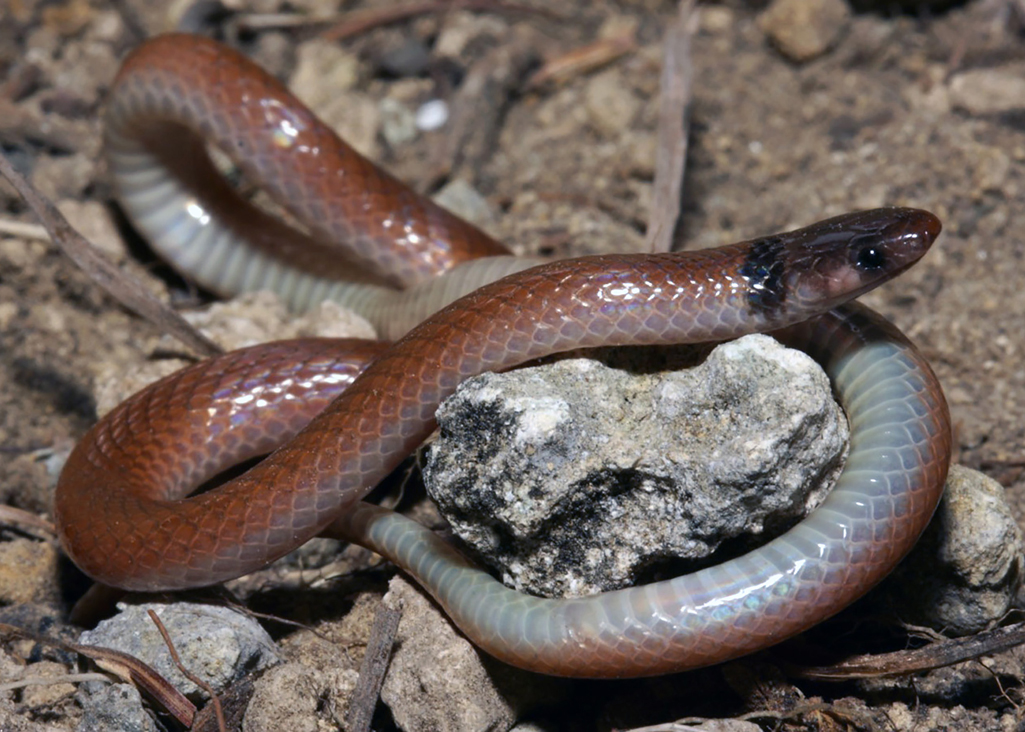
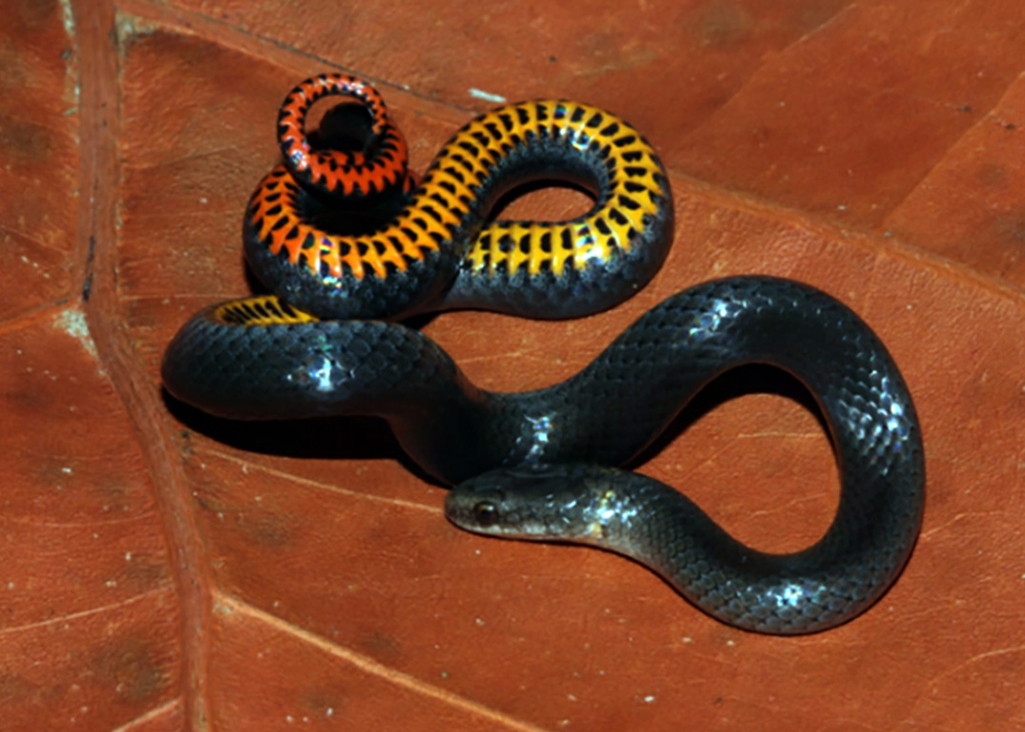
A Florida Keys mole skink, Rim Rock crowned snake and Key ring-necked snake: three species to become protected under the Endangered Species Act. Credit: Florida Fish and Wildlife
The group filed its lawsuit over the other species in the U.S. District Court for the Southern District of Florida. Under the settlement, the Fish and Wildlife Service will finalize species protections by July 16 for the Florida Keys mole skink, Rim Rock crowned snake and Key ring-necked snake. The federal agency proposed in 2022 to protect the skink, a shiny lizard with a pink tail, as threatened and the two nonvenomous snakes as endangered.
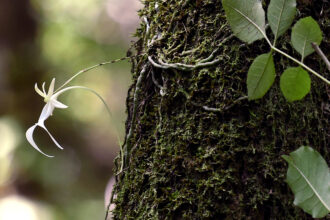
Protections are to be finalized by Jan. 20, 2027, for the Big Pine partridge pea, Blodgett’s silverbush, Everglades bully, Florida pineland crabgrass, Florida prairie clover, Pineland sandmat, sand flax and wedge spurge. The Fish and Wildlife Service proposed protections in 2022 on behalf of the plants for thousands of acres in Collier, Miami-Dade and Monroe counties.
The Endangered Species Act requires that such protections be finalized within one year after they are proposed, according to the settlement. The Center for Biological Diversity contends the Fish and Wildlife Service missed mandatory deadlines to finalize the protections. The group said the 11 plants and animals face “extinction-level threats” from development and sea level rise.
The wood stork’s population had plummeted by more than 75 percent before it was listed more than 30 years ago, according to the Fish and Wildlife Service. Today the bird’s breeding population is estimated at between 10,000 and 14,000 pairs, more than twice the number at the time of its listing. The federal agency said the wood stork’s delisting would be final March 12.
About This Story
Perhaps you noticed: This story, like all the news we publish, is free to read. That’s because Inside Climate News is a 501c3 nonprofit organization. We do not charge a subscription fee, lock our news behind a paywall, or clutter our website with ads. We make our news on climate and the environment freely available to you and anyone who wants it.
That’s not all. We also share our news for free with scores of other media organizations around the country. Many of them can’t afford to do environmental journalism of their own. We’ve built bureaus from coast to coast to report local stories, collaborate with local newsrooms and co-publish articles so that this vital work is shared as widely as possible.
Two of us launched ICN in 2007. Six years later we earned a Pulitzer Prize for National Reporting, and now we run the oldest and largest dedicated climate newsroom in the nation. We tell the story in all its complexity. We hold polluters accountable. We expose environmental injustice. We debunk misinformation. We scrutinize solutions and inspire action.
Donations from readers like you fund every aspect of what we do. If you don’t already, will you support our ongoing work, our reporting on the biggest crisis facing our planet, and help us reach even more readers in more places?
Please take a moment to make a tax-deductible donation. Every one of them makes a difference.
Thank you,

Amy Green
Reporter, Florida
Amy Green covers the environment and climate change from Orlando, Florida. She is a mid-career journalist and author whose extensive reporting on the Everglades is featured in the book MOVING WATER, published by Johns Hopkins University Press, and podcast DRAINED, available wherever you get your podcasts. Amy’s work has been recognized with many awards, including a prestigious Edward R. Murrow Award and Public Media Journalists Association award.