

RICHMOND, Va.—The Virginia Senate’s Finance and Appropriations Committee approved budget legislation for the coming fiscal year that ends a tax exemption for data centers on January 1.
In Virginia, data centers—critical facilities in Big Tech’s race to develop artificial intelligence—have since 2008 been exempted from paying that state’s retail sales and use tax on their computer equipment, as long as they invest $150 million and create 50 jobs. In 2025, those tax exemptions were worth $1.9 billion to data centers, which equals 2 percent of the state’s $74 billion budget.
Sen. Louise Lucas, D-Portsmouth, chairperson of the Finance and Appropriations Committee, said before Sunday’s vote that it was time for data centers to “pay their fair share.”
“As data centers have expanded, Virginians have become increasingly concerned over subsidizing their energy demands and mitigating their environmental impact,” said Lucas. “We’re asking data centers to pay their fare share in sales tax to help deliver our core services: education, transportation and social services.”
Also on Sunday, the Virginia House of Delegates’ Appropriations Committee approved its budget bill for fiscal 2027 but stopped well short of ending the data centers’ exemption, instead incorporating language in legislation sponsored by Del. Rip Sullivan, D-Fairfax, and passed by the full House on Feb. 17, that would continue the tax break but make it contingent upon clean energy requirements.
“We’ll see,” said House Finance and Appropriations Chairman Luke Torian, D-Prince William, with a smile on his face, when asked if the House was interested in clawing back any of the exemption when it votes on its final budget.
The proposal from the Virginia Senate comes as the chamber is looking to make up for cuts from the Trump administration’s One Big Beautiful Bill Act and gaps in insurance premiums paid by state residents because Congress let the advanced premium tax credits expire.
Each chamber is now expected to vote on their respective plans this week and then debate their counterparts’ version. By the session’s end, the budget drafts will likely end up in a conference committee, when lawmakers sort out final differences behind closed doors and then take final votes on March 14.
The proposals would then go to newly elected Democratic Gov. Abigail Spanberger, who can sign, line-item veto or amend the bill. Both chambers are also controlled by Democrats. Spanberger declined to comment Sunday night on the Senate’s proposal, but has said repeatedly that she wants data centers to “pay their fair share.”
Virginia’s legislature began the exemption after the 2008 housing crash and recession to draw in the data center industry. For the industry investing capital and creating jobs, the state would waive its sales and use tax on a data center’s purchase of its computer equipment, which ranges from 5.3 percent to 7 percent, depending upon the locality.
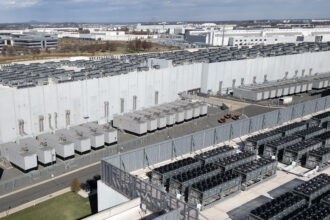
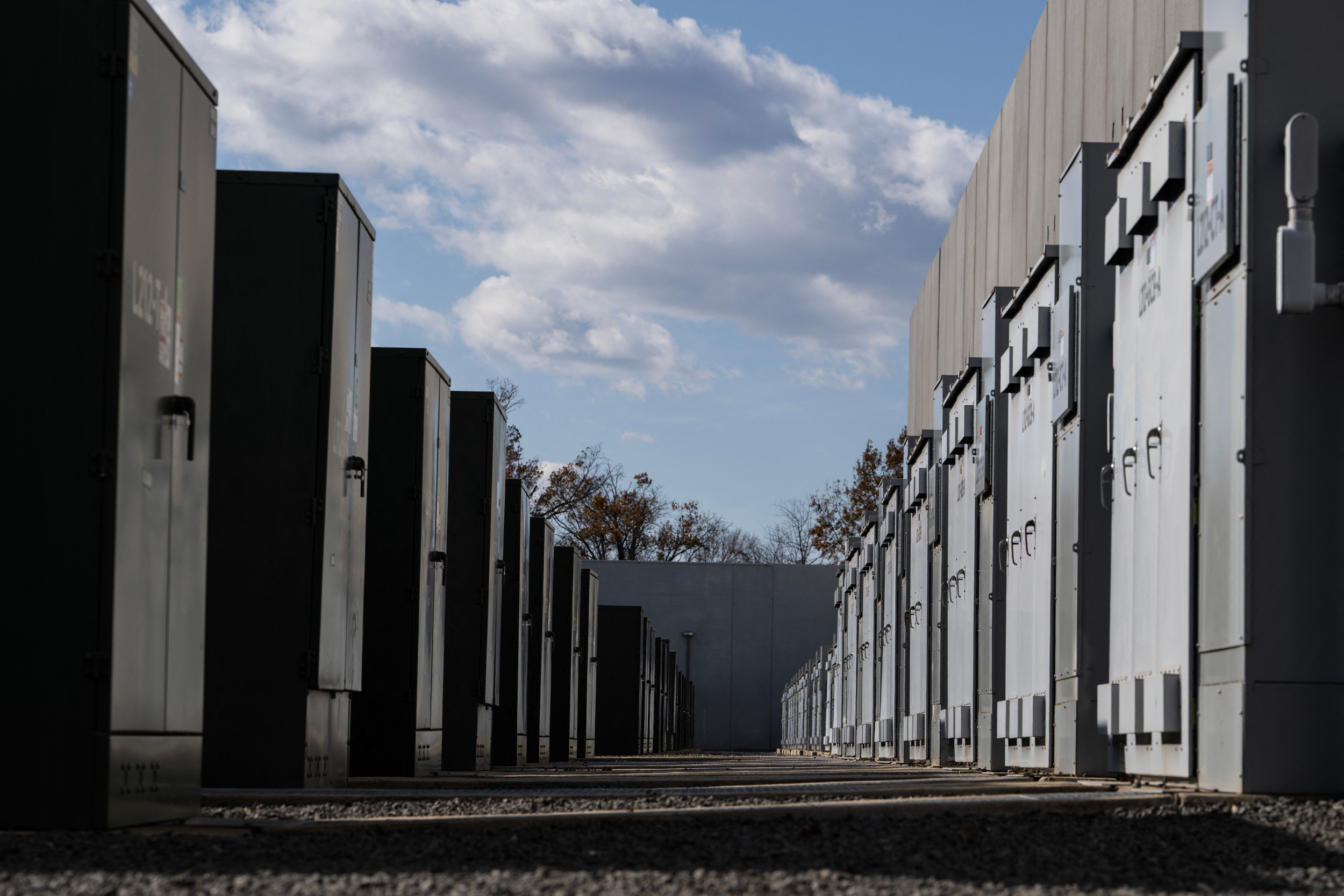
Virginia started with many advantages. The Northern Virginia bedroom counties that surround Washington, D.C., were both the birthplace of the internet and home to the Pentagon, CIA and numerous other government facilities. But the exemption surpassed expectations, making Virginia the data center hub of the planet, with 570 giant server farms—more than anywhere else in the world.
But along with jobs and local tax revenue, that development has brought increased worry over rising electricity bills to pay for grid upgrades required to meet data center demands. There’s also concerns over a data center’s water needs for cooling.
Data centers typically replace their computer equipment on a three-year cycle, meaning the exemption has grown from $1.5 million initially to $1.9 billion last year. Data centers purchased $33.2 billion in computer equipment in 2025 without needing to pay the state’s sales and use tax, according to the Department of Taxation.
Details of exactly how the Senate is intending to use the new revenue are sparse, but about $1 billion is expected to be generated over the next two years by ending the exemption. Actual language on the Senate spending plan is expected to be public Tuesday. Sen. Jeremy McPike, D-Prince William, shared that $291.7 million of the increased revenue would go to the Commonwealth Transportation Fund to support all types of transportation.
The data center industry is not happy.
“The Senate’s proposal will effectively halt investment by an industry that has invested more than $100 billion across the Commonwealth in just the last three years,” said Nicole Riley, director of Virginia government affairs for the Data Center Coalition, an industry group. “At a time when Virginia’s economy is facing significant challenges, this would be a self-inflicted hit to our economy that will cost Virginia billions in economic impact and tax revenue, and jeopardize tens of thousands of jobs.”
Dominion Energy, Virginia’s largest utility, which is expecting data center demand to double from about 5 gigawatts in 2025 to about 10 gigawatts in 2035, indicated the tax proposal won’t change things for the utility.
“In our view, data centers are very beneficial to the state and local economies. We look forward to continuing to serve them for some time, and you can see the kind of growth we’re expecting off of them,” CEO Bob Blue said on Dominion’s latest earnings call Monday. “We expect that to continue.”
Lucas isn’t buying the argument that data centers will leave.
“A lot of folk are saying that they’re going to be leaving, going to other places. I don’t believe that’s going to happen,” Lucas said. “I think they will continue to build in Virginia. I think they’re going to understand there’s going to be a different playing field now.”
Asked how firm she was on the 2027 expiration date, Lucas said “as firm as concrete.”
About This Story
Perhaps you noticed: This story, like all the news we publish, is free to read. That’s because Inside Climate News is a 501c3 nonprofit organization. We do not charge a subscription fee, lock our news behind a paywall, or clutter our website with ads. We make our news on climate and the environment freely available to you and anyone who wants it.
That’s not all. We also share our news for free with scores of other media organizations around the country. Many of them can’t afford to do environmental journalism of their own. We’ve built bureaus from coast to coast to report local stories, collaborate with local newsrooms and co-publish articles so that this vital work is shared as widely as possible.
Two of us launched ICN in 2007. Six years later we earned a Pulitzer Prize for National Reporting, and now we run the oldest and largest dedicated climate newsroom in the nation. We tell the story in all its complexity. We hold polluters accountable. We expose environmental injustice. We debunk misinformation. We scrutinize solutions and inspire action.
Donations from readers like you fund every aspect of what we do. If you don’t already, will you support our ongoing work, our reporting on the biggest crisis facing our planet, and help us reach even more readers in more places?
Please take a moment to make a tax-deductible donation. Every one of them makes a difference.
Thank you,

Charles Paullin
Charles Paullin is a Richmond, Virginia-based reporter focusing on energy and environment issues. He’s won several awards for his previous work covering state policy with the Virginia Mercury and local news with the Northern Virginia Daily in the Northern Shenandoah Valley. His first reporting gig was with the New Britain Herald in Connecticut, a couple years after attending the University of Hartford, where he first studied sports journalism.