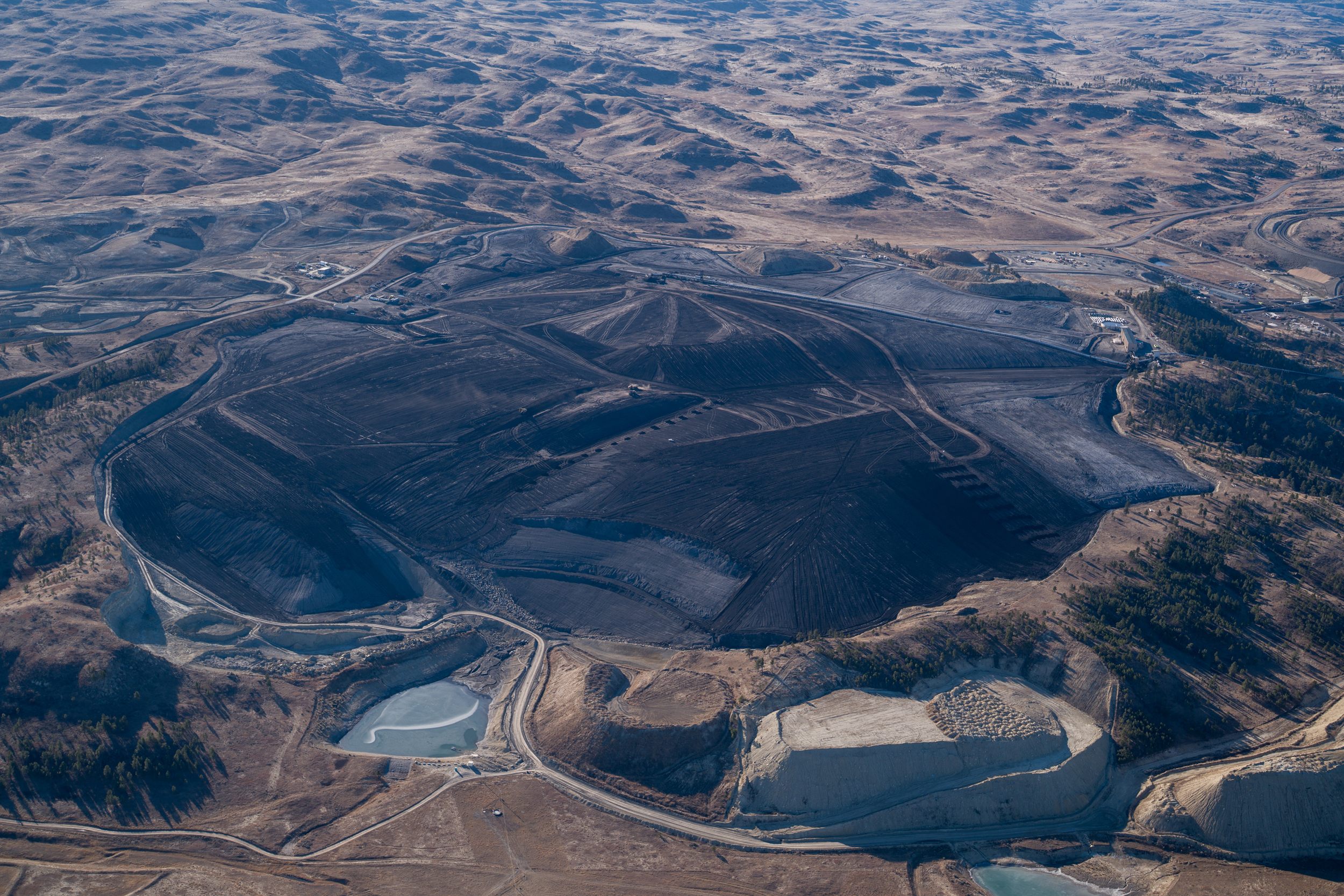


ROUNDUP, Mont.—Environmental groups sued Tuesday to halt an expansion of the Bull Mountains Mine, claiming that the “energy emergency” underpinning its revival is nonexistent and that regulators have been aware for decades that underground coal mining would irrevocably damage the area’s water.
The case, filed in the U.S. District Court for the District of Montana, comes eight months after the federal Office of Surface Mining Reclamation and Enforcement issued an environmental impact statement that cleared the way for the expansion. In 2023, the same court vacated a previous environmental analysis that allowed the mine, which is operated by Signal Peak Energy, to extract coal in federal land. The new document was issued as part of President Donald Trump’s “energy emergency,” and the agency did not make a draft available for public comment.
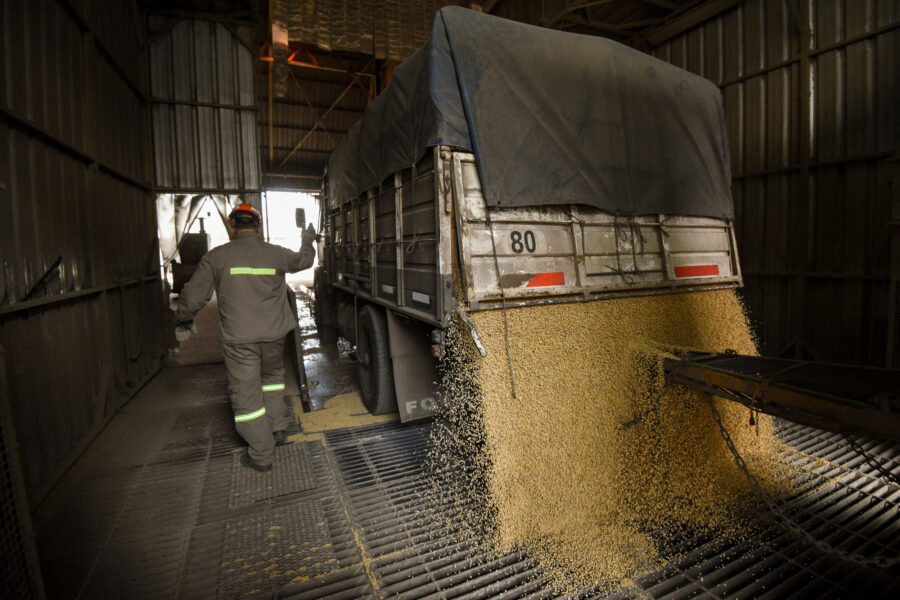
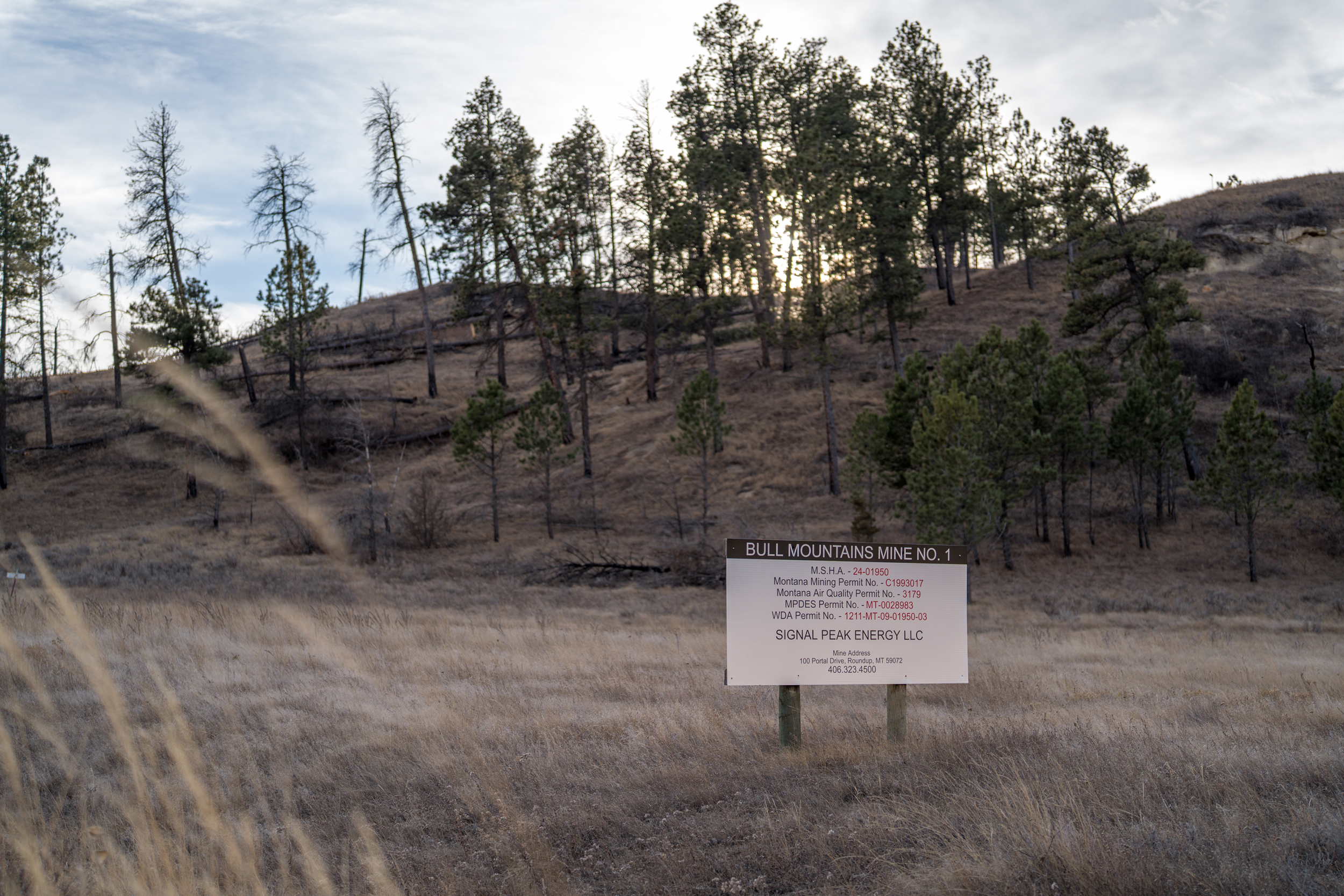
The department said the action will add nine years to the lifespan of the mine. Ninety-six percent of the coal there is shipped overseas, primarily to Japan and South Korea.
The Montana Environmental Information Center, the Center for Biological Diversity and WildEarth Guardians contend that the U.S. Department of the Interior violated the National Environmental Policy Act by relying on Trump’s “nonexistent ‘Energy Emergency’” to effectively grant the mine an expansion permit last year.
Some residents who live in the Bull Mountains, a hilly terrain on the eastern edge of the Rocky Mountains in Montana, have joined the suit after fighting for decades to hold the mine accountable for its impacts on their water.
“It’s very doubtful, given the science, that the damage that’s been done can be mitigated on any human timescale,” said Shiloh Hernandez, a senior attorney with Earthjustice, which is representing the plaintiffs along with the Western Environmental Law Center. “Stopping the mine, however, can prevent this problem from becoming even worse.”
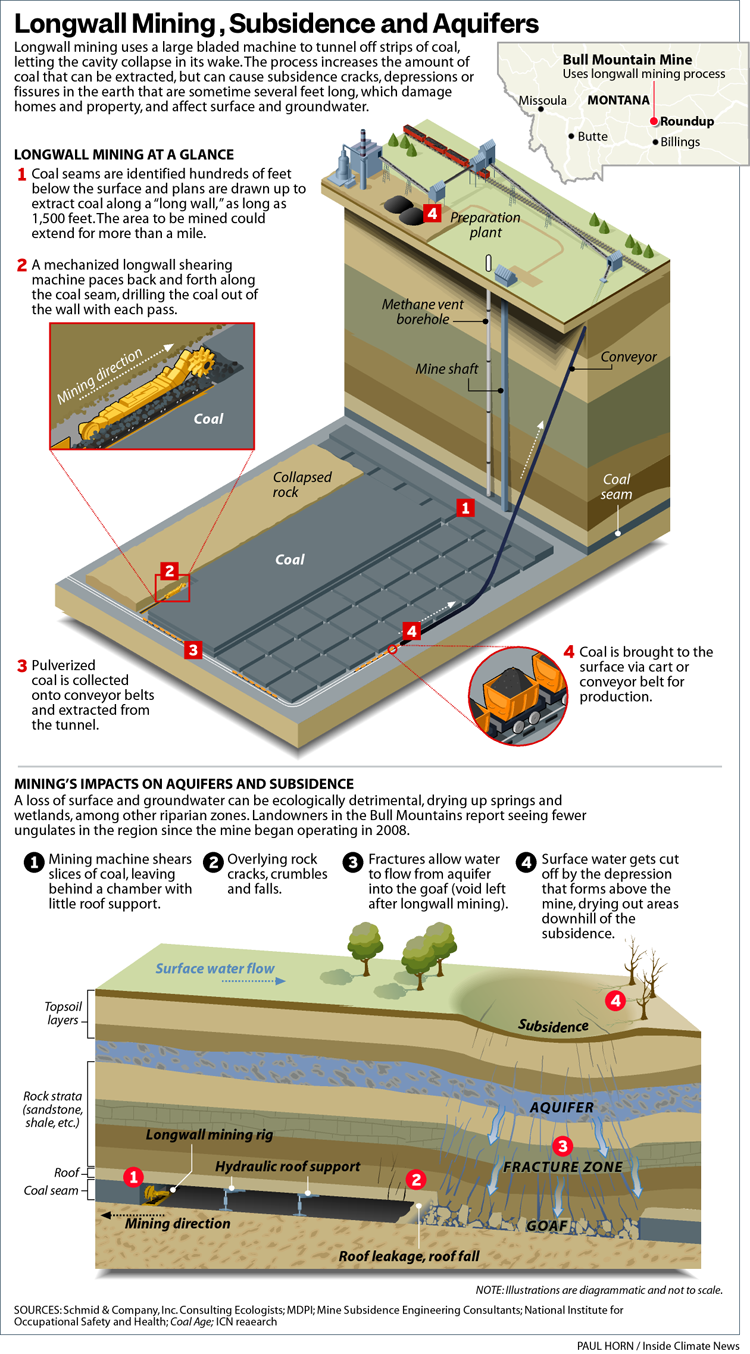
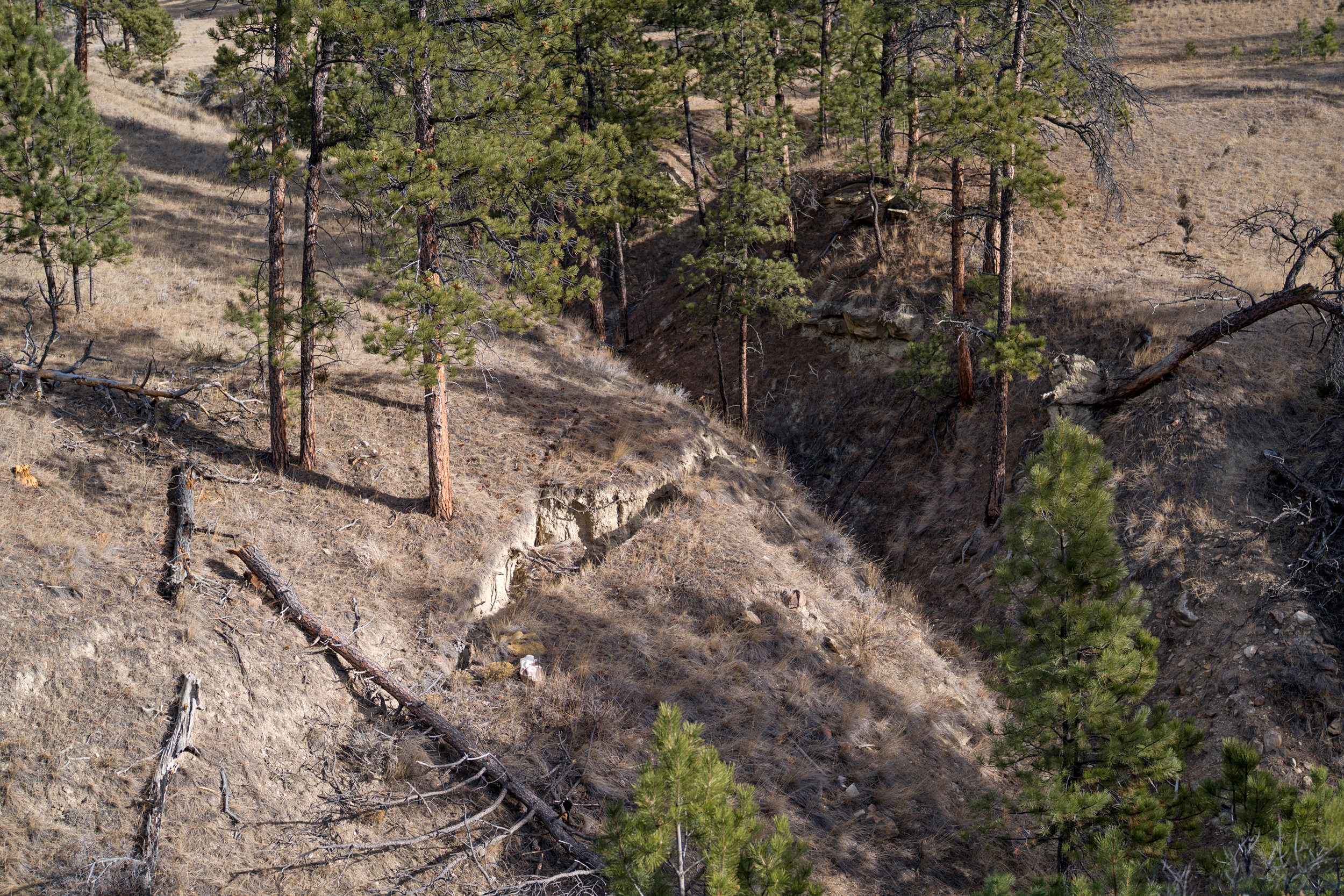
A longwall mine like Bull Mountains uses a machine to gobble up coal beneath the surface, leaving a subterranean cavity in its wake. This can cause the earth above the mine to sink and rupture, creating fissures known as “subsidence cracks” that can be several feet wide. This subsidence can also disrupt a region’s hydrology by draining rain, snowmelt, springs and groundwater into the mine.
Environmentalists, hydrologists and locals say Signal Peak has been dewatering the area for over a decade, diminishing the region’s wildlife and habitat and driving ranchers off their land.
“It was fortunate for my ranch that [the mine] only took in a small portion of the north end of it,” said Ellen Pfister, who raised cattle in the Bull Mountains for nearly half a century before retiring in 2019. “If your whole place was over it, it would have been disastrous. And it has been for those people.”
The litigation may revive the political cover for the Crow Revenue Act, a landswap bill most recently introduced in Congress in January 2025. The legislation would deliver federal coal within Signal Peak’s permit to private hands, helping the company skirt federal royalty payments and lowering its exposure to lawsuits in federal court. Because a portion of the federal royalties makes its way into the coffers of Musselshell County, where the mine largely operates, the legislation has pitted locals against each other.
Musselshell County commissioners don’t want to lose tax revenue. A mayor and some constituents want the measure to pass because they feel the mine is politically vulnerable if a less fossil-fuel-friendly administration takes the White House.
Nonetheless, both sides of that debate want to see the Bull Mountains mine remain viable.
“There’s this perception that unless you give the mine favorable taxation conditions, you somehow are against it,” said Robert Pancratz, a Musselshell County commissioner.
Signal Peak did not return emails and voicemails seeking comment.
In early February, the area above and around the mine, like much of the West during a historically warm winter, was unnervingly dry. Grasses appeared gray in the mid-afternoon light. Shriveled trees dotted the landscape. There were few signs of wildlife, and even fewer traces of water.
Disappearing Water and a Missing Report
As part of the lawsuit, the plaintiffs included a written statement by Keith Kirk, a former hydrologist at the Interior Department’s Office of Surface Mining Reclamation and Enforcement. He said he led a team of scientists and engineers that authored a report in the 1990s, before the Bull Mountains Mine opened, on the possible hydrological effects of longwall coal mining in the Bull Mountains.
Longwall mining would draw surface and subsurface water toward the area of the mine where the coal is processed, “irreversibly reducing or eliminating the supply of water to those springs and aquifers” where it originally flowed, Kirk wrote. Despite this analysis, the mine received its permits.
“In my experience, the states, especially the ones that are dependent on coal, have a tendency to look more favorably on the coal industry and maybe disregard some of the information that we’ve provided,” Kirk said.
It’s proved very difficult to locate Kirk’s report. Derf Johnson, deputy director of the Montana Environmental Information Center, said his organization has filed a number of broad records requests concerning the Bull Mountains mine, none of which turned up the report. Earthjustice has been reaching out to former OSMRE employees to secure a copy of the report for at least two years, to no avail, Hernandez said.
After he left OSMRE, Kirk said the agency came to him and asked if he had the data from his analysis, indicating OSMRE no longer possessed it.
In response to a records request submitted by Inside Climate News, the Montana Department of Environmental Quality said it “did not find any records related to Mr. Kirk and a hydrologic report.”
DEQ said that the Interior Department would be “the appropriate agency” for locating the report, since that is where it originated. But the Interior Department and OSMRE have so far supplied no records in response to Inside Climate News’ March request for copies of the Kirk report, and neither agency responded when asked for comment.
“It’s very mysterious to me that that happened,” Kirk said, referring to his report’s possible disappearance. “You just can’t randomly get rid of things that are part of a decision-making process.”
Many who have heard of the report’s existence are suspicious that it’s so hard to find, especially given the Bull Mountains Mine’s checkered history. For a time after Signal Peak assumed control in the late 2000s, it was plagued by malfeasance, including embezzlement, a faked kidnapping and safety and environmental violations, according to reporting by The New York Times.
The employees involved had been replaced, the company told the paper. At least one went to federal prison.
Some permitting chicanery in the 1990s would be “standard procedure for this mine,” said Tom Baratta, a Bull Mountains resident who lives about a half-mile from the edge of the mine’s eastern boundary.
The dewatering Kirk predicted in the 1990s seemed to come to pass on Pfister’s land in the 2010s. Two of the four springs on the northwest corner of her land went dry when the mine first began tunneling under that section of her property, she said. Turtle Pond, a perennial source of water, “has never looked as healthy since it was undermined,” she added.
Shortly before she sold her ranch, Pfister lost a third source of water when Mountain Spring, which she used to hydrate cattle, ran dry. “When they undermined the Mountain Spring, that was all she wrote,” Pfister said, in her soft but authoritative voice, reflecting on that moment from her home in Billings. “There really has been no way to make up for that.”

Pfister, who has a law degree from the University of Mississippi, lobbied for environmental groups for several years to secure the passage of the Surface Mining Control and Reclamation Act of 1977. The law is not perfect, she said, but without it she suspects the environmental fallout from mining could be even more severe.
Last month, Hernandez, with Earthjustice, and Johnson visited Pfister’s old ranch to see what’s left of Mountain Spring. Against the backdrop of a 60-degree day in early February, they could hear a constant faint humming, like a bathroom fan. It was the mine, its equipment tunneling away underground somewhere nearby.
Johnson, who had never been to the area before, was disappointed by what he saw—whispy grass, a graying tree and a riparian area apparently bereft of water.
“The landscape, something that wildlife and people relied upon, that’s just no longer there,” he said. “There’s really significant protections for water. It’s pretty clear that the mine and the [Montana Department of Environmental Quality] are not living up to those standards.”
DEQ conducts monthly inspections of the Bull Mountains Mine, and the agency has followed state laws when investigating past complaints regarding lost water, it told Inside Climate News in an email.
The loss of water here would impact more than just a ranching operation, Hernandez pointed out, and hauling water to grazing cattle a few weeks of the year would do little to mitigate it. Without reliable springs, fewer birds, fish and ungulates visit the region.
“The result is that the whole area is a lot more ecologically poor than it otherwise would be,” he said.
“Federal and state law says you’re not supposed to get a permit in the first place unless you can affirmatively prove that you can bring the land back to what it was like before mining,” Hernandez continued. “Of course, if you don’t follow the science, then that means nothing.”
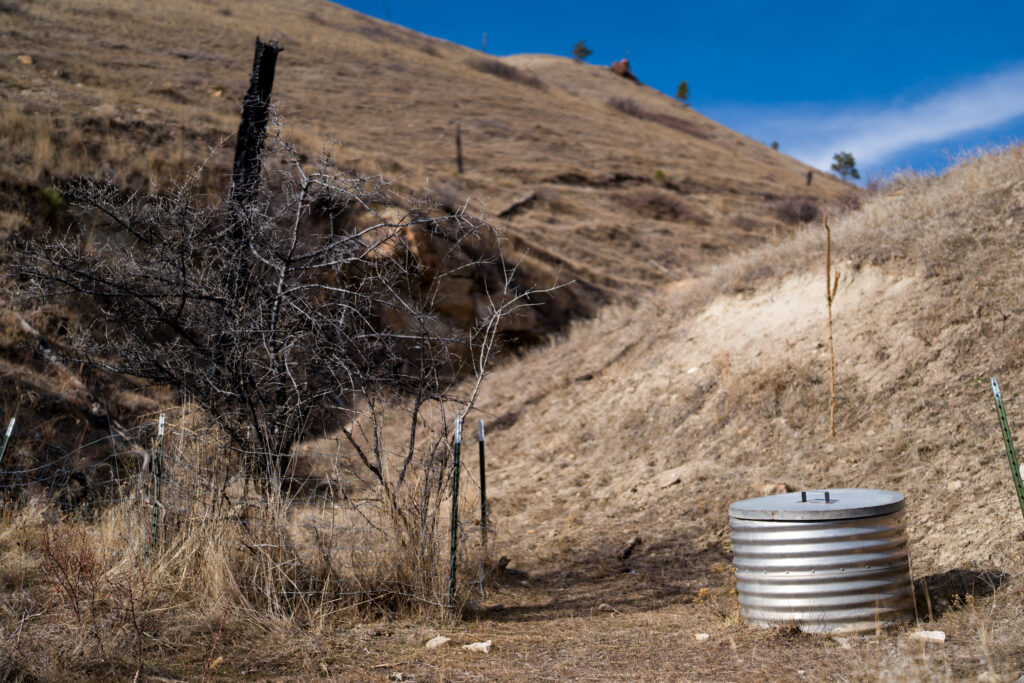
In its permit, Signal Peak lays out short- and long-term strategies for restoring lost water, including hauling, giving landowners access to monitoring wells and impounding snowmelt and rain. The company “is committed to mitigating mining-caused adverse impacts to all springs and livestock wells that have a history of beneficial use or are necessary to support postmine land uses,” it wrote.
But Signal Peak has previously lamented the costs and labor associated with remedying the mine’s impact on surface owners. In 2022, Signal Peak president and CEO Parker Phipps called the company’s longwall mining “not compatible with cattle grazing operations” in a letter explaining the company’s decision to terminate a rancher’s lease above the mine. Phipps characterized the company’s efforts to mitigate “temporary hydrologic disturbances,” including hauling water and addressing subsidence, as “unsustainable.”
Hernandez and Johnson are skeptical that the Mountain Spring and others will return naturally once the mine is gone.
“Energy Emergency” Coal Sales Overseas Trump Local Concerns
Years ago, when more residents lived above the mine demanding scrutiny of its impacts, “the regulators had to do their job,” Hernandez said. But now that Signal Peak owns most of the surface, “the DEQ’s position is, if they don’t complain, then we don’t make ’em do anything.”
While DEQ requires Signal Peak to have a plan for minimizing and preventing damage to a region’s hydrology, “some impacts to the hydrologic balance within the permit area from mining are predicted to occur,” the agency said, in response to Hernandez’s claim.
As the mine makes its way eastward, Bull Mountains residents who live near its permit boundary are monitoring their groundwater for changes.
Pat Thiele, a veteran and longtime Bull Mountains landowner who lives about a quarter mile from the mine’s boundary, said he has installed a groundwater monitoring well and water meter to establish pre-mining data in case his water disappears or its quality deteriorates. Thiele and his wife, Maureen, moved to Montana from Hawaii in 2001, and Thiele began researching Signal Peak’s corporate shell structure and longwall mining’s toll on the environment around 2012. He didn’t become involved in activism against the mine until about six years ago.
“It used to be you couldn’t go out to the highway without seeing elk” in Rehder Coulee, a small valley, he said as he and Baratta, his neighbor, sat at the Thieles’ dining room table in early February. “Now you don’t see them at all. Even though all the cattle are gone and all the horses are gone, the elk are gone, too. I certainly attribute that to the mine. … All the water sources in that area have been either wiped out completely or depleted dramatically.”
According to Hernandez, the mine and DEQ keep track of wildlife populations but have not provided trend data to the public. DEQ acknowledged the existence of such data and said it was accessible via a records request. Inside Climate News filed one in February and has not yet received that information.
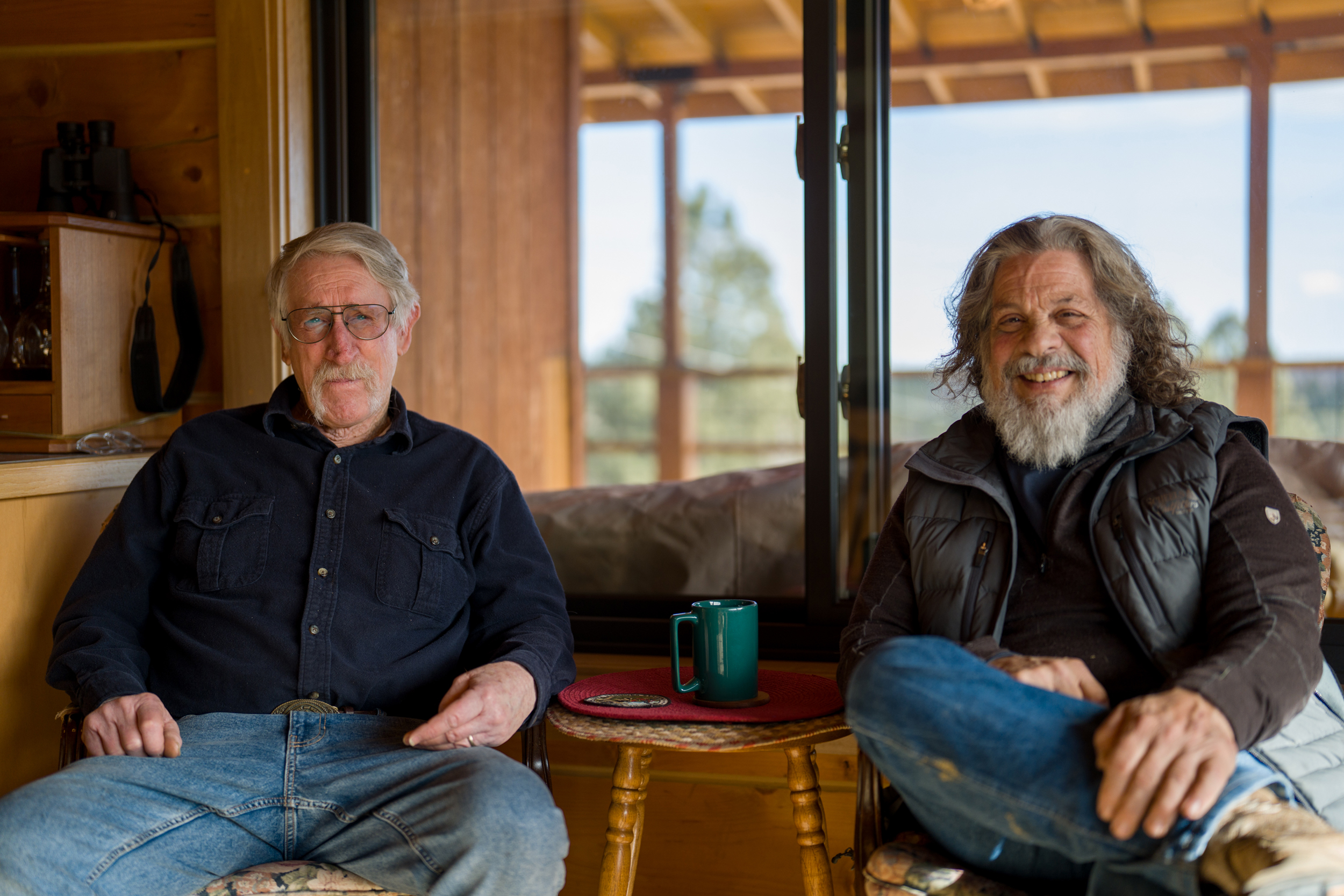
Thiele and Baratta are among the Bull Mountains residents most vocally opposed to the mine, and both are named in the suit. When Earthjustice won its previous lawsuit in 2023, both men felt like the government was finally paying attention to locals’ environmental concerns.
But then Trump got elected, and everything fell apart.
Trump’s “energy emergency” allows fossil fuel companies to apply for an expedited permitting review as part of the National Environmental Policy Act process. Signal Peak did, and Interior Secretary Doug Burgum announced the new environmental impact statement last June, without releasing a draft for public comment. A month later, Congress passed Trump’s One Big Beautiful Bill Act, with a section explicitly permitting coal mining on federal tracts intertwined with state and private land, like the checkerboard of ownership in the Bull Mountains. Johnson, with the Montana Environmental Information Center, said he knew of no other coal mine in the country that would benefit from that provision.
Signal Peak was back in business.
“With the change of administration … we have zero power now,” Baratta said. “We have zero opportunity to make a difference.”
Both Thiele and Baratta questioned how a mine whose coal is almost exclusively shipped to Japan and South Korea could possibly help the U.S. ease its supposed energy emergency. (In a statement accompanying the approval of the mine’s environmental impact statement, Burgum said Bull Mountains coal is “strengthening U.S. energy partnerships abroad.”)
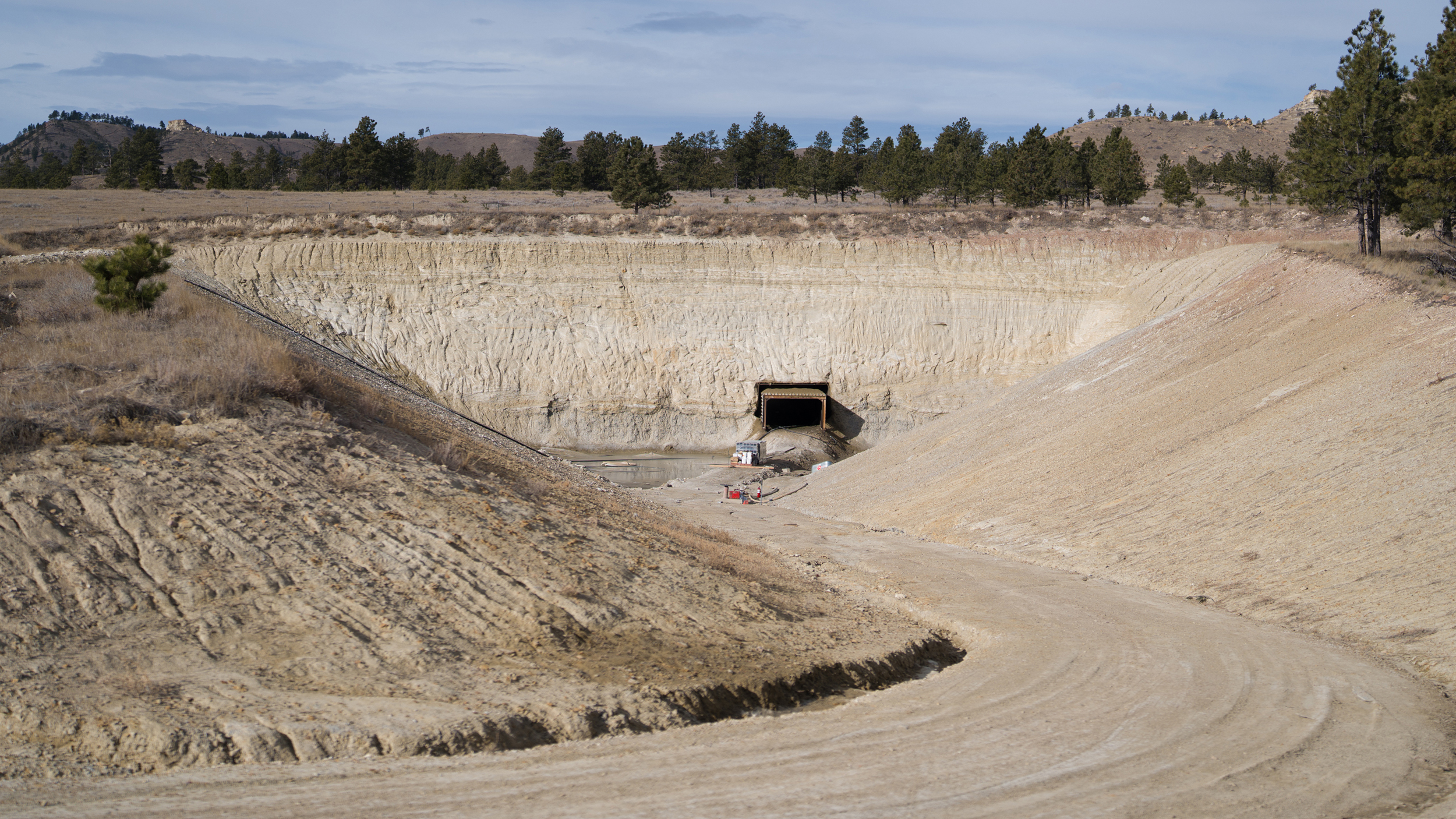
Thiele doesn’t hold out much hope for the new suit, though Baratta is not totally discouraged. But given the important role the mine plays in the local tax structure, there is staunch support for Signal Peak among their neighbors, which both men understand.
“It’s really hard to speak out against the mine,” Baratta said.
Could a Boost to Coal Bust a County Dependent on It?
With Signal Peak again in court, the Crow Revenue Act, the landswap bill that would all but ensure the mine’s expansion, could receive renewed momentum.
The legislation would convey federal coal remaining in Signal Peak’s permit to the Hope Family Trust, which would, in turn, sell the coal to the mine and split the profit with the Crow Tribe, which lost revenue after another nearby coal mine closed. Privatizing the resource would insulate Signal Peak from changing political attitudes toward coal, reduce environmentalists’ opportunities to sue in federal court and exempt the company from paying federal royalties.
Pancratz, Mike Goffena and Mike Turley, Musselshell County’s commissioners, do not want the Bull Mountains mine to close. The jobs and tax revenue it provides are too valuable to the county. The trio just wants Montana’s delegation and Signal Peak to work with them to keep money flowing into Musselshell County if the Crow Revenue Act passes.
“We are not flush enough that we can invest in growth or infrastructure, and that’s really what we want to get to,” said Pancratz, who used to work in risk management for the Department of Defense. “But we wouldn’t have a prayer of even treading water if we didn’t have that mine. And that’s why we know that mine’s so important.”
The federal government splits the royalty taxes on the coal about equally with Montana, and a quarter of the state’s share goes to the county. But if the coal is privatized, Signal Peak would stop paying federal royalty taxes—a potential $11.6 million blow to the county’s budget, Pancratz calculated. The mine would still pay state and local taxes. But without the royalty payments, the commissioners say the county would have to either raise local taxes or cut funding for services such as hospitals, schools and road maintenance to balance its budget.
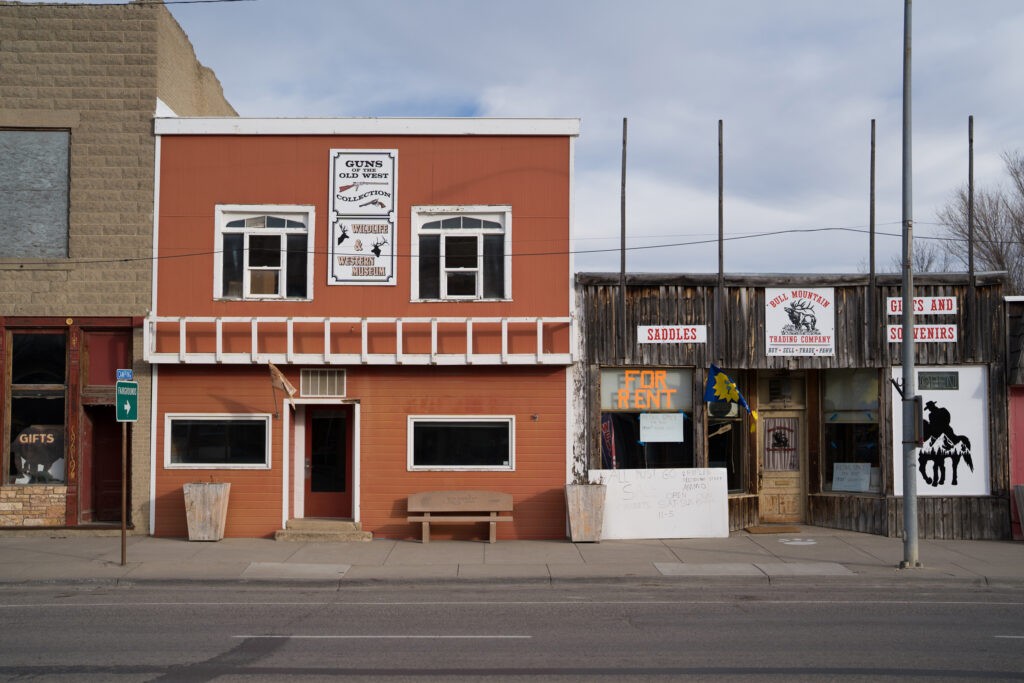
Musselshell’s long-term financial health, already heavily dependent on the price of coal, would be much less certain, the commissioners said.
When Montana Sen. Steve Daines, a Republican, first introduced the Crow Revenue Act under President Joe Biden, whose administration had banned new coal mining on federal lands, the three commissioners supported it. Diminished coal tax revenue, they thought, was better for the county than seeing the mine shutter and lay people off, as Signal Peak claimed was possible in the political climate at the time.
But then Trump was elected again, Burgum announced the mine’s environmental impact statement and Congress passed the One Big Beautiful Bill. After those pieces fell into place, the commissioners wrote to Daines and asked him to amend the Crow Revenue Act so Musselshell County would receive 12 percent of the money from the sale of the coal—roughly its share of the mineral royalties. They repeatedly emphasized their support for the mine.
“That’s when the pushback came,” Pancratz said.
The commissioners said they couldn’t get an audience with Daines—whose office did not respond to Inside Climate News’ questions—or other members of the Montana delegation. Goffena recalled that during the most recent and last time he talked to Phipps, Signal Peak’s president and CEO told him he had nothing to say to him unless the commissioners changed their position.
“They just made a deal behind the scenes and thought we’d just accept it,” Goffena said.
Phipps did not respond to a voicemail and notes to the company website requesting comment.
The commissioners noted in their letter that, while the county had received over $86 million in total coal tax revenue, it had also sacrificed more than $56 million through tax relief granted to the mine. “That’s a lot of money for a little old county like ours,” Turley said.
“They’ve got all this nice legislation that’s making it so that they’re optimizing their revenue, their profits. And the county, which should be a rich county, is treading water,” Pancratz said.
Not every local politician agrees with the commissioners’ stance on the Crow Revenue Act. Sandra Jones, the mayor of Roundup, Musselshell County’s biggest city, told Inside Climate News in an email that the commissioners’ numbers were “speculative at best” and said she supported the bill.
“The land swap identified in the CRA will still benefit all Montanans. And I believe that Musselshell County will still get their fair share of tax revenue,” Jones said, claiming that there is enough coal for the mine to continue operating for another 40 years. “I do not see Coal going away but rather finding more innovative ways to utilize its many uses.”
Jones is also a board member of the Signal Peak Foundation, the mine’s philanthropic branch.
The foundation contributes $300,000 annually to various nonprofits in Musselshell County, and has been doing so since 2010, said Sue Olson, another board member. The company also gives $100,000 annually to a scholarship fund, she said. She believes the county is in fine fiscal shape.
Planning for the future “would not be difficult at all for the county” without federal coal royalties, she said. “There’s overwhelming support in Musselshell County for this mine. People realize that they have done a world of good.”
But while Signal Peak’s scholarship and nonprofit funding is important for many organizations and students, others noted that it is much smaller than payouts from federal royalties.
“The math doesn’t math: $300,000 versus $1 million or $5 million, somebody explain to me how you can advocate for that for your community,” said Nicole Borner, another former county commissioner who opposes the Crow Revenue Act and the expansion of the Bull Mountains Mine. “Whoever can grab the messaging wins,” she continued. “It’s the psychology of being a coal town.”
The commissioners remain flabbergasted that they have been met with such opposition for asking to keep tax revenue. “The mine inherently, either consciously or subconsciously, wants you to be dependent on them,” Pancratz said.
This story is funded by readers like you.
Our nonprofit newsroom provides award-winning climate coverage free of charge and advertising. We rely on donations from readers like you to keep going. Please donate now to support our work.
Donate NowDaines’ office did not respond to questions about whether this new lawsuit would affect the Crow Revenue Act’s chances of being brought up for a vote. The commissioners said they have heard he became less interested in passing the bill after he received letters of concern from the Montana Association of Counties and the Montana Association of Oil, Gas & Coal Counties.
Turley pointed out that the county will inevitably have to grapple with the mine’s closure—either because of the global energy transition or simply because the mine runs out of coal.
“This was gonna happen at some point,” he said, and it’s better for the county to try to diversify economically as soon as it can. That way, “when the mine quits, for some reason, we don’t have to then go to our taxpayers and say, ‘Well, by the way, we’re gonna have to raise your taxes,’” Turley said.
A Balancing Act
From behind their shared desk in Roundup, the three commissioners toe a fine line between encouraging Signal Peak to stay in business and preparing for a future without the mine. The county used federal mineral royalties to renovate a building in Roundup, and it is negotiating with a developer to convert it for workforce housing and commercial uses, Pancratz said.
But even one crack in their armor could prove debilitating. Pancratz is up for reelection in November, at which point he’ll find out whether his vision of economic diversification in Musselshell County resonates with voters. “I’m gonna have a fight,” he said.
All three commissioners think Signal Peak has the better end of the tax relationship between the mine and the county, though Pancratz said Musselshell has not been exploited.
“We have to stand up for Musselshell County. If we don’t, we won’t get anything,” he said.
Last July, Signal Peak received a prospecting permit from the Montana Department of Environmental Quality for areas north and east of its current operations.
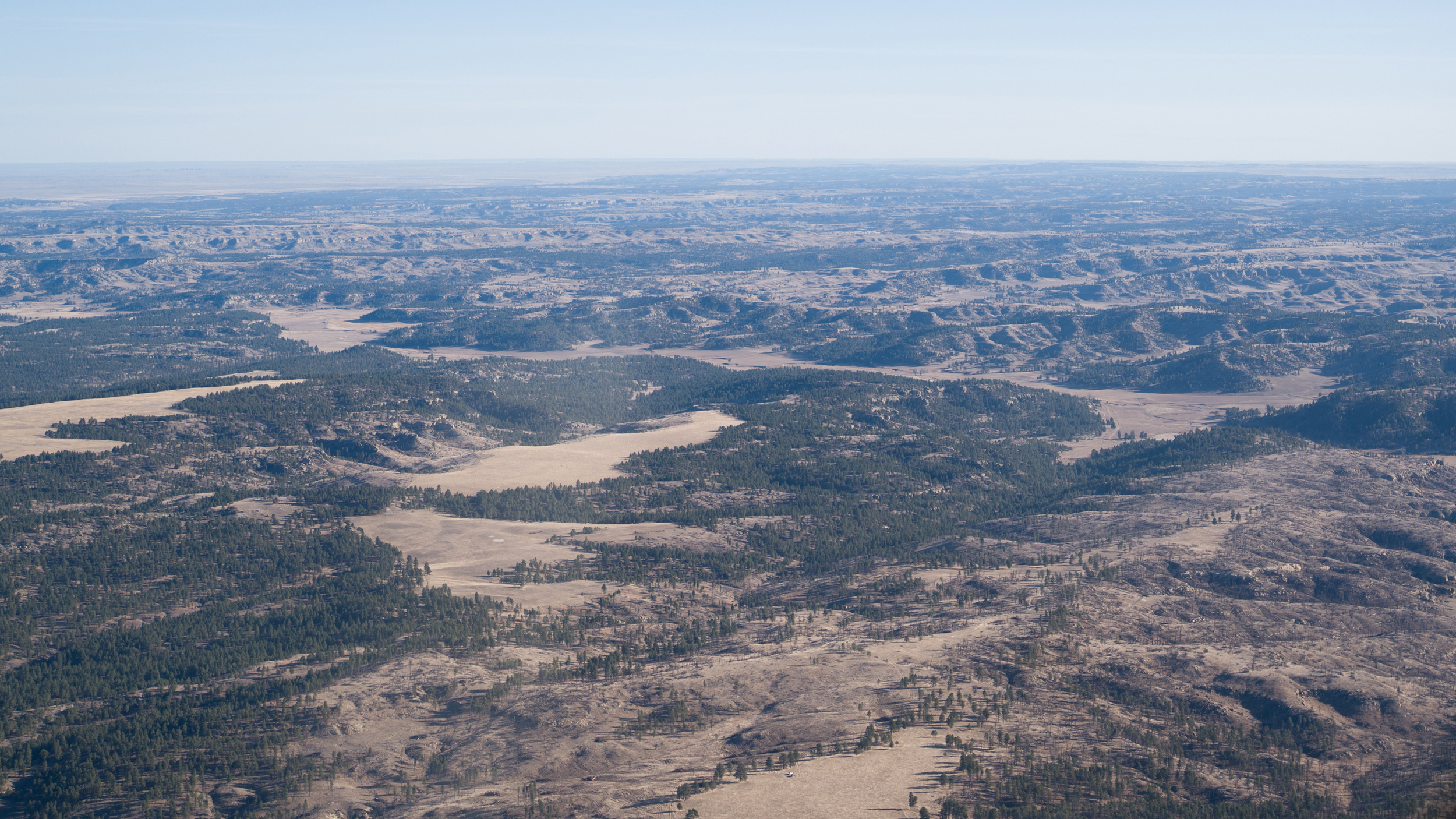
Some of the land Turley owns lies within the prospecting area. Baratta and Thiele’s lands border it.
“If they succeed … we’re screwed,” Thiele said. “All the subdivisions that encircle Parrot Creek Ranch on the northwest side are gonna be screwed, too.”
And “it gets just that much closer to our places,” Baratta added.
Most of Pfister’s old property remains ranchable. She sold it after almost 50 years of ranching, and two decades of witnessing the mine’s environmental disturbances. While she’s tired of dealing with the mine and Signal Peak, she feels lucky: One neighbor had to sell to the mine after losing all his springs, she said.
The mine “has killed ranching in that portion of the Bull Mountains,” she said.
About This Story
Perhaps you noticed: This story, like all the news we publish, is free to read. That’s because Inside Climate News is a 501c3 nonprofit organization. We do not charge a subscription fee, lock our news behind a paywall, or clutter our website with ads. We make our news on climate and the environment freely available to you and anyone who wants it.
That’s not all. We also share our news for free with scores of other media organizations around the country. Many of them can’t afford to do environmental journalism of their own. We’ve built bureaus from coast to coast to report local stories, collaborate with local newsrooms and co-publish articles so that this vital work is shared as widely as possible.
Two of us launched ICN in 2007. Six years later we earned a Pulitzer Prize for National Reporting, and now we run the oldest and largest dedicated climate newsroom in the nation. We tell the story in all its complexity. We hold polluters accountable. We expose environmental injustice. We debunk misinformation. We scrutinize solutions and inspire action.
Donations from readers like you fund every aspect of what we do. If you don’t already, will you support our ongoing work, our reporting on the biggest crisis facing our planet, and help us reach even more readers in more places?
Please take a moment to make a tax-deductible donation. Every one of them makes a difference.
Thank you,

Jake Bolster
Reporter, Wyoming and the West
Jake Bolster reports on Wyoming and the West for Inside Climate News. Previously, he worked as a freelancer, covering climate change, energy, and the environment across the United States. He holds a Masters in Journalism from Columbia University.