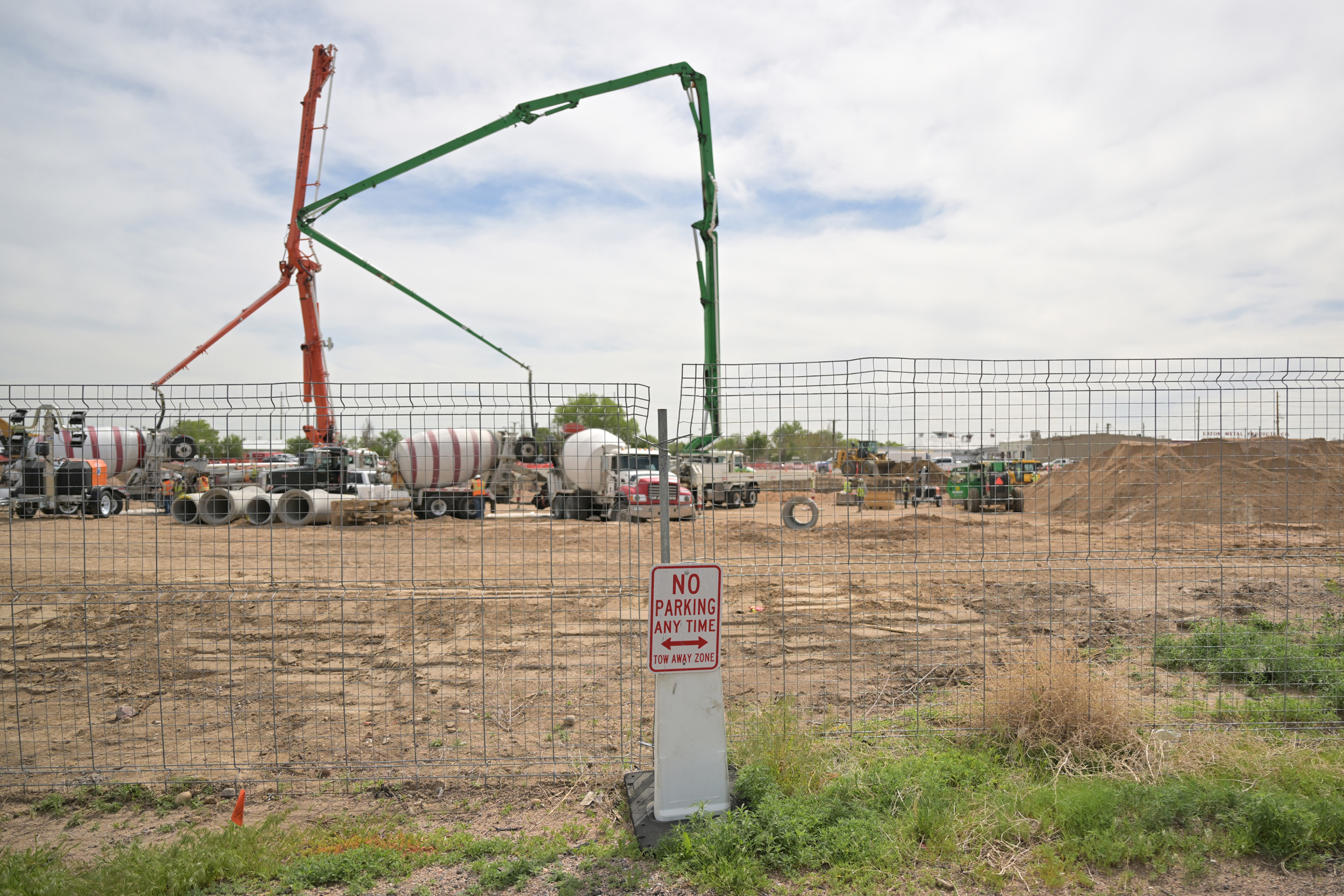


More than 200 environmental organizations signed a letter to Congress supporting a national moratorium on the approval and construction of new data centers. The letter, sent Monday, highlights these centers’ impacts on water resources, electricity rates and greenhouse gas emissions.
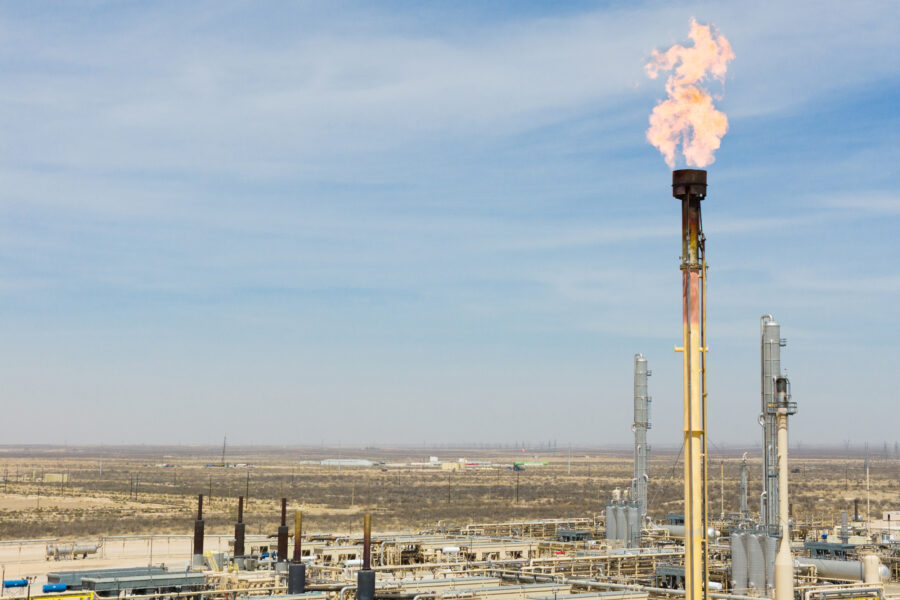
Data centers often suck up large amounts of water to cool their computers. They require a lot of electricity to run their servers, often leading to higher regional utility rates and upgrades to the electricity grid to accommodate them. Some utilities are planning to build natural gas plants to serve the new load, while some data-center companies are even building their own plants, increasing local greenhouse gas emissions.
It is near-impossible to paint a complete picture of the energy and water use of data centers, and the corresponding climate impacts, given the limited data that companies provide. A November study in the journal Nature Sustainability predicted that, depending on the speed of expansion, the artificial intelligence industry could emit as much carbon dioxide each year as 10 million cars, Inside Climate News reported.
People across the country, from New York to Alabama, have opposed data center developments in their neighborhoods—with varying degrees of success. The letter states that environmental groups want to stop these developments until “adequate regulations can be enacted to fully protect our communities.”
In a prepared statement, Eric Weltman, senior New York organizer at Food & Water Watch, said: “It’s prudent that we press the pause button on Big Data’s voracious and expanding appetite for energy and water before it’s too late to prevent massive harm.”
Data-center boosters have touted the economic benefits of new construction, including tax revenue increases for local governments and new jobs for residents.
In October, Dan Diorio, the vice president of state policy at the Data Center Coalition, told NPR that companies are trying to reduce their water consumption, and to ensure they pay “the full cost of service for electricity.”
In New York, state leadership has taken a mainly supportive stance on data center development—Gov. Kathy Hochul recently told Bloomberg News that she wants to “let the tech industry know this is the place you want to be.”
But some communities in upstate New York have opposed data center development, particularly cryptocurrency mines that consume large amounts of energy to create bitcoin for profit. More recently, a potential AI data center in Lansing, a town near the state’s Finger Lakes region, has residents concerned about rising electricity costs and environmental problems.
“These slick corporations come into unsuspecting communities with the promise of job creation and tax revenues,” said Yvonne Taylor, the vice president of Seneca Lake Guardian, an organization that fights data centers near the Finger Lakes, and president of the National Coalition Against Cryptomining, which opposes them across the country.
Both organizations signed the letter. “The fact of the matter is that all of these machines … they’re all fully automated, and it doesn’t require a lot of people, so there aren’t a lot of jobs that are created, but the community is left with the consequences, including increased energy bills,” she said.
In Southern states, despite a largely supportive regulatory environment, some communities have mounted strong opposition to proposed data centers. In Bessemer, Alabama, the city council voted to rezone agricultural land to allow the construction of a new data center. This decision has divided the community, which is concerned about electricity rates, water use and potential air pollution from the on-site backup diesel generators.
Data centers use up so much power in certain states, like Virginia, that the regional electric grid operator will need to upgrade the transmission system that is essentially the backbone of the grid, according to Eric Gimon, an independent consultant who works as a technical expert and policy adviser with Energy Innovation, an energy and climate policy think tank.
Consumers usually subsidize those changes. A 2024 report from Virginia’s legislative watchdog agency found that households there could see their bills increase by an estimated $14 to $37 monthly by 2040 as a result.
Data centers’ high power usage also pushes up the forecasts for peak demand—the highest demand possible for a region’s grid. This can also affect household electricity rates.
“For all these things, there are solutions,” said Gimon. “It’s just a question of demanding the solutions get implemented.”
About This Story
Perhaps you noticed: This story, like all the news we publish, is free to read. That’s because Inside Climate News is a 501c3 nonprofit organization. We do not charge a subscription fee, lock our news behind a paywall, or clutter our website with ads. We make our news on climate and the environment freely available to you and anyone who wants it.
That’s not all. We also share our news for free with scores of other media organizations around the country. Many of them can’t afford to do environmental journalism of their own. We’ve built bureaus from coast to coast to report local stories, collaborate with local newsrooms and co-publish articles so that this vital work is shared as widely as possible.
Two of us launched ICN in 2007. Six years later we earned a Pulitzer Prize for National Reporting, and now we run the oldest and largest dedicated climate newsroom in the nation. We tell the story in all its complexity. We hold polluters accountable. We expose environmental injustice. We debunk misinformation. We scrutinize solutions and inspire action.
Donations from readers like you fund every aspect of what we do. If you don’t already, will you support our ongoing work, our reporting on the biggest crisis facing our planet, and help us reach even more readers in more places?
Please take a moment to make a tax-deductible donation. Every one of them makes a difference.
Thank you,

Lauren Dalban
Reporter, New York City
Lauren Dalban is a New York City-based reporter with a background in local journalism. A former ICN fellow, she now covers environmental issues in all five boroughs. Originally from London, she earned a B.A. in History and English from the University of Virginia, and an M.S. from Columbia Graduate School of Journalism.