

Pennsylvania’s environmental regulator will study a plan to sharply increase the distance between new natural gas drilling sites and homes, schools and hospitals.
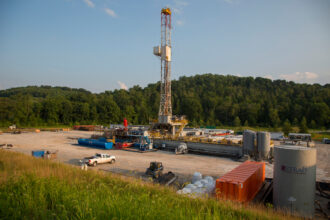
That development follows a vote Tuesday by the state’s Environmental Quality Board, which adopts regulations by the Department of Environmental Protection. The board approved a petition by two environmental groups for the department to formally review a proposed regulation that would increase from the current 500 feet the minimum distance that gas pads can be built from certain sensitive locations.
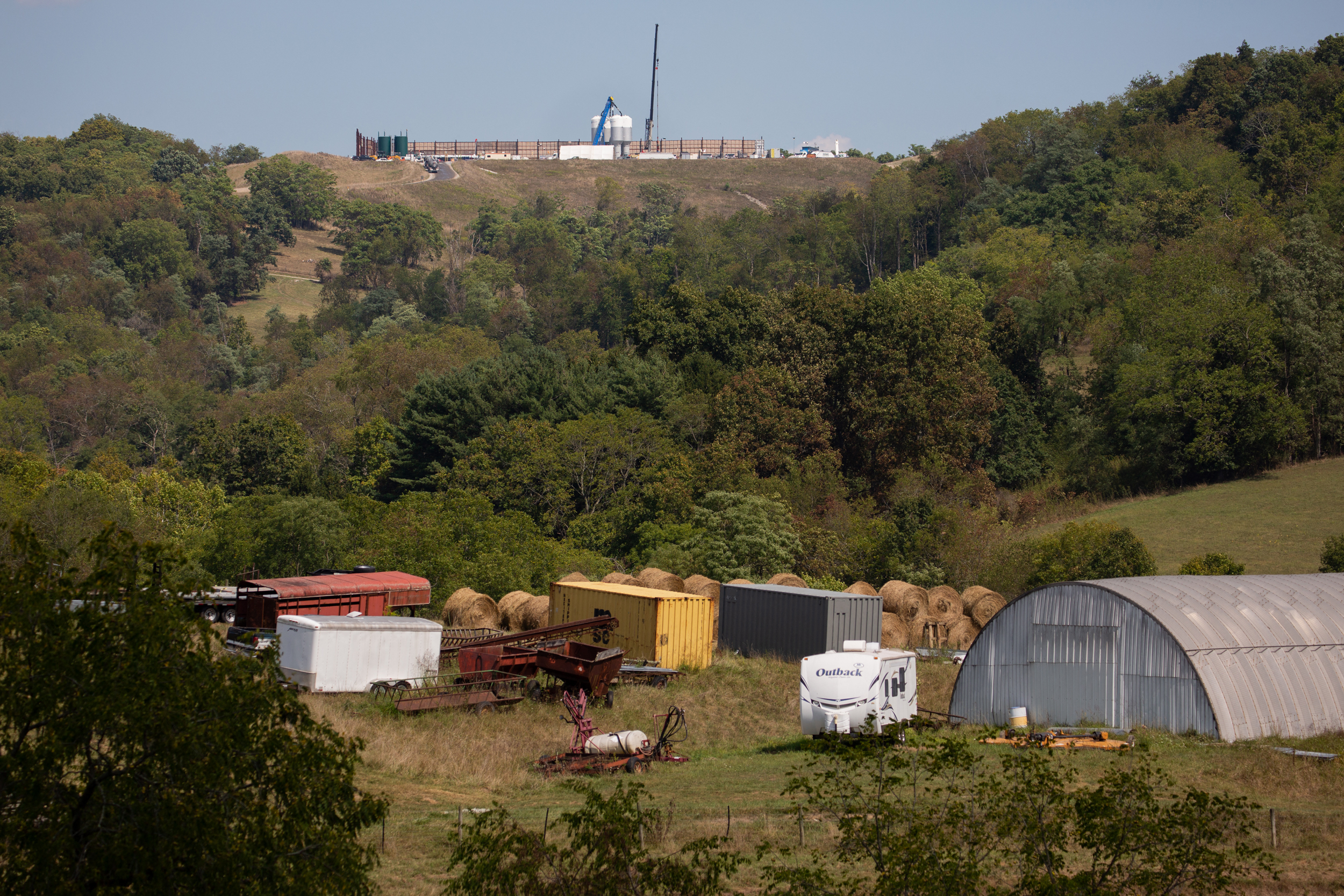
The proposal calls for the setback from homes to increase to 3,281 feet (1 kilometer) and from schools and hospitals to 5,280 feet (1 mile). The rule would also ban new gas development within 750 feet of a surface water body.
The proposed setbacks are a response to mounting evidence that the closer people live to gas wells, the more likely they are to develop health problems, ranging from respiratory illnesses to certain cancers. The gas industry denies any link between its activities and illness, and is pressing back hard against the change.
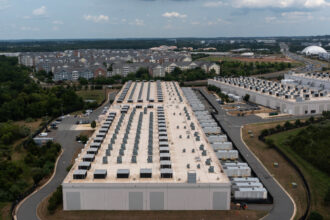
Industry groups argued that extending the setbacks to that extent would represent an effective ban on new gas drilling in a state that is the second-biggest producer after Texas, and which is expected to see a big increase in drilling to meet heavy new power demand from planned data centers.
The vote is “dangerous and short-sighted” and sends a chilling message to consumers, landowners and investors, said Jim Welty, president of the Marcellus Shale Coalition, a trade group for the state’s gas industry, in a statement.
The Department of Environmental Protection, which earlier recommended that the state board vote for a formal review, is now due to evaluate the petition in the next 60 days unless it asks for more time. After the review, the agency will come back to the EQB with a recommendation, and that panel will make a final decision on the matter.
The 12-5 vote Tuesday is a victory for the environmental groups that proposed the changes in October 2024 and waited more than a year for a response by the EQB. The Environmental Integrity Project and Clean Air Council’s petition was earlier tabled by the panel amid strong opposition by fossil-fuel interests.
“EQB took an important step today to protect the people of this Commonwealth from fracking pollution,” Lisa Hallowell, senior attorney with the Environmental Integrity Project, said in a statement. “We hope DEP and EQB move quickly to require the minimum setbacks the petition seeks so that no more families have to suffer the health effects that have been documented in dozens of studies as a result of the woefully inadequate current setback distances.”
Advocates argued that the existing 500-foot minimum setback distance between gas drilling pads and homes has been linked to serious illnesses, including respiratory, neurological and muscular problems and infant-health disorders.
In 2023, a study by the University of Pittsburgh on behalf of the state found that children living within a mile of a natural gas fracking well were up to seven times more likely to suffer from lymphoma, a rare kind of cancer, than those who had no such wells within 5 miles of their homes.
That study is one of about 2,300 from around the world asserting links between fracking and ill health, as compiled in a “compendium” by the nonprofits Physicians for Social Responsibility and Concerned Health Professionals of New York.
Environmental advocates say that the rule change would not end fracking in Pennsylvania because it would only apply to new wells, where gas is extracted by hydraulically fracturing shale beds thousands of feet below the surface. The state says about 13,000 such wells had been drilled in Pennsylvania’s gas-rich Marcellus Shale by the end of 2023.
The advocates argued that EQB is required under Pennsylvania’s Oil and Gas Act to “protect safety and property rights” in areas where oil and gas development or production occurs. The petition cited two other laws that it said gives the board “clear authority and a mandate” to act on the petition.
But the Marcellus Shale Coalition denied the board has the authority to act. The coalition argued that the DEP has avoided petitions to the EQB in the past because the board doesn’t have that authority.
The trade group said the current setback requirements, required by Pennsylvania statute, are “the strictest and most protective” among the top five natural gas-producing states.
The coalition also accused the DEP of “abdicating” its responsibility to manage the industry by referring the issue to the EQB.
Another attack came from 49 state lawmakers, all Republicans, who urged the EQB to reject the petition on the grounds that it would “render the vast majority of the Commonwealth off-limits” to natural gas development.
“We have worked to provide the department with additional staff and resources in recent budgets to help streamline the permitting process and increase the competitiveness of our Commonwealth,” the lawmakers wrote to EQB chair Jessica Shirley, who is also the secretary of the DEP. “That some of these staff and resources would now be utilized to study and contemplate new regulations that would effectively ban energy development is beyond the pale.”
The Pennsylvania branch of the American Petroleum Institute, another trade group, also said the proposed setbacks would “function as a de facto ban” on gas development and would “impede Pennsylvanians’ ability to responsibly develop their private mineral rights.”
The group said the larger setback from homes would block production across an area 43 times larger than that protected by the current 500-foot rule.
About This Story
Perhaps you noticed: This story, like all the news we publish, is free to read. That’s because Inside Climate News is a 501c3 nonprofit organization. We do not charge a subscription fee, lock our news behind a paywall, or clutter our website with ads. We make our news on climate and the environment freely available to you and anyone who wants it.
That’s not all. We also share our news for free with scores of other media organizations around the country. Many of them can’t afford to do environmental journalism of their own. We’ve built bureaus from coast to coast to report local stories, collaborate with local newsrooms and co-publish articles so that this vital work is shared as widely as possible.
Two of us launched ICN in 2007. Six years later we earned a Pulitzer Prize for National Reporting, and now we run the oldest and largest dedicated climate newsroom in the nation. We tell the story in all its complexity. We hold polluters accountable. We expose environmental injustice. We debunk misinformation. We scrutinize solutions and inspire action.
Donations from readers like you fund every aspect of what we do. If you don’t already, will you support our ongoing work, our reporting on the biggest crisis facing our planet, and help us reach even more readers in more places?
Please take a moment to make a tax-deductible donation. Every one of them makes a difference.
Thank you,