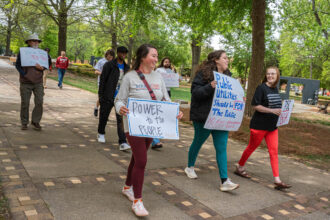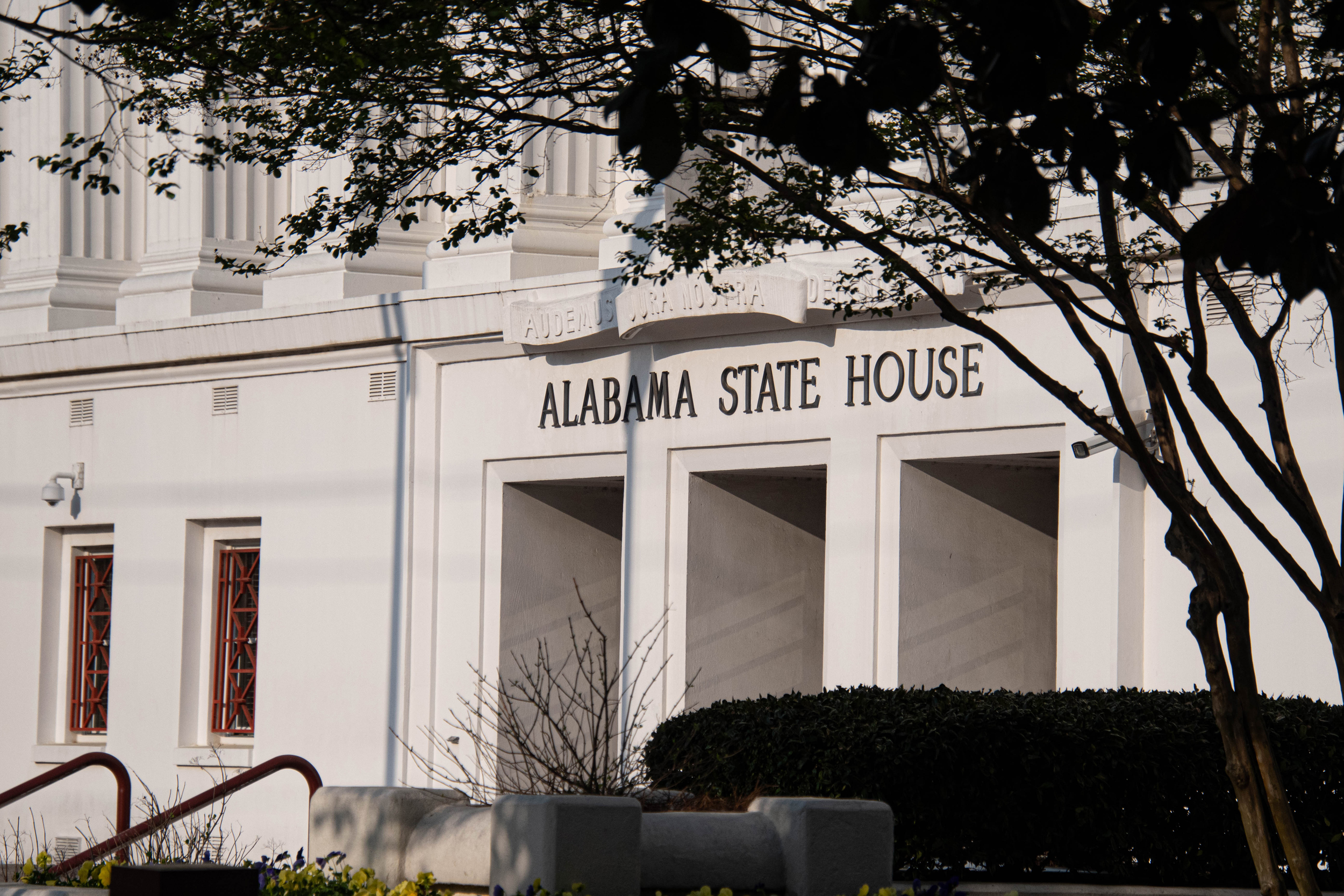


MONTGOMERY, Ala.—Despite setbacks and some significant legislative defeats, Alabama environmentalists’ biggest takeaway from the 2026 legislative session is that growing citizen opposition to weak regulation and high energy prices has put real pressure on elected officials and begun to change the political landscape, slowly but surely.
“This legislative session was one of the most intense and hard-fought we’ve seen,” John Dodd of Energy Alabama said Friday. “We didn’t win every fight, but we proved that these issues can no longer be ignored—and that will shape what comes next.”
Among the most notable bills passed this session was the so-called Power to the People Act, a landmark utility regulation overhaul that many say is a win for Alabama Power, the state’s largest power company and a major political force in the Heart of Dixie.
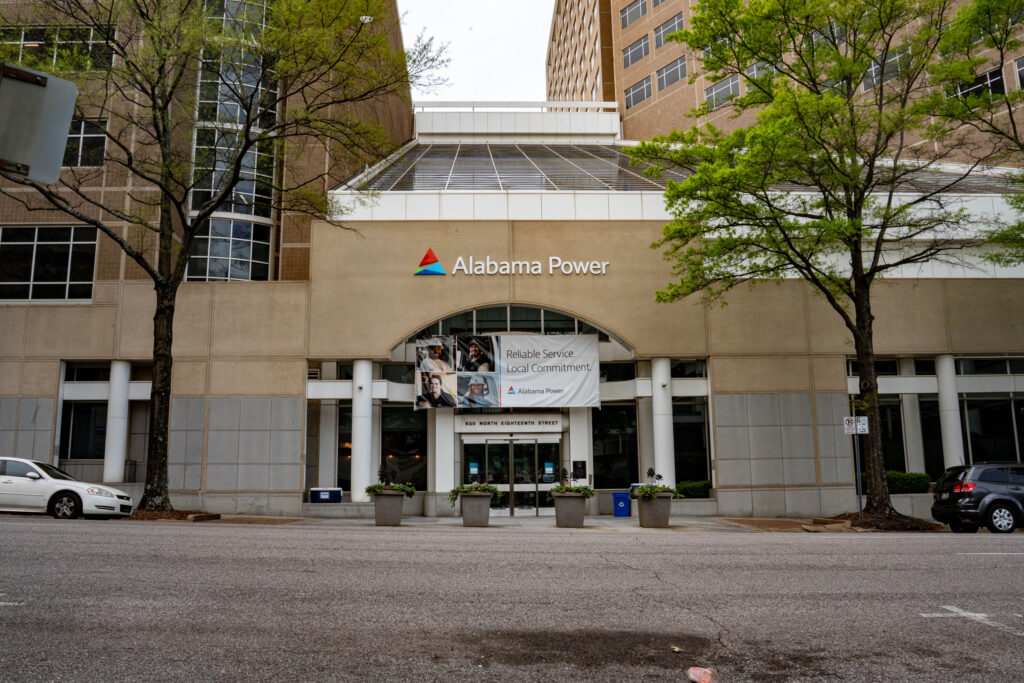
The legislation, signed into law by Gov. Kay Ivey last week, expands the elected membership of the state’s Public Service Commission from three members to seven and consolidates utility regulation oversight that body had solely exercised into a secretary of energy to be appointed by Alabama’s next governor.
The change in PSC composition comes in the wake of Public Service Commission elections in Georgia, where Democrats flipped two GOP seats on platforms focused on lowering ever-increasing energy prices amid a data center boom.
Dodd said that while he’s disappointed that the law passed, he’s proud Alabamians spoke up and defeated an earlier piece of legislation that would have ended PSC elections altogether.
The legislature also notably passed Senate Bill 71, labelled by its authors as the “Sound Science” law, forbidding the state from adopting environmental standards stricter than the federal government’s unless there is evidence of a “direct causal link” between a potential contaminant and “manifest bodily harm” in individuals.
The bill was widely criticized by environmental advocates across the state as unnecessarily limiting regulators’ ability to adopt reasonable standards to protect health and the environment in cases where scientific research shows increased risk of harm.
Late in the session, lawmakers approved an energy tax exemption for commercial greenhouses in the state. The GOP-led body also passed legislation that allows certain nonprofits to oversee and administer funds for improving Alabamians’ home weatherization.
Senate Bill 174 also passed, allowing the state to authorize and regulate the conversion of oil and gas infrastructure like abandoned wells for geothermal use in heating and other purposes. And Senate Bill 270, a measure applauded by environmental groups, gained passage, directing members of the Public Service Commission to consider certain factors in their oversight of contracts between utilities like Alabama Power and data centers, including whether additional costs caused by serving the energy-hungry facilities are passed on to residential ratepayers.
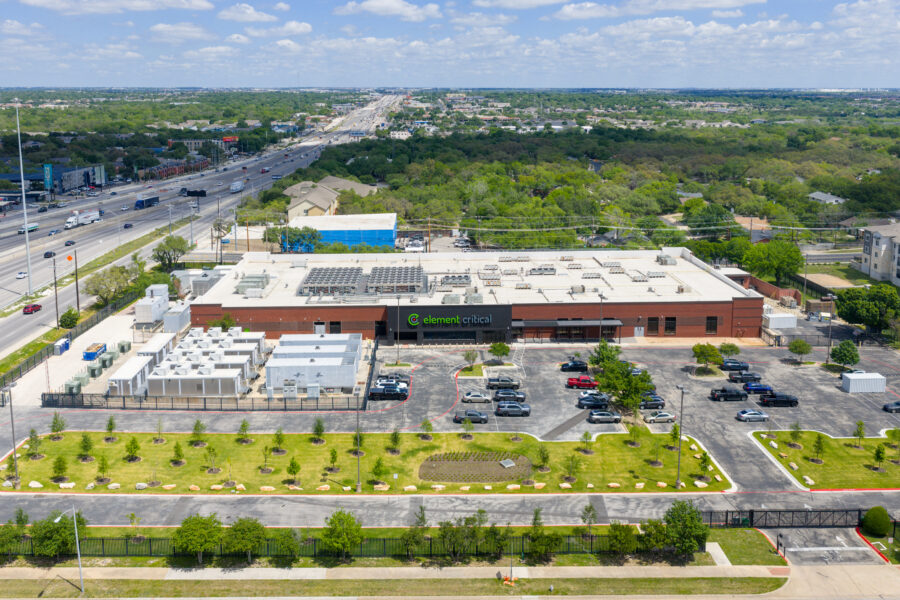
Data center developments, which can also consume significant amounts of water, have continued to pop up across the state despite often vocal resident opposition. If built to capacity, a proposed data center campus in Bessemer, Alabama, would consume more than 10 times the amount of electricity used by every home in nearby Birmingham.

Lawmakers in Montgomery also considered several bills related to environmental issues that ultimately failed to pass one or both chambers before adjournment.
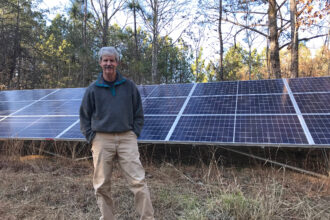
Among those were efforts to stem a solar project in south Alabama’s Stockton community and place a moratorium on solar projects more generally. Residents around the proposed solar farm site have been vocal about their opposition to the development.
Another local effort to halt a development—a carbon capture project in Covington County—failed to gain lawmakers’ final approval.
This story is funded by readers like you.
Our nonprofit newsroom provides award-winning climate coverage free of charge and advertising. We rely on donations from readers like you to keep going. Please donate now to support our work.
Donate NowHouse Bill 512, which would have limited local governments’ ability to jail residents over unpaid garbage bills, died in committee. The proposed legislation was filed in the wake of Inside Climate News reporting that documented the criminal prosecution of residents in Chickasaw, Alabama, over unpaid trash fees.
House Bill 25, a bill that would “prohibit the dispersion of compounds or substances into the atmosphere for the purpose of affecting the weather,” also failed to pass.
Overall, Charles Miller, policy director of the Alabama Rivers Alliance, said that this legislative session showed that Alabamians are paying more and more attention to what’s happening in Montgomery in their name.
“We had a truly unprecedented response from our members on SB 71,” he said, referring to the “Sound Science” law. “We saw Alabamians rally to prevent the Legislature from removing their right to vote for Public Service Commission, and people are starting to kind of connect the dots when it comes to how and why things happen in the statehouse.”
Miller said while he was discouraged by the ultimate passage of the “Sound Science” legislation, he’s happy that lawmakers are taking at least some first steps toward regulating data centers and their impacts on everyday Alabamians.
“They certainly don’t address all of the concerns we have about that industry, but they set the table for future actions, and they show that Alabamians’ concerns and questions about hyperscale or AI data center proposals are legitimate, even if their local elected officials can’t always see that,” Miller said. “We get better outcomes when the public is engaged on these things. We’re turning the tide and starting to win the war.”
Daniel Tait, Energy Alabama’s executive director, said the major changes lawmakers made this session to the way utilities are regulated in the state will be felt for years to come.
And the fight for utility reform in Alabama continues at the start of next year’s legislative session, when legislators will meet in a newly built statehouse under a new governor.
“By July 15, 2026, Gov. Ivey must appoint four new Public Service Commission members,” Tait said. “The next legislative session becomes the next battleground for the real utility bill relief Alabamians were promised and did not get.”
About This Story
Perhaps you noticed: This story, like all the news we publish, is free to read. That’s because Inside Climate News is a 501c3 nonprofit organization. We do not charge a subscription fee, lock our news behind a paywall, or clutter our website with ads. We make our news on climate and the environment freely available to you and anyone who wants it.
That’s not all. We also share our news for free with scores of other media organizations around the country. Many of them can’t afford to do environmental journalism of their own. We’ve built bureaus from coast to coast to report local stories, collaborate with local newsrooms and co-publish articles so that this vital work is shared as widely as possible.
Two of us launched ICN in 2007. Six years later we earned a Pulitzer Prize for National Reporting, and now we run the oldest and largest dedicated climate newsroom in the nation. We tell the story in all its complexity. We hold polluters accountable. We expose environmental injustice. We debunk misinformation. We scrutinize solutions and inspire action.
Donations from readers like you fund every aspect of what we do. If you don’t already, will you support our ongoing work, our reporting on the biggest crisis facing our planet, and help us reach even more readers in more places?
Please take a moment to make a tax-deductible donation. Every one of them makes a difference.
Thank you,

Lee Hedgepeth
Reporter, Alabama
Lee Hedgepeth is Inside Climate News’ Alabama reporter. Raised in Grand Bay, Alabama, a small town on the Gulf Coast, Lee holds master’s degrees in community journalism and political development from the University of Alabama and Tulane University. Lee is the founder of Tread, a newsletter of Southern journalism, and has also worked for news outlets across Alabama, including CBS 42, Alabama Political Reporter and the Anniston Star. His reporting has focused on issues impacting members of marginalized groups, including homelessness, poverty, and the death penalty. His award-winning journalism has appeared in publications across the country and has been cited by the New York Times, the Wall Street Journal and the Washington Post, among others.