

OKMULGEE, Okla.—There are a few truisms in the oil and gas industry: It is crowded with prodigious egos, there is always a boom around the corner and some industry operators aren’t above walking away from their mess at played-out well sites.
Abandoning wells is a deliberate technique to pad marginal oil and gas operators’ profits by dodging cleanup costs. In December, for instance, the New Mexico attorney general sued three Texas oilmen, accusing them of selling more than 500 unproductive wells to shell companies created for the purpose of declaring bankruptcy to avoid remediation costs.
Many of the millions of wells left derelict throughout oil-producing states are abandoned, often unplugged and polluting, some with owners of record and others, orphans with no known owner responsible for cleaning them up. In 2023 the Environmental Protection Agency estimated that there are around 3.7 million abandoned and orphaned oil and gas wells—AOOG for short—in the U.S., out of about 4 to 5 million that have been drilled since 1859.
The EPA says 58 percent of abandoned wells it has logged are not plugged. A significant number of the rest were sealed so poorly, or so long ago, that their plugs are failing today.
The federal Orphaned Wells Program, using data compiled by the Interstate Oil and Gas Compact Commission, has documented 141,000 orphaned wells nationally and estimates there are an additional 250,000 to 740,000 out there, somewhere.
To make a tiny dent in the nation’s number of derelict orphans, a modest organization is plugging wells and remediating well sites. Because, as Curtis Shuck, the Well Done Foundation’s chairman, declares to anyone who will listen, “Doing the right thing is still the right thing to do.” WDF raises money and awareness to deal with the problem, and the staff of its subsidiary, Well Done, applies for grants, works on site and hires subcontractors to plug, cap and remediate wells. The effort pushes back against what Shuck’s safety supervisor and heavy equipment operator, Dominic Morgan, calls the industry’s “set it and forget it” attitude.
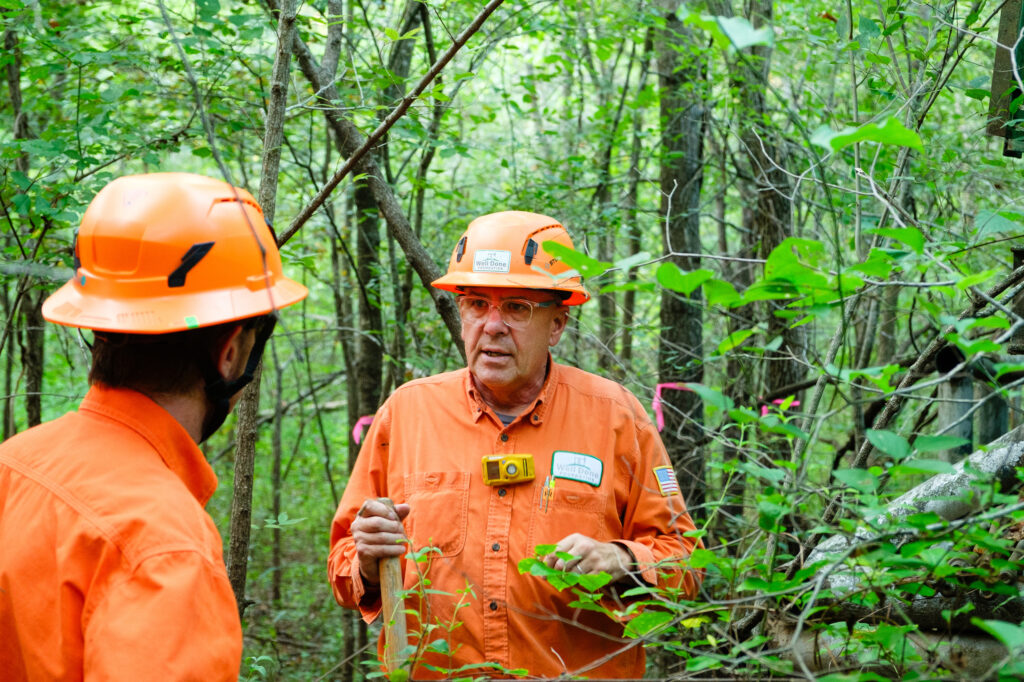
Shuck is, essentially, the P.T. Barnum of AOOG wells—an avowed showman operating a complicated circus. He says he walks “a very fine line between industry and environmental communism,” working side-by-side with state employees and contractors from the oil and gas industry, sometimes smoothly, sometimes not.
Plugging wells is just “putting cement in a hole,” Shuck said. But the reality on the ground is more complicated.
Sealing wells is loud, foul-smelling, dirty and dangerous—not very different from drilling them except for the lack of an economic incentive to do the work.
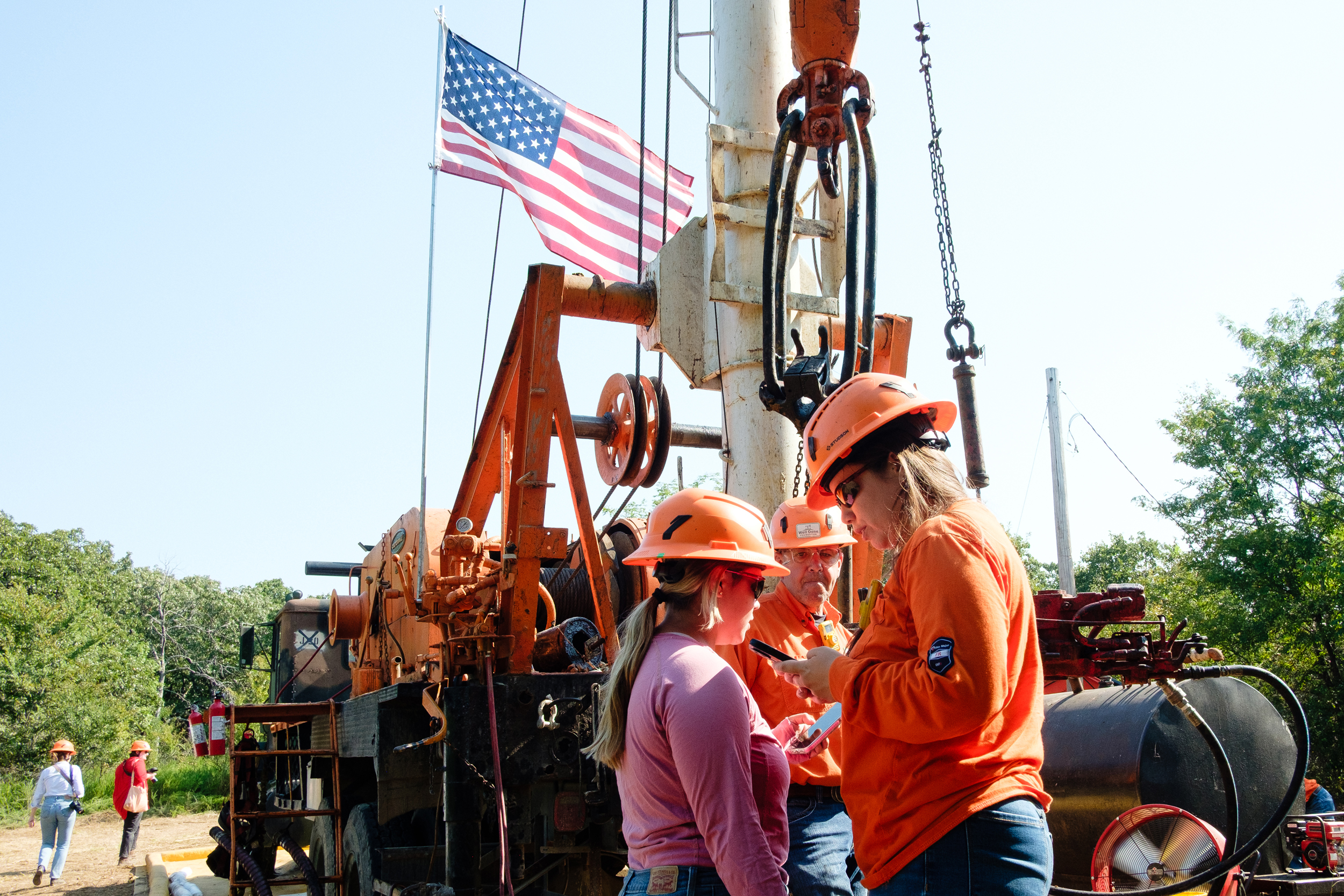
In August, heat indexes regularly exceeded 110 degrees Fahrenheit and scant breeze penetrated the dense tangle of trees surrounding the Doneghy #2 well in the Deep Fork National Wildlife Reserve near Okmulgee, Oklahoma. The muggy air was heavy with diesel and gasoline exhaust from constantly running trucks and generators mixed with the smell of crude and gases escaping the well head. Containment trays, cables and hoses lay everywhere, the machinery’s din was unrelenting and construction fans failed to cool anyone off.
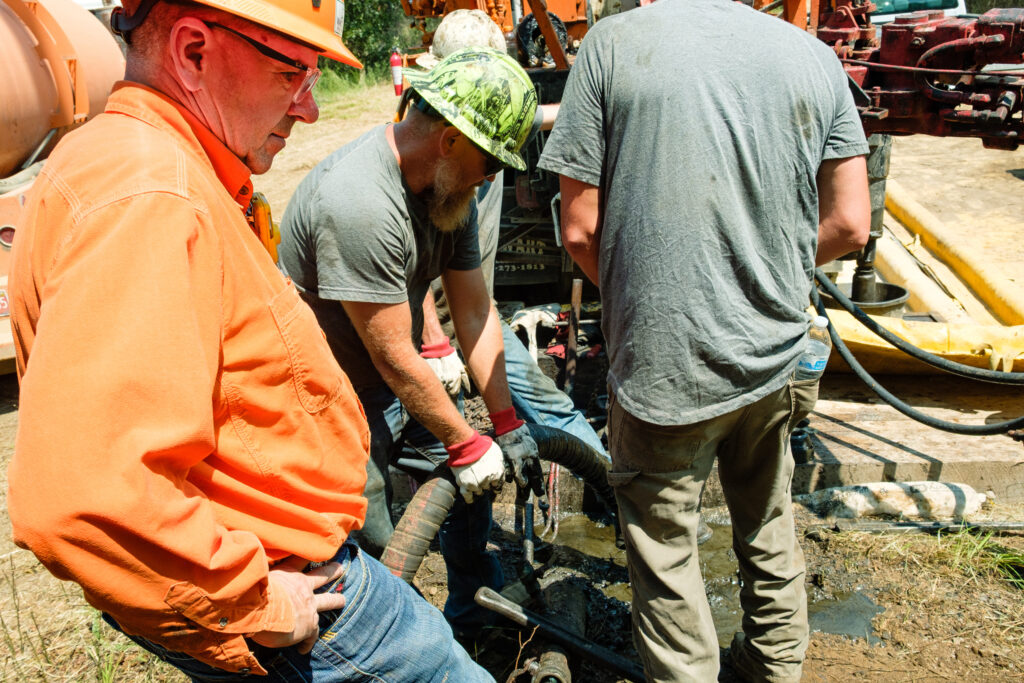
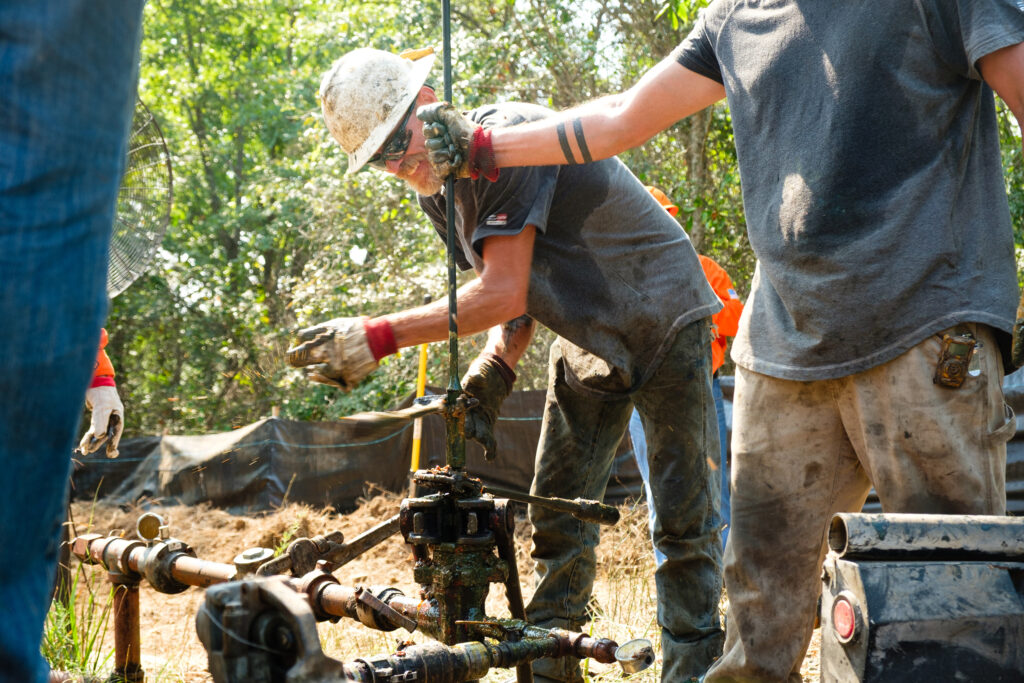
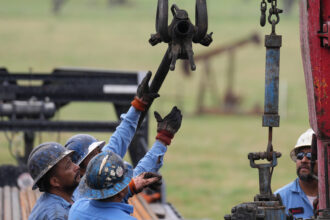
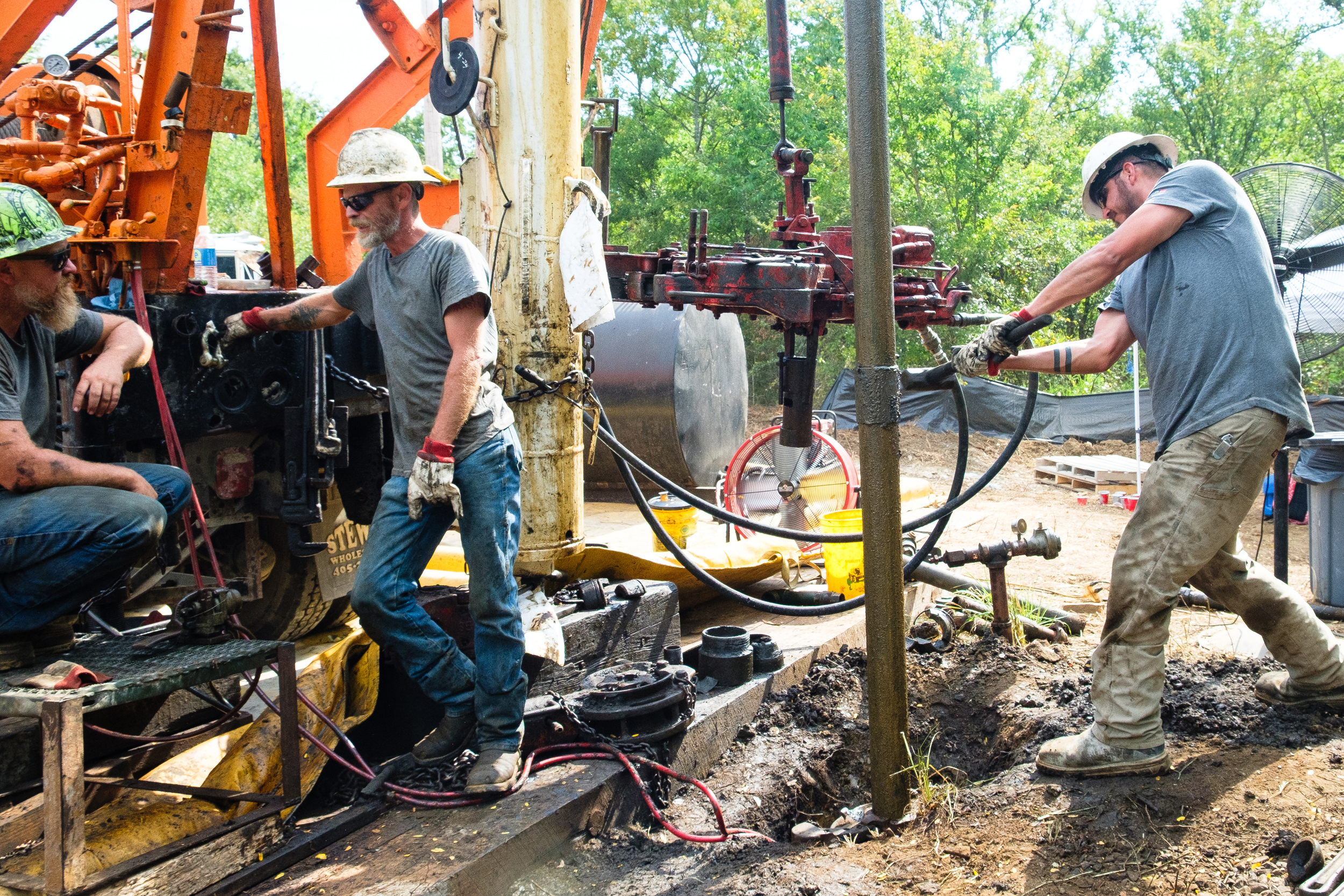
Curtis Shuck watches as the Doneghy #2 well percolates contaminated brine under pressure and a roughneck aided by a roustabout removes pump rod from the well prior to its plugging. Over 2,500 feet deep, the well was opened in 1978 and pumped 150,000 cubic feet of natural gas daily before being sold in 1999 to an operator working marginal wells in the area, and sold again in 2007.
An Old, Pervasive and Toxic Problem
In a 2023 peer-reviewed study, researchers led by McGill University civil engineer Mary Kang estimated that 13 percent of Americans—about 4.6 million people—live within about a half-mile of an AOOG well. “These wells have the potential to contaminate water supplies, degrade ecosystems, and emit methane and other air pollutants … present[ing] risks to climate stability and to environmental and human health,” the study stated.
State oil and gas regulators’ documentation of old wells is so poor that paper trails offer little likelihood of determining if a well was adequately plugged, so Shuck presumes that AOOG wells weren’t appropriately sealed, if they were remediated at all. In the eight states Well Done has worked, its crews have pulled everything from rocks and debris to a cannonball from haphazardly plugged wells.
Each abandoned or orphaned well is a mystery that unravels as it’s plugged.
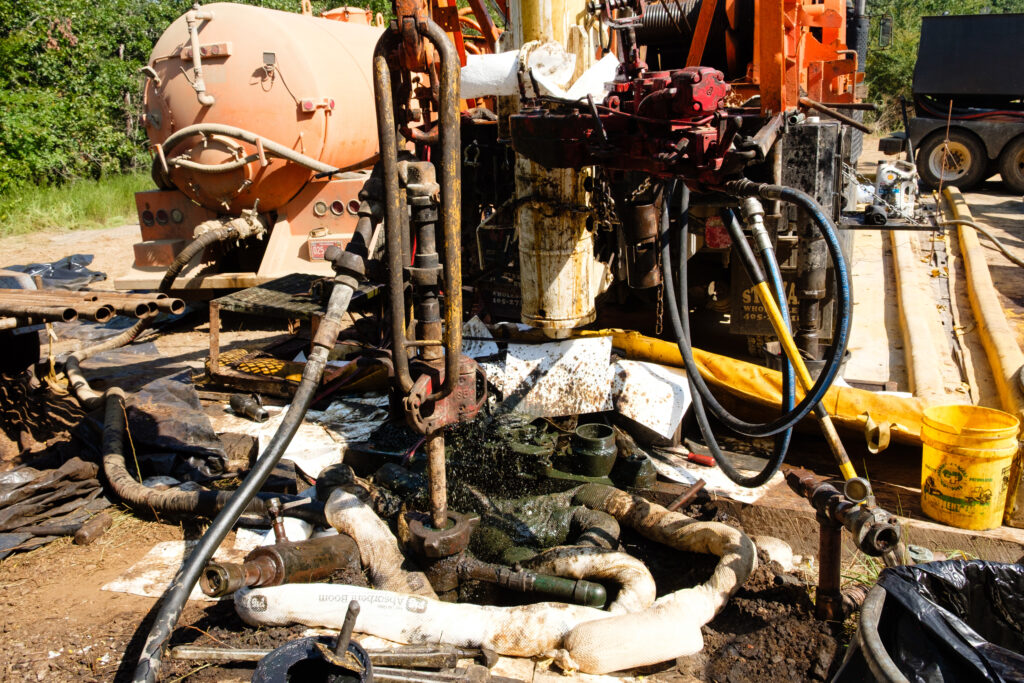
Some are relatively inert on their own, but other unplugged wells might vent hydrocarbons like methane, volatile organic compounds like the carcinogen benzene or deadly gases like hydrogen sulfide. Some leak oil, or a brine called “produced water” contaminated with heavy metals, chemicals or radioactivity. Some pollute underground aquifers or nearby surface waters. Others create their own noxious lakes. Changing subterranean conditions can make previously stable AOOG wells vent or leak.
Wastewater from oil and gas production is typically disposed of by pumping it into spent, adjacent oil and gas wells, but overpressurized underground disposal reservoirs can force it back to the surface where it can disrupt production from other oil and gas wells.
In addition to fouling nearby waterways, groundwater, air and ecosystems, AOOG wells contribute to the greenhouse gas pollution that drives global warming. According to the EPA’s 2024 assessment of greenhouse gas emissions, AOOG wells spewed 303 kilotons of methane, ranking fifth among the nine methane emitters in the U.S. energy sector.
Historically lax oil and gas industry regulation, including the ongoing failure to require producers to pay surety bonds that reflect the true costs of plugging wells, has led to a proliferation of AOOG wells, most of them unplugged. Some don’t have a responsible party after their operators declared bankruptcy, while others date back to between the 1800s and 1950s, when the hazards of unplugged wells weren’t recognized. Often, state and federal politicians sympathetic to the oil and gas industry have prevented or blunted statutory changes to well-bonding obligations, allowing marginal operators to keep walking away from spent wells.
Federal well-bonding regulations hadn’t changed in almost 40 years when the Bureau of Land Management finalized an update to onshore oil and gas leasing to bring public lands bonding requirements in line with contemporary well remediation costs in 2024. The new bonding rules were due to go into effect this June, but in December, the agency extended the deadline for compliance while the DOI proposed the rule’s recission.
“The Department of the Interior is actively evaluating the Bureau of Land Management’s bonding rule under Executive Order 14154,” a department spokesperson told ICN. “It would be premature to interpret a proposed rescission and extensions as a determination that the current bond levels constitute a burden.”
Kathleen Sgamma, the former president of the Western Energy Alliance and now a land-use consultant, called the BLM regulatory revisions “a rule in search of a problem.” At the time of the regulatory update’s proposal, she said, “the BLM was reporting 37 orphan wells on BLM lands.”
The 2024 Biden administration rule change, however, affects not only lands managed by the BLM, but all federal lands. The 2023 Orphaned Wells Program (OWP) report cites 599 federal orphans in its database.
And orphans are not just a federal problem. Karr Ingham, president of the Texas Alliance of Energy Producers, acknowledged to Houston Public Media last year that some troublesome Texas AOOG wells have created “lakes of dirty water.”
“Inactive wells are virtually never an environmental problem on their own,” Ingham added, “because they remained under the control and ownership, responsible ownership, of a current operator licensed to do business in the oil and gas industry in Texas.”
But more than 8,000 wells have been inactive for more than a year under delinquent ownership in the state. Between 2021 and 2024, the Texas Railroad Commission, the state’s oil and gas regulator, added 2,139 wells to its roster of abandoned and orphaned wells.
“A goodly number of wells were added in a chunk” Ingham said of TRC’s increased AOOG, in part, due to the OWP funds.
Ingham sees the scrutiny that the Orphaned Wells Program brought to Texas’ AOOG wells, and the public’s rising awareness of the wells and produced water, as helping move the Texas legislature to act. It did so last year, setting a 15-year limit on operator’s idle wells. Texas Governor Greg Abbot also signed other legislation in June 2025 that set aside $100 million to plug orphaned wells, acknowledging the state’s burden.
“When pricing is terrible keeping a well running [is] simply uneconomic,” moving wells to idle lists, Ingham said. When market conditions don’t improve, as happened with natural gas during the decade following the Great Recession, some of those wells’ owners can’t fulfill inactive well maintenance requirements and become delinquent.
Given the millions of AOOG wells in the U.S., no one outfit will substantially reduce the problem, and Shuck concedes that the Well Done Foundation is in the “inspiration and hope” business.
“Oftentimes climate change is so overwhelming people feel that nothing they do, or can do, will matter,” he said. “If I can do this as an individual, having impact, a career, that provides something that’s bigger than just myself, then I hope that instills some hope with folks that, ‘OK, maybe I can do something.’”
“It doesn’t mean that they need to plug wells,” he continued. “It just means they need to do something.”
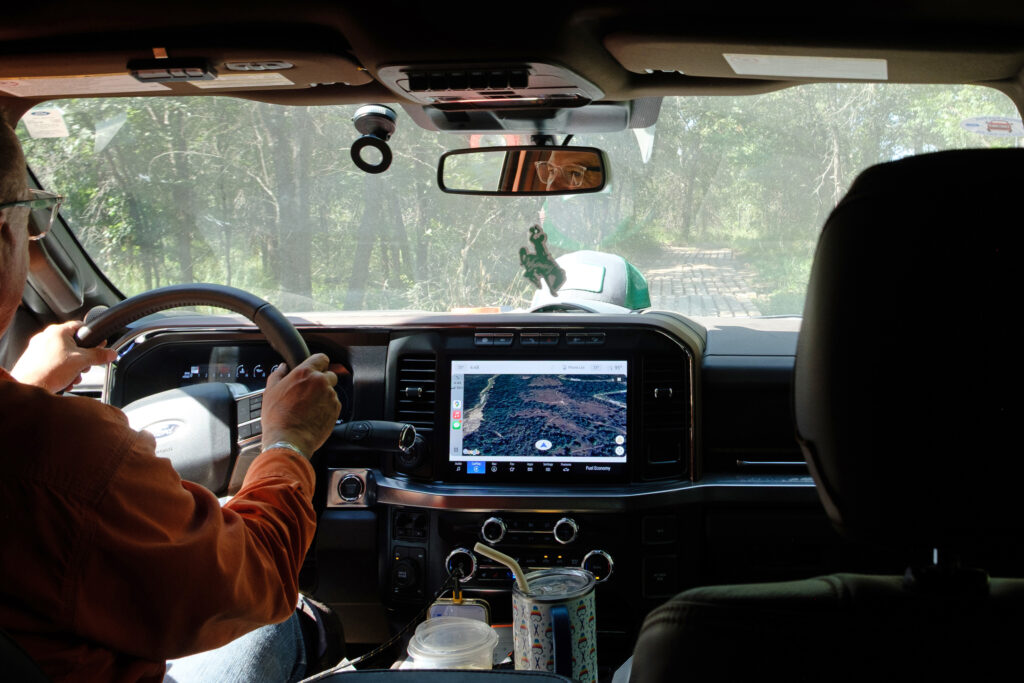
Shuck spends about as much time driving between wells he’s plugging as a long-haul trucker. Previously he managed facilities at the Port of Los Angeles and was the senior sales director of the Port of Vancouver USA. He left oil field services consulting and brokering petro-industry rail shipments for plugging.
“I may have thought I was out there to change the world, the reality is that it was actually changing me,” he said. “I’m the beneficiary at the end of the day.”
“A Very Volatile Situation Right Now, Politically”
On Dec. 20, 2024, the U.S. Fish and Wildlife Service (USFWS) awarded Shuck’s Well Done plugging venture a $19.3 million grant under its National Wildlife Refuge System Enhancements program. The grant was funded by President Joe Biden’s Infrastructure Investment and Jobs Act (IIJA) “to restore and conserve habitat by plugging … and reclaiming 111 orphaned well sites on at least 5 national wildlife refuges.”
But a month later, the OWP’s $4.7 billion IIJA-financed plugging effort encountered resistance—on the day he was inaugurated for his second term, President Donald Trump signed his “Unleashing American Energy” executive order. That directed “the removal of impediments imposed on the development and use of our Nation’s abundant energy.” By April, the U.S. Department of the Interior paused dispersal of plugging and capping funds to oil-producing states that clearly wanted the money—26 of 32 of them had applied for the funding, including the five states that produce the majority of all U.S. crude: Texas, Alaska, New Mexico, North Dakota and Colorado.
This story is funded by readers like you.
Our nonprofit newsroom provides award-winning climate coverage free of charge and advertising. We rely on donations from readers like you to keep going. Please donate now to support our work.
Donate NowIn total, the 26 states listed 126,806 AOOG wells on state or private land that would cost more than $9 billion to plug, an average of nearly $72,500 per well.
IIJA state grant plugging money is moving again, but state and federal agencies Inside Climate News talked to are concerned any attention to ongoing IIJA-funded well remediation might shut the tap.
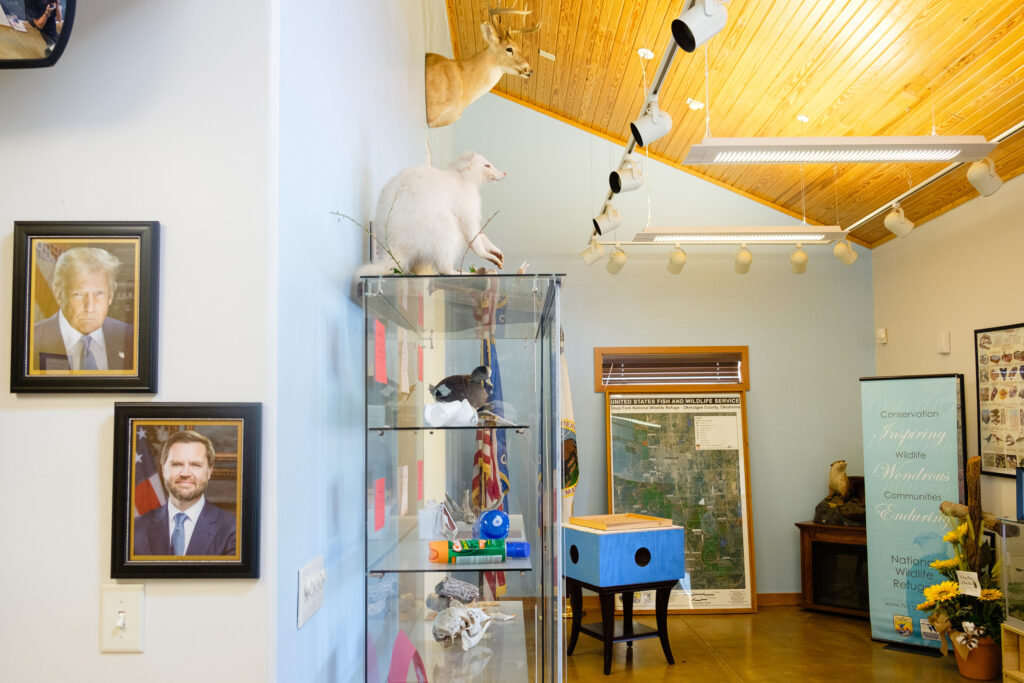
The federal Office of Management and Budget did not respond to questions about the program’s continued funding. A Department of the Interior spokesperson said the department “remains committed to carrying out the Orphaned Wells Program as Congress directed.”
The OWP’s 2025 report to Congress showed its work plugged over 10,000 orphaned wells and supported an estimated 5,217 jobs at a cost of $479.9 million that year. The previous year’s report recorded the program contributing $861.3 million to GDP, an economic knock-on effect from the program’s 2024’s $609.6 million cost.
On its application to the capping program under Biden’s IIJA, the Oklahoma Corporation Commission said that it would cost just over $500 million to “to plug, reclaim, or decommission” 17,865 abandoned and orphaned wells it had records of on state or private land—budgeting about $28,100 per well.
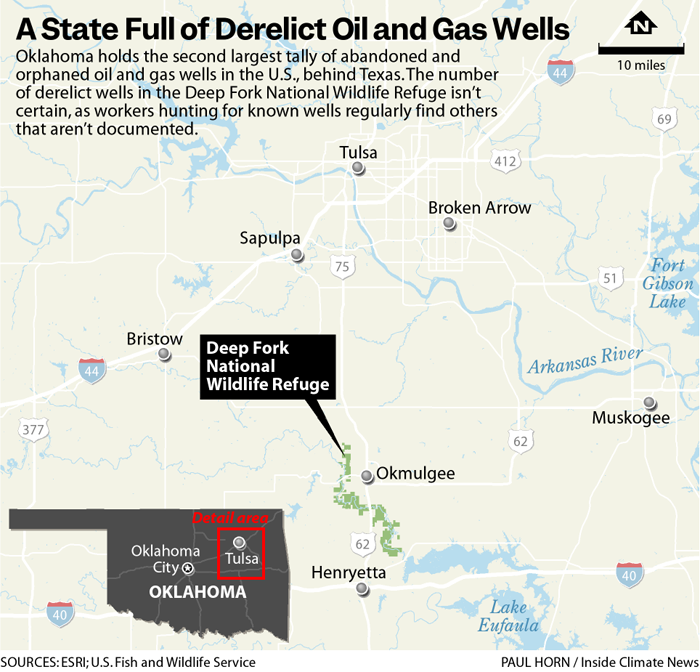
But Well Done’s grant-funded work in southeast Oklahoma is in the Deep Fork National Wildlife Refuge, federal land not included in the state’s IIJA plugging application or its count of AOOG wells. Because refuge well plugging was managed by the federal USFWS, Well Done was able to plug its 50th AOOG well in 2025, even as Interior stalled its IIJA program funding to states. It was its first well remediation in the Deep Fork.
USFWS hasn’t publicized the well plugging in Deep Fork and declined to comment about the refuge, established in 1993.
“We have a very volatile situation right now, politically, nobody wants to raise their head out of the foxhole,” Shuck said before declaring that he’s “in the get-shit-done business.”
Well Done plugged 29 wells in its first 11 months in the refuge.
The exact number of wells in the refuge is unknown, but USFWS logged roughly 500 Deep Fork orphans in its preliminary environmental impact statement for Well Done’s grant-award plugging.
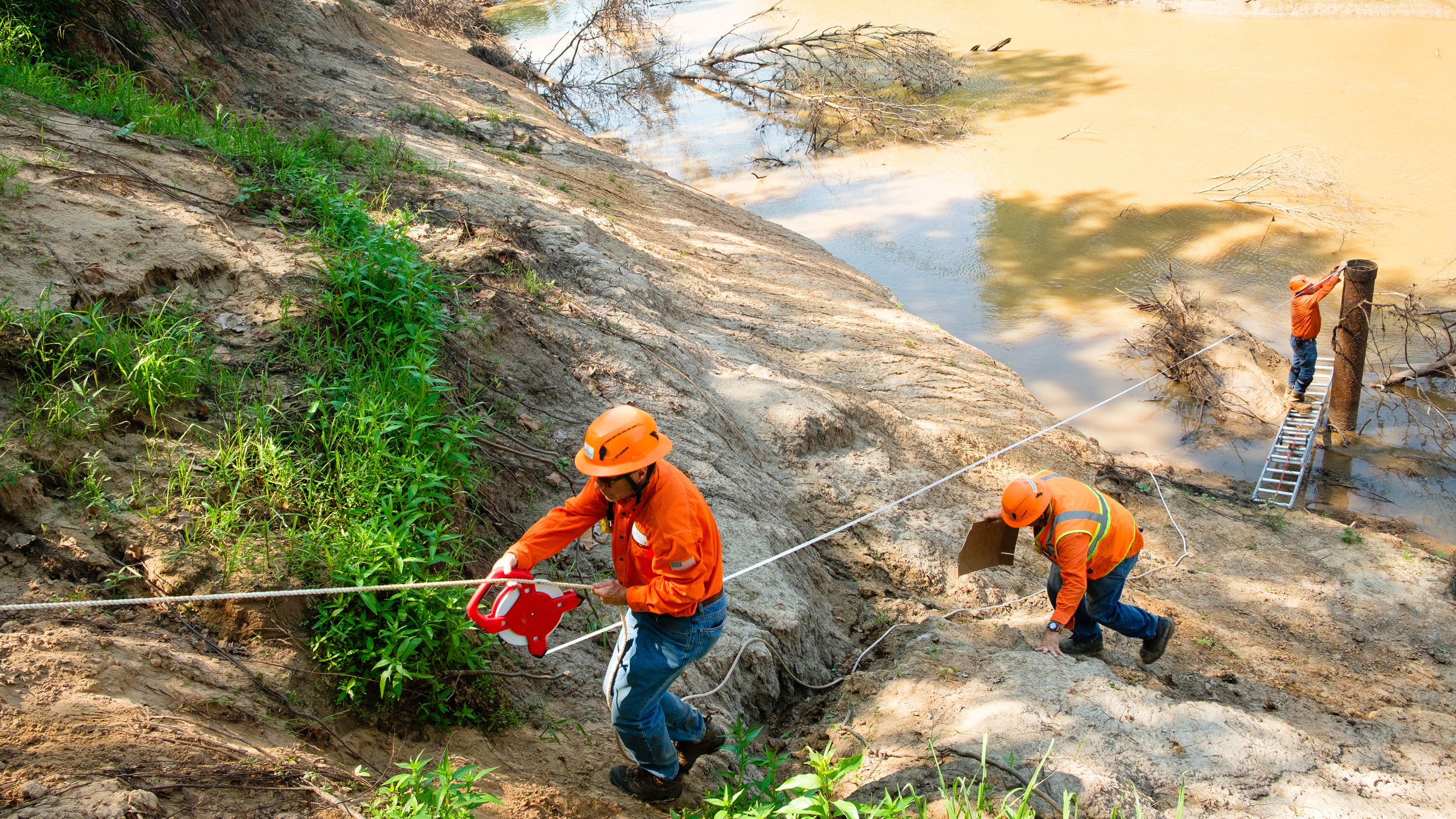
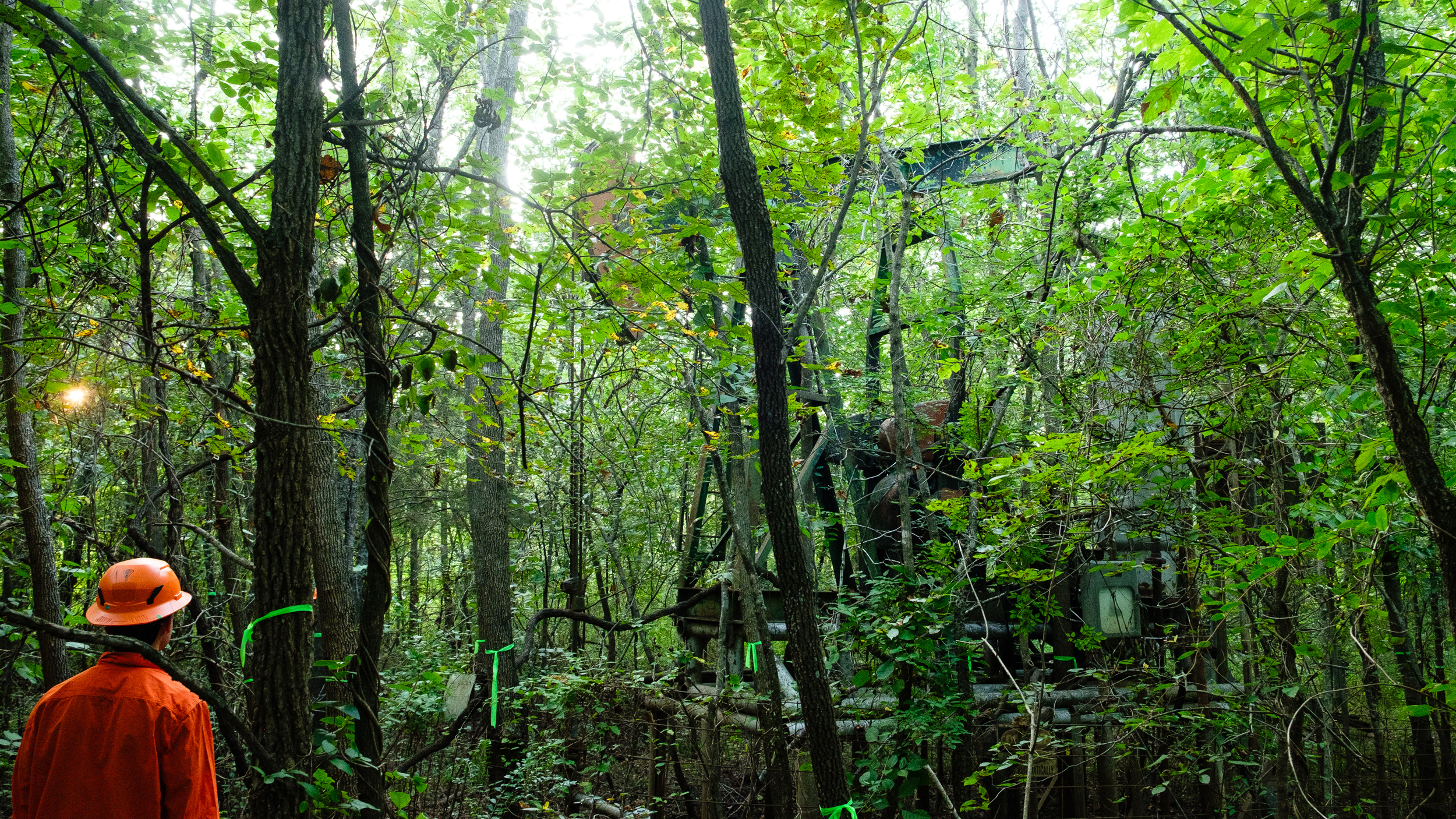
Just finding wells here is challenging, requiring bushwhacking with a map from the state’s decades-old permitting paperwork, a machete, a snake stick and maybe the well’s coordinates. Once found, USFWS staff assesses the site’s conservation needs and sets rules to satisfy them.
Deep Fork is home to 149 species of birds, as many as 59 of fish, 54 of reptiles, 22 of amphibians and countless types of insects, including the endangered American burying beetle, the largest carrion beetle in North America. Mammals range from white tail deer to the tricolored bat, which the USFWS is proposing to list as endangered. The agency protects the bats by limiting well-plugging habitat disruptions after they emerge from hibernation to two weeks on site and from 30 minutes after dawn until dusk, allowing the bats to hunt in peace.
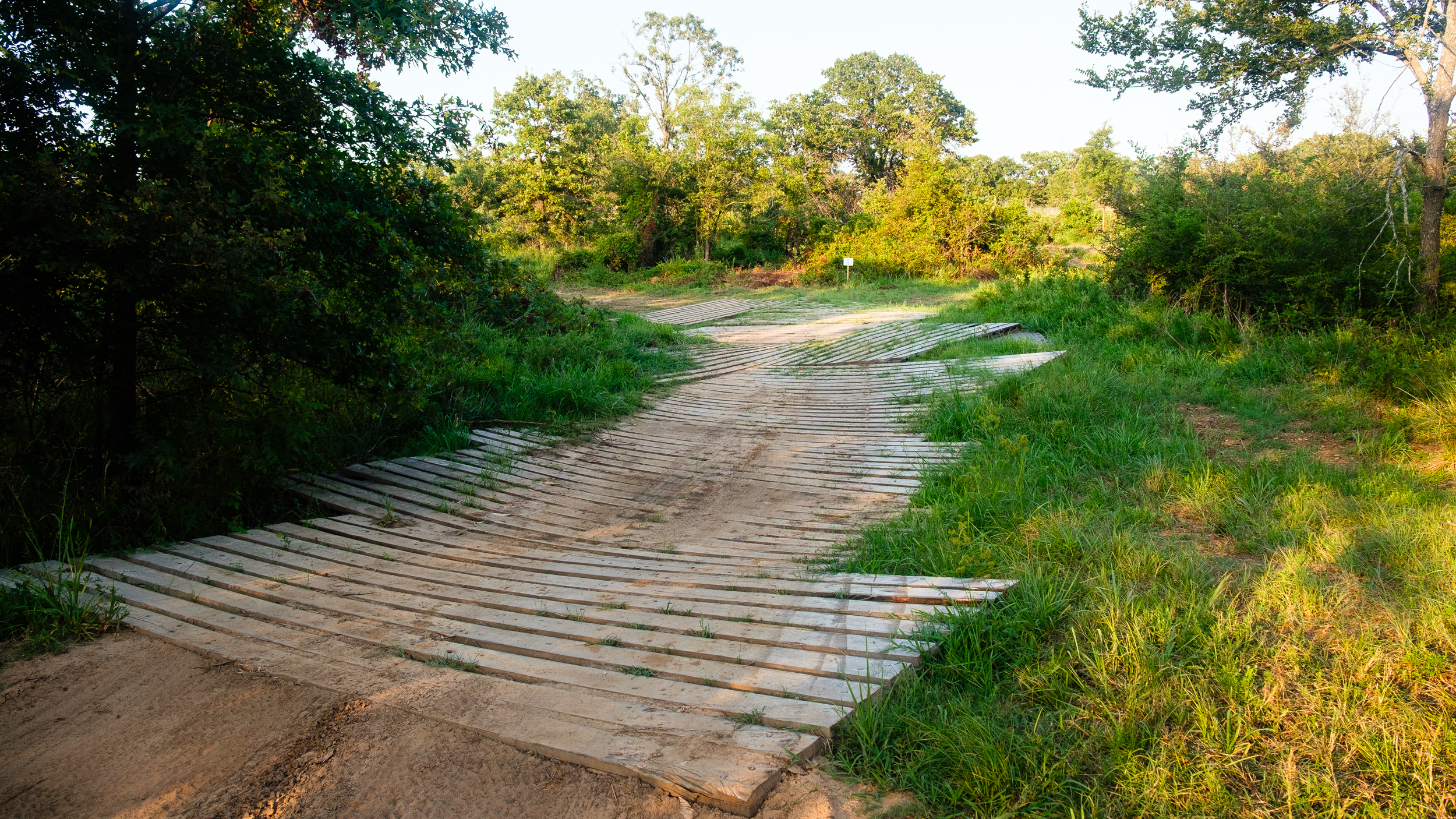
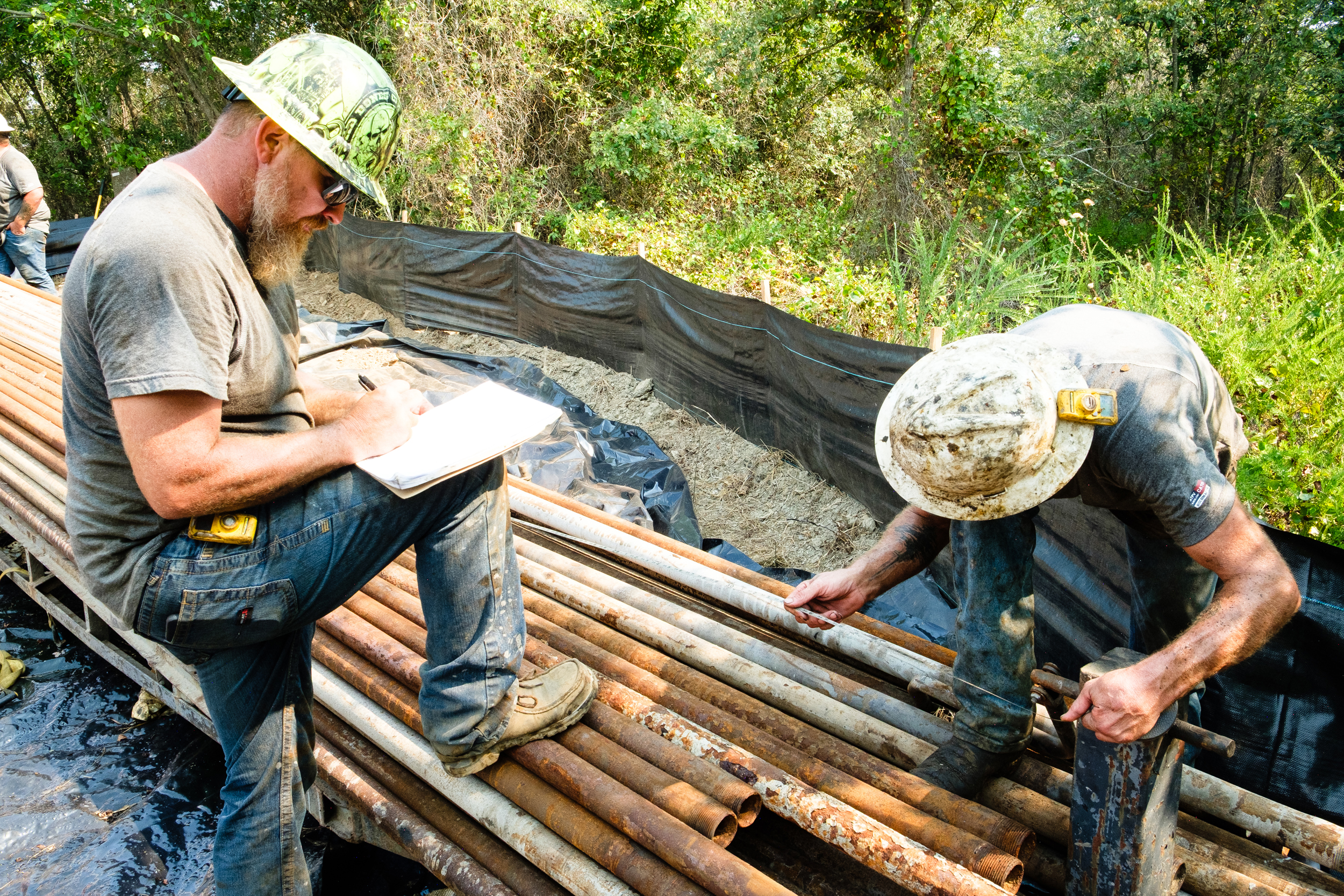
Working wildlife refuge wells requires unusual precautions for the industry: Temporary roads are built of hardwood mats; drill rig trucks and collection tanks sit in foam-walled containment trays; well casings pulled from the ground rack above heavy plastic sheets and absorbent pads that catch the petroleum and chemicals dripping from the pipes, which are checked for radioactivity before being hauled away for scrapping.
For his part, Bailey’s Well Service’s owner and operator Joseph Bailey, one of Shuck’s contractors, describes working in the refuge as “a whole different world.” “There’s [spill] containment and containment inside containment and a lot of safety measures for the environment, wildlife and personnel,” he said, which he doesn’t face on regular oilfield gigs. He was shut down for several weeks last year, he said. “We had some radiation on one [well] and couldn’t even go down there and get the rig out or nothing.”
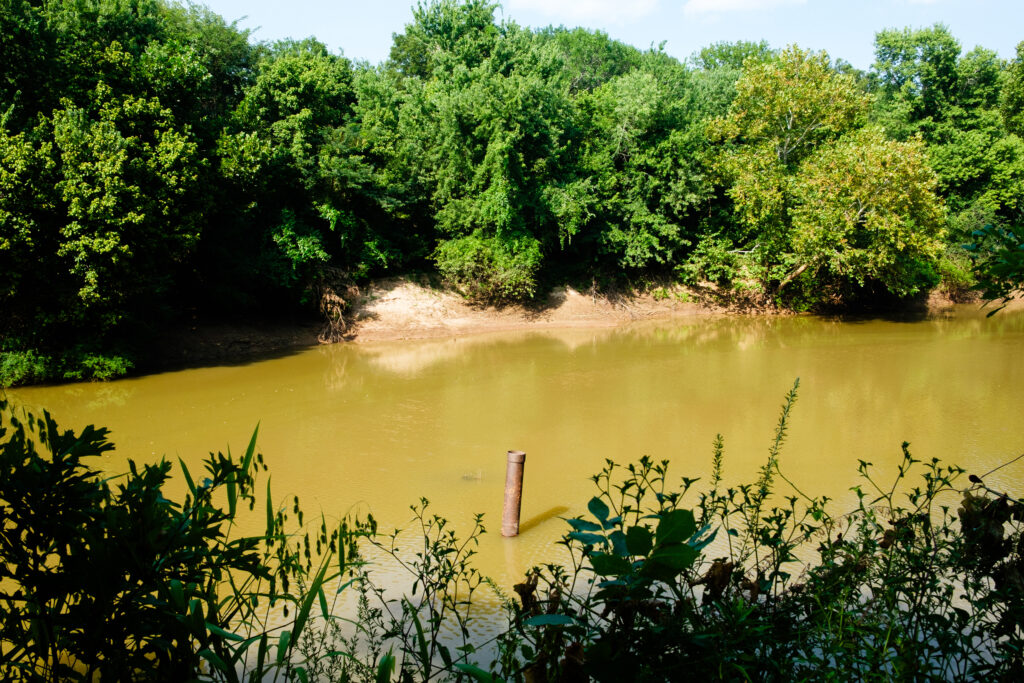
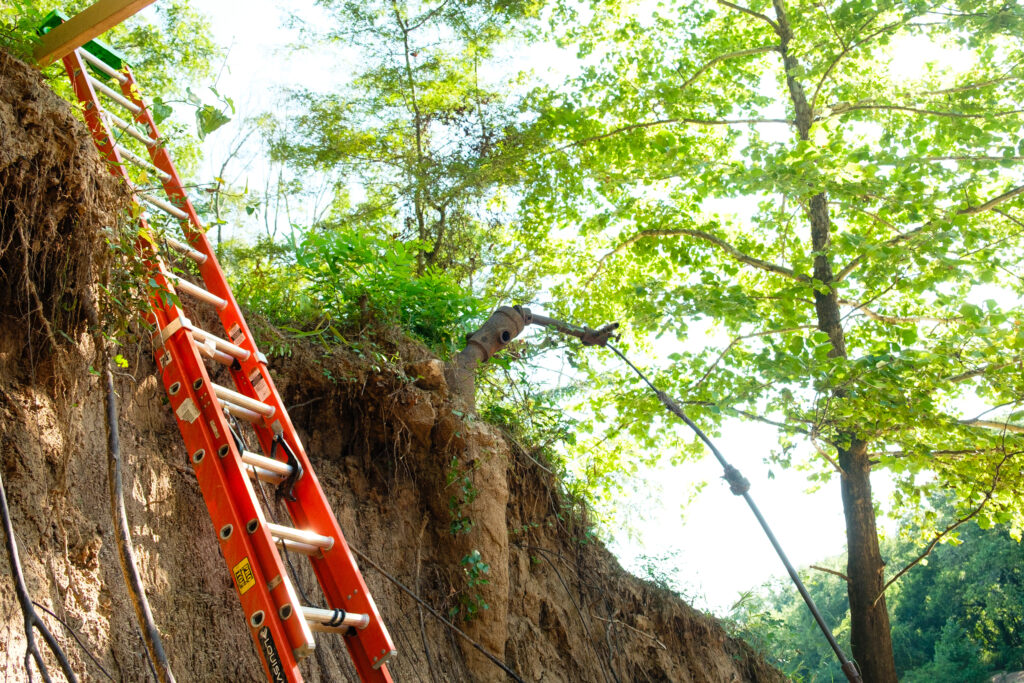
Where wellheads have been overtaken by the meandering Deep Fork of the North Canadian River, their piping sometimes jutting obstinately above the surface, Well Done must remove sunken pumpjacks and other equipment. The crew will then build cofferdams with steel-sheet pilings around submerged wellheads and pump out river water to keep the work area dry and protect the waterway. Well Done and its crews completed the first plugging of one of the refuge’s underwater wells early this year.
“They get mad at me because we set all these crazy rules, make them do this, that and the other thing,” Shuck said of the contract crews Well Done hires from across the nation. “They think we’re full of shit, and there’s too many rules.”
The industry operators he hires to plug “are the exact people that got us where we’re at today,” he said.
As work began on the Doneghy #2 well, in tricolor bat territory where the plugging operation was most restricted, Shuck was ready to quit using Bailey’s. Its 20-ton 6×6 truck, a military surplus 1980 model, was leaking hydraulic fluid and the drill rig mounted on it was acting up.
But Bailey’s crew found its stride quickly and Shuck warmed to them.
“We’ve had a few spats,” Bailey said. “If things aren’t the way he wants, expects or thinks should be, he can get mad pretty quick.” But Bailey warmed to Shuck too. “He’s a go-getter” who cares about the people he works with and “gets wound up in what he’s doing and getting it done.”
At any given time, plugging the Doneghy well. demanded a half a dozen people focused on the 16 square feet holding the forsaken well head, with more joining to conduct imaging, cut casings with explosives or mix and pump the cement that will seal it. Some days an Oklahoma Corporation Commission inspector or USFWS staffer might join the party.
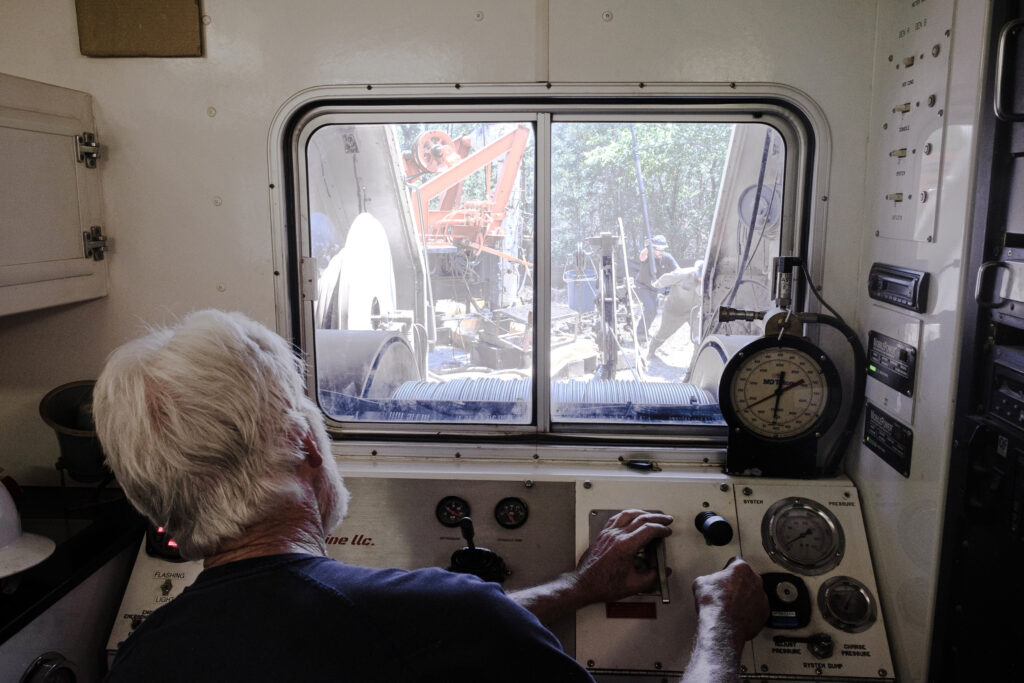
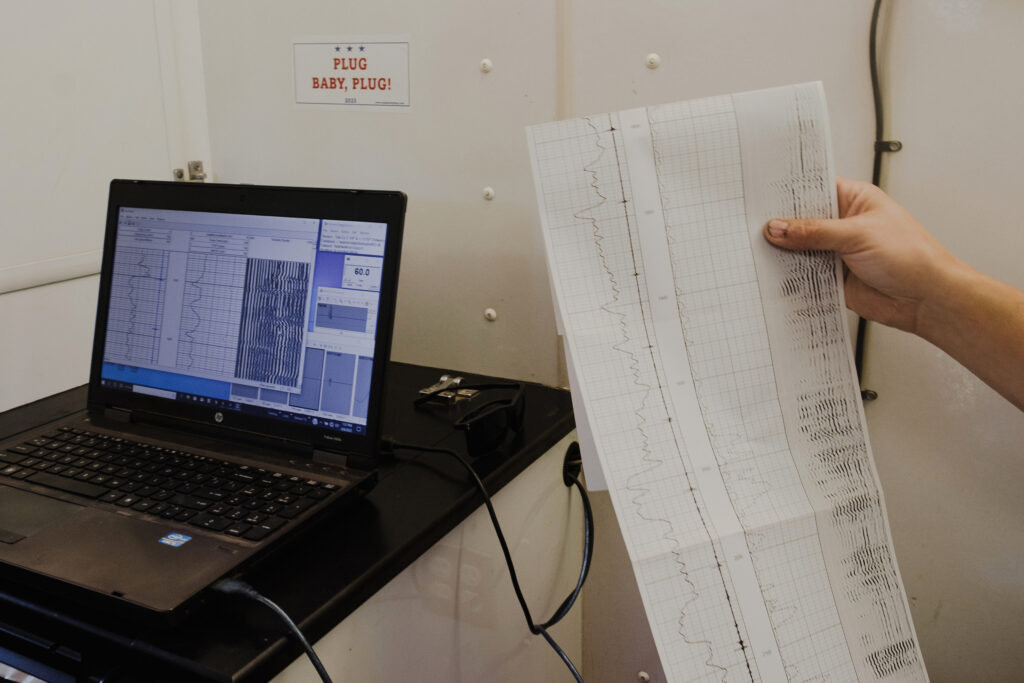
Wireline rig owner and operator Terry Baker works from the air conditioned control room of his rig imaging the well. Wireline imaging uses sound waves to create images like this one of oil and gas wells’ subsurface conditions.
Careful Choreography of a Potentially Deadly Dance
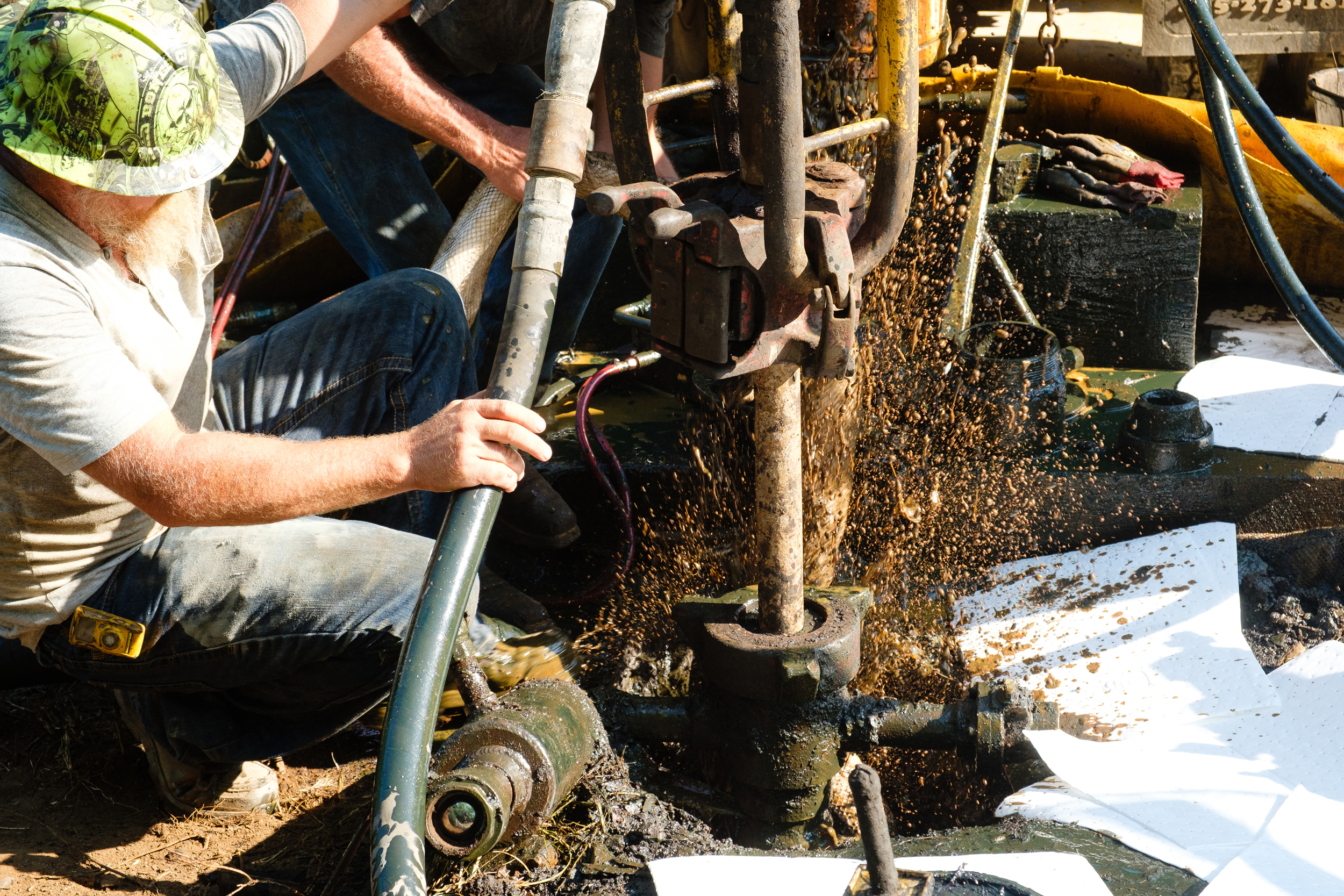
Doneghy #2 expressed uncooperative pique during its plugging. The well “burped” fluids as high as 35 feet into the air. It gurgled and spat oil, mud and paraffin, blew out methane in whooshing gusts and seeped brine that attracted butterflies and dragonflies.
The plugging crew tackled the well as if drilling to produce oil, but in reverse; its work physically demanding and lullingly repetitive, a dangerous combination for operating heavy machinery.
Bailey’s nearly half-ton hydraulic pipe spinner unscrewed threaded pump rods and 40-foot well casings from their underground couplings, then hoisted the lengths out of the 2,252-foot-deep bore hole. The pipe spinner then turned new casings into the well, which were pumped full of stoppering cement. Its weight would hold back the well’s reservoir pressure while the plug cured and adhered to the earth and rock of the wellbore.
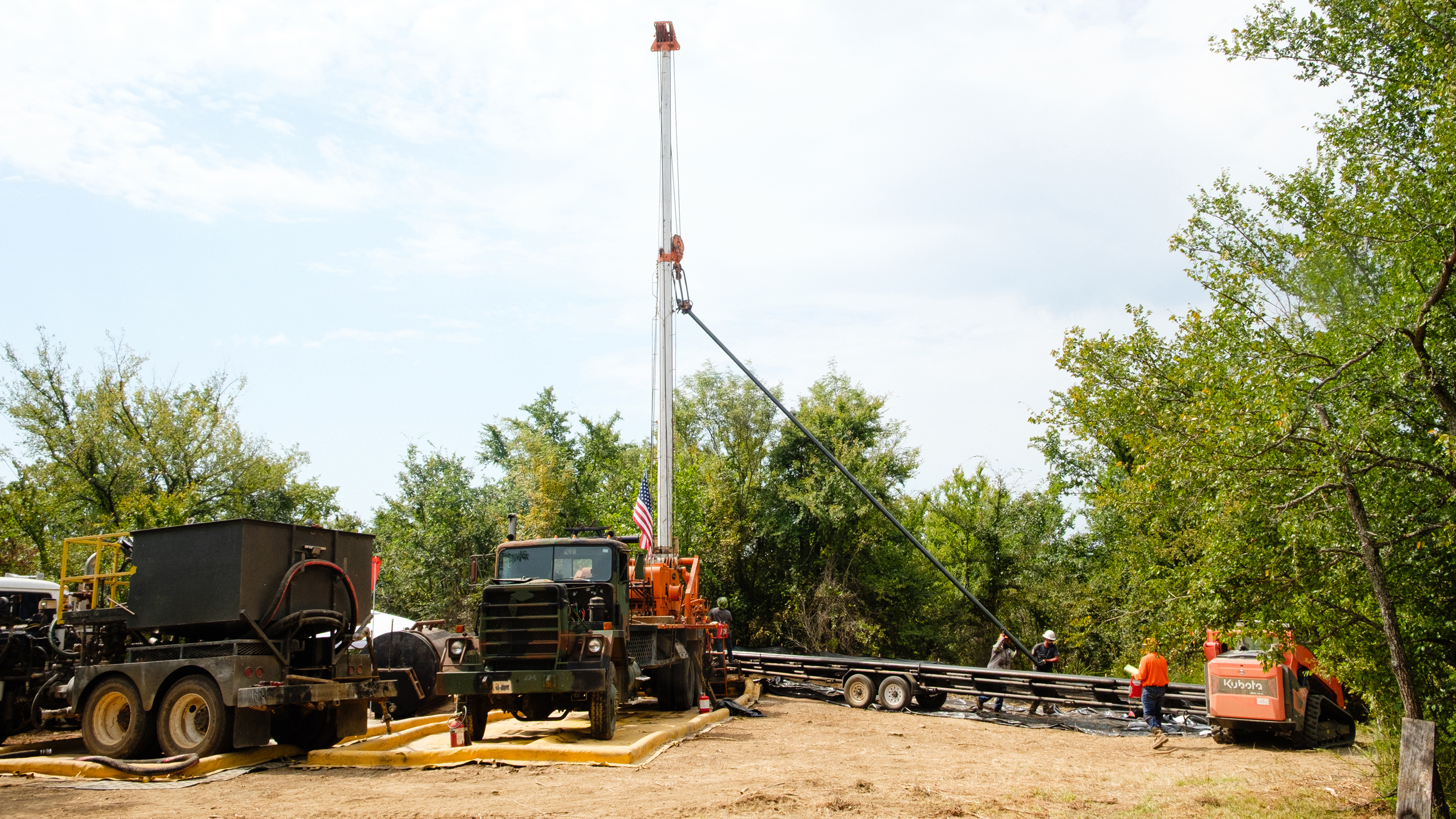
Each step required careful choreography of rig operator, roughneck, roustabout and wrench. At one point, a hydraulically-operated clamp gripping a 4.5-inch-diameter steel casing in the well leapt under pressure as a roustabout moved it off the wellhead. The roustabout was uninjured, but after the scare, Bailey asked a roughneck to take the cotton glove off his left hand. He was missing his first two fingers and a wedge of palm.
Americans believe their gas “comes from the gas station,” Shuck said, and don’t understand the “reality that there’s people that risk their lives, and toil, and stay away from their family” to deliver it.
On Aug. 8, two days behind schedule after nearly two weeks of work, the crew finished plugging Doneghy #2.
“This issue is one that people would rather ignore,” Shuck said. The Doneghy work, he thinks, “helps to illustrate how important it is, but [also] how much work it is to get it done. There’s not a magic wand somebody’s going to wave and there’s not a silver bullet. It’s going to take people, doing hard work day in and day out, to make a difference.”
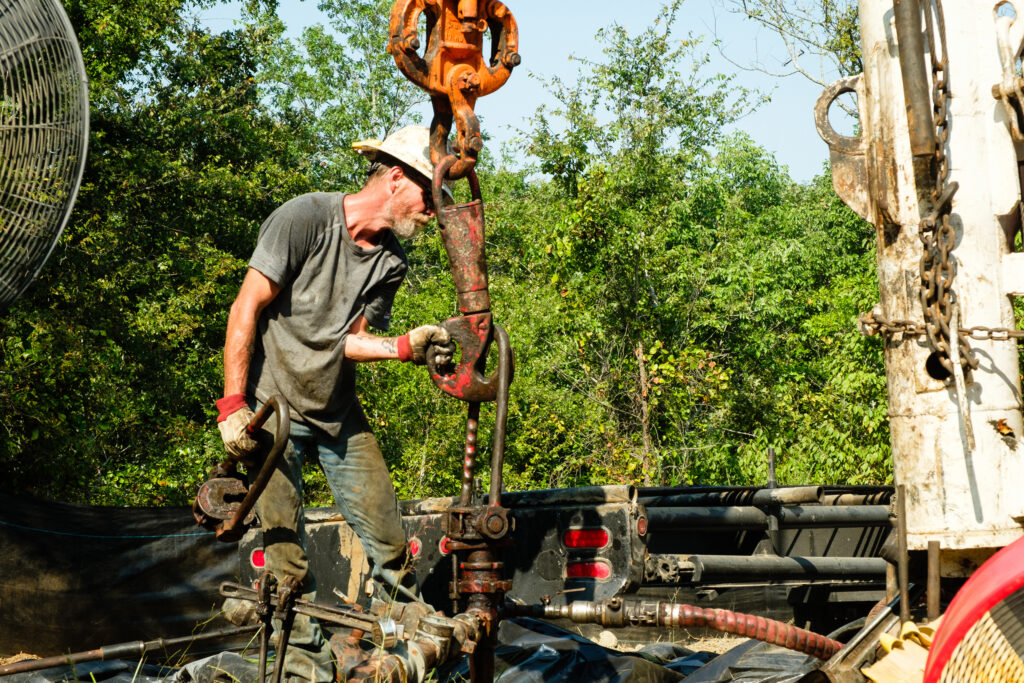
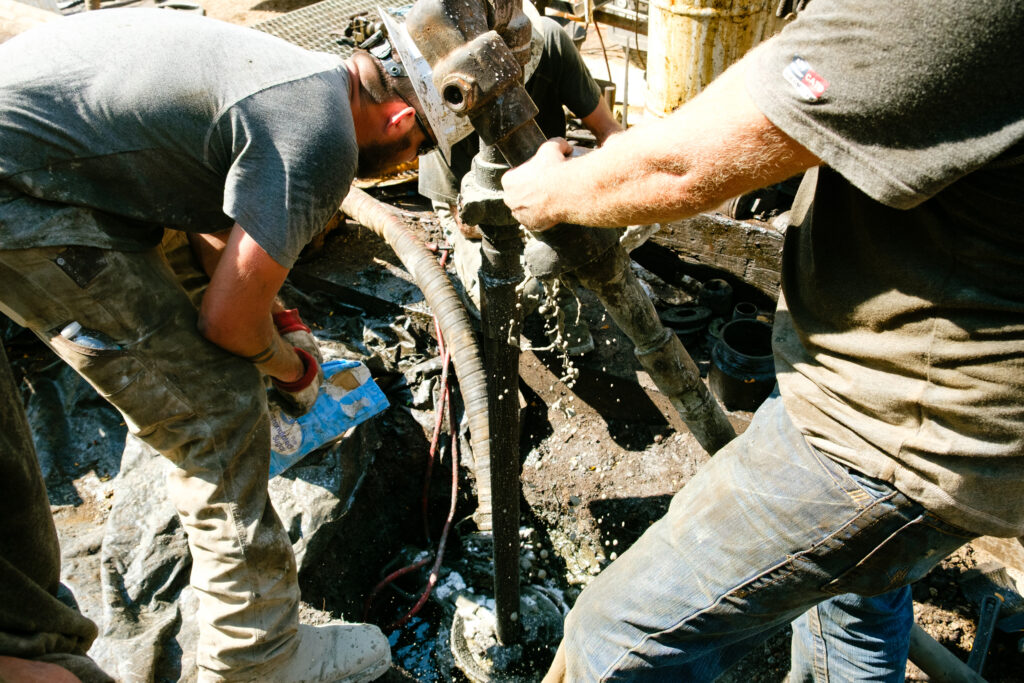
A roughneck, at left, has hooked a 30 foot pump rod, also known as a sucker rod, to be pulled out of the well as Doneghy #2’s downhole equipment is disassembled. At right, the final downhole cement is mixed with sugar to slow its curing and natural gas well Doneghy #2 in the Deep Fork Refuge is finally plugged. Doneghy #2 became the fifteenth well plugged in the refuge since Well Done began its work there in April of 2025. Doneghy #2’s plugging ran two days over its intended schedule and occurred with just enough time left within the Fish and Wildlife Service’s two week window—obligated by the well’s location in threatened tri-colored bat habitat—to allow the site to be cleared of equipment. Final remediation and replanting will wait until 2026.
If the federal grant money continues flowing, Well Done will finish plugging the wells on its list in the refuge by the end of 2030. To aid in the process, the USFWS hired Micaela Short, a Well Done environmental technician who loves hunting for wells in the bush with her snake stick, as the Deep Fork environmental project manager for the well-capping endeavor in the refuge. But the work will also add to the inventory of known AOOG wells that still need to be plugged there as Shuck’s crews locate forgotten wells lacking paper trails.
Oklahoma holds the nation’s second largest tally of abandoned and orphaned oil and gas wells, after Texas, but the counts diverge wildly. A 2020 Carbon Tracker report using industry data logged about 288,000 AOOG wells in Oklahoma, while the Oklahoma Corporation Commission listed just 16,978 in 2024, although it noted that was not definitive.
Either way, “it doesn’t take a rocket scientist to figure out with all of those thousands of wells that it could’ve had a little bit of an impact [on global warming] somewhere along the line, right?” Shuck said.
And while the climate conversation is fraught in the oil and gas industry, and in American politics, he doesn’t think the Well Done Foundation’s work should be controversial.
“There’s other things we can highlight: cleaning up the water, cleaning up the landscape, returning the land to its original condition,” he said. “Those are things, if you’re a Republican or a Democrat, or a climate crusader or a climate denier, should be something we could all get behind. Let’s just leave things better for the next guy.”
About This Story
Perhaps you noticed: This story, like all the news we publish, is free to read. That’s because Inside Climate News is a 501c3 nonprofit organization. We do not charge a subscription fee, lock our news behind a paywall, or clutter our website with ads. We make our news on climate and the environment freely available to you and anyone who wants it.
That’s not all. We also share our news for free with scores of other media organizations around the country. Many of them can’t afford to do environmental journalism of their own. We’ve built bureaus from coast to coast to report local stories, collaborate with local newsrooms and co-publish articles so that this vital work is shared as widely as possible.
Two of us launched ICN in 2007. Six years later we earned a Pulitzer Prize for National Reporting, and now we run the oldest and largest dedicated climate newsroom in the nation. We tell the story in all its complexity. We hold polluters accountable. We expose environmental injustice. We debunk misinformation. We scrutinize solutions and inspire action.
Donations from readers like you fund every aspect of what we do. If you don’t already, will you support our ongoing work, our reporting on the biggest crisis facing our planet, and help us reach even more readers in more places?
Please take a moment to make a tax-deductible donation. Every one of them makes a difference.
Thank you,