

Flowing almost 4,000 miles from the Tibetan Plateau to the East China Sea, the Yangtze is China’s “Mother River.” From the emerald-green rice paddies of Hunan to the industrial hubs of Wuhan and Shanghai, the river basin generates 40 percent of the nation’s economic output. Yet, 70 years of rapid development had, until recently, wreaked havoc on its delicate marine ecosystem.
Fish biomass in the Yangtze has now more than doubled while endangered species are making a return, according to research released Thursday in Science. These early signs of recovery follow an unprecedented decade-long commercial fishing ban introduced in 2021. The findings suggest similar bold policies could catalyze ecological recovery in other large-scale rivers like the Mekong or the Amazon.
“I am always impressed by the resilience of nature when given space and time to recover,” said Steven Cooke, a fisheries professor at Carleton University and study co-author. “There have been other ‘restoration’ projects on rivers in the past but none have included a total fishing ban. That is unique.”
The Yangtze River Protection Law implemented a 10-year ban, running the length of the river, until 2030. It followed decades of biodiversity loss and the disappearance of 135 freshwater species—including the iconic Yangtze River dolphin and Chinese paddlefish.
Assessing fish stocks before and after the ban, an international team of researchers compared biomass and diversity across 57 sections of the river. They found a 209 percent increase in overall fish biomass and a 13 percent increase in species richness.
Larger fish—those longer than 7.5 inches—appear to have benefited the most, with their numbers increasing at the highest rates. This included species like the valuable black Amur bream—well-stocked apex predators are a critical indicator of a healthy food web. Migratory species like the slender tongue sole also appeared to be rebounding, finally able to reach critical habitats without being intercepted by nets.
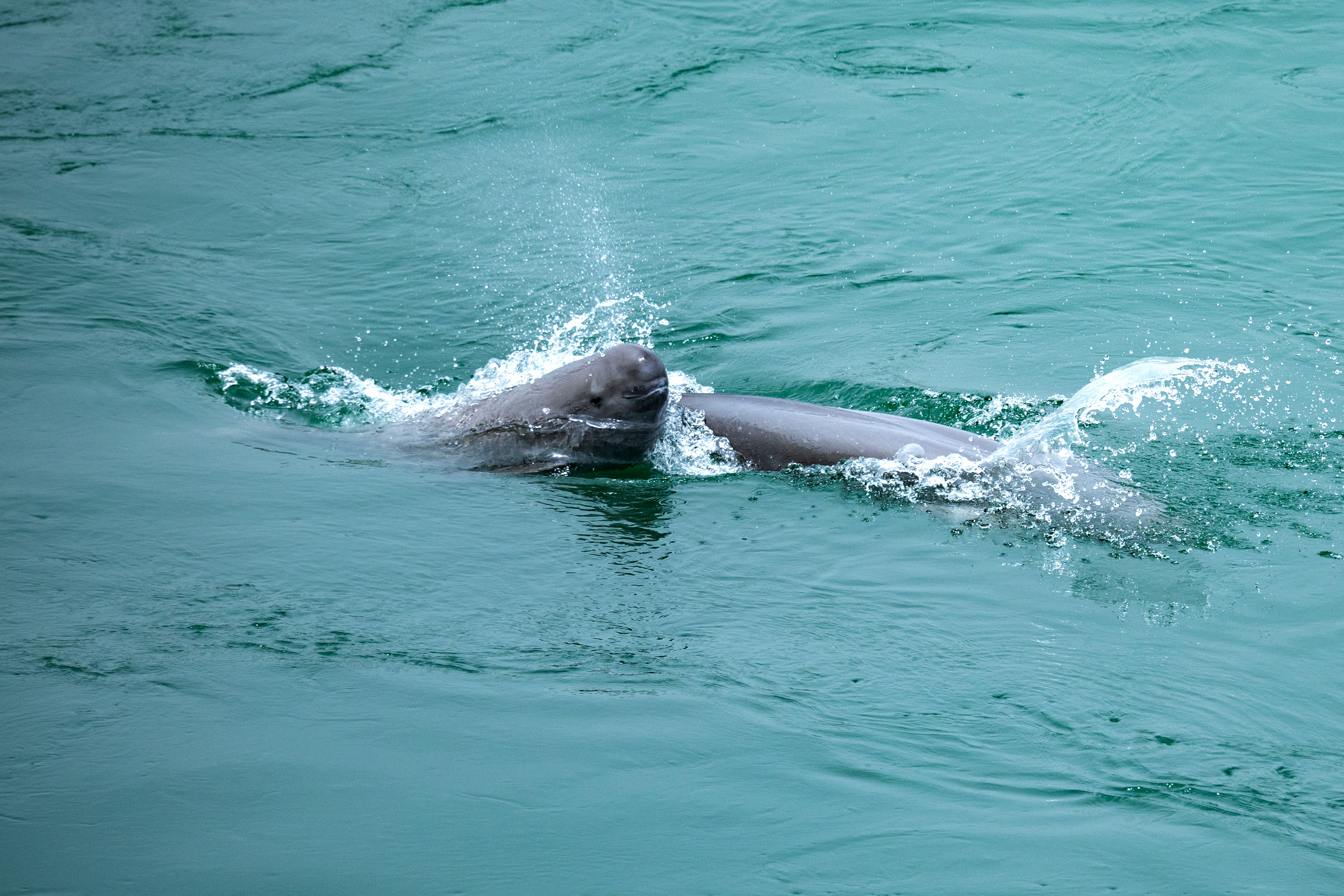
For endangered species like the Yangtze sturgeon and Chinese sucker, the ban brought immediate stock improvements. However, researchers were most excited by the Yangtze finless porpoise. The culturally significant marine mammal saw its population jump from 445 to 595.
“The improvements of conditions include both habitat and food for the iconic Yangtze finless porpoise,” said lead author and fisheries researcher Fangyuan Xiong. With more free space and prey, this mascot of environmental conservation and subject of ancient Chinese poetry appears to be benefiting most from the first-of-its-kind ban.
While the rise is primarily linked to reduced fishing mortality, other pressures have eased. Researchers highlighted improved water quality and a significant reduction in underwater noise from boat propellers.
However, despite the positive data, the report was clear that the long-term detrimental impacts of river fragmentation—caused by sizable dams like the Gezhouba and Three Gorges—will remain challenging for migratory species. Similarly, microplastics that flow freely into the river from highly populated areas present continued threats to biodiversity.
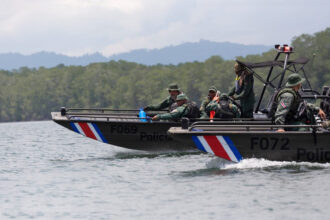
The success also came at a human cost. The ban required recalling 111,000 fishing boats and resettling 231,000 fishermen who had long depended upon the Yangtze for life.
“The biggest take home is let’s do a better job of managing our freshwater rivers so we never have to consider full fishing bans as the medicine,” said Cooke. “Although this seems to have been effective here, the collateral damage to fishing communities is immense.”
Now entering its sixth year, the ban is not a permanent fix nor a cure to all ecological issues. Yet the doubling of biomass is a historic milestone.
“This is not comparable to any other conservation measure because it is the first basin-wide initiative on a large river,” said Sébastien Brosse, from the Center for Research on Biodiversity and the Environment in Toulouse. “Strong political decisions in favor of the environment have a marked and rapid benefit for biodiversity and ecosystem health.”
Nineteen years since the first seasonal fishing ban was implemented to protect spawning fish in the Yangtze, the extension through 2030 remains a bold strategy to restore one of the Earth’s most significant waterways, the study’s authors concluded.
About This Story
Perhaps you noticed: This story, like all the news we publish, is free to read. That’s because Inside Climate News is a 501c3 nonprofit organization. We do not charge a subscription fee, lock our news behind a paywall, or clutter our website with ads. We make our news on climate and the environment freely available to you and anyone who wants it.
That’s not all. We also share our news for free with scores of other media organizations around the country. Many of them can’t afford to do environmental journalism of their own. We’ve built bureaus from coast to coast to report local stories, collaborate with local newsrooms and co-publish articles so that this vital work is shared as widely as possible.
Two of us launched ICN in 2007. Six years later we earned a Pulitzer Prize for National Reporting, and now we run the oldest and largest dedicated climate newsroom in the nation. We tell the story in all its complexity. We hold polluters accountable. We expose environmental injustice. We debunk misinformation. We scrutinize solutions and inspire action.
Donations from readers like you fund every aspect of what we do. If you don’t already, will you support our ongoing work, our reporting on the biggest crisis facing our planet, and help us reach even more readers in more places?
Please take a moment to make a tax-deductible donation. Every one of them makes a difference.
Thank you,

Johnny Sturgeon
Fisheries Reporter
Johnny Sturgeon is a London-based reporter covering fisheries and aquaculture. Joining us from the Outlaw Ocean Project, he has experience producing in-depth maritime investigations for nonprofit newsrooms. A former boatbuilder, he holds a B.A. in History & Politics from the University of Oxford, and an M.S. from Columbia Journalism School.