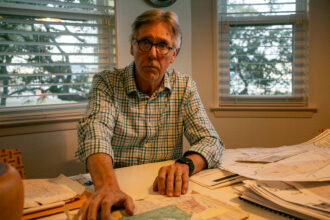


From our collaborating partner Living on Earth, public radio’s environmental news magazine, an interview by host Steve Curwood with Timothy Ingalsbee, executive director of Firefighters United for Safety, Ethics and Ecology.
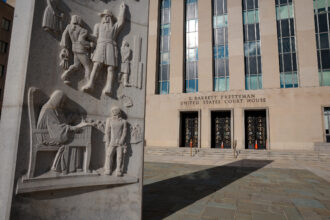
A decades-old U.S. Forest Service rule that’s been used to justify logging to supposedly reduce wildfire risk has been deemed unlawful by a federal court in Oregon.
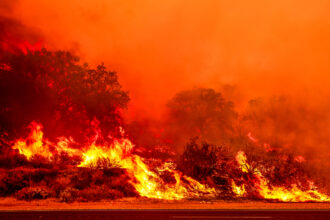
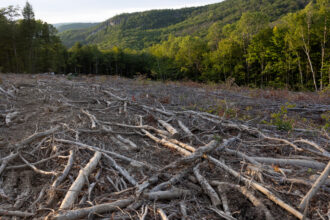
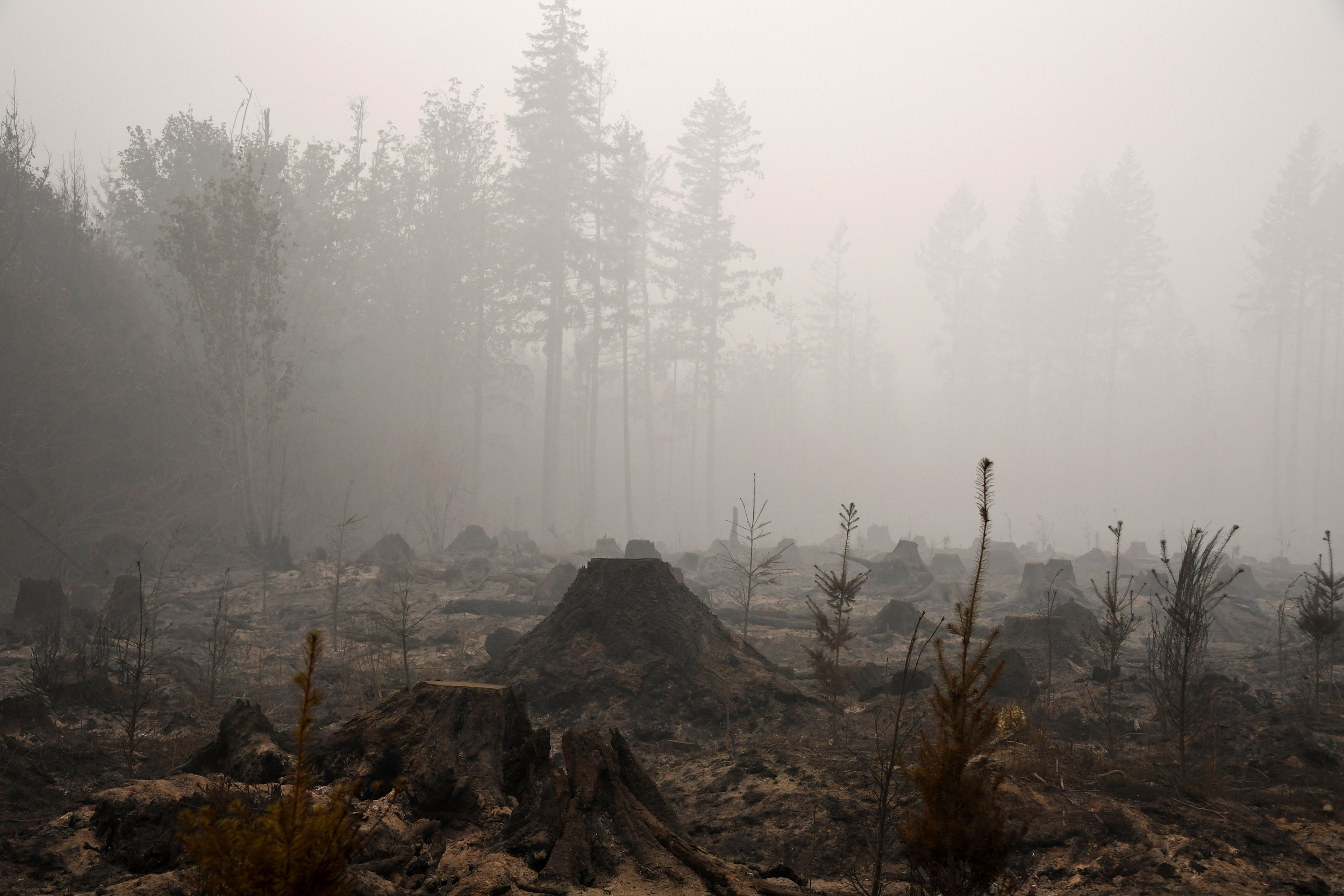
The rule was what’s called a “categorical exclusion” to bypass environmental reviews for projects that should have an “insignificant” impact. But the rampant clearcutting the forest service oversaw under one of these categorical exclusions, CE-6, often has devastating impacts on wildlife, soil and water quality, and the brush left behind may even increase fire risk.
So environmental groups, including WildEarth Guardians, Oregon Wild and Green Oregon Alliance, sued the Forest Service, and a district judge ruled in their favor, striking down the policy in January 2026.
The way federal agencies handle wildfire risk more broadly is not working, according to Timothy Ingalsbee, co-founder and executive director of Firefighters United for Safety, Ethics and Ecology. He says federal agencies need to rethink not only how and whether fires are fought, but their entire approach to managing landscapes, including the use of categorical exclusions to bypass environmental reviews.
He recalled the moment as a young wildland firefighter when he realized his profession needed a paradigm shift.
“I was on one of the first 20-person hand crews to go to the Silver Fire, which was part of what we called the Siege of ’87, a string of massive wildfires burning up the Sierras and the Cascades … It was a very humbling experience where we realized we are just human beings facing a force of nature much bigger and wilder than we can impose control.
“Our approach of making war on wildfire is really making war on Mother Nature. And in that case, we’re damned if we lose, and we are losing all the time, but we’re also damned if we win, because we will have altered the planet in ways that will drive species extinct and mess things up. So that was my epiphany of, I think we’re on the wrong side of this war, and we need to make peace and learn to coexist and cooperate with this really elemental, foundational force of nature.”
Now, he is celebrating the court decision aimed at ending these abusive practices.
“These categorical exclusions short shrift the normal processes for planning projects on public lands, and what they do is allow the agencies to move forward with these projects with less or very minimal environmental analysis or scientific input, less public involvement, less government transparency or legal accountability,” Ingalsbee said. “It’s been misapplied in terms of rushing through with these logging projects, all under the claim that they will prevent wildfires. It’s really a very obsolete, bankrupted ideology that big trees cause big wildfires. Just the opposite, in most cases—naturally fires take out the small trees and leave the big trees.”
Categorical exclusions allow the Forest Service and the Bureau of Land Management, at the behest of timber companies, to clear cut, Ingalsbee says.
“What they call ‘thinning’ is really kind of high-grade logging, taking out these big trees, under the claim that this is going to help prevent or mitigate wildfires, and it’s such an emergency we can’t wait,” he said. “No one is disputing that it’s a wildfire emergency, but that is more a reason to approach these problems urgently, not attack them blindly. And that’s what the agencies are trying to do on behalf of these resource extraction or land-development corporations—just rush blindly to get the projects through and ignore the impacts.”
This interview with Ingalsbee has been edited for length and clarity.
STEVE CURWOOD: A few years ago, there were some conservation nonprofits that sued the U.S. Forest Service over the creation and application of the CE-6 exemption, and a court just ruled in their favor, essentially saying you can’t use this excuse anymore. What’s the significance of this? What makes it a landmark decision?
TIMOTHY INGALSBEE: It’s very significant. When you go to court battling over these environmental laws or applications, the deck is really stacked in the favor of government agencies. They have lots of discretion to apply these laws as they see fit.
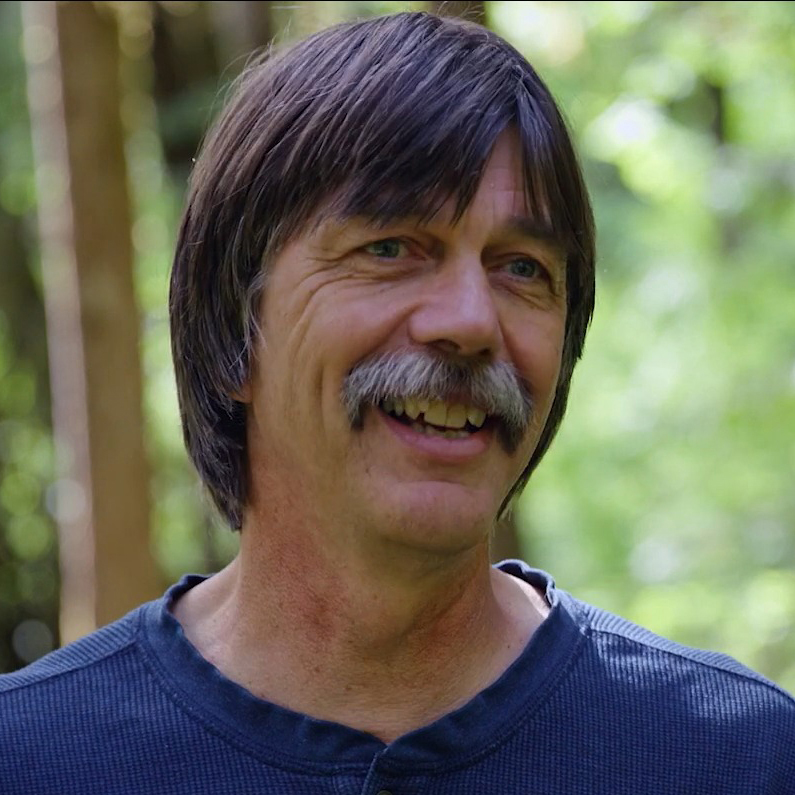
In order to win a case like this, the abuse has to be so blatant, so extreme, that it really forces judges to rule in the favor of environmentalists. And that was what was going on there, using categorical exclusions for these wholesale, large-scale logging projects, which will cause very significant impacts.
You just can’t claim that there’ll be no impacts or minimal impacts. That was the original intent of categorical exclusions. You want to put a new sign in, you’re gonna have to dig a post hole. Well, that’s a minimal impact. They’re using that same logic to apply to massive logging projects, leaving behind lots of stumps and slash.
The way they’re doing this fire-prevention logging is actually wildfire-promotion logging, making these areas more flammable as what was once tree-covered, now becomes covered with shrubs and grasses, invasive weeds. They spread fire very rapidly. And then all the big old trees that mostly would have survived fires, or at least seeded the area after fires, they were long gone. The consequences of doing things—instead of making forests more resilient—makes them more flammable, will last for generations.
CURWOOD: Wildfire prevention in the U.S. has a complicated and somewhat misunderstood history. Think of Smokey the Bear, and also the dismissal of Indigenous wildfire stewardship practices. And of course, we have the influence of the logging industry. Where is the United States these days when it comes to wildfire prevention?
This story is funded by readers like you.
Our nonprofit newsroom provides award-winning climate coverage free of charge and advertising. We rely on donations from readers like you to keep going. Please donate now to support our work.
Donate NowINGALSBEE: First of all, the whole premise that we can prevent all wildfires is kind of a bogus claim. Fire is a natural force that is nature’s recycler of all this dead, down, woody debris. It turns it into soil nutrients. It rejuvenates habitats. It maintains a carbon balance. Fire has been on the terrestrial land service for 420 million years, and the legacy of Indigenous people stewarding the land with fire [is] as long as people have been on this continent.
Wildfire prevention is the wrong approach. What we need to do is wildfire preparation. Prepare for the fires that are part of nature. If we can’t prevent them, we should prepare for them.
CURWOOD: Despite this court decision, really a win for conservationists, the federal government does seem to keep wanting to ramp up efforts to have business continue as usual. In Congress, there is what’s called the Fix Our Forests Act, which is currently awaiting Senate approval. It aims to combat wildfire threats by reducing environmental hurdles to logging. To what extent is this fight far from over?
INGALSBEE: It’s far from over. And in fact, it’s a bit confusing now with this court decision that may preempt the Fix Our Forests Act, because that is the core objective of that bill’s proponents … let’s rush forward more logging with less analysis, less transparency or accountability.
Now the court is saying this one vehicle, using categorical exclusions, is no longer legal. So I’m not sure what will be the outcome of that bill, but that is one of the reasons it’s been stalled in the Senate. There are some wiser heads saying, maybe that’s not the best approach here.
But it’s also a problem that it seems the Trump administration just wants to rush forward in defiance of laws and regulations. If it wants to rush forward all this massive logging under categorical exclusions and basically daring conservationists to take them to court, the wheels of justice roll very slow. The wheels of machines and industry roll very fast, and so it’s far from over.
About This Story
Perhaps you noticed: This story, like all the news we publish, is free to read. That’s because Inside Climate News is a 501c3 nonprofit organization. We do not charge a subscription fee, lock our news behind a paywall, or clutter our website with ads. We make our news on climate and the environment freely available to you and anyone who wants it.
That’s not all. We also share our news for free with scores of other media organizations around the country. Many of them can’t afford to do environmental journalism of their own. We’ve built bureaus from coast to coast to report local stories, collaborate with local newsrooms and co-publish articles so that this vital work is shared as widely as possible.
Two of us launched ICN in 2007. Six years later we earned a Pulitzer Prize for National Reporting, and now we run the oldest and largest dedicated climate newsroom in the nation. We tell the story in all its complexity. We hold polluters accountable. We expose environmental injustice. We debunk misinformation. We scrutinize solutions and inspire action.
Donations from readers like you fund every aspect of what we do. If you don’t already, will you support our ongoing work, our reporting on the biggest crisis facing our planet, and help us reach even more readers in more places?
Please take a moment to make a tax-deductible donation. Every one of them makes a difference.
Thank you,