

A month after the state’s grid operator said it would pull together data centers and other large load projects that have been waiting to connect to the grid into a group called “batch zero,” that process is still at least four months away.
Electric Reliability Council of Texas (ERCOT) officials said this week that they plan to present the updated evaluation process to their board of directors in June that will outline which projects will move forward as a first group in the interconnection queue.
With project developers growing increasingly impatient and pushing for a timeline, Jeff Billo, ERCOT’s vice president of interconnection and grid analysis, said that if ERCOT can spell out new admission criteria for projects to be considered in batch zero by June, the agency could begin studying the interconnection needs of the group by late summer.
“Targeting is probably not a strong enough word—I would say that’s somewhere between a target and a mandate,” Billo said of the new application criteria at a board meeting on Tuesday.
ERCOT’s previous system for considering interconnection requests individually, built for a large load queue totalling 40 to 50 projects, is now bogged down by the 225 new interconnection requests ERCOT received last year, according to a December report.
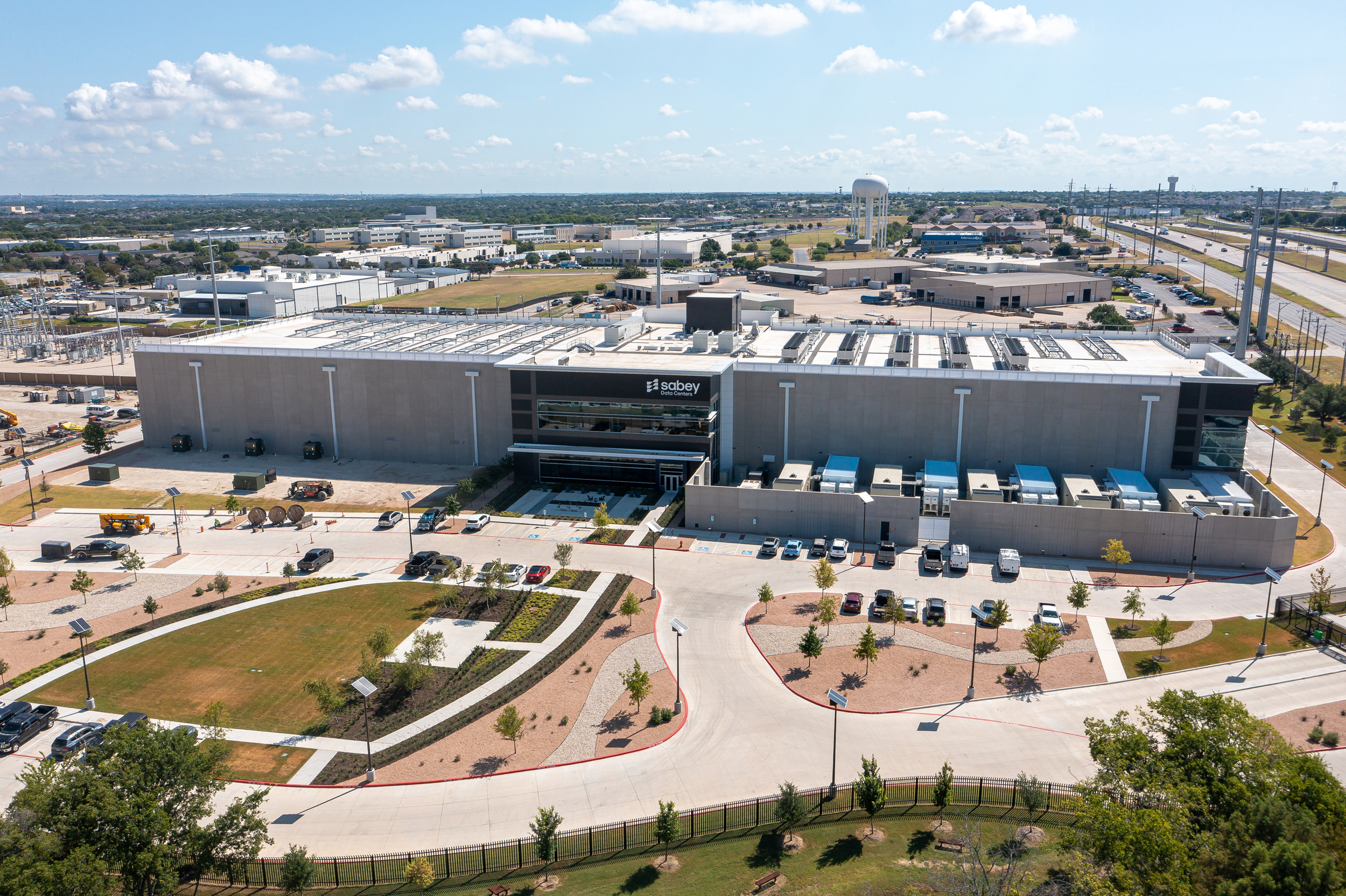
ERCOT had 56 gigawatts in large load interconnection requests in September 2024. Just over a year later, that number had almost quadrupled to 205 gigawatts—a huge number that is more than twice as high as ERCOT’s peak demand record of 85.5 gigawatts in August 2023. Most of the explosive growth in Texas is being driven by data centers looking to power the race among tech giants to develop artificial intelligence.
Under a new study system still in the developmental process, ERCOT hopes to be able to inform project developers and transmission providers what amount of the desired demand can be reliably served over a six-year period and what transmission upgrades are needed, ERCOT CEO Pablo Vegas said.
While the data center industry agrees that this “batch process” is necessary, there’s been tension between the business community and regulators over how this approach will be implemented, including when ERCOT will announce which projects are in the first group.
Cameron Poursoltan, a Texas senior energy policy manager for the Data Center Coalition, an industry trade group, said some projects have been waiting for interconnection for years despite having met all the criteria. The coalition wants assurance that these in-limbo projects won’t be disadvantaged by the new process, Poursoltan said.
The grid operator has yet to provide specifics about how it will batch the first group from a long queue of energy-consuming projects the state is tracking, which now total 232 GW. It’s left the data center industry’s trade group with big questions: How will projects be prioritized? What criteria will advance a project in the queue? And what capacity is available within ERCOT for data centers?
Billo said guidelines determining which data centers might be eligible for batch zero will likely be sorted out during upcoming stakeholder workshops and be outlined in the process revision plan due in June.
By September, ERCOT hopes to have guidelines finalized for the ongoing batches to submit to the board for approval.
“We heard the message loud and clear: We need to keep the pace going on this work,” Billo said. “Urgency continues to be an important part of supporting the economic growth that’s coming.”
The planning system in place was designed for a time when Texas’ independent electric grid added eight to 15 large load projects each quarter, Vegas said. Now the grid sees some 80 or 100 interconnections in the same period. “It clearly broke the processes we had,” Vegas said.
As the system currently operates, many data center developers found themselves in a “doom-loop,” repeatedly being reevaluated as other projects sought connection nearby. The proposed batch system aims to streamline the process for not only the grid operator and transmission providers, Vegas said, but for developers too, by making a clear timetable of when they’ll receive grid capacity.
If the developers agree to the timeline and make the corresponding financial investment, they will secure the right to connect, Vegas said.
About This Story
Perhaps you noticed: This story, like all the news we publish, is free to read. That’s because Inside Climate News is a 501c3 nonprofit organization. We do not charge a subscription fee, lock our news behind a paywall, or clutter our website with ads. We make our news on climate and the environment freely available to you and anyone who wants it.
That’s not all. We also share our news for free with scores of other media organizations around the country. Many of them can’t afford to do environmental journalism of their own. We’ve built bureaus from coast to coast to report local stories, collaborate with local newsrooms and co-publish articles so that this vital work is shared as widely as possible.
Two of us launched ICN in 2007. Six years later we earned a Pulitzer Prize for National Reporting, and now we run the oldest and largest dedicated climate newsroom in the nation. We tell the story in all its complexity. We hold polluters accountable. We expose environmental injustice. We debunk misinformation. We scrutinize solutions and inspire action.
Donations from readers like you fund every aspect of what we do. If you don’t already, will you support our ongoing work, our reporting on the biggest crisis facing our planet, and help us reach even more readers in more places?
Please take a moment to make a tax-deductible donation. Every one of them makes a difference.
Thank you,

Arcelia Martin
Reporter, Texas Renewables
Arcelia Martin is an award-winning journalist at Inside Climate News. She covers renewable energy in Texas from her base in Dallas. Before joining ICN in 2025, Arcelia was a staff writer at The Dallas Morning News and at The Tennessean. Originally from San Diego, California, she’s a graduate of Gonzaga University and Columbia University Graduate School of Journalism.