

As snowflakes fall lazily from the sky, you cozy up by the fireplace and take a sip from a steaming cup of hot chocolate, humming the jaunty songs you can’t seem to get out of your head the entire month of December.
But as temperatures rise, this quintessential winter holiday scene is transforming (in the Northern Hemisphere at least). The snowstorm you were picturing is actually more likely to be a chilly rain in many areas. Cocoa crops around the world are failing, making chocolate drinks and desserts increasingly expensive. Global warming is even coming for Rudolph, recent research shows.
Climate change is threatening Christmas and winter traditions—and in some cases, holiday trends are fueling it.
Christmas Crops: Holiday spirit in December is underpinned by a multitude of global supply chains churning throughout the year. And I’m not just talking about markets that support presents like clothes and electronics; many of the most lucrative Christmas commodities are grown.
Take chocolate: As many as 6 million small-holder farmers in Africa, Asia and Latin America grow and harvest 90 percent of the world’s cocoa, which go into all sorts of holiday classics—from yule log cakes to marshmallow-topped cocoa. Cacao, the plant that is processed to make cocoa, thrives in tropical climates with warm temperatures and abundant rainfall. But in 2023 and 2024, the weather was too warm and wet—then too dry—in African countries like Côte d’Ivoire and Ghana for healthy cacao crops. Yields plummeted to record lows.
This extreme weather was caused partially by the El Niño weather pattern. But an analysis by the nonprofit Climate Central found that human-caused climate change added six weeks’ worth of days above 89 degrees Fahrenheit in 71 percent of cacao-producing areas across much of West Africa in 2024. The low output led to staggeringly high chocolate prices around the world, surging from about $2,500 to more than $10,000 per metric ton that year.
Though prices have since fallen a bit, scientists at Harvard University say this cocoa volatility likely represents a “new normal.” Unpredictable weather is affecting other holiday baking necessities like sugarcane and cinnamon crops—both essential for any snickerdoodle fan.
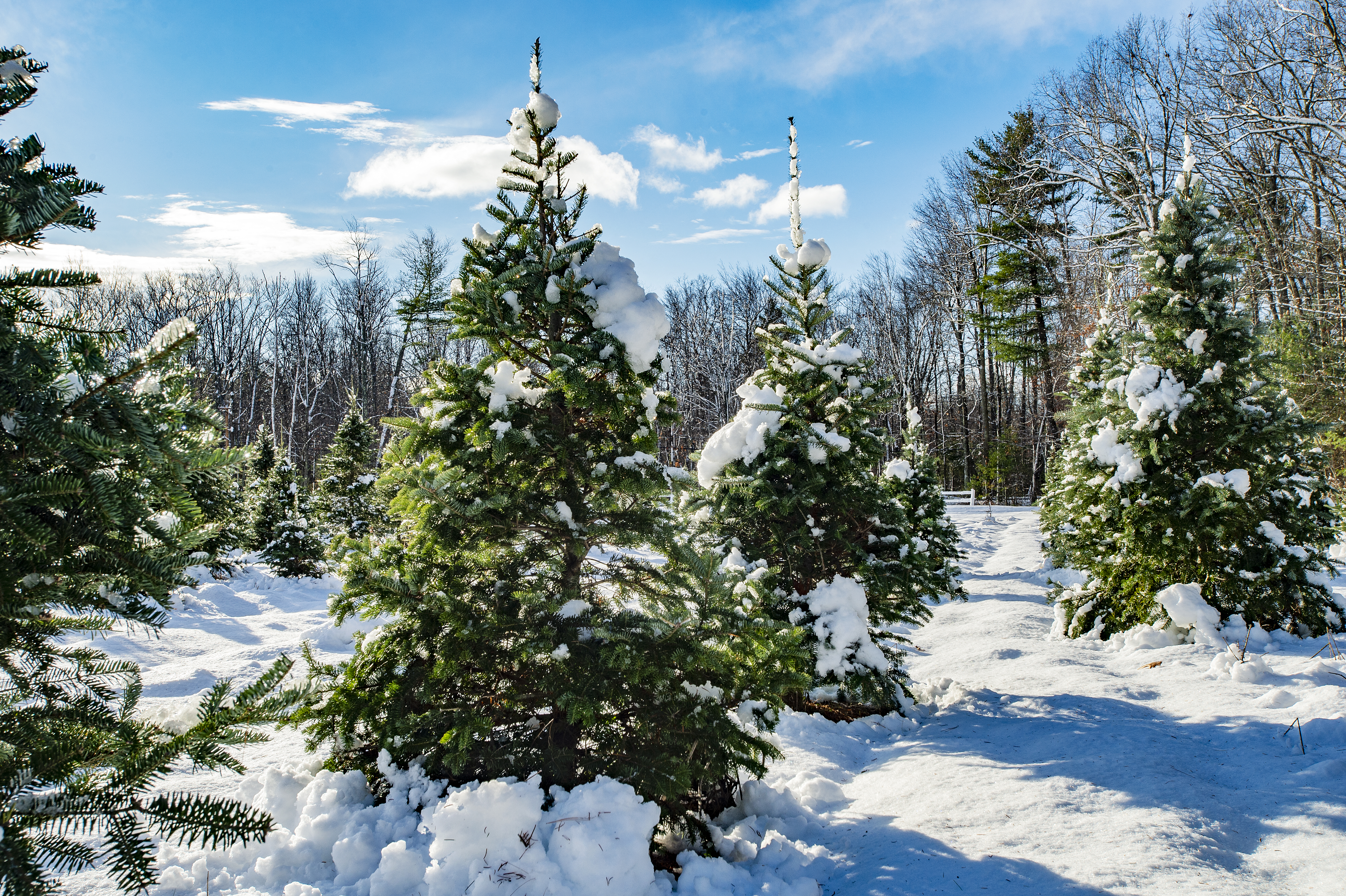
Long-term temperature rise and compounding weather disasters are also hurting the most iconic holiday crop: Christmas trees. As I reported in January, Oregon and North Carolina produce the most Christmas trees in the United States, but warmer winters and longer growing seasons are leading to stunted growth and a surge in pest outbreaks that can decimate supplies.
“When we grow Christmas trees, we typically are taking them out of their natural habitat, particularly with Fraser fir,” Justin Whitehill, a forestry researcher at North Carolina State University who studies Christmas trees, told me a year ago.
“Taking them out of their sort of natural range, we’re already putting a lot of stress on them,” and climate-fueled warming only adds to that, he added. Whitehill and other scientists—including an entire Christmas tree program at Oregon State University—are experimenting with new breeds or genetic modifications to help make the trees more resistant to pests and heat.
Pro tip: Researchers also told me that once the holiday season is over, you can donate your natural Christmas tree (after you’ve removed the ornaments and tinsel) to wildlife agencies around the country. They use them to help provide crucial habitats for freshwater fish.
Climate Scrooge: The subjects of some of the most famous Christmas carols are also at risk as global temperatures rise. Reindeer—also known as caribou in North America—face over a 50 percent decline by the end of the century due to climate-fueled habitat loss and overheating, according to a study published in August.
These antlered creatures thrive in Arctic habitats such as tundra and boreal forests, where they help maintain vegetation and plant diversity. Using fossils and ancient DNA, researchers simulated how warming events over the past 21,000 years affected reindeer populations to help predict how they will do in the future under different warming scenarios.
They found that modern-day rates of temperature rise could decimate reindeer populations more than any of those in the past.
“Continued losses will likely further exacerbate climatic warming through release of soil carbon to the atmosphere, which, of course, would further threaten reindeer and caribou, as well as ourselves,” study co-author Eric Post, a professor at the University of California, Davis, said in a statement. “For thousands of years, the well-being of our own species has benefited directly from healthy reindeer and caribou populations. Now more than ever, we need to ensure their well-being in turn.”
Meanwhile, Frosty the Snowman and the white Christmas you may be dreaming of are also disappearing amid rapid warming. The chances of having at least one inch of snow on Christmas Day—the metric for what the National Weather Service deems a “white Christmas”—are “gradually decreasing across the Southern United States, and this trend is slowly moving north,” according to the federal government. It’s important to note that snow was never that common on Christmas Day for many states, Time magazine reports.
“People tend to remember that one snowy Christmas, and they forget that it was surrounded by five Christmases that weren’t,” David Robinson, New Jersey’s state climatologist and a Rutgers University professor whose research focuses on snow cover, told Time.
But records reveal a clear trend of warming winters overall, with average temperatures rising nearly 4 degrees Fahrenheit in almost 250 U.S. cities since 1970, according to an analysis of federal data by Climate Central. Holiday shopping may be accelerating this trend, with millions of emissions generated each year due to product manufacturing, packaging, shipping and waste.
It doesn’t end there: Roughly 15 percent of purchases made during the holiday season are returned. I reported on this “reverse supply chain” last year and was shocked to learn how returns’ carbon pollution compares to that of the initial deliveries.
As we enter the last-minute scramble to purchase gifts, environmentalists are urging consumers to reduce their impact by finding lower-waste options. Shopping local, buying secondhand or even giving experiences instead can help.
More Top Climate News
Speaking of holiday shopping: Sachi Kitajima Mulkey and Rebecca Egan McCarthy reported a deep dive for Grist and The Nation on the worsening environmental impact of fast fashion. The clothing trade generates roughly 170 billion garments annually, and around half are disposed of within a year of purchase. Along with this waste, fashion supply chains produce as much as 10 percent of global greenhouse gas emissions and use copious amounts of water. The story walks through the entire life cycle of some closet staples—from boots to jeans—and how to make it cleaner.
Heavy rains pummeled Washington state last week, triggering the evacuation of more than 100,000 people across the state, The New York Times reports. The downpour caused widespread flooding in the western part of the state, especially along rivers, where rescuers had to use boats to retrieve people stuck in their homes. On Monday, the flooding caused a levee breach in a suburb outside Seattle. But emergency crews were able to get it mostly under control, in part by constructing a temporary sandbag wall.
As infrastructure from hail damage balloons in the U.S., researchers are performing simulations and experiments to better predict how the balls of ice will affect homes and how insurance companies can respond, Chris Baraniuk reports for Wired. Last year, hail cost the U.S. more in damages than hurricanes and floods—combined. Scientists are still sussing out the climate connection to these storms—early evidence suggests climate change may be fueling larger, more damaging hail—but either way, it’s clear that the financial toll is growing. Now, consultants and researchers are simulating their own hail assaults on building materials to help industries adapt.
Postcard From … California

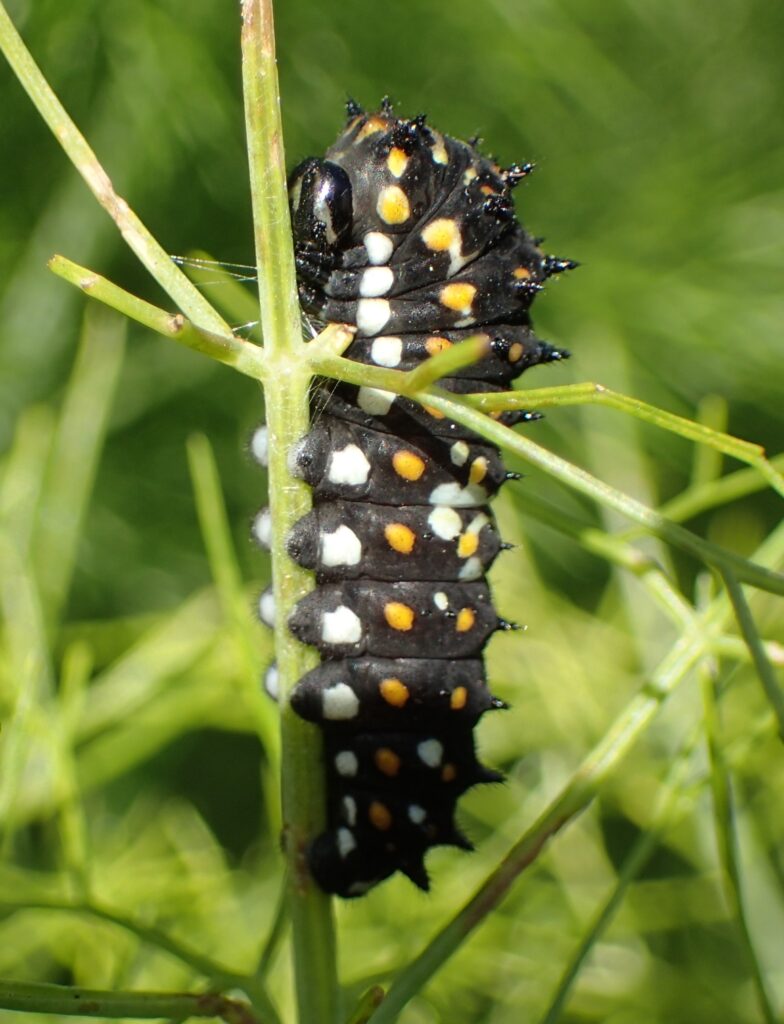
For this installment of “Postcards From,” one of our readers, Jett, sent photos from Berkeley, California, of anise swallowtails in their caterpillar forms. These little critters were feeding on fennel plants and will eventually metamorphose into bright yellow butterflies.
“The orange bulges on the lighter coloured animal aren’t eyes; they’re its [osmeteria], a defensive organ that they extend when feeling threatened,” Jett said. It “works two ways: startling potential predators and emitting a foul stink.”
Today’s Climate readers, please keep sending in your photos for our “Postcards From” feature to [email protected]. We love seeing how you all interact with nature and the wildlife around you.
About This Story
Perhaps you noticed: This story, like all the news we publish, is free to read. That’s because Inside Climate News is a 501c3 nonprofit organization. We do not charge a subscription fee, lock our news behind a paywall, or clutter our website with ads. We make our news on climate and the environment freely available to you and anyone who wants it.
That’s not all. We also share our news for free with scores of other media organizations around the country. Many of them can’t afford to do environmental journalism of their own. We’ve built bureaus from coast to coast to report local stories, collaborate with local newsrooms and co-publish articles so that this vital work is shared as widely as possible.
Two of us launched ICN in 2007. Six years later we earned a Pulitzer Prize for National Reporting, and now we run the oldest and largest dedicated climate newsroom in the nation. We tell the story in all its complexity. We hold polluters accountable. We expose environmental injustice. We debunk misinformation. We scrutinize solutions and inspire action.
Donations from readers like you fund every aspect of what we do. If you don’t already, will you support our ongoing work, our reporting on the biggest crisis facing our planet, and help us reach even more readers in more places?
Please take a moment to make a tax-deductible donation. Every one of them makes a difference.
Thank you,

Kiley Price
Reporter
Kiley Price is a reporter at Inside Climate News, with a particular interest in wildlife, ocean health, food systems and climate change. She writes ICN’s “Today’s Climate” newsletter, which covers the most pressing environmental news each week.
She earned her master’s degree in science journalism at New York University, and her bachelor’s degree in biology at Wake Forest University. Her work has appeared in National Geographic, Time, Scientific American and more. She is a former Pulitzer Reporting Fellow, during which she spent a month in Thailand covering the intersection between Buddhism and the country’s environmental movement.