

The wild swings between recent presidential administrations are especially dizzying on Alaska’s North Slope. The first Trump administration sought to expand oil drilling deeper into sensitive habitats. The Biden administration allowed some drilling paired with broader protections meant to last.
Now, a second Trump administration is backing a relentless effort to open access to oil companies even in areas local Iñupiat people consider most vulnerable to disturbance.
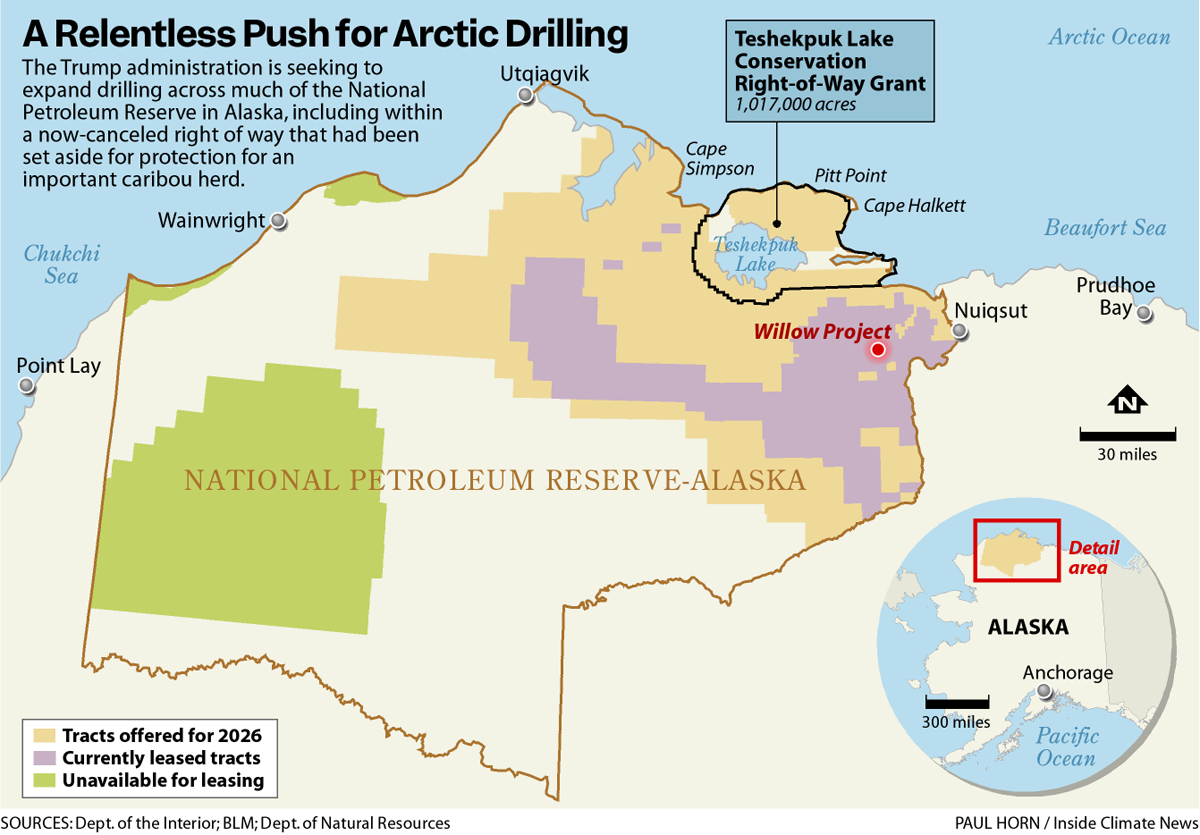
On Tuesday, environmentalists and an Iñupiat group filed two lawsuits seeking to block a lease sale scheduled for March that would offer 5.5 million acres within the National Petroleum Reserve in Alaska, an area the size of Indiana that, despite its name, is largely undeveloped wilderness.
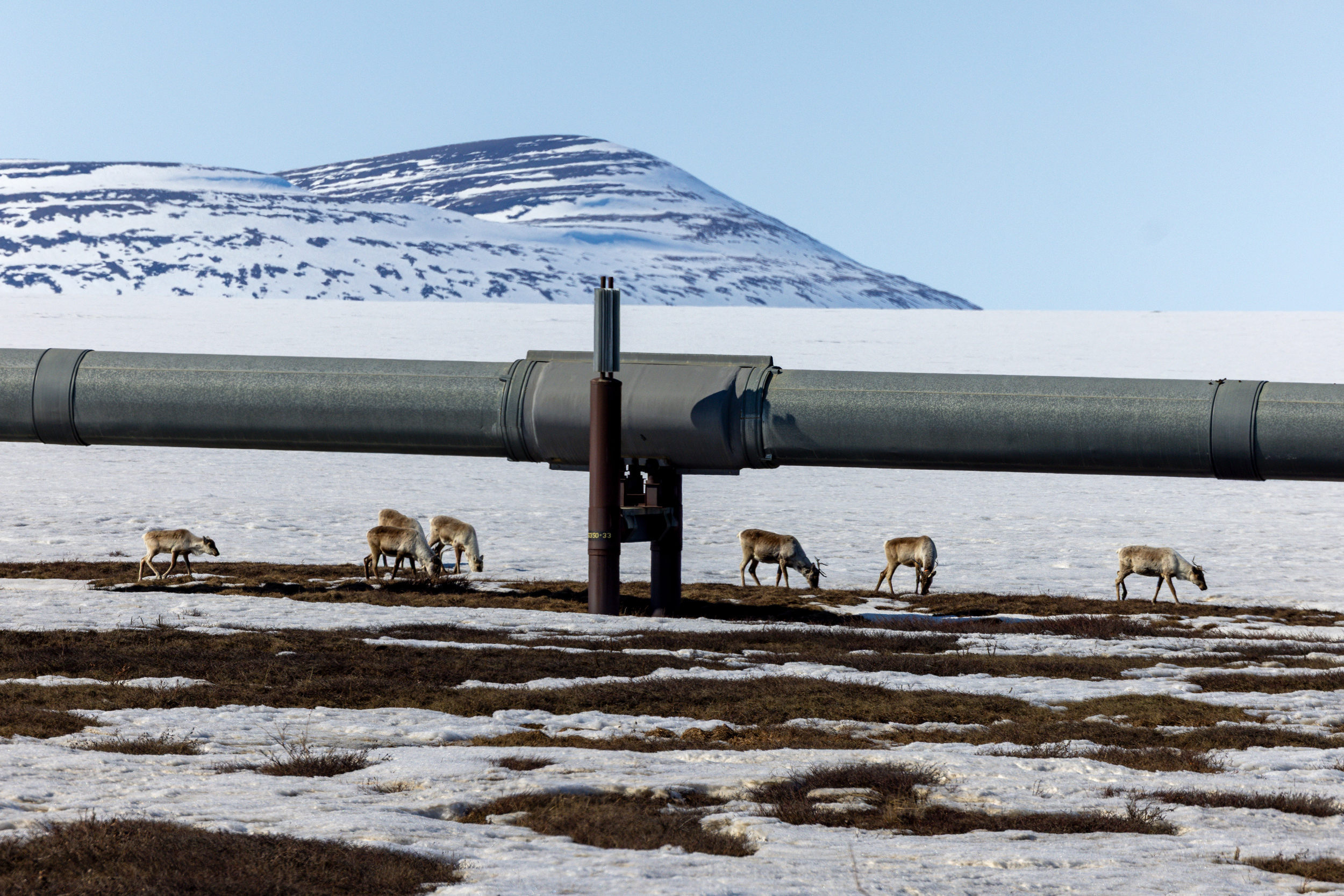
The sale would include the calving grounds for the Teshekpuk Caribou Herd, a critical subsistence source for many Iñupiat living in the nearby village of Nuiqsut and other communities. Some of these areas have never before been offered for lease and were subject to a right-of-way agreement that the Bureau of Land Management signed in 2024 with Nuiqsut leaders that promised to keep the lands protected from development.
The Trump administration canceled that agreement in December, saying it was improperly issued, paving the way for next month’s lease sale.
“We’ve been through so much, and there were promises given to us that this area would be protected given what we’ve been through,” said Rosemary Ahtuangaruak, founder of Grandmothers Growing Goodness, a plaintiff in one of the lawsuits. “Now they’re ripping out these promises, and what are we going to even try to get for the next promises when they’re not honoring existing promises?”
The U.S. Department of the Interior, which manages the petroleum reserve through the Bureau of Land Management, declined to comment for this article.
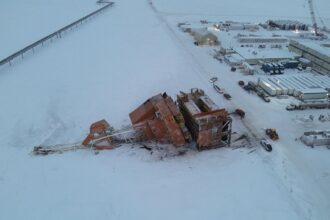
The areas in question would continue a westward march of oil drilling that has spread across the North Slope. In 2023, the Biden administration approved ConocoPhillips’ Willow oil project, just west of Nuiqsut, which is currently being developed. Last year, ConocoPhillips won approval for an exploration program beyond the borders of that project. Last month, an oil rig that was on its way to work on that exploration effort toppled onto the tundra, spilling thousands of gallons of diesel fuel.
Each of these projects has pushed ice roads, seismic trucks, well pads and drilling rigs deeper into caribou habitat. Already, Ahtuangaruak said, the animals have been pushed farther from Nuiqsut on their seasonal migrations, making hunting more difficult and dangerous.
“If they don’t come through,” Ahtuangaruak said of the caribou hunts, “it’s a long dark winter.”
According to the lawsuit, about half of Nuiqsut households cannot obtain enough subsistence foods and one-quarter report going through times without enough to eat. Importing food to the remote region is expensive, making local sources of subsistence all the more important.
Drilling in the area is subject to layers of agreements and rules that have whipped back and forth between administrations. When the Biden administration approved the Willow project in 2023, it took pains to say that it was trying to limit the damage that work would cause to the ecosystem. The Interior Department limited the number of well pads ConocoPhillips could drill from, and the company agreed to relinquish rights to 68,000 acres, the majority of which were within the Teshekpuk Lake Special Area.
The department also said it would propose rules to restrict drilling and other industrial activity in more than 13 million acres of designated Special Areas within the reserve, “places collectively known for their globally significant intact habitat for wildlife, including grizzly and polar bears, caribou, and hundreds of thousands of migratory birds.”
This story is funded by readers like you.
Our nonprofit newsroom provides award-winning climate coverage free of charge and advertising. We rely on donations from readers like you to keep going. Please donate now to support our work.
Donate NowThe following year, as part of the mitigation plan required for the Willow project, the Bureau of Land Management issued a right of way to the city of Nuiqsut, the tribal government and Kuukpik, the Native corporation for Nuiqsut. The agreement allowed local leaders to protect 1 million acres of land critical to the Teshekpuk Caribou Herd from oil and gas activity.
While the right of way was within the Teshekpuk Lake Special Area, which was itself subject to new protections, the deal was intended to provide “more durable protections” and give more control to local people, according to a press release from the BLM when the agreement was signed. The deal was part of larger mitigation plans required in the approval of the Willow project.
Over the last year, the Trump administration reversed all those steps.
That culminated in the decision to cancel the right of way and a separate action to allow drilling on more than 80 percent of the petroleum reserve.
The groups that secured the right of way sued the Interior Department in January, arguing that the cancellation was illegal. Representatives of the tribal government and Kuukpik corporation did not immediately respond to requests for comment. Inside Climate News was unable to reach anyone at the city of Nuiqsut.
The lease sale was mandated by the One Big Beautiful Bill Act, which President Donald Trump championed and Congress passed last year.
Ben Tettlebaum, acting senior legal director at The Wilderness Society, which filed the lawsuit with Grandmothers Growing Goodness, said the National Petroleum Reserve is a misnomer. While it was set aside by Congress to serve as an emergency oil supply for the Navy, he said, “the vast majority of the reserve is one of the last intact ecosystems that we have. It’s incredibly rich ecologically. It’s critically important for the North Slope communities that depend on it for subsistence.”
And it’s not just locals, Tettlebaum said. “The birds in our backyard, they depend upon this area for nesting, for breeding.”
A second lawsuit challenging the upcoming lease sale was filed Tuesday by the Center for Biological Diversity and Friends of the Earth.
Farther east, separate Indigenous groups have also filed lawsuits seeking to block plans for opening the Arctic National Wildlife Refuge to oil development.
Ahtuangaruak, who has long fought against oil expansion near Nuiqsut, described an uphill battle.
“We’re left with living with the risk of what they’re doing to change our lands and waters,” Ahtuangaruak said. “And there’s nothing we can do about it, no matter how hard we try. Others keep letting it happen.”
About This Story
Perhaps you noticed: This story, like all the news we publish, is free to read. That’s because Inside Climate News is a 501c3 nonprofit organization. We do not charge a subscription fee, lock our news behind a paywall, or clutter our website with ads. We make our news on climate and the environment freely available to you and anyone who wants it.
That’s not all. We also share our news for free with scores of other media organizations around the country. Many of them can’t afford to do environmental journalism of their own. We’ve built bureaus from coast to coast to report local stories, collaborate with local newsrooms and co-publish articles so that this vital work is shared as widely as possible.
Two of us launched ICN in 2007. Six years later we earned a Pulitzer Prize for National Reporting, and now we run the oldest and largest dedicated climate newsroom in the nation. We tell the story in all its complexity. We hold polluters accountable. We expose environmental injustice. We debunk misinformation. We scrutinize solutions and inspire action.
Donations from readers like you fund every aspect of what we do. If you don’t already, will you support our ongoing work, our reporting on the biggest crisis facing our planet, and help us reach even more readers in more places?
Please take a moment to make a tax-deductible donation. Every one of them makes a difference.
Thank you,