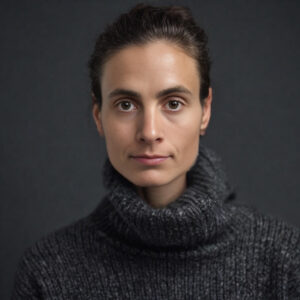
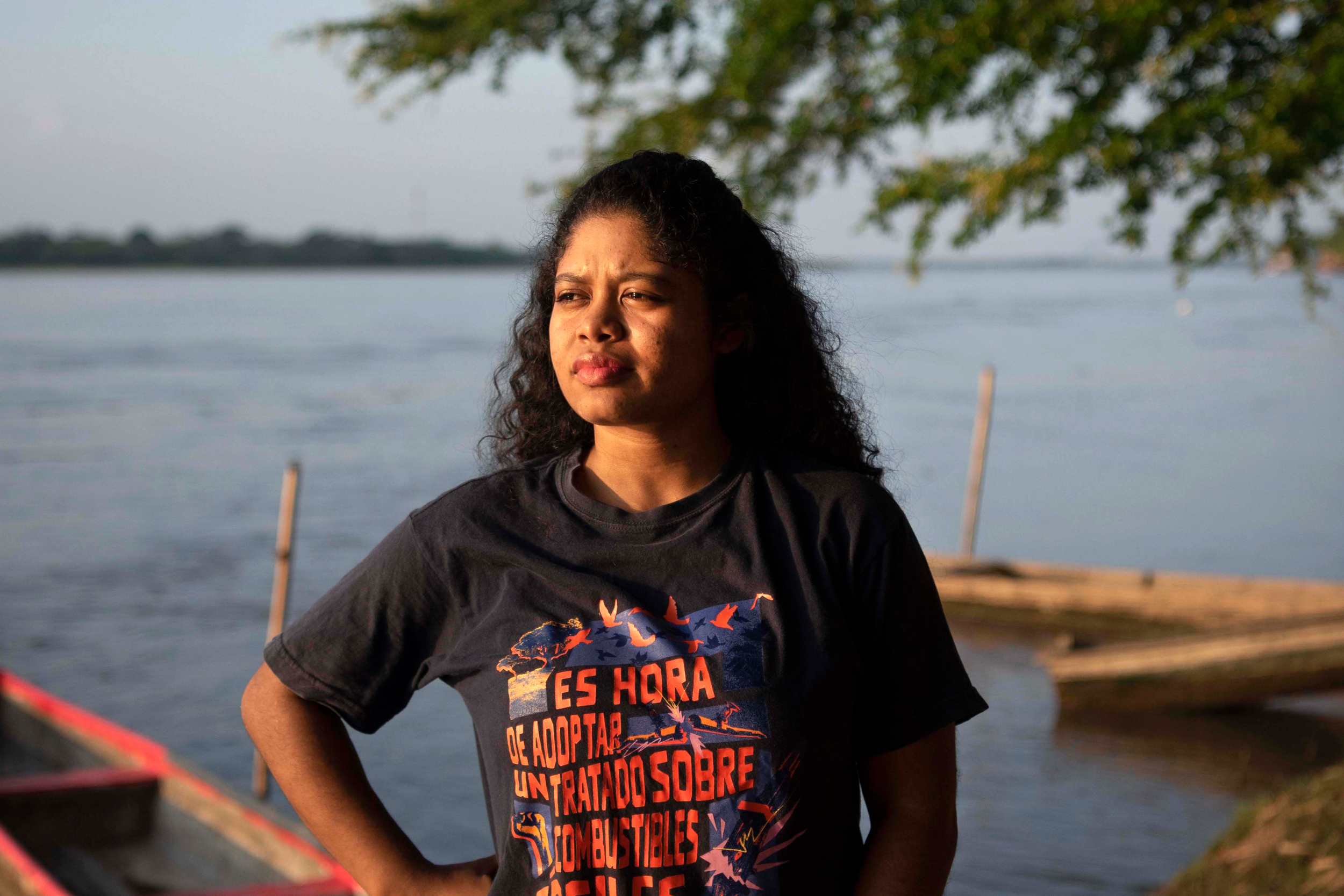


As a child growing up along the banks of Colombia’s Magdalena River, Yuvelis Morales Blanco learned to read the water.
“Dark spots on the river meant that we were not going to eat,” she recalled.
One of those slicks—oil spills from the country’s powerful fossil fuel industry—killed thousands of animals and forced hundreds of residents to relocate in 2018. That included people in Morales Blanco’s Afro-Colombian fishing community in Puerto Wilches, a tropical river town located in one of Colombia’s most biodiverse regions. Just 16 at the time, she emerged from the crisis as one of Colombia’s fiercest environmental defenders.
Now 24, Morales Blanco has been awarded the Goldman Environmental Prize—often called the “Green Nobel”—for her role in helping halt hydraulic fracturing, or fracking, in Colombia. That effort reflects a broader legal and moral argument: that ecosystems like the Magdalena River should be treated not as resources to exploit, but as living systems with rights.
Her work, part of the growing rights of nature movement, has centered on protecting her hometown from fracking pilot projects proposed in Puerto Wilches around 2019. Fracking—an extraction method that blasts water, sand and chemicals into rock to release fossil fuels—is notorious for its environmental toll. The process has been linked to groundwater contamination, aquifer depletion, seismic activity and serious human health impacts, including cancer and birth defects.
In response, Morales Blanco co-founded Aguawil, a youth-led anti-fracking organization, in 2019. Its members organized protests and went door-to-door, translating complex technical information about fracking into the daily realities of local fishers and farmers.
As the town became a focal point in the debate over Colombia’s fossil fuel industry, Morales Blanco warned her neighbors that promises of prosperity from expanded fossil fuel production were hollow. Decades of drilling, she argued, had already contaminated ecosystems but Puerto Wilches’ 30,000 residents still lacked basic services like quality healthcare and education.
Then the backlash came. One resident warned Morales Blanco she would get herself killed. Two years later, she received her first death threat. In 2022, after a peaceful protest she helped organize, armed men arrived at her home. Colombia is consistently ranked among the world’s most dangerous countries for environmental defenders—in 2022, more than a third of all recorded killings occurred there. Morales Blanco fled, temporarily relocating to France.
Weeks later, a Colombian court suspended fracking projects pending community consultations. Soon after, newly elected president Gustavo Petro imposed a nationwide moratorium on fracking. But on May 31, Colombians will return to the polls to elect a new president—raising the possibility that the ban could be reversed.
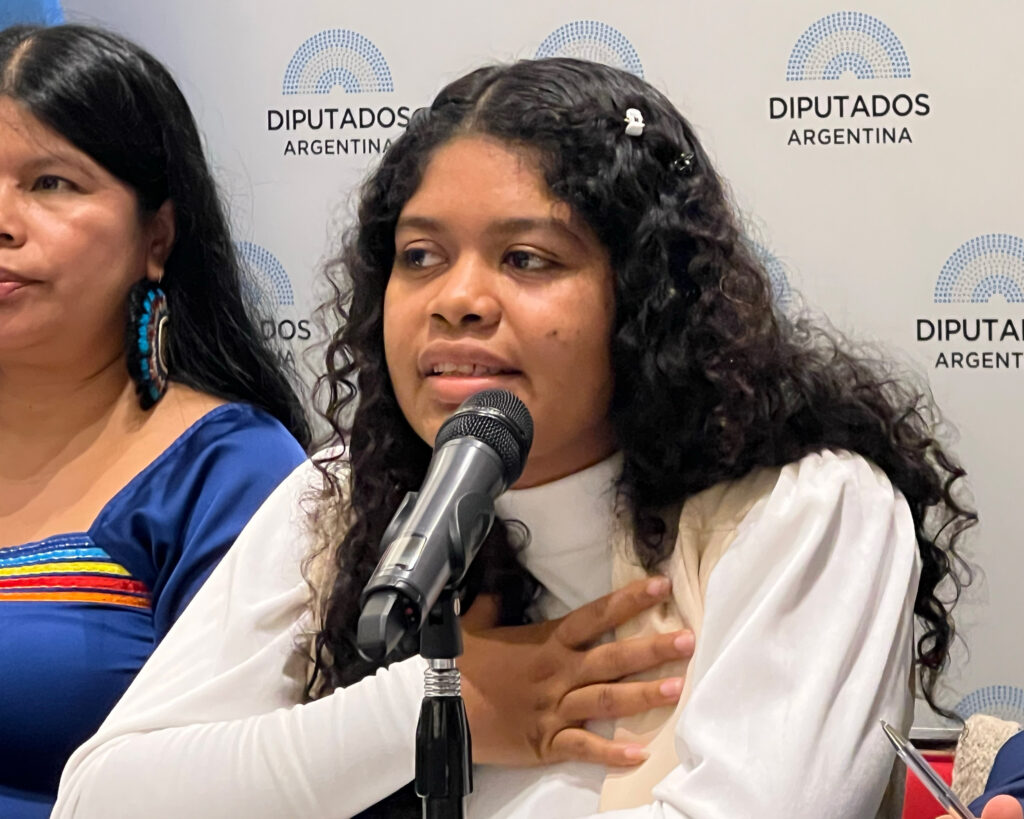
Morales Blanco is one of six recipients of this year’s Goldman Prize and part of the first all-women cohort in the award’s 37-year history, underscoring the central role women play in frontline environmental struggles worldwide. Women are often both disproportionately affected by environmental harm and at the forefront of efforts to confront it.
Inside Climate News talked with Morales Blanco about her advocacy work, including her role in the rights of nature movement.
This conversation has been translated from Spanish and lightly edited for length and clarity.
KATIE SURMA: You’ve described the Magdalena River as “like a mother.” How has that relationship shaped the way you see your work today?
YUVELIS MORALES BLANCO: The Magdalena region is a very complex region socially and also very biodiverse, so this has helped me to live passionately and to defend it with all my heart. I’m the daughter of the river, and I look at nature not as a resource, but as life itself.
The region is at the heart of our lives. It’s part of our life, part of our family and part of ourselves. It is what shows us that there is something bigger than us, and this vision is what helps us continue to move forward and to dream of a future with peace and dignity, away from the effects of the fossil fuel industry.
“I’m the daughter of the river, and I look at nature not as a resource, but as life itself.”
SURMA: How does your anti-fracking advocacy connect to your work promoting the rights of nature movement?
MORALES BLANCO: It’s often the case that we see nature as something to serve us, something to be used for humans. We believe we have the right to govern it. We’ve never been asked how it is to live among nature, not to look at it as a resource but as a fundamental part of who you are.
When a community loses a river, the impact is not only about the water itself. It’s about the river, its spirit, the way that people see the spirit. Sometimes companies come and tell the people, “We’ll give you energy,” and people think that’s great, we need that energy—but at what price? Or, “We’ll give you a refinery,” but at what cost?
Nature is everything. It’s what gives us life itself. No one has ever been able to live without water, but man has been able to live without fossil fuels.
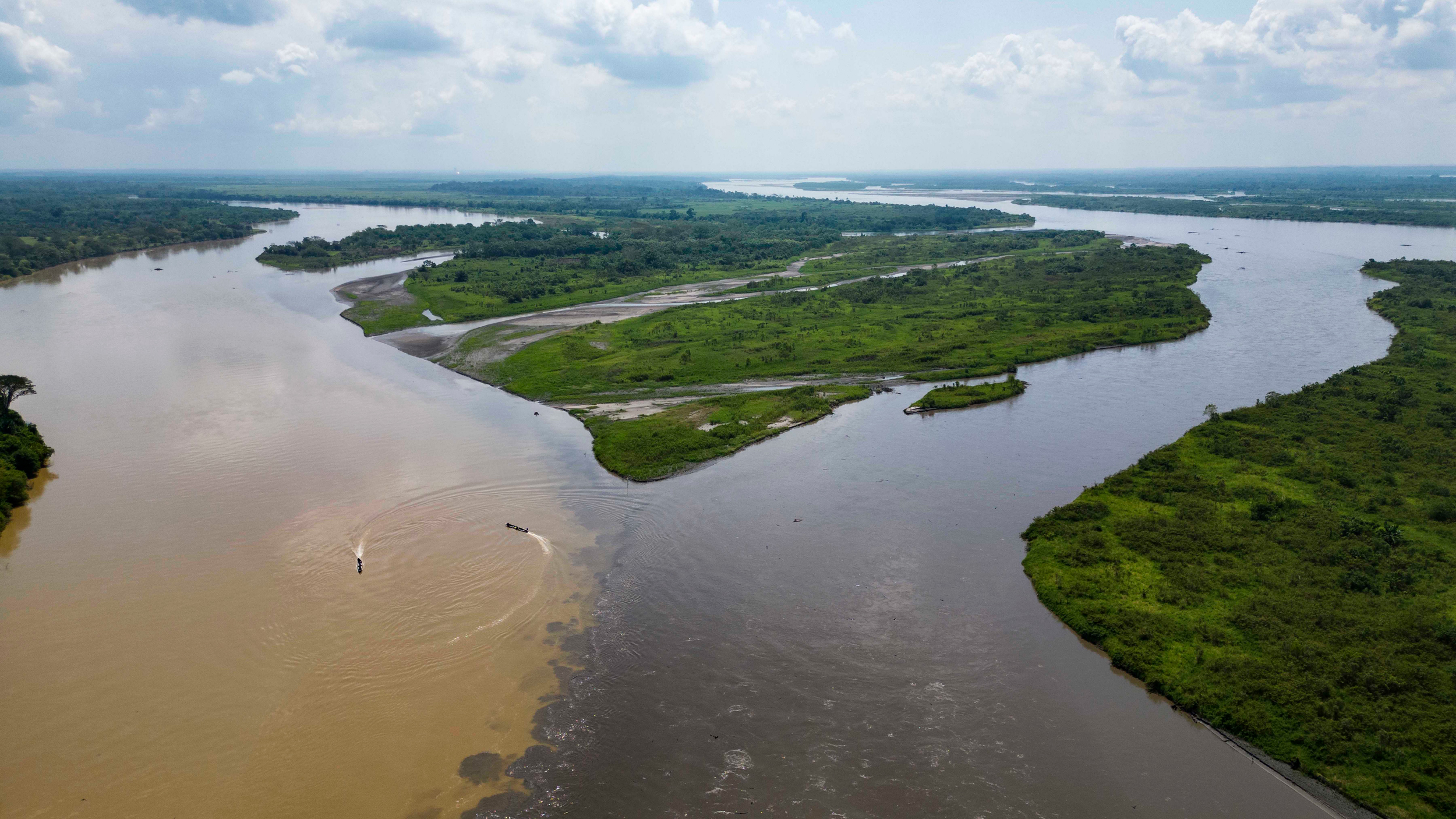
The fracking industry in Colombia and in all countries justifies its presence by framing water as a mere resource to be consumed or managed for industrial needs. But frontline communities in Colombia and across the globe are rejecting this logic, asking instead: Why must our rivers be dried up and our waterways dammed to fuel an industry that threatens our very existence?
Communities take care of nature and defend the rights of nature not only because they need it for subsistence, but because it’s part of their true identity, who they are. That’s why the fight against fracking in Colombia, in Argentina, in the United States and in Mexico continues. It’s a fight for human rights, a fight for the rights of nature and the rights of the youth and children to have what we have today.
SURMA: What strategies proved most effective in slowing or stopping the fracking pilot projects along the Magdalena River?
MORALES BLANCO: The main strategy is networks. In the Colombia Free of Fracking Alliance, we think that networks are the string that ties communities together. We also see the battle to defend the territory as something where one can think you’re alone, but you’re not. There are hundreds of organizations that are also working on this effort.
This story is funded by readers like you.
Our nonprofit newsroom provides award-winning climate coverage free of charge and advertising. We rely on donations from readers like you to keep going. Please donate now to support our work.
Donate NowWe also think about this as an educational movement—we have schools where we educate ourselves, the community and the youth in regards to the rights of nature.
Another strategy that’s been successful is having visibility. We’re protected by that. When the world sees what we’re going through and is aware of the threats we’re facing, the world itself goes into action to protect us.
We also never give up.
SURMA: You faced threats that ultimately forced you into exile in France for a period of time. How did that experience affect you?
MORALES BLANCO: It’s no secret that Colombia is one of the most dangerous places for activists working on social justice and the environment, and ironically, it’s also one of the most biodiverse areas on the planet.
It’s true I suffered threats and displacement, but it’s an experience that many people have faced. That’s why I feel it’s important that Colombian communities have a right to participation, to defend nature and to have protections when fighting against these industries. It’s really unjust what’s happening in our country and the southern part of the world, that the oil and gas industries continue to move forward despite the cost—the cost of life.
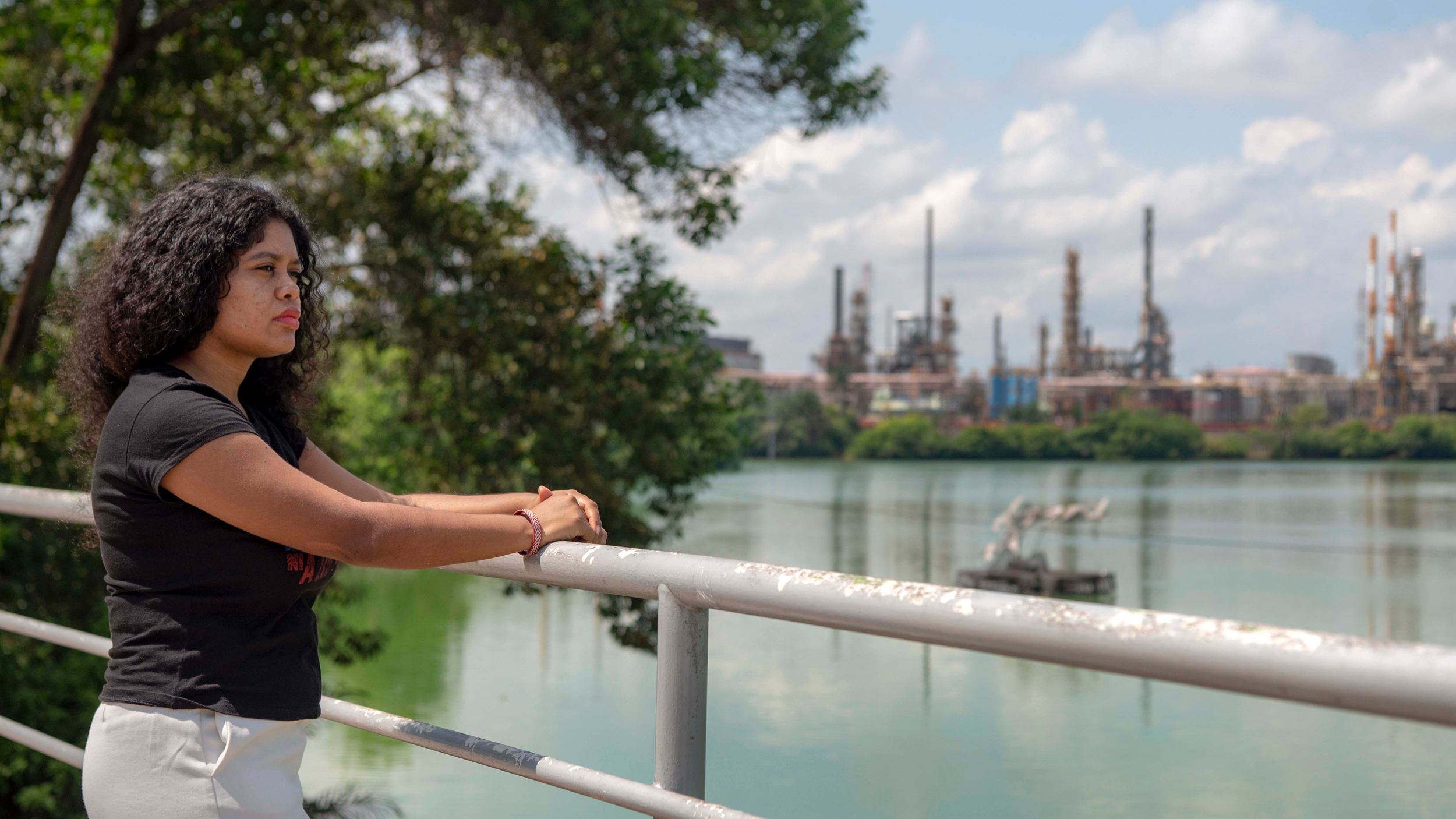
SURMA: Colombia will have presidential elections in May. How concerned are you that fracking could return?
MORALES BLANCO: Voters face two polar opposites in these elections: one that is advocating for total destruction of nature and violation of human rights, and the other that thinks about defending life and humanity.
We will continue to fight no matter what government is in place because we’re independent. We will always continue to fight for the rights of nature. I am still in Colombia and still part of the Colombia Free of Fracking Alliance, and we continue to defend life, the community and the territory.
In late April, Colombia is hosting the First Conference on Transitioning Away from Fossil Fuels in Santa Marta. I’d like to make a call to action for people to imagine a future beyond fossil fuels. From there, we hope communities—agricultural, farming, fishing communities—can begin to dream of a world and create a vision of a world beyond fossil fuels. The biggest call to action is to imagine what’s possible and then to make it a reality.
SURMA: You are part of the first all-women cohort of Goldman Prize winners. How do you see the role of women in environmental defense, particularly in Colombia?
MORALES BLANCO: We live in the southern region, with all that entails, living in this part of the world. Injustice deepens when you’re a woman, and especially when you’re a woman of color. This group of winners, all women, is a real call to society regarding the suffering we’ve had to face because of our leadership. This also shows how women in different parts of the world are fighting for life and to make social justice a right for everyone.
SURMA: What advice would you give your younger self, or to other women like you?
MORALES BLANCO: I think about embracing ourselves, and that might sound trivial, but it’s true that when I encounter other women, I feel inspired. I feel the support, and we help one another. The solidarity and tenderness women bring forth is our salvation. A lot of times we’re isolated, targeted and marginalized, so when we find one another, we find refuge and courage.
About This Story
Perhaps you noticed: This story, like all the news we publish, is free to read. That’s because Inside Climate News is a 501c3 nonprofit organization. We do not charge a subscription fee, lock our news behind a paywall, or clutter our website with ads. We make our news on climate and the environment freely available to you and anyone who wants it.
That’s not all. We also share our news for free with scores of other media organizations around the country. Many of them can’t afford to do environmental journalism of their own. We’ve built bureaus from coast to coast to report local stories, collaborate with local newsrooms and co-publish articles so that this vital work is shared as widely as possible.
Two of us launched ICN in 2007. Six years later we earned a Pulitzer Prize for National Reporting, and now we run the oldest and largest dedicated climate newsroom in the nation. We tell the story in all its complexity. We hold polluters accountable. We expose environmental injustice. We debunk misinformation. We scrutinize solutions and inspire action.
Donations from readers like you fund every aspect of what we do. If you don’t already, will you support our ongoing work, our reporting on the biggest crisis facing our planet, and help us reach even more readers in more places?
Please take a moment to make a tax-deductible donation. Every one of them makes a difference.
Thank you,