

The United States’ vanishing forests, wetlands and green spaces are not just an ecological crisis but a profoundly unequal one, falling hardest on poor people and communities of color, according to a new report.
On Monday the left-leaning policy institute Center for American Progress and the nonprofits Justice Outside and Conservation Science Partners released an analysis finding that communities of color face environmental degradation or destruction at three times the rate of white communities.
The burden also weighs heavily on poorer neighborhoods, with almost three-quarters of nature-deprived communities earning less than their state’s average household income.
“This is the extractive economy at work,” said Elizabeth Yeampierre, executive director of the environmental justice organization UPROSE.
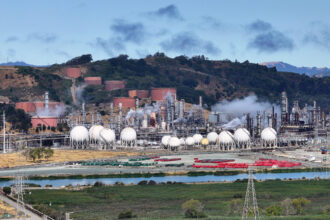
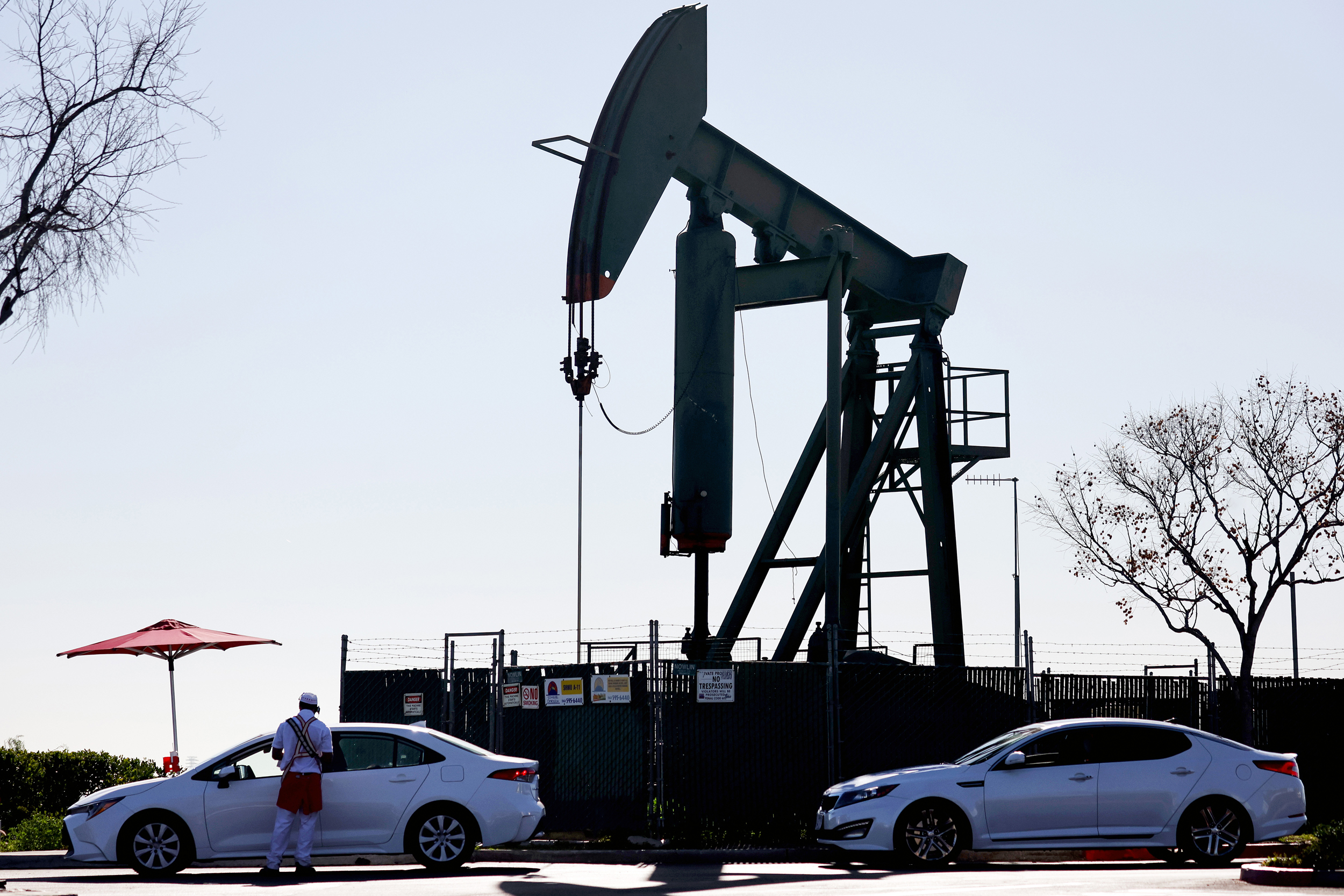
Yeampierre, who was not involved in the report, said in a written statement that she wasn’t surprised by the report’s finding that communities experiencing the greatest nature loss live the closest to oil and gas development, brownfields and other pollution sources.
“Fossil fuel extraction has always turned our communities into sacrifice zones,” Yeampierre said.
The report’s findings add to a growing body of research showing that access to nature is associated with better health, climate resilience and overall quality of life. As ecosystems are transformed into industrial sites and urban sprawl, people in communities already facing economic and racial inequities are left more exposed to extreme heat, flooding and pollution, deepening the country’s longstanding environmental and health disparities.
In their analysis, the authors tracked environmental degradation across the contiguous United States by mapping four types of human activity: agriculture and timber production, transportation, urban development and energy generation. The authors then looked at more than 50 indicators of socio-environmental vulnerability, including proximity to Superfund sites, oil and gas wells and extreme heat and flooding risks. Those regions were then compared to demographic data on race, ethnicity, income and other factors.
Urban areas along the East Coast—especially in Rhode Island, New Jersey and Connecticut, where 90 percent of nature-deprived areas are communities of color—are worst off.
But the authors stressed that the nature gap is a nationwide problem. Every state has hotspots where environmental degradation, social vulnerability and climate risk converge.
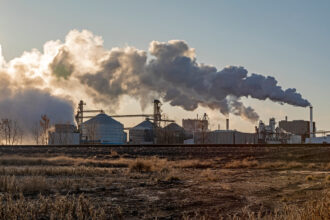
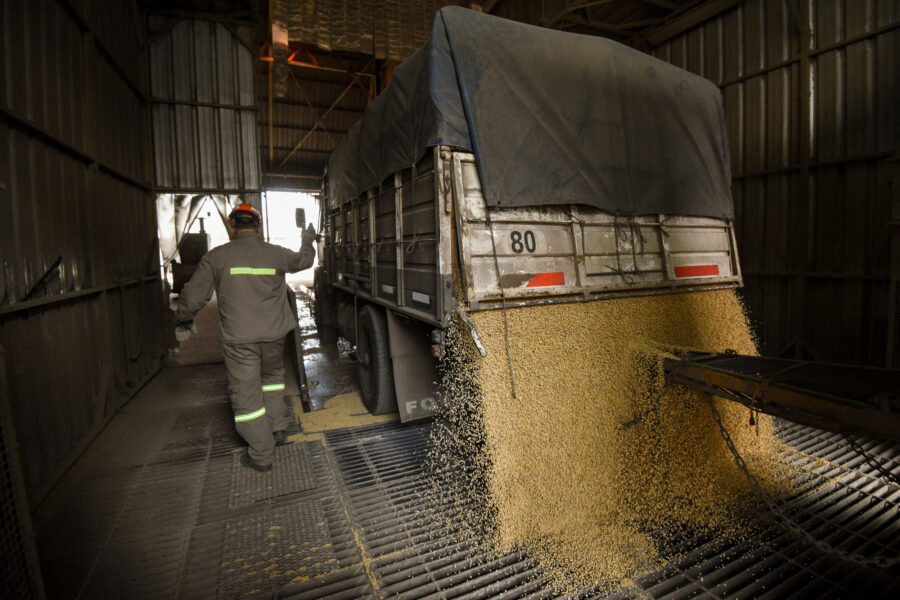
In the Midwest, for instance, large-scale agriculture covering more than 160 million acres is driving much of the region’s degradation. In those and other rural areas, a majority of nature-deprived communities are white and 65 percent of those most exposed to pesticides have low household incomes. Fertilizer and pesticide runoff can contaminate air and water, adding additional health risks to those communities.
The lack of access to healthy ecosystems is not random. The authors cited historical drivers: redlining, forced displacement of Indigenous peoples, discriminatory zoning and exclusion from the mainstream conservation movement.
In Chicago, where 85 percent of communities are nature-deprived, the main drivers are long-standing policy choices, the report said, including “historic land-use decisions, industrial development, and longtime discrimination from safe, accessible green spaces.”
“The nature gap has developed over centuries and its impacts cannot be attributed to any single presidency,” the authors said.
Even so, they noted that the “policies of the current administration are intensifying the problem.”
That includes President Donald Trump’s expansion of drilling, mining and logging on public lands; weakening of the Endangered Species Act and Clean Water Act; and drastic cuts to federal agencies that manage natural resources.
The White House did not respond to a request for comment about the report or the Trump administration’s policies.
For decades communities have pressed the government, industry and philanthropists to confront the inequities detailed in the report and center local expertise, said University of Michigan professor Kyle Whyte.
Whyte, a former member of the White House Environmental Justice Advisory Council who was not involved in the report, said that over the past year, “many of the democratic mechanisms and resources for doing so have been stripped away.” Among them: the White House Environmental Justice Advisory Council.
“Lives Shortened and Lost”
The human health consequences of ecosystem destruction are sweeping. Access to green space is linked to lower blood pressure, improved immune function and reduced rates of depression, cardiovascular disease and premature death. Trees filter pollutants and reduce asthma, wetlands help purify drinking water and buffer against storms and urban parks lower deadly heat exposure.
“Nature loss translates directly into lives shortened and lost,” the authors wrote.
Residents of low-income communities, people already likely to be in poorer health than high-income individuals, would benefit the most from living near green spaces—but they’re the least likely to have that, the report said.
This story is funded by readers like you.
Our nonprofit newsroom provides award-winning climate coverage free of charge and advertising. We rely on donations from readers like you to keep going. Please donate now to support our work.
Donate NowThey’re also most likely to live near polluting industries. The report noted that states such as Colorado, New Mexico and California have required new oil and gas wells to be set back from residences and schools due to well-documented health harms. Such sites release methane, benzene and particulate pollution that contaminate air, water and soil and are associated with a range of diseases, including cancer.
In January, the Trump administration sued California to block one of those laws.
The report found that, across the country, nearly half of the areas with the highest concentrations of oil and gas wells also have above-average numbers of families with children.
Mining, too, is associated with harm to human health. The report pointed to how decades of uranium mining on Diné Bikéyah, or Navajoland has been linked to cancers of the lung, kidney, stomach, liver and bones. On the Navajo Nation, 98 percent of communities are both non-white and have a low household income, the report said.
A Feedback Loop
For low-income communities, the health risks of nature loss are compounded by financial strain.
Nearly 60 percent of residents in nature-deprived areas live below the poverty line, and many are severely cost-burdened, spending more than half their income on housing, the report found.
Those pressures can trap families in neighborhoods with little green space. Renters—who make up 83 percent of residents in nature-deprived communities—often lack the authority to plant trees, improve property conditions or influence land-use decisions, the authors said.
Poorer Americans also generally cannot afford vehicles to access nature elsewhere, struggle to afford health care to address pollution-related illness and cannot afford home renovations that can mitigate environmental hazards.
The result, the authors said, is a reinforcing cycle in which economic inequality and environmental deprivation deepen each other, a pattern that also mirrors where communities face the greatest risks from climate-related shocks.
The authors highlighted several findings that illustrate this. Nationwide, about 6 percent of communities sit at the intersection of extreme flood risk and nature deprivation, most in coastal areas. Nearly three-quarters are communities of color. In Mississippi, which has a relatively short coastline, Latino communities face sea-level rise at a rate nearly 12 times that of non-Latino communities.
Extreme heat shows a similar pattern. It already kills more Americans each year than any other weather-related hazard. Nationally, 72 percent of communities of color live in areas facing both severe heat and a lack of nearby nature, compared with 28 percent of white communities. Nearly 80 percent of severely cost-burdened communities face this same double exposure.
Overall, places with the most extreme heat are 1.4 times more likely to overlap with nature-deprived areas—a risk intensifying as climate change drives more frequent and severe heat events.
This story was updated Feb. 23, 2026, with comments from University of Michigan professor Kyle Whyte.
About This Story
Perhaps you noticed: This story, like all the news we publish, is free to read. That’s because Inside Climate News is a 501c3 nonprofit organization. We do not charge a subscription fee, lock our news behind a paywall, or clutter our website with ads. We make our news on climate and the environment freely available to you and anyone who wants it.
That’s not all. We also share our news for free with scores of other media organizations around the country. Many of them can’t afford to do environmental journalism of their own. We’ve built bureaus from coast to coast to report local stories, collaborate with local newsrooms and co-publish articles so that this vital work is shared as widely as possible.
Two of us launched ICN in 2007. Six years later we earned a Pulitzer Prize for National Reporting, and now we run the oldest and largest dedicated climate newsroom in the nation. We tell the story in all its complexity. We hold polluters accountable. We expose environmental injustice. We debunk misinformation. We scrutinize solutions and inspire action.
Donations from readers like you fund every aspect of what we do. If you don’t already, will you support our ongoing work, our reporting on the biggest crisis facing our planet, and help us reach even more readers in more places?
Please take a moment to make a tax-deductible donation. Every one of them makes a difference.
Thank you,