

With New Jersey’s cost-of-living “crisis” at the center of Gov. Mikie Sherrill’s agenda, her administration has inherited a program that approved a $250 million tax break for an artificial intelligence data center.
Approved in November 2025 under the term of former Gov. Phil Murphy, the New Jersey Economic Development Authority granted the tax break to CoreWeave, a computing company based in Livingston.
The award is the first publicly known major incentive under New Jersey’s AI tax credit program, and it lands as lawmakers and regulators grapple with how to embrace the economic gains promised by AI while managing data centers’ power demands driving up electricity costs.
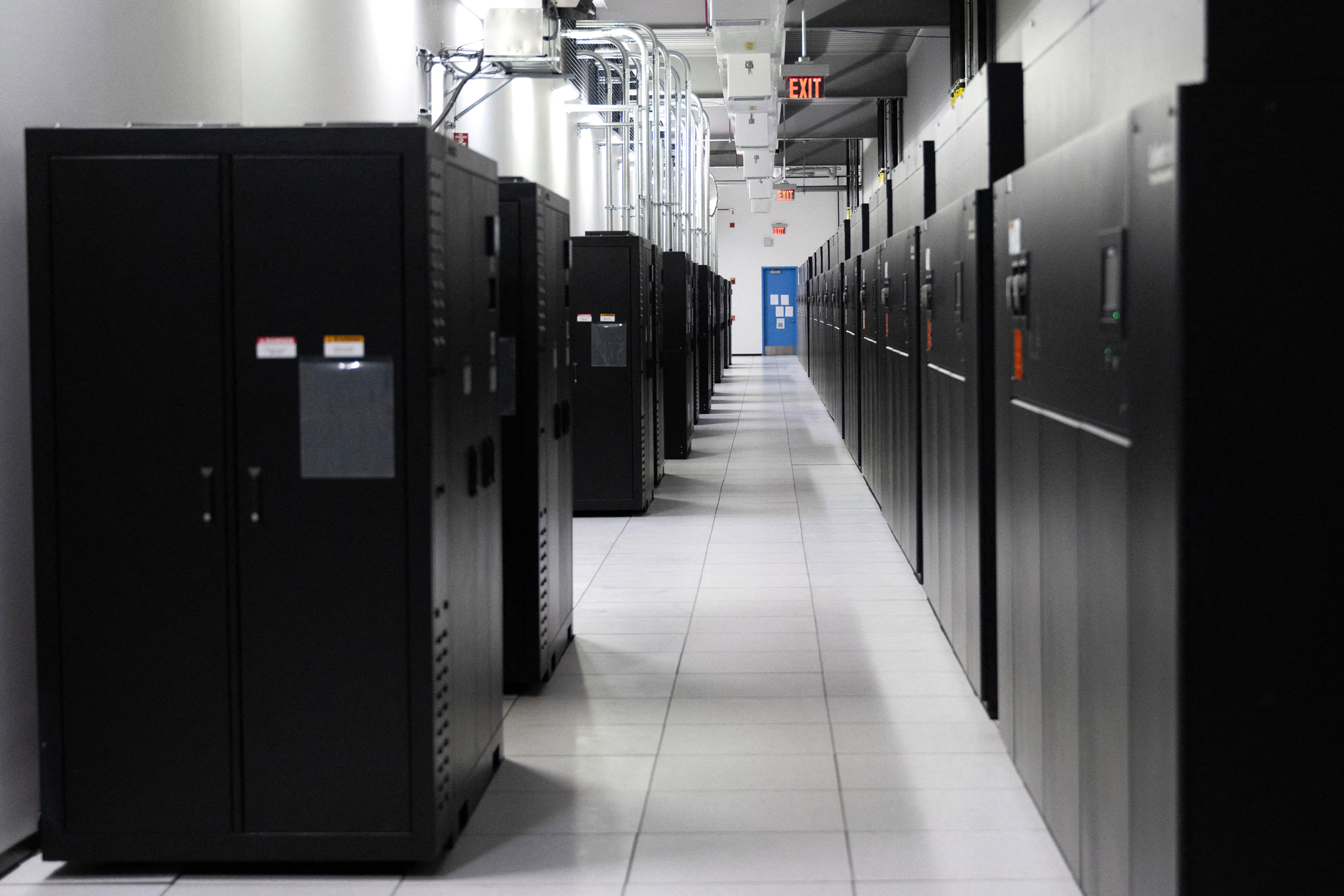
CoreWeave is building a 392,600-square-foot data center in Kenilworth, worth approximately $1.8 billion. From its application, CoreWeave promises to create 143 jobs paying above 120 percent of the county median salary. The tax credits will be $50 million per year over the first five years of a 10-year commitment to stay and keep the jobs in the state.
The incentive is performance-based, meaning the state can reduce or revoke the tax credits if CoreWeave fails to meet commitments, like creating jobs or staying and keeping them for the required decade.
The incentive is a part of the Next New Jersey AI program, a state-funded effort that seeks to attract AI-related investment. It was signed by Murphy in July 2024, about a year before electricity prices jumped across the state, largely due to the development of the power-hungry server farms.
“AI will be a transformative industry that will change lives and grow our economy, and New Jersey is ready to take the lead,” Murphy said in a prepared statement as he signed the legislation.
Fully built, CoreWeave says the Kenilworth campus could require up to 250 megawatts of power, roughly equivalent to the average electricity use of about 211,000 U.S. homes over a year.
The construction started mid-September 2025 and CoreWeave expects to start operating it by early 2027.
The development of the CoreWeave data center at Kenilworth comes as New Jerseyans are seeing the steepest electricity bill increases in years, driven in part by higher capacity market costs tied to rising power demand, including data center growth, and delays in bringing new generation online. Those market costs are set by PJM Interconnection, the nation’s largest grid operator serving parts of 13 states and the District of Columbia.
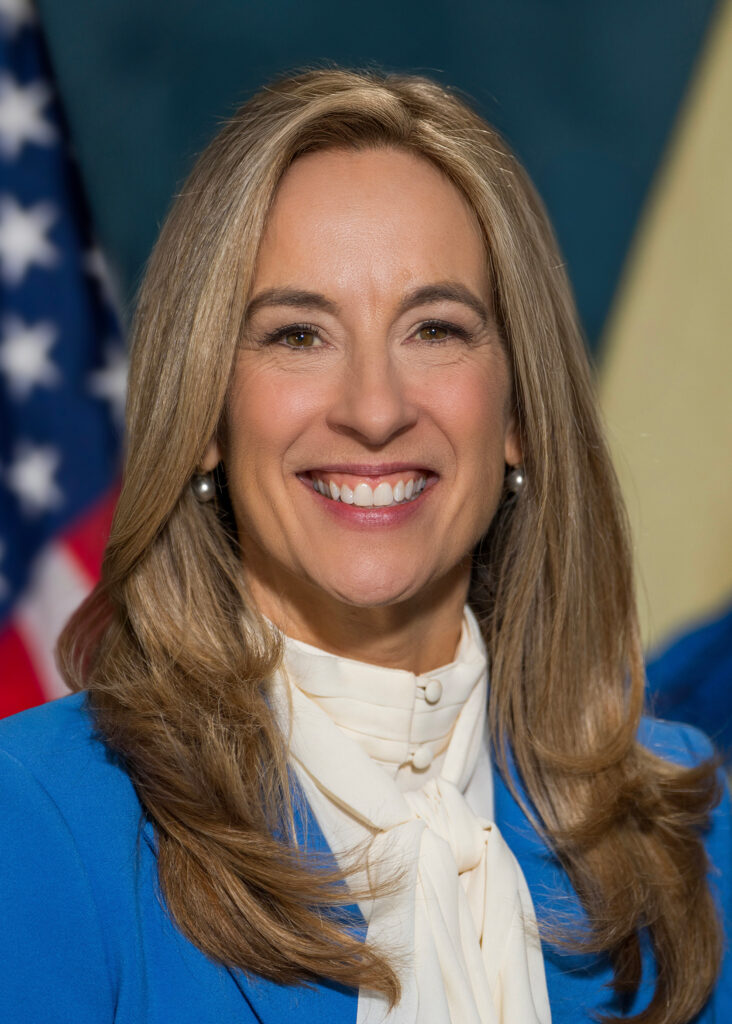
Asked how the governor views the tax break, Maggie Garbarino, Sherrill’s deputy press secretary, said: “New Jersey has earned a strong reputation as a hub for innovation, and Gov. Sherrill welcomes new opportunities to attract businesses—such as data centers—to our state.”
She added: “At the same time, the governor supports strong policies that do not burden residents with covering additional costs resulting from data center energy demand.”
CoreWeave and the New Jersey Economic Development Authority declined to comment.
Peter Chen, a senior policy analyst at New Jersey Policy Perspective, a nonpartisan think tank, questioned the need for the state to give AI companies tax breaks. He also said the Sherrill administration can still stop handing tax breaks to CoreWeave or future companies by tightening or reinterpreting the rules for approving the incentives.
“If AI is a booming industry, and this is an area where companies are throwing hundreds of billions of dollars into AI capital investment, why exactly does the state need to subsidize it?” Chen said.
Chen also questioned the benefits the data center will bring New Jerseyans. The tax break is funded by unused funds from New Jersey’s Aspire and Emerge programs, which supported post-pandemic recovery housing and commercial projects.
Both programs required that projects costing at least $10 million have a community benefits agreement, which ensured local community involvement.
One Aspire-supported project is the HELIX campus in New Brunswick, which has received over $734 million in tax credits across its phases for research labs, Nokia Bell Labs facilities, affordable housing and Rutgers medical student housing.
These are features absent from Next New Jersey AI’s mandates, which means CoreWeave does not have to have a community benefits agreement. Chen noted that the state’s agreement with CoreWeave only required that the company comply with “minimum environmental and sustainability standards.”
“And so the concern is, are we spending the state’s dollars, the state budget, on a program that actually benefits state residents? Or are we spending it on something that might actually have harms for state residents?” said Chen.
State Sen. Raj Mukherji, a Democrat representing Hoboken and Jersey City residents, was a primary sponsor of the Next New Jersey legislation. He said the state can both welcome AI companies through these tax breaks but also demand that they pay for raising electricity bills for everyone else.
“I think that we have a responsibility to our ratepayers to make sure data centers are paying for the upgrades that they require. But that doesn’t mean that we shouldn’t be pro-growth or competitive,” Mukherji said.
The New Jersey Legislature passed a bill under Murphy that would require big data centers to pay tariffs on electricity, but Murphy pocket-vetoed the measure before he left office in late 2025. It was refiled in the new legislative session, which started in January.
About This Story
Perhaps you noticed: This story, like all the news we publish, is free to read. That’s because Inside Climate News is a 501c3 nonprofit organization. We do not charge a subscription fee, lock our news behind a paywall, or clutter our website with ads. We make our news on climate and the environment freely available to you and anyone who wants it.
That’s not all. We also share our news for free with scores of other media organizations around the country. Many of them can’t afford to do environmental journalism of their own. We’ve built bureaus from coast to coast to report local stories, collaborate with local newsrooms and co-publish articles so that this vital work is shared as widely as possible.
Two of us launched ICN in 2007. Six years later we earned a Pulitzer Prize for National Reporting, and now we run the oldest and largest dedicated climate newsroom in the nation. We tell the story in all its complexity. We hold polluters accountable. We expose environmental injustice. We debunk misinformation. We scrutinize solutions and inspire action.
Donations from readers like you fund every aspect of what we do. If you don’t already, will you support our ongoing work, our reporting on the biggest crisis facing our planet, and help us reach even more readers in more places?
Please take a moment to make a tax-deductible donation. Every one of them makes a difference.
Thank you,

Rambo Talabong
Contributor
Rambo Talabong is a multimedia climate reporter based in New York City. Before moving to the U.S., he led award-winning investigations into the Duterte drug war for Rappler, the Nobel Prize-winning newsroom in Manila. His reporting has been recognized by the Global Investigative Journalism Network, the Society of Publishers in Asia, and the Human Rights Press Awards. He studied data journalism at Columbia University and is currently pursuing a master’s in science journalism at New York University. He has faced—and won—two libel suits in the Philippines over his reporting.