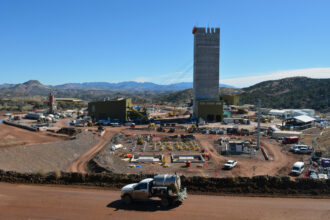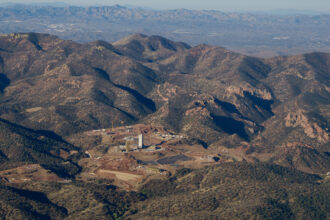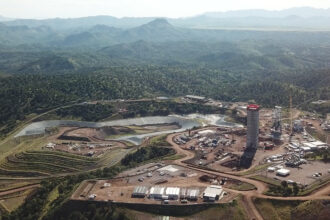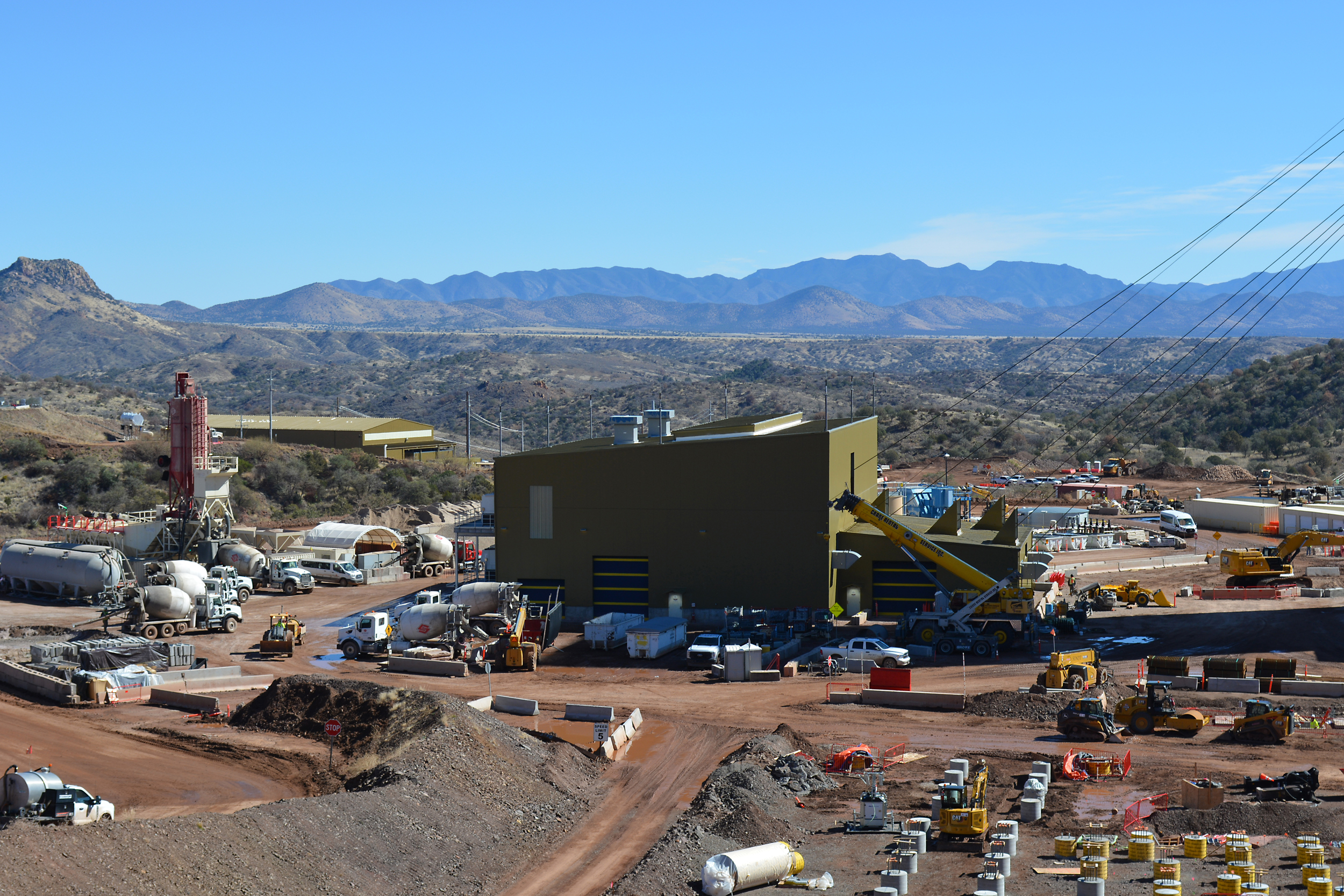


In the foothills of southern Arizona’s Patagonia Mountains, atop so-called critical minerals such as zinc, is South32’s Hermosa project. The first mine added to a federal program designed to speed up permitting, it “set the standard for what the modern federal permitting process should look like” with “clear timelines, real transparency, and comprehensive interagency coordination,” federal officials said after approving it this summer.
Environmental groups called it an illegal rush job that will harm vulnerable species. Now, two are suing the U.S. Forest Service and U.S. Fish and Wildlife Service over the approval.
The federal government’s haste to finish environmental review for the mine via a program known as FAST-41, the lawsuit claims, led to permitting “riddled with inconsistencies, ambiguities, and legal violations” under the Endangered Species Act and another landmark law, the National Environmental Policy Act.
The agencies’ review found the mine would likely adversely affect 10 endangered or threatened species, such as the jaguar and Mexican spotted owl, through impacts to the species or their critical habitat in the project area. The federal government cited yet-to-be-developed mitigation measures when it approved the mine anyway, a violation of the law for nine of those 10 affected species, the lawsuit claims. The plaintiffs also allege the agencies failed to analyze impacts to the local community, such as the mine’s effects on groundwater supplies.
“Federal agencies that are supposed to protect public lands and endangered animals are planning to sacrifice one of the most important wildlife corridors in the Southwest,” said Russ McSpadden, Southwest conservation advocate at the Center for Biological Diversity, in a statement. The group sued along with the Patagonia Area Resource Alliance.
“Once these mountains are carved up and their aquifers depleted, there’s no putting them back together,” McSpadden added. “The Patagonia Mountains are worth far more as a thriving ecosystem than they’ll ever be worth to a giant mining company.”
The U.S. Department of Justice, which represents federal agencies in lawsuits, did not respond to a request for comment. Pat Risner, president of South32 Hermosa, said in a statement that the federal environmental review “incorporated extensive public input and resulted in meaningful project refinements, additional environmental protections, and a stronger project.”
“We remain confident in the rigor and thoroughness of both the U.S. Forest Service and Fish and Wildlife Service’s review and administrative record and the integrity of the federal review process,” Risner added.
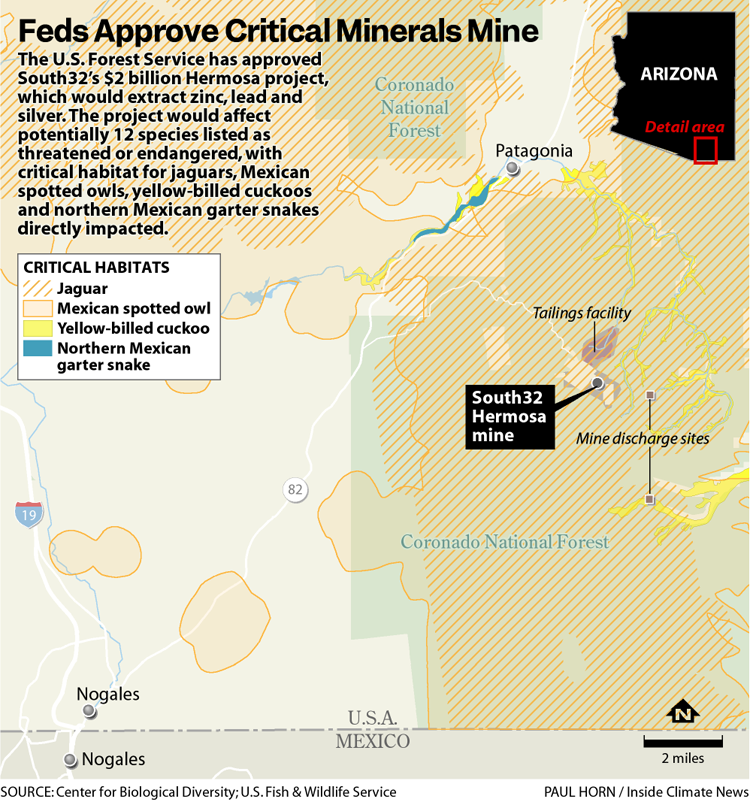
The Patagonia Mountains are part of a series of ranges known as Arizona’s Sky Islands. They serve as a wildlife corridor from the Rocky Mountains to the Sierra Madre range in Mexico, and represent some of the United States’ most biodiverse hotspots. The area is the only migration corridor in 120 miles for endangered jaguars and ocelots crossing the U.S.-Mexico border.
South32’s Hermosa mine was approved by the Forest Service in July. The underground mine will extract zinc, lead and silver, with the potential for manganese and copper. Most of the project is on private land and construction is more than halfway complete. The project site contains one of the world’s largest undeveloped zinc resources and enough battery-grade manganese to meet all current domestic demand, according to the company.
The federal approval lets the company build a primary access road across Coronado National Forest to avoid sending traffic through the town of Patagonia. The government also permitted a 138-kilovolt transmission line to power the mine and a 225-acre tailings facility where mine waste will be stored.
However, the project has encountered major hurdles this year, with capital costs increasing by 50 percent, from $2.2 billion to $3.3 billion. The company pushed production back a year, to 2028.
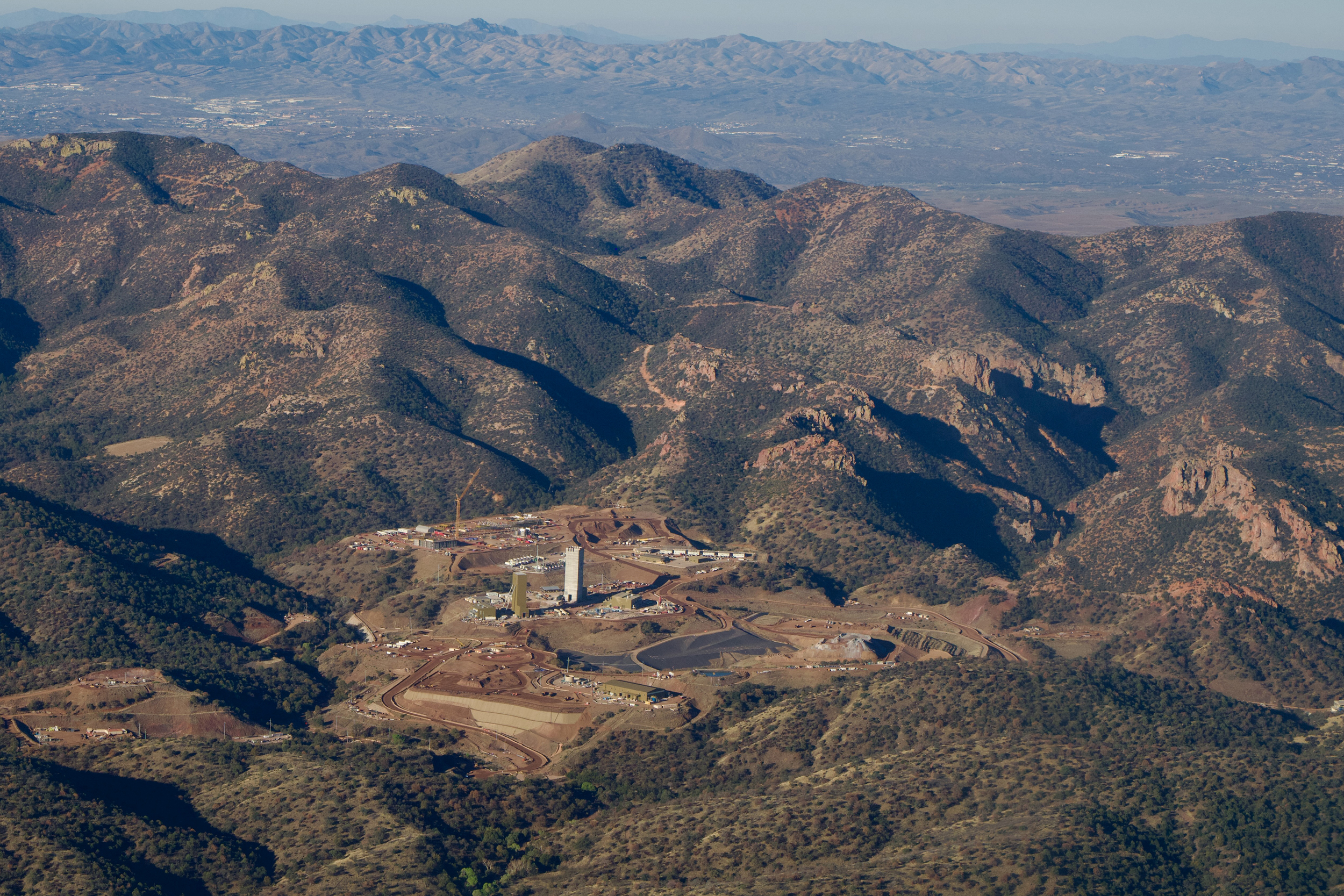
South32 has also seen pushback from the local community. The town of Patagonia, city of Nogales and Santa Cruz County are in active talks to form a community benefits agreement with the mine. Patagonia has positioned itself as a destination for birders and hikers, and residents worry the mine will reduce tourism. And there are major concerns over the mine’s water use.
Over the mine’s projected 70-year life, an estimated 195,000 acre-feet of water would be removed from the aquifer. One acre-foot is 325,851 gallons, enough water for two to three households a year. That use will draw down the local water table by 250 feet, stretching across nearly 50 square miles and affecting wells within a three-mile radius of the mine, according to the federal environmental impact statement.
Arizona found the company exceeded permitted antimony levels after it dumped treated groundwater from mine construction into a creek. Those levels have declined since South32 made additional investments in its wastewater treatment plant, but that hasn’t resolved local concerns.
“Communities across the country should understand: this is just the beginning,” Anna Darian, executive director of Patagonia Area Resource Alliance, said in a statement. “Hermosa may be the first hardrock mining project approved under FAST-41, but it is being held up as a model for what comes next. The long-term effects of weakening or waiving environmental protections could have irreversible consequences for frontline communities like ours.”
This story was updated Sept. 29, 2026, with a late comment from South32.
About This Story
Perhaps you noticed: This story, like all the news we publish, is free to read. That’s because Inside Climate News is a 501c3 nonprofit organization. We do not charge a subscription fee, lock our news behind a paywall, or clutter our website with ads. We make our news on climate and the environment freely available to you and anyone who wants it.
That’s not all. We also share our news for free with scores of other media organizations around the country. Many of them can’t afford to do environmental journalism of their own. We’ve built bureaus from coast to coast to report local stories, collaborate with local newsrooms and co-publish articles so that this vital work is shared as widely as possible.
Two of us launched ICN in 2007. Six years later we earned a Pulitzer Prize for National Reporting, and now we run the oldest and largest dedicated climate newsroom in the nation. We tell the story in all its complexity. We hold polluters accountable. We expose environmental injustice. We debunk misinformation. We scrutinize solutions and inspire action.
Donations from readers like you fund every aspect of what we do. If you don’t already, will you support our ongoing work, our reporting on the biggest crisis facing our planet, and help us reach even more readers in more places?
Please take a moment to make a tax-deductible donation. Every one of them makes a difference.
Thank you,

Wyatt Myskow
Reporter, Phoenix
Wyatt Myskow covers drought, biodiversity and the renewable energy transition throughout the Western U.S. Based in Phoenix, he previously reported for The Arizona Republic and The Chronicle of Higher Education. Wyatt has lived in the Southwest since birth and graduated from Arizona State University with his bachelor’s degree in journalism.