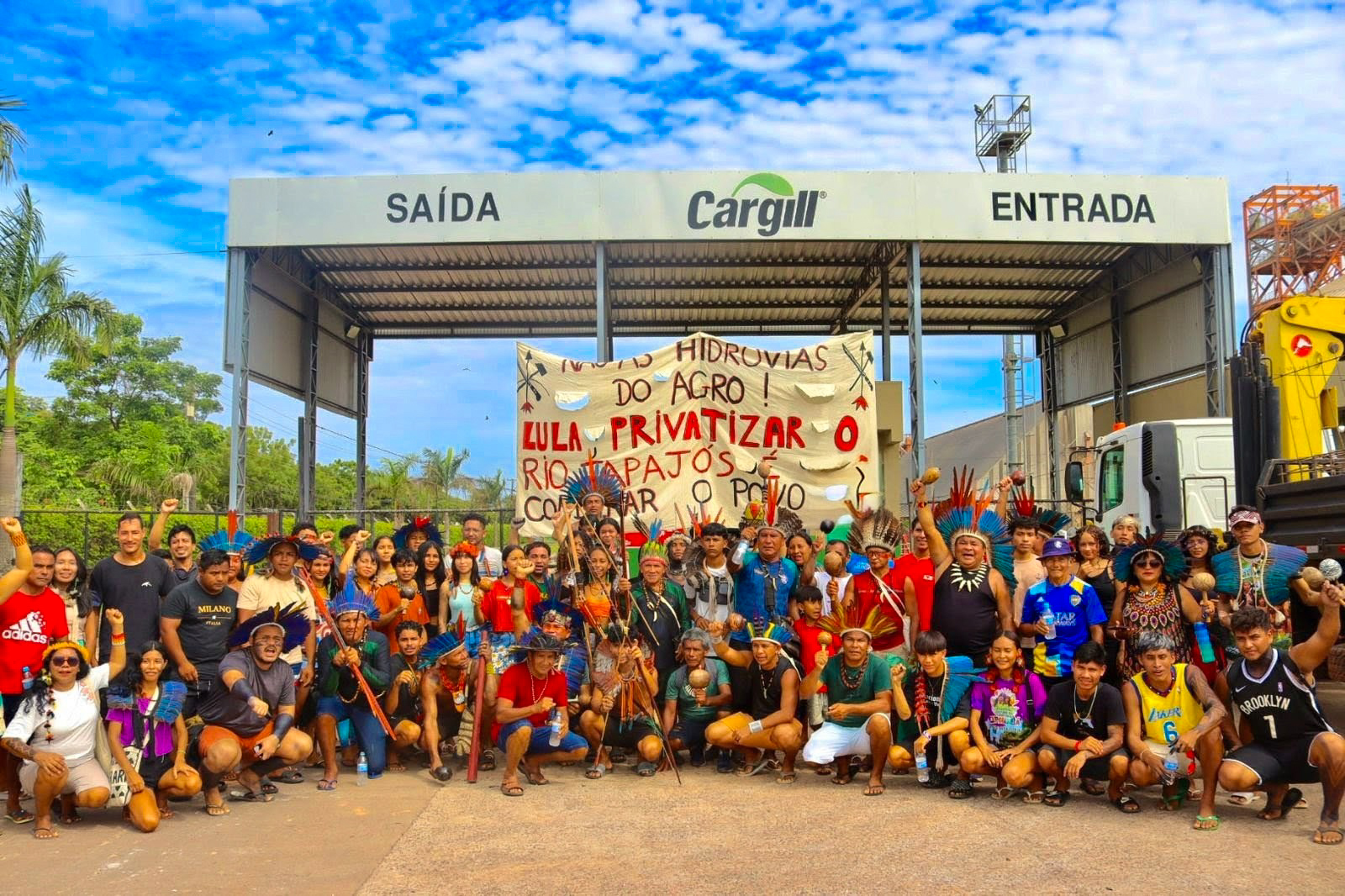


As new threats emerge against the Amazon, Indigenous and environmental groups are taking aim at Cargill, the Minnesota-based grain-trading giant they see as the greatest foe of the planet’s most climate-critical rainforest.
For more than a week, hundreds of protesters have parked themselves at Cargill’s terminal in Santarém, Brazil, a small city at the confluence of the Amazon and Tapajós rivers. The terminal is a major node in Cargill’s sprawling operations across the region and central to the company’s broader push for new Brazilian roads and railways that will better expedite its products to markets around the world.
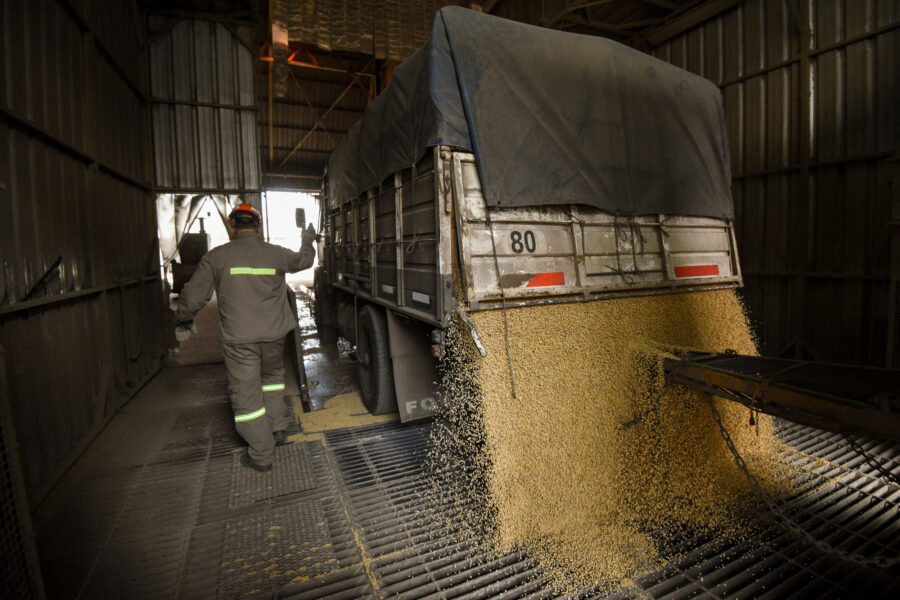
Cargill ships more soybeans from Brazil, now the world’s largest producer, than any other company. As protections for the rainforest deteriorate—at the behest of agribusiness powers, critics say—the company is the trader with the most to gain.
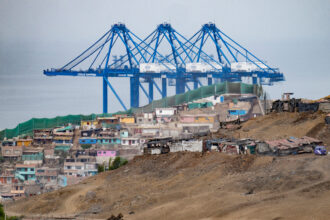
The Santarém port, built in the early 2000s, “was a game changer for the region,” said Pedro Charbel, a campaigner with Amazon Watch, a rainforest advocacy group. “It expanded, by a lot, the amount of soy that is exported through the Tapajós River to Europe, China and the U.S. So now they want to expand that even more. They’re building new ports; they’re pressuring the government.”
The current protests are aimed at recent actions from the government of Brazilian President Luiz Inácio Lula da Silva: a decree that would privatize management of the Tapajós, along with at least two other major Amazon tributaries, and a notice that opens bidding to private companies for dredging the Tapajós.
“They will destroy the river,” said Mariana Bombo Perozzi Gameiro, who researches the environmental impacts of agriculture for the advocacy group Mighty Earth, a longtime Cargill critic. “It’s a river that belongs to everyone—to the Indigenous communities, to local communities, to everyone—and they are going to put it in the service of private interests, mainly international traders.”
Environmental and Indigenous groups have tried to stop the decree in court, but a judge denied the request in mid-January. The groups say the decree violates Brazilian law, which requires prior consultation with Indigenous groups on projects that impact tribal lands, and insist they will continue their protest at the terminal until a judge revokes the decree.
The protest comes amid a broader push by the agribusiness industry to expand infrastructure across the region while also weakening both voluntary and regulatory environmental protections.
In 2006, responding to pressure from environmental groups, soy producers and traders agreed to a voluntary pact known as the Soy Moratorium, in which they pledged to avoid buying soybeans from any land that had been deforested after 2008. The moratorium, which Greenpeace called “the world’s single most successful zero-deforestation” plan, has been widely credited with reducing deforestation rates across the Amazon.
But in recent years, citing the industry’s huge economic importance to Brazil, agribusiness groups have attempted to weaken the agreement. On Jan. 1, the Brazilian state of Mato Grosso, which produces more soybeans than any other, revoked tax breaks it previously provided to members of the moratorium. The following week, the Brazilian trade association that represents the biggest soy traders,including Cargill and fellow American grain-trading giants ADM and Bunge, pulled out of the pact.
The companies did not respond to questions from Inside Climate News, including whether they are individually withdrawing from the agreement or if they support the decision.
The weakening of the agreement comes amid a major infrastructure effort across the Amazon region, including a railway known as the Ferrogrão— or “grain train” in Portuguese—that agribusiness companies, including Cargill, have championed.
The railway would run from the town of Sinop, the epicenter of Mato Grosso’s soy cultivation, to the city of Itaituba, downriver from the Cargill port in Santarém. From there, barges ply the Tapajós northward to Santarém—and more will do so if the river is dredged.
The route follows an existing road, known as the “Soybean Highway,” that is notoriously choked with double-hulled trucks that haul soybeans to northern Amazonian ports.
The railway is part of a massive infrastructure push intended to better link Brazilian commerce with its South American neighbors. The plan encompasses five major routes through the Amazon, upgrading and building 65 highways, 40 waterways, 35 airports, 21 ports and nine railways, including the Ferrogrão.
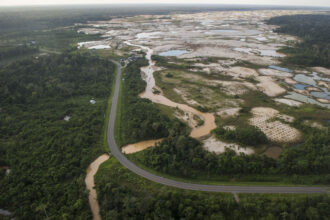
Environmental and Indigenous groups have protested against the railway since it was first proposed two years ago, saying it would further drive deforestation in the Amazon and neighboring Cerrado region, opening up more land to soybean cultivation and cattle ranching, which together are the biggest drivers of deforestation in the region.
“It would incentivize more soy producers to grab more land, and more deforestation,” Charbel said. “It would increase, sevenfold, the amount of soy they export through the Tapajós.”
Last year, the Brazilian government passed a bill that would ease licensing requirements for infrastructure projects deemed to be national priorities, potentially including the dredging of the Tapajós and the construction of the Ferrogrão.
“What we have is a sequence of actions that end up with the same goal, which is to increase the production and export of soy,” Gameiro said. “This is not an isolated thing—the withdrawal from the Soy Moratorium, the infrastructure projects. You don’t build a railway or a waterway in one week. This is something that has been planned for a long time.”
About This Story
Perhaps you noticed: This story, like all the news we publish, is free to read. That’s because Inside Climate News is a 501c3 nonprofit organization. We do not charge a subscription fee, lock our news behind a paywall, or clutter our website with ads. We make our news on climate and the environment freely available to you and anyone who wants it.
That’s not all. We also share our news for free with scores of other media organizations around the country. Many of them can’t afford to do environmental journalism of their own. We’ve built bureaus from coast to coast to report local stories, collaborate with local newsrooms and co-publish articles so that this vital work is shared as widely as possible.
Two of us launched ICN in 2007. Six years later we earned a Pulitzer Prize for National Reporting, and now we run the oldest and largest dedicated climate newsroom in the nation. We tell the story in all its complexity. We hold polluters accountable. We expose environmental injustice. We debunk misinformation. We scrutinize solutions and inspire action.
Donations from readers like you fund every aspect of what we do. If you don’t already, will you support our ongoing work, our reporting on the biggest crisis facing our planet, and help us reach even more readers in more places?
Please take a moment to make a tax-deductible donation. Every one of them makes a difference.
Thank you,