

Many of our impact case studies cover ongoing stories that Inside Climate News continues to actively cover. The impact reflected here is current as of publication and may be updated as the situation develops.
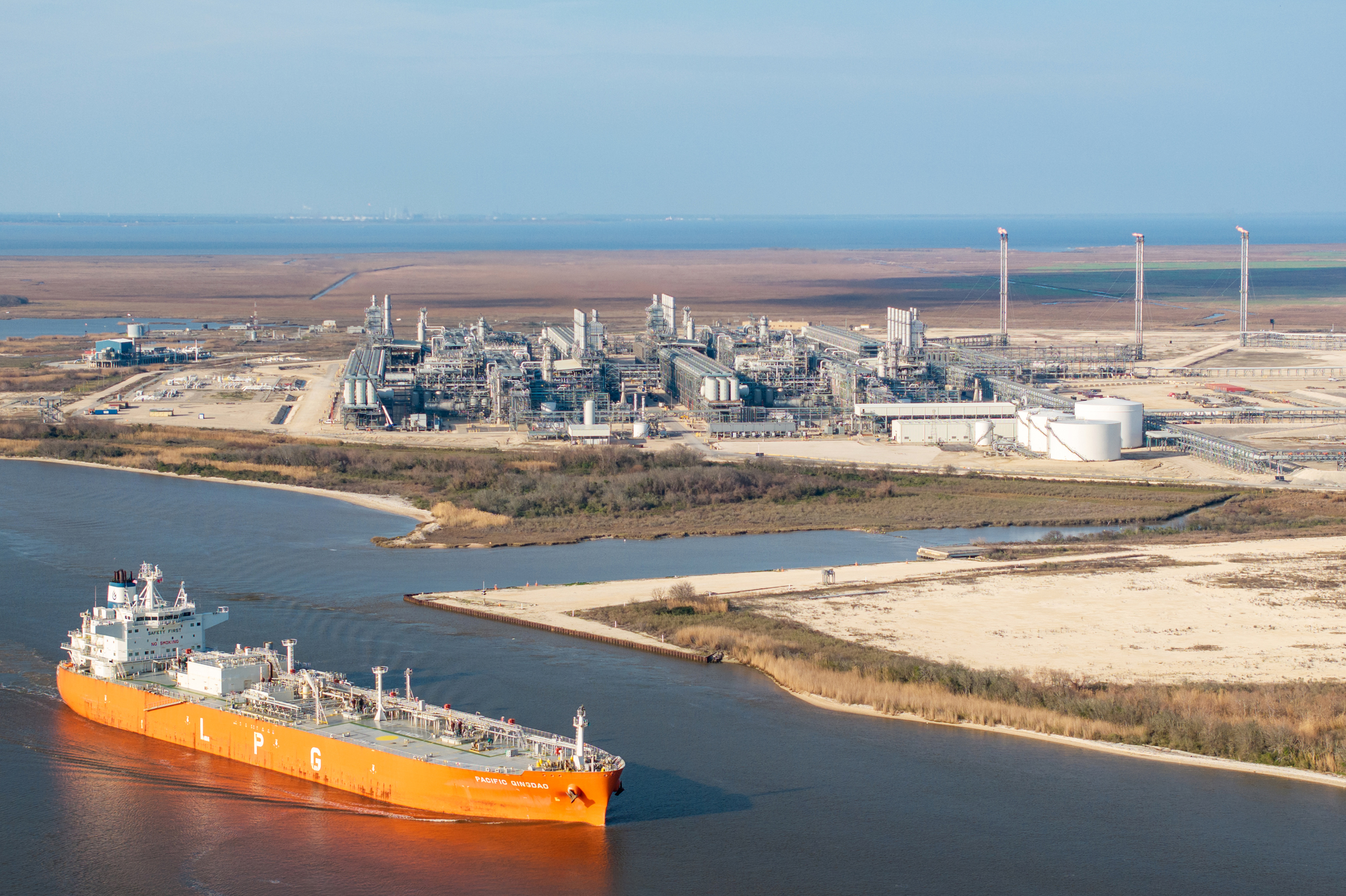
In April 2025, I received a tip that Cheniere Energy, the largest producer and exporter of liquefied natural gas in the United States, was seeking “alternative fuel” tax credits for using LNG on its export vessels. The alternative fuel excise tax credit was intended to incentivize the use of fuels other than gasoline and diesel—including biofuels, LNG and liquid fuels derived from coal—when it was signed into law by President George W. Bush in 2005.
When I asked shipping experts about the potential payout, they were baffled. LNG tankers were built to burn “boil off” LNG–gas that evaporates from the ships’ holds–to power the vessels. There was nothing “alternative” about what the company was doing, they told me.
Tax specialists were equally confused. Alternative fuel tax credits can be claimed for the use of LNG in motorboats—watercraft that federal shipping regulations define as a vessel no more than 65 feet long. LNG tankers stretch approximately 1,000 feet from bow to stern.
My colleague, data reporter Peter Aldhous, and I had recently investigated greenhouse gas emissions from U.S. LNG export vessels based on the amount of fuel and distance each ship traveled. LNG production involves significant greenhouse gas emissions at every step in the process, from methane leaks at wells to the burning of the gas by end users. Our investigation demonstrated that emissions from the tankers that ship LNG from the U.S. to other countries are substantial too.
Peter adapted the methods he used in the emissions analysis to come up with a first-of-its kind estimate of how much Cheniere stood to gain if the Internal Revenue Service approved the company’s tax credit claim.
In July 2025 we reported the company could receive a tax credit worth more than $140 million, a conservative figure based on fuel used for outbound, export voyages only. If the company also claimed credits for return journeys, they could take in nearly twice as much. We noted the claim was speculative but could get a sympathetic hearing from the fossil-fuel friendly Trump administration, which received campaign funds from Cheniere’s chief executive officer, Jack Fusco. Multiple outlets republished and cited our story, including News From The States and Mother Jones, bringing national attention and increased scrutiny to the matter.
In February 2026, Cheniere disclosed that it received $370 million from the IRS for its use of LNG as an alternative fuel from 2018 to 2024, when the credit expired. The payout didn’t go unnoticed by U.S. Sen. Jeff Merkley (D-Ore.), who told Inside Climate News the tax credit was an example of President Donald Trump rewarding the fossil fuel companies that bankrolled his re-election, echoing our earlier reporting.
Now Cheniere is under investigation for the payout by Merkley and six other Democratic U.S. senators. Congressional committees led by Democrats could issue subpoenas related to their inquiries if Democrats regain control of the Senate or House in the 2026 midterm elections.
About This Story
Perhaps you noticed: This story, like all the news we publish, is free to read. That’s because Inside Climate News is a 501c3 nonprofit organization. We do not charge a subscription fee, lock our news behind a paywall, or clutter our website with ads. We make our news on climate and the environment freely available to you and anyone who wants it.
That’s not all. We also share our news for free with scores of other media organizations around the country. Many of them can’t afford to do environmental journalism of their own. We’ve built bureaus from coast to coast to report local stories, collaborate with local newsrooms and co-publish articles so that this vital work is shared as widely as possible.
Two of us launched ICN in 2007. Six years later we earned a Pulitzer Prize for National Reporting, and now we run the oldest and largest dedicated climate newsroom in the nation. We tell the story in all its complexity. We hold polluters accountable. We expose environmental injustice. We debunk misinformation. We scrutinize solutions and inspire action.
Donations from readers like you fund every aspect of what we do. If you don’t already, will you support our ongoing work, our reporting on the biggest crisis facing our planet, and help us reach even more readers in more places?
Please take a moment to make a tax-deductible donation. Every one of them makes a difference.
Thank you,