

Skip to content
  • Science
  • Politics
  • Justice & Health
  • Fossil Fuels
  • Clean Energy
  • ICN Local
  • Projects
  • Impact
  • Podcast
  • About Us
Inside Climate News
Pulitzer Prize-winning, nonpartisan reporting on the biggest crisis facing our planet.
Donate
Inside Climate News
Donate

Search

  • Science
  • Politics
  • Justice & Health
  • Fossil Fuels
  • Clean Energy
  • ICN Local
  • Projects
  • Impact
  • Podcast
  • About Us
  • Newsletters
  • Contact Us

Topics

  • A.I. & Data Centers
  • Activism
  • Biodiversity & Conservation
  • Business & Finance
  • Climate Law & Liability
  • Denial & Misinformation
  • Environment & Health
  • Extreme Weather
  • Food & Agriculture
  • Fracking
  • Nuclear
  • Oceans
  • Pipelines
  • Plastics
  • Public Lands
  • Super-Pollutants
  • Water & Drought
  • Wildfires

Information

  • About
  • Job Openings
  • Reporting Network
  • Whistleblowers
  • Memberships
  • Ways to Give
  • Fellows & Fellowships

Publications

  • E-Books
  • Documents

Alissa de Chassey

Fellow

Alissa de Chassey is a French journalist and a fellow at Inside Climate News. Previously, she covered science and health for Le Figaro in Paris. She is currently pursuing a master’s degree in Science, Health, and Environmental Reporting at New York University. Her work has also appeared in Nature, The Guardian, and The Transmitter.
  • [email protected]
A new study that reanalyzed federal monitoring datafound that estimated PFAS concentrations in U.S. drinking water could be more than twice as high as calculations that treat results below laboratory reporting limits as zero suggest. Credit: Justin Sullivan/Getty Images.

PFAS Contamination in Drinking Water May Be Underestimated, New Study Suggests

By Alissa de Chassey

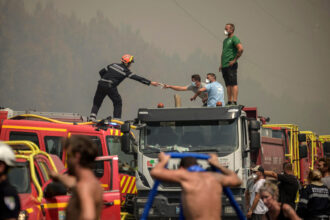
Volunteers help firefighters combat a wildfire in Lanton, west of Bordeaux, in southwestern France on July 29. Credit: Ed Jones/AFP via Getty Images

As Wildfires Intensify, Communities Have a Bigger Role to Play 

By Alissa de Chassey
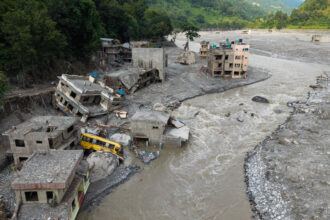
Muddy water surges past houses and through the Trishuli river in the aftermath of flash floods in Nepal’s Nuwakot district on Aug. 29. Credit: Prabin Ranabhat/AFP via Getty Images

New Study Reveals Clues About the Origins of Nepal’s Deadly Flood

By Alissa de Chassey
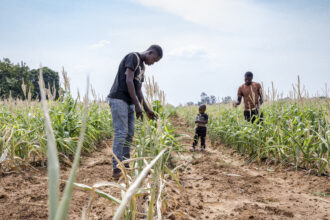
In 2024, farmers in Zambia struggled with El Nino-driven drought, which created severe food and water shortages. This year, the government is spending 60 percent of its budget on debt repayment, with only .32 percent going toward climate adaptation and resilience. Credit: Lusaka Province, Zambia

For Climate-Vulnerable Countries, Debt Costs 25 Times More Than Climate Action

By Alissa de Chassey
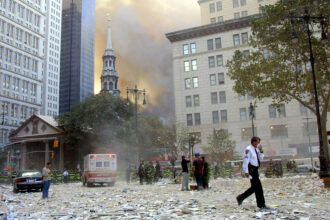
In the aftermath of the 9/11 terrorist attacks on the World Trade Center towers in New York on Sept. 11, 2001. Credit: Mario Tama/Getty Images

The Dust Settled. The Health Effects of 9/11 Didn’t.

By Alissa de Chassey

Newsletters

We deliver climate news to your inbox like nobody else. Every day or once a week, our original stories and digest of the web's top headlines deliver the full story, for free.

Keep Environmental Journalism Alive

ICN provides award-winning climate coverage free of charge and advertising. We rely on donations from readers like you to keep going.

Donate Now
Inside Climate News
  • Science
  • Politics
  • Justice & Health
  • Fossil Fuels
  • Clean Energy
  • Home
  • About
  • Contact Us
  • Whistleblowers
  • Privacy Policy
  • Charity Navigator
Inside Climate News uses cookies. By continuing to use this site, you accept this policy. Learn More