Skip to content
  • Science
  • Politics
  • Justice & Health
  • Fossil Fuels
  • Clean Energy
  • ICN Local
  • Projects
  • Impact
  • About Us
Inside Climate News
Pulitzer Prize-winning, nonpartisan reporting on the biggest crisis facing our planet.
Donate
Trump 2.0: The Reckoning
Inside Climate News
Donate

Search

  • Science
  • Politics
  • Justice & Health
  • Fossil Fuels
  • Clean Energy
  • ICN Local
  • Projects
  • Impact
  • About Us
  • Newsletters
  • ICN Sunday Morning
  • Contact Us

Topics

  • A.I. & Data Centers
  • Activism
  • Arctic
  • Biodiversity & Conservation
  • Business & Finance
  • Climate Law & Liability
  • Climate Treaties
  • Denial & Misinformation
  • Environment & Health
  • Extreme Weather
  • Food & Agriculture
  • Fracking
  • Nuclear
  • Pipelines
  • Plastics
  • Public Lands
  • Regulation
  • Super-Pollutants
  • Water/Drought
  • Wildfires

Information

  • About
  • Job Openings
  • Reporting Network
  • Whistleblowers
  • Memberships
  • Ways to Give
  • Fellows & Fellowships

Publications

  • E-Books
  • Documents

cancer alley

The State of Environmental Justice Under Trump 2.0

The real action is happening locally anyway, says Monique Harden, an environmental justice lawyer and advocate living in Cancer Alley.

Interview by Paloma Beltran, Living on Earth
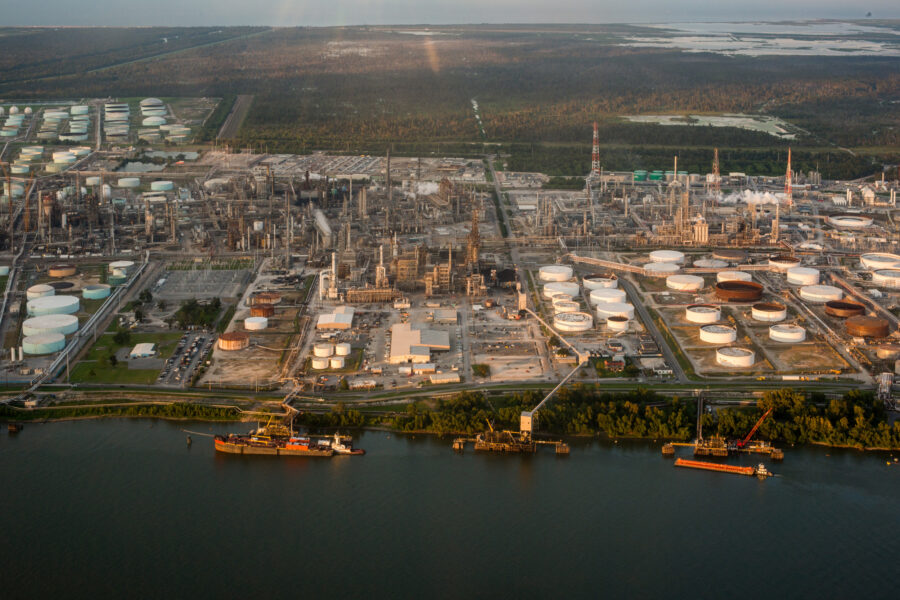
A view of chemical plants and factories in the Louisiana area known as Cancer Alley. Credit: Giles Clarke/Getty Images
Robert Taylor, co-founder of Concerned Citizens of St. John, stands in front of his home in Reserve, La. Credit: Emily Kask/AFP via Getty Images

Gulf South Residents and Green Groups Sue Trump and EPA Over Toxic Air Pollution Exemptions

By Keerti Gopal

Robert Taylor stands outside his home, which is near a neoprene factory in Reserve, La. Credit: Lee Hedgepeth/Inside Climate News

As Chemical Industry Seeks Exemption From Pollution Limits, Residents See Assault on Their Lives

By Nicholas Kusnetz

An oil pumpjack operates in the Permian Basin oil field in Odessa, Texas. Credit: Joe Raedle/Getty Images

Project 2025 Advisor Takes the Reins at EPA Region 6

By Martha Pskowski

Chemical plants line the roads and suburbs of Cancer Alley, an area along the Mississippi River that stretches from New Orleans to Baton Rouge in Louisiana. Credit: Giles Clarke/Getty Images

Appeals Court Hears Arguments in Case Claiming Environmental Racism in Cancer Alley Zoning

By James Bruggers

Environmental activists hold banners and chant slogans as they protest against the East African Crude Oil Pipeline Project on Aug. 26 in Kampala, Ugandan. Credit: Badru Katumba/AFP via Getty Images

In the Heart of Wall Street, Rights of Nature Activists Put the Fossil Fuel Era on Trial

By Katie Surma

An aerial view of the Fifth Ward Elementary School in Reserve, Louisiana, with the nation’s only chloroprene plant in the background. Credit: Lee Hedgepeth/Inside Climate News

In Louisiana, Environmental Justice Advocates Ponder Next Steps After a Federal Judge Effectively Bars EPA Civil Rights Probes

By Victoria St. Martin

The Denka Performance Elastomer plant sits behind the community of Reserve in Louisiana’s “Cancer Alley.” Credit: Lee Hedgepeth/Inside Climate News

Following Cancer Alley Decision, States Pit Themselves Against Environmental Justice Efforts

Interview by Jenni Doering, Living on Earth

Environmental justice advocate Sharon Lavigne is worried about a proposed plastics plant near her home in Louisiana’s “Cancer Alley.” Credit: Lee Hedgepeth/Inside Climate News

For Louisiana’s ‘Cancer Alley,’ Study Shows An Even Graver Risk From Toxic Gases

By Victoria St. Martin

Robert Taylor stands outside his home, which is about a mile from the nation’s only chloroprene rubber plant, in Reserve, La. Credit: Lee Hedgepeth/Inside Climate News

In Louisiana’s ‘Cancer Alley,’ Excitement Over New Emissions Rules Is Tempered By a Legal Challenge to Federal Environmental Justice Efforts

By Victoria St. Martin

Louisiana and Mississippi have the highest rates of low birth weight and preterm birth in the country, and new evidence suggests industrial pollution could play a role. Credit: Getty Images

Louisiana’s Toxic Air Is Linked to Low-Weight and Pre-Term Births

Jessica Kutz, The 19th

In Darrow, Louisiana, Monique Harden of the Deep South Center for Environmental Justice talks to residents about carbon capture at the Hillaryville Pavilion in June. Credit: Emily Kask for the Washington Post via Getty Images.

Q&A: The EPA Dropped a Civil Rights Probe in Louisiana After the State’s AG Countered With a Reverse Discrimination Suit

Interview by Steve Curwood, "Living on Earth"

Smoke billows from a chemical plant in the "cancer alley" area Oct. 12, 2013. Credit: Giles Clarke/Getty Images

For the First Time in Nearly Two Decades, the EPA Announces New Rules to Limit Toxic Air Pollutants From Chemical and Plastics Plants

By James Bruggers

Gail LeBoeuf, a lifelong member of St. Michael Catholic Church in St. James Parish and co founder and co executive director of the group Inclusive Louisiana, was part of a delegation of Black elders from Louisiana to speak last summer before UNESCO. Credit: James Bruggers

Citing ‘Racial Cleansing,’ Louisiana ‘Cancer Alley’ Residents Sue Over Zoning

By James Bruggers

On the Frontlines in a ‘Cancer Alley,’ Black Women Inspired by Faith Are Powering the Environmental Justice Movement

By James Bruggers

Smoke billows from one of many chemical plants in the area of "cancer alley" on Oct. 12, 2013. Credit: Giles Clarke/Getty Images

Q&A: Cancer Alley Is Real, And Louisiana Officials Helped Create It, Researchers Find

By James Bruggers

Smoke billows from one of many chemical plants in Louisiana's "Cancer Alley," one of the most polluted areas of the United States. It lies along the once pristine Mississippi River that stretches 80 miles from New Orleans to Baton Rouge, where a dense concentration of oil refineries, petrochemical plants and other chemical facilities occupy sites alongside suburban homes. Credit: Giles

Judge Tosses Air Permits For $9.4 Billion Louisiana Plastics Plant

By James Bruggers

Robert Taylor, executive director of the Concerned Citizens of St. John (right) speaks with EPA Administrator Michael Regan as he meets with members of the Concerned Citizens of St. John during his “Journey to Justice” tour. Photo courtesy of the EPA

EPA Opens Civil Rights Investigation Into Louisiana’s ‘Cancer Alley’

By Victoria St. Martin

A cemetery stands in stark contrast to the chemical plants that surround it on Oct. 15, 2013. 'Cancer Alley' is one of the most polluted areas of the United States and lies along the once pristine Mississippi River that stretches some 80 miles from New Orleans to Baton Rouge, where a dense concentration of oil refineries, petrochemical plants, and other chemical industries reside alongside suburban homes. Credit: Giles Clarke/Getty Images

Does Another Plastics Plant in Louisiana’s ‘Cancer Alley’ Make Sense? A New Report Says No

By James Bruggers

Newsletters

We deliver climate news to your inbox like nobody else. Every day or once a week, our original stories and digest of the web's top headlines deliver the full story, for free.

Keep Environmental Journalism Alive

ICN provides award-winning climate coverage free of charge and advertising. We rely on donations from readers like you to keep going.

Donate Now
Inside Climate News
  • Science
  • Politics
  • Justice & Health
  • Fossil Fuels
  • Clean Energy
  • Home
  • About
  • Contact Us
  • Whistleblowers
  • Privacy Policy
  • Charity Navigator
Inside Climate News uses cookies. By continuing to use this site, you accept this policy. Learn More