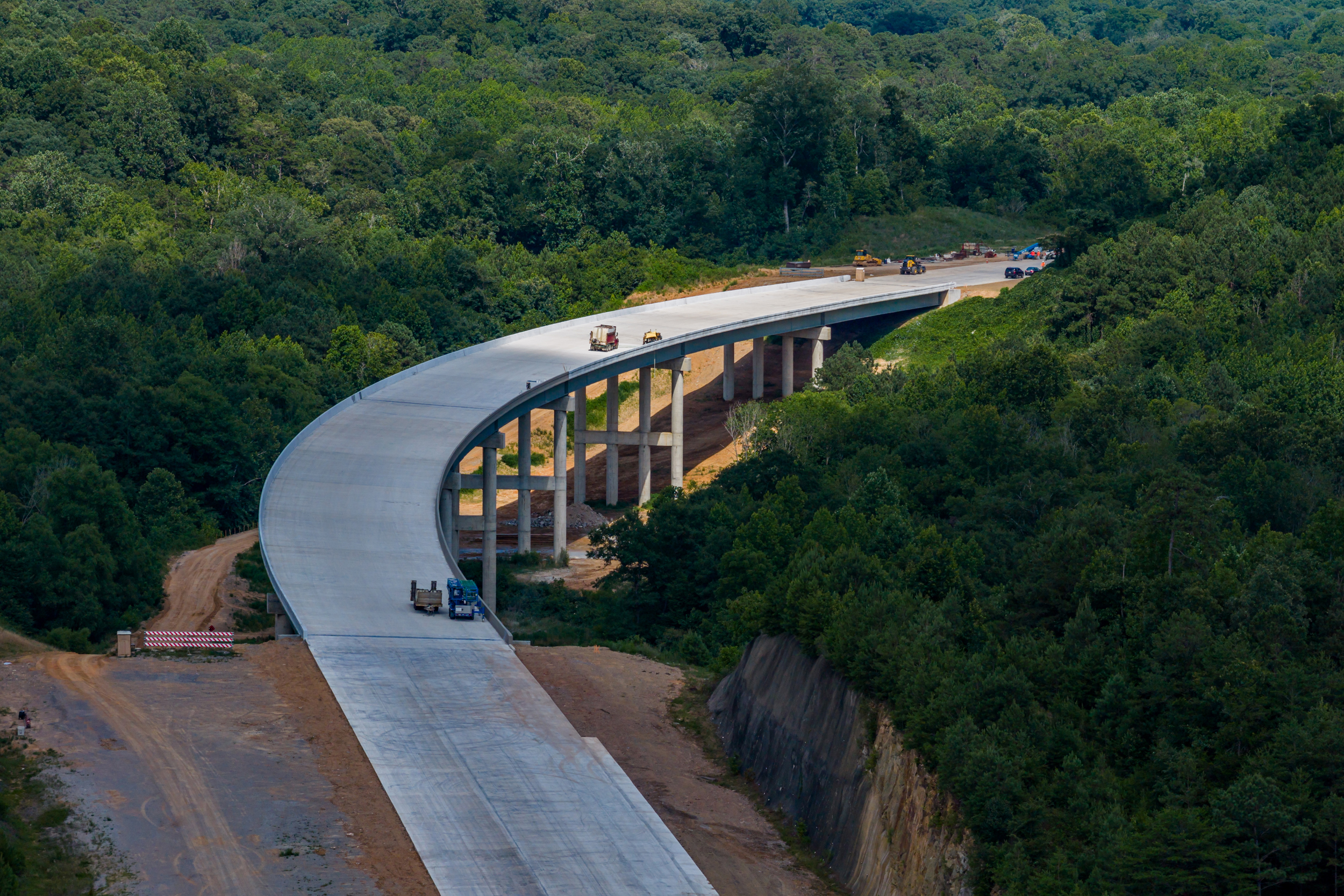


Alabama officials are seeking federal permission to fill a stretch of wetlands and streams to move forward on the Birmingham Northern Beltline, a decades-long highway project that critics say is unnecessary and will destroy huge swaths of sensitive forests, wetlands and streams.
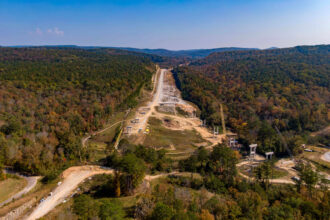
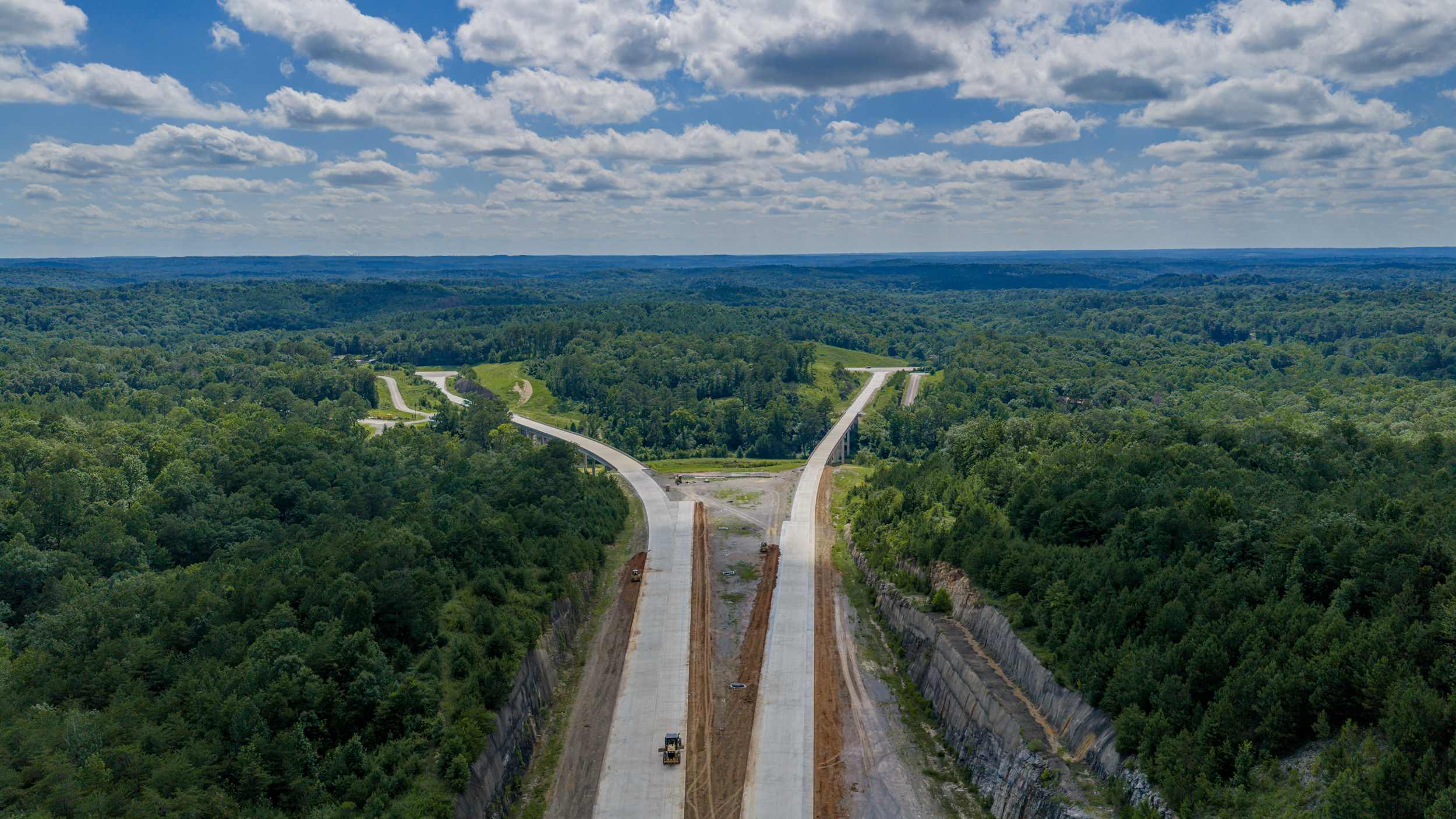
The Alabama Department of Transportation is requesting a permit from the U.S. Army Corps of Engineers to fill 1.36 acres of wetlands and more than 10,000 linear feet of streams to build the next phase of the beltline, a 9.5-mile stretch of interstate highway north of Birmingham.
The Corps is taking public comments on the application through Saturday. The Army’s public notice about the project states that the applicant plans to purchase wetland and stream credits from an approved mitigation bank to offset the project’s “unavoidable impacts to waters of the United States.”
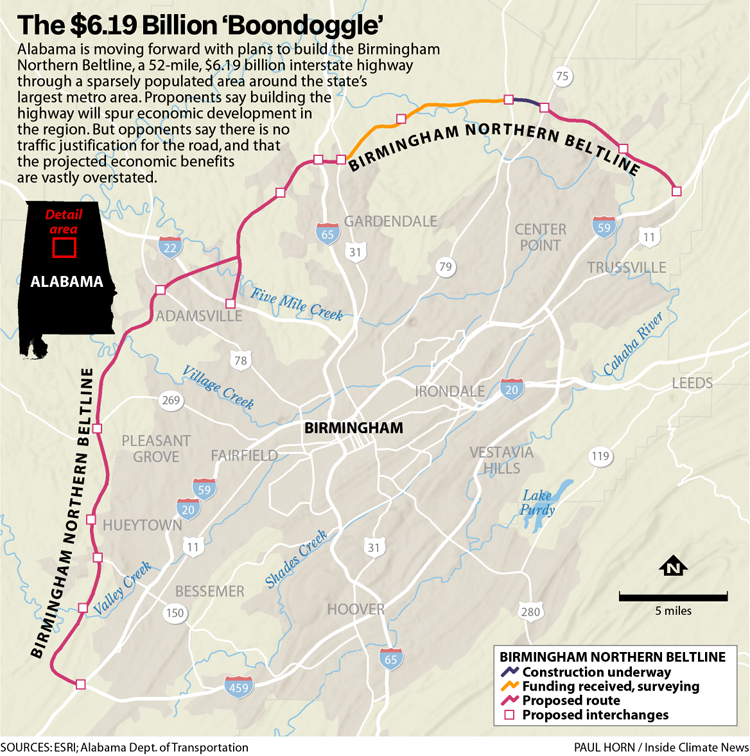
The total project is expected to be around 52 miles long. It will pass through thousands of acres of forest and include approximately 90 river or stream crossings over tributaries to the Cahaba and Black Warrior rivers.
The road was considered one of the most expensive in the country per mile in 2014, when the state expected it would cost $5.4 billion. The latest estimate is $6.19 billion “at current construction cost levels,” ALDOT communications coordinator Jon Paepcke said in an email.
The project is not expected to be completed for decades. Paepcke said ALDOT’s goal is to complete the section of the road identified in the Army permit within the next five years.
The department will “continue working with our federal and state partners to satisfy the necessary permitting requirements to schedule subsequent portions of the transformative project,” Paepcke added.
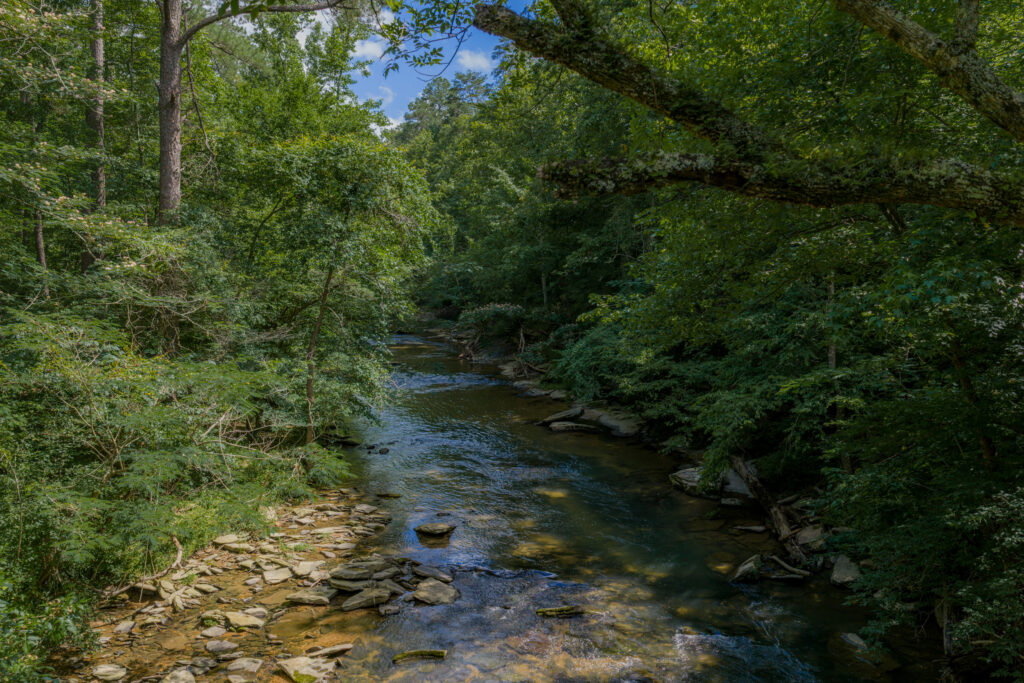
Black Warrior Riverkeeper Nelson Brooke said the area covered by the permit includes parts of Turkey Creek, a Black Warrior tributary known for pristine waters and habitat for multiple endangered species.
“As a spring-fed tributary, it is really one of the closest things that we have remaining in the Birmingham region of what streams used to be like,” Brooke said. “Crystal-clear, good-quality water, and still viable habitat for a host of rare and endangered species.”
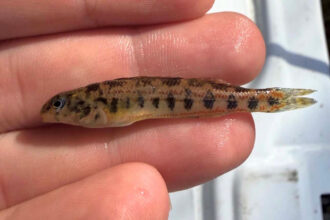
Turkey Creek is the only known habitat in the world for the vermilion darter, an endangered freshwater fish, and offers habitat for the endangered watercress darter and flattened musk turtle.
The highly popular Turkey Creek Nature Preserve is located upstream of the area in the permit proposal, but Brooke said future segments of the road will not be, potentially jeopardizing an ecologically and recreationally important stretch of waterway.
Brooke and Black Warrior Riverkeeper have argued, so far unsuccessfully, that the project is in violation of the National Environmental Policy Act because the permit applications only deal with small segments of it.
“Not all of the cumulative direct and indirect impacts of the roadway are being meaningfully considered,” Brooke said. “They are minimizing the overall project’s impact by segmenting it.”
The Southern Environmental Law Center, which represents Black Warrior Riverkeeper in its challenges, said it plans to file comments urging the Corps to reject the permit.
“The Corps needs to take a hard look at ALDOT’s request for a permit before they give ALDOT the greenlight to damage these important waterways,” Sarah Stokes, a senior attorney with the group, said in an email. “We’re asking the Corps for a public hearing to give residents an opportunity to learn more and comment on the tremendous impacts of this project, and we urge others to ask the Corps for one as well.”
A “Zombie” Project That Won’t Die
The Northern Beltline project aims to fully encircle the city of Birmingham with interstate highways. Birmingham currently has four interstates through its metro area, plus a beltline around the southern portion, called Interstate 459.
Alabama transportation and economic development officials have been developing plans to complete the loop for decades. Traffic studies have suggested that the project would do little to alleviate traffic congestion through downtown, but officials often promote it as a project to spur economic development in the sparsely populated areas north of the state’s largest metropolitan area.
They often cite the rapid growth south of the city, in the I-459 corridor, as evidence of what could happen to the city’s north side.
“In the movie, ‘Field of Dreams,’ they said, ‘Build it, and they will come,” U.S. Rep. Gary Palmer said at a 2023 media event, misquoting the 1989 Kevin Costner film. “That applies to infrastructure.”
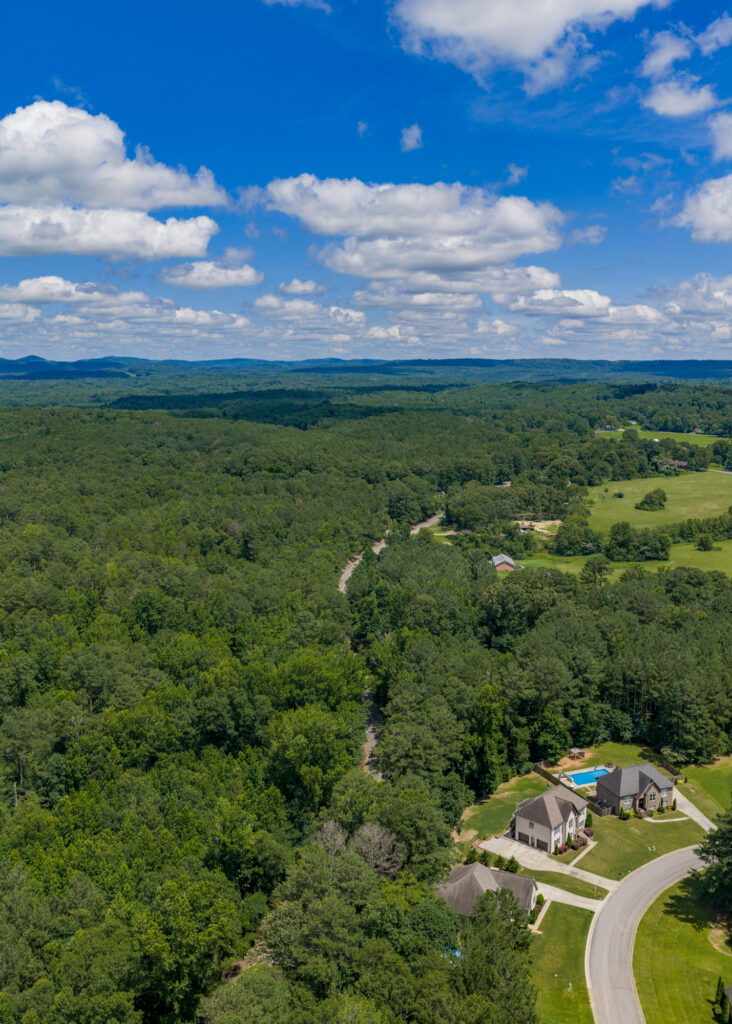
Some critics say that’s backwards. The suburbs south of Birmingham were growing rapidly long before I-459 was completed in 1984. The areas north of the city are far more sparsely populated.
Matthew Metzgar, author of a 2024 report commissioned by the Southern Environmental Law Center that criticized the logic behind the project, said a 2010 study by the University of Alabama predicting widespread economic growth from the project “massively overstated” the number of jobs it would create.
“People are mistakenly thinking if you build this beltway in this northern region, which isn’t heavily populated right now, that somehow it will spur development and growth in that area,” Metzgar told Inside Climate News in 2024.
“Nothing really warrants putting in this massive 52-mile road, again, in a mostly rural area, that there’s just no demand for it,” Metzgar said.
Others have been highly critical of the project because of its cost.
In 2012, then-U.S. Rep. Jared Polis (D-Colo.) called the beltline the “Alabama porkway” and an example of a “zombie” project that just wouldn’t die.
The project has been on multiple lists of the country’s largest boondoggles over the years, including a 2020 report by the ConnPIRG Education Fund.
This story is funded by readers like you.
Our nonprofit newsroom provides award-winning climate coverage free of charge and advertising. We rely on donations from readers like you to keep going. Please donate now to support our work.
Donate NowAt the $6.19 billion estimate, the cost would total around $119 million per mile.
No State Funds Required for the Beltline
Alabama officials continue to push for the project, but they won’t have to pay for it.
The Northern Beltline was included in the Appalachian Development Highway System at the request of former U.S. Sen. Richard Shelby (R-Ala.). That means the federal government will bear the full cost of the project, with no state funds required.
Current U.S. Sen. Katie Britt (R-Ala.) continues to push the Northern Beltline as a transportation priority for the area, including in a May hearing with Transportation Secretary Sean Duffy.
Britt was previously Shelby’s chief of staff and was elected to Shelby’s former seat in the Senate after his retirement in 2022.
Due to its funding arrangement, construction on the project only moves forward when federal money from the Appalachian Development Highway System is allocated to it. There was little progress on the road from 2014 until 2024, when officials allocated $489 million to the project from the 2021 Infrastructure Investment and Jobs Act. Shelby and Palmer, who championed the beltline project, both voted against the bill that would allow it to continue.
Progress on the beltline will depend on availability of federal funding. Project documents from 2024 state that the Alabama Department of Transportation did not plan to finalize the route or purchase land for the western half of the project “within the next twenty years.”
Paepcke said the first segment of the beltline is expected to open this year, and construction contracts for the section included in the Army permit could be awarded by the end of 2027.
About This Story
Perhaps you noticed: This story, like all the news we publish, is free to read. That’s because Inside Climate News is a 501c3 nonprofit organization. We do not charge a subscription fee, lock our news behind a paywall, or clutter our website with ads. We make our news on climate and the environment freely available to you and anyone who wants it.
That’s not all. We also share our news for free with scores of other media organizations around the country. Many of them can’t afford to do environmental journalism of their own. We’ve built bureaus from coast to coast to report local stories, collaborate with local newsrooms and co-publish articles so that this vital work is shared as widely as possible.
Two of us launched ICN in 2007. Six years later we earned a Pulitzer Prize for National Reporting, and now we run the oldest and largest dedicated climate newsroom in the nation. We tell the story in all its complexity. We hold polluters accountable. We expose environmental injustice. We debunk misinformation. We scrutinize solutions and inspire action.
Donations from readers like you fund every aspect of what we do. If you don’t already, will you support our ongoing work, our reporting on the biggest crisis facing our planet, and help us reach even more readers in more places?
Please take a moment to make a tax-deductible donation. Every one of them makes a difference.
Thank you,

Dennis Pillion
Reporter, Alabama
Dennis Pillion is a reporter for Inside Climate News based in Alabama. He joined ICN in 2024 after 17 years working for Alabama Media Group, including nine as the statewide natural resources reporter. His work for AL.com and The Birmingham News, won numerous Green Eyeshade and Alabama Press Association awards for his coverage of environmental issues in Alabama. He was born and lives in Birmingham, Ala.