

Wired for Profit: Sixth in a series about Alabama Power’s influence over electric rates, renewable energy, pollution and politics in the Yellowhammer State.
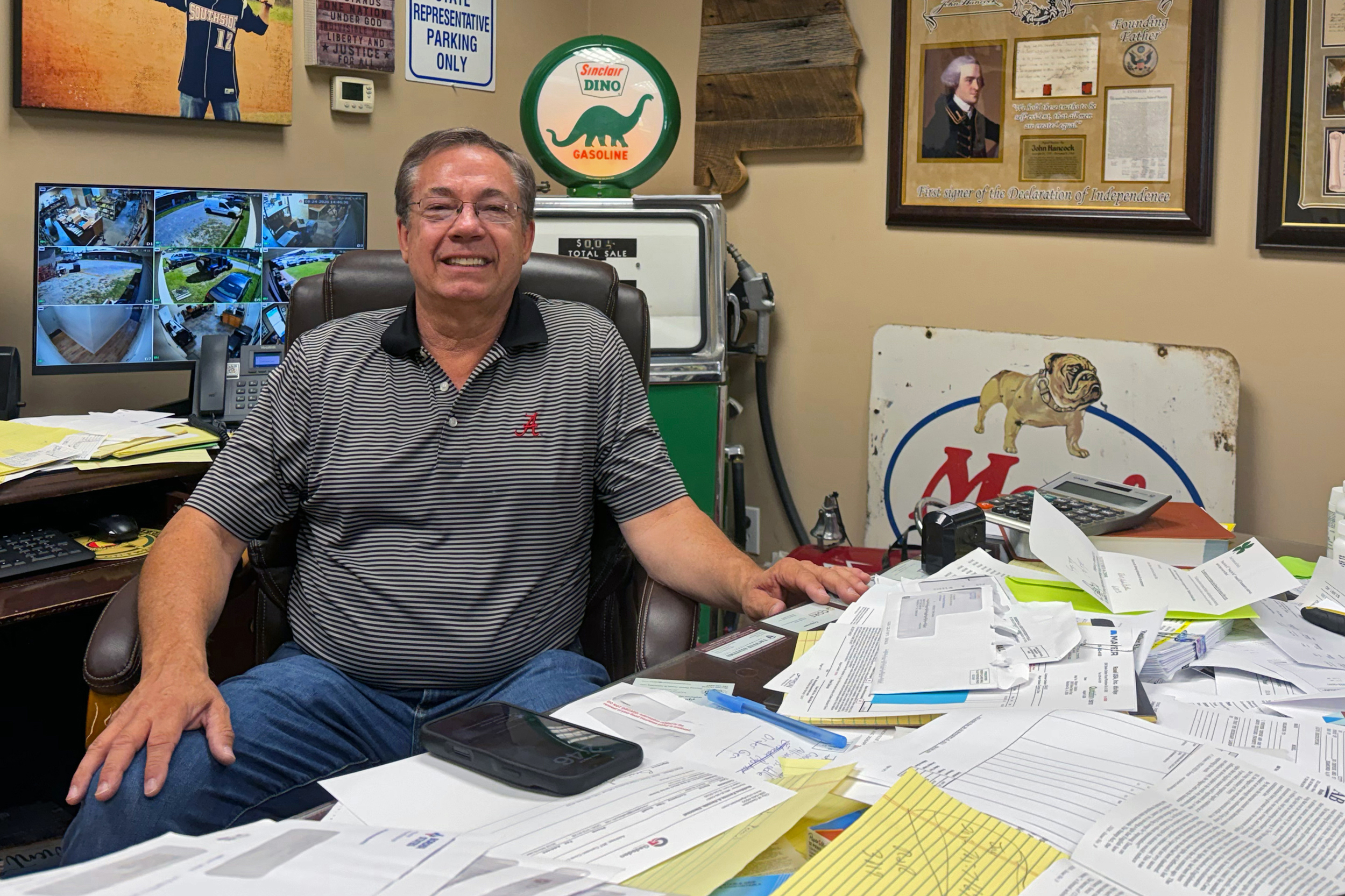
Mack Butler insists he’s not angry about how it all turned out.
“That’s just how it goes in the Legislature sometimes,” he says, leaning back behind the desk at his office in Rainbow City, a suburb of Gadsden that sits along the Coosa River in northeast Alabama.
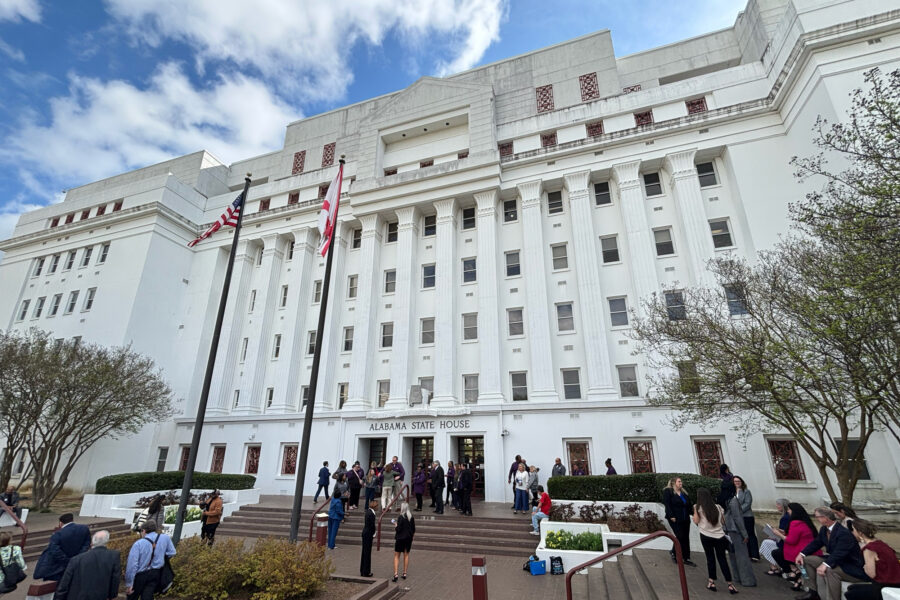
Butler, a Republican representing bright-red District 28 in the Alabama Legislature, had gotten remarkably close during the 2026 legislative session to passing what likely would have been the toughest utility reform bill Alabama has ever seen.
Butler’s bill would have capped the profits of Alabama Power, the state’s largest and only investor-owned electric utility, whose territory includes roughly two-thirds of the state.
The bill would have required Alabama Power to undergo its first formal rate case hearings since 1982, limited political donations by the powerful utility and restricted how much the company can charge customers for things like advertising and lobbying.
And Butler, who became a master electrician at 21 and now runs an electrical contracting firm, almost got there.
His bill passed the house 104-0 in March, and Butler said he had “handshake agreements” with key senators to advance a modified version of his bill through that chamber.
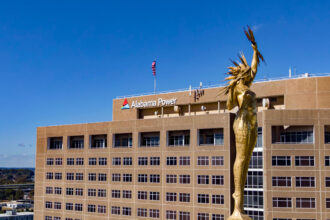
But Alabama Power is one of the most powerful and profitable entities in the state. A subsidiary of Atlanta-based Southern Co., Alabama Power reported $860 million in profit through the first two quarters of 2026, a 14 percent increase from 2025 and on pace for a record $1.72 billion for the year.
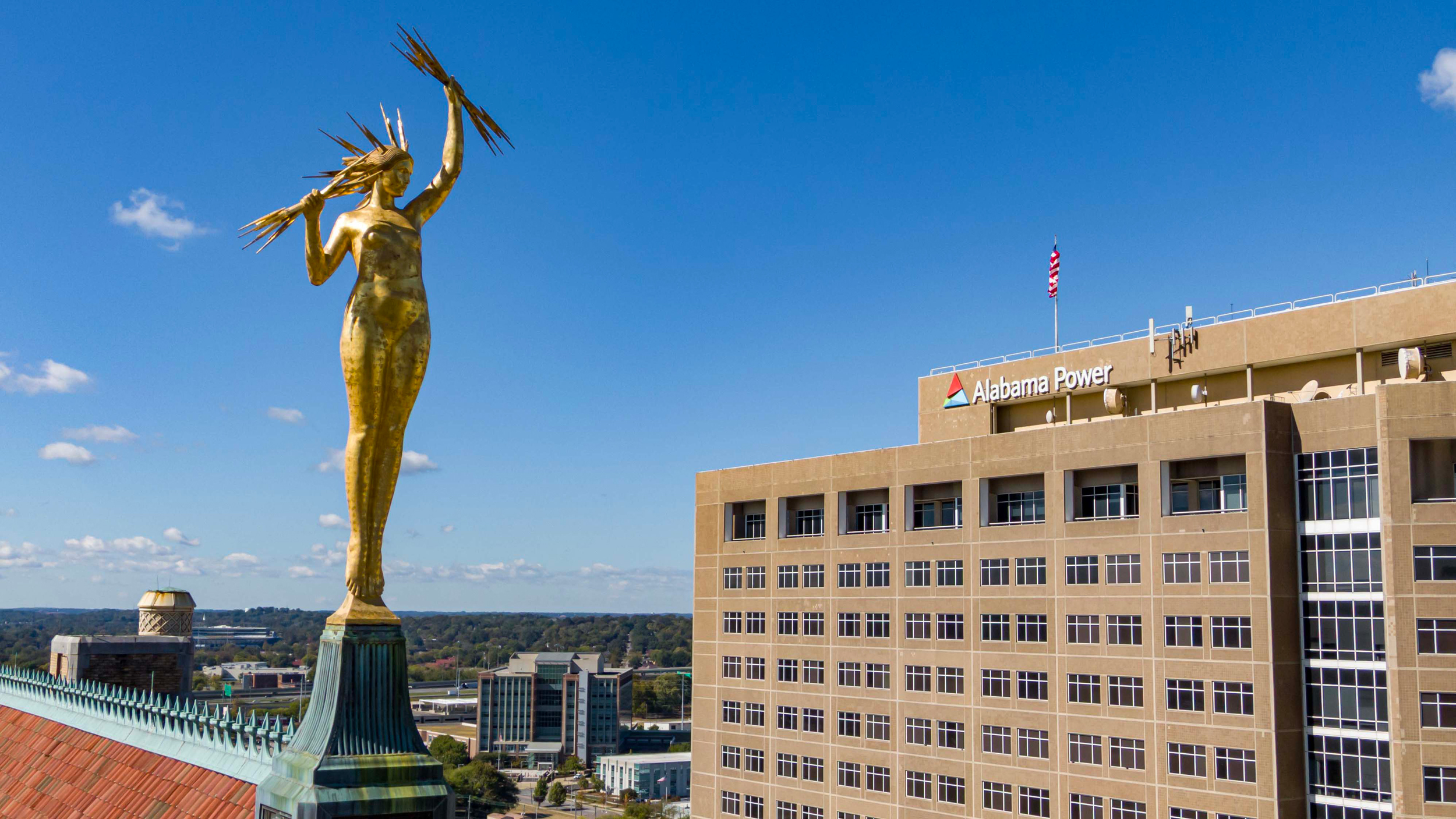
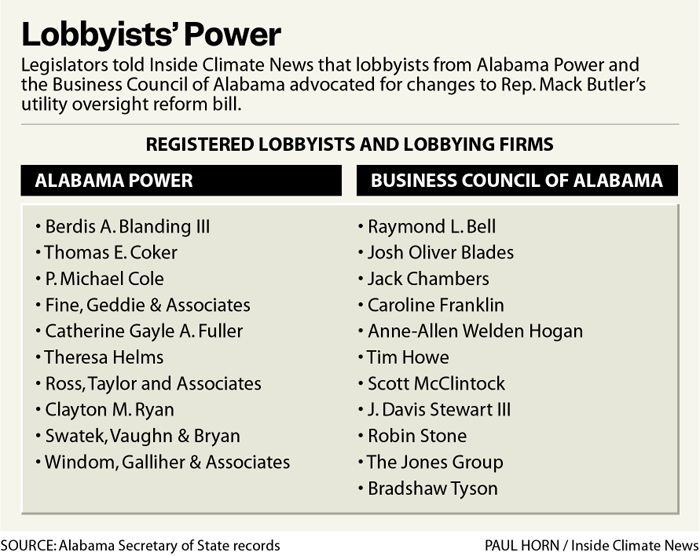
The company’s lobbyists—it uses at least four firms and six lobbyists, according to state records—were not going to accept this version of the bill without a fight.
“The powers that be make the ultimate decisions in Montgomery,” said Steve Flowers, a longtime Republican political commentator who served in the Alabama House for 16 years.
Those “powers that be” include Senate and House GOP leadership and Alabama’s “big mules,” Flowers said, including Alabama Power.
Alabama Power did not respond to multiple requests to comment for this story.
Alabama politicians know where their bread is buttered, Flowers said.
“The power company has a tremendous amount of power with legislators,” he said. “They give generously to communities and to campaigns. That ingratiates them to everyone. It greases the wheels.”
“You have legislators who are shaking in their damn boots, who are so worried about making sure they stay in favor with Alabama Power.”
— Rep. Juandalynn Givan
Rep. Juandalynn Givan, a Democrat, looks back on that unprecedented House vote as an act of exuberance by her colleagues in response to a restive populace tired of paying the highest residential electric bills in America at a time when data centers are coming into the state, threatening to push those costs even higher.
Givan, a four-term incumbent who lost her seat in this year’s Democratic primary, said her House colleagues knew as soon as they cast their votes that the state’s most powerful corporate entity would find a way to make them take it back.
“It was because that’s what Alabama Power wanted,” she said. “There’s no question about it. There’s no way around it. You can get blackballed in a minute in Montgomery if you go too far this way or too far that way. Then you’re in a quagmire. You’re jammed up. At the end of the day, you have legislators who are shaking in their damn boots, who are so worried about making sure they stay in favor with Alabama Power.”
How Alabama Gutted its Utility Reform Bill
When the Alabama Legislature convened in January, utility bills unexpectedly became the hot topic of the 2026 regular session.
In November 2025, Inside Climate News published an analysis showing that Alabama Power’s residential customers paid the highest total electric bills of any major utility in 2024, driven by above-average electric rates and very high electricity usage.
In December, the Alabama Public Service Commission, Alabama Power’s primary electricity regulator, voted to approve a two-year rate freeze proposed by Alabama Power that would postpone any rate increases until 2028, including one to cover the company’s $622 million purchase of an existing 895-megawatt natural gas power plant in 2025. That increase was slated to go into effect in 2027 and cost the average customer an additional $3.37 per month.
But that only delayed planned increases for two years. It did not address Alabama Power’s profit margin or transparency issues with the PSC that observers have complained about for decades. And there was little consensus among lawmakers on what else could be done about rising electricity costs.
Rep. Phillip Ensler, a Democrat now running for lieutenant governor, said he and many of his colleagues were regularly hearing from constituents about energy bills, and those calls had become more frequent and more urgent.
“You get so many calls in the summer when it is hot with residents concerned that they couldn’t afford to run the A/C because of their power bills,” he said. “Especially hearing from elderly residents is very concerning.”
A Recorded Call That Changed Everything
On Jan. 27, John Dodd, Energy Alabama’s policy manager and registered lobbyist, was making breakfast in his kitchen when he received a phone call that would turn the 2026 legislative session on its head.
The voice on the other end of the line belonged to R.B. Walker, then Alabama Power’s director of governmental affairs. Walker was asking Energy Alabama to advocate for a bill that would end the election of Alabama Public Service Commission members and make those seats governor-appointed, saying it could be a legislative win for the group.
It would have been an unlikely partnership. Energy Alabama is one of Alabama Power’s most vocal critics. It has frequently called for stricter regulation on Alabama Power by state regulators, criticized the company’s profit margins as excessive, and protested the company’s lack of investment in clean energy.
“My thought was, let’s, you know, let’s let y’all have a win,” Walker said on the call. “I was thinking about it. You know, y’all could say bad stuff about us and we could say bad stuff about y’all in the press. But, you know…this might be in the best long-term interest of customers, which is probably the only thing that we can agree on.”
Dodd said he began recording the call after Walker identified himself, so that the group would have an accurate record of what transpired.
Walker offered to work with the group on messaging around the bill and to officially oppose the bill, or remain neutral on it.
“I’ll tell my people we’re opposed to the bill, you know, if that helps y’all,” Walker said. “Or I can just say, I mean, right now, our posture on anything having to do with the [Alabama Public Service Commission], we’re going to be neutral on.”
After listening to Walker’s pitch, Dodd said he would present the idea to Energy Alabama’s leadership, but said he did not think the group could support a measure that would take power to elect PSC commissioners away from the voters. The call lasted 10 minutes and was made more than a week before any bill involving the PSC was introduced in the Legislature.
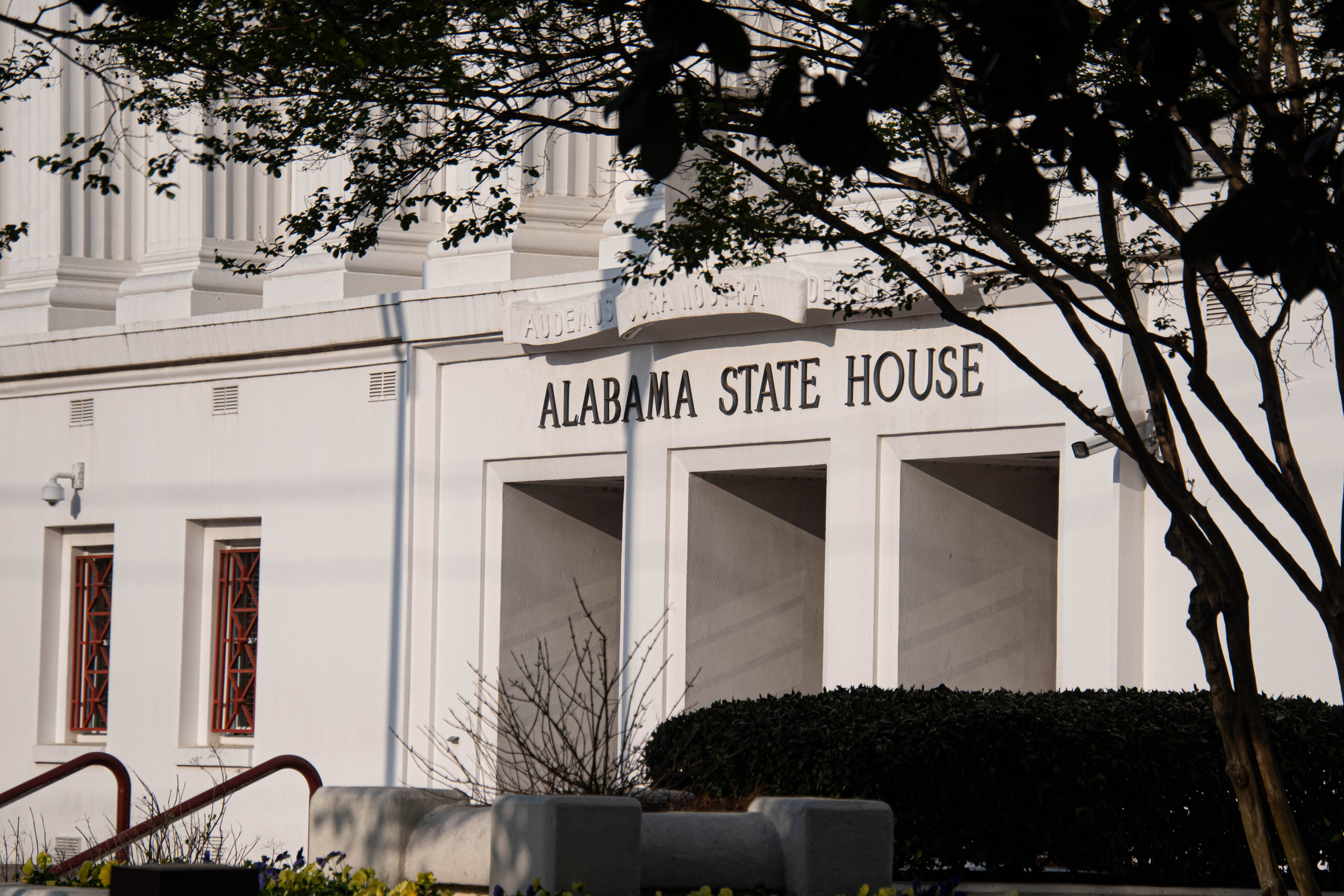
Nine days later, Rep. Chip Brown, R-Hollingers Island, introduced House Bill 392, legislation that would end direct elections for PSC commissioners, as Walker had described on the call. Instead, the commissioners would be appointed by the governor, selected from lists provided by leadership in the Legislature.
Energy Alabama opposed the bill but did not release the recording, at least not yet.
“It’s Just a Circus”
On Feb. 10, two weeks after the recorded call, the House Transportation, Utilities and Infrastructure Committee convened a public hearing on HB 392. Brown said the bill was needed to take politics out of the utility process. He highlighted recent PSC elections in Georgia, where two Democrats ousted incumbent Republican commissioners, as an example of “outside influences” impacting elections. Brown claimed, without evidence, that Energy Alabama was funded by financier and philanthropist George Soros, a frequent target of Alabama conservatives when decrying out-of-state political influence.
“We have other states, Georgia being one of them, that outside influences come in from California, Soros-backed money,” Brown said. “Matter of fact, you’re going to hear one Energy Alabama, that is backed by them, that’s funded by them.”
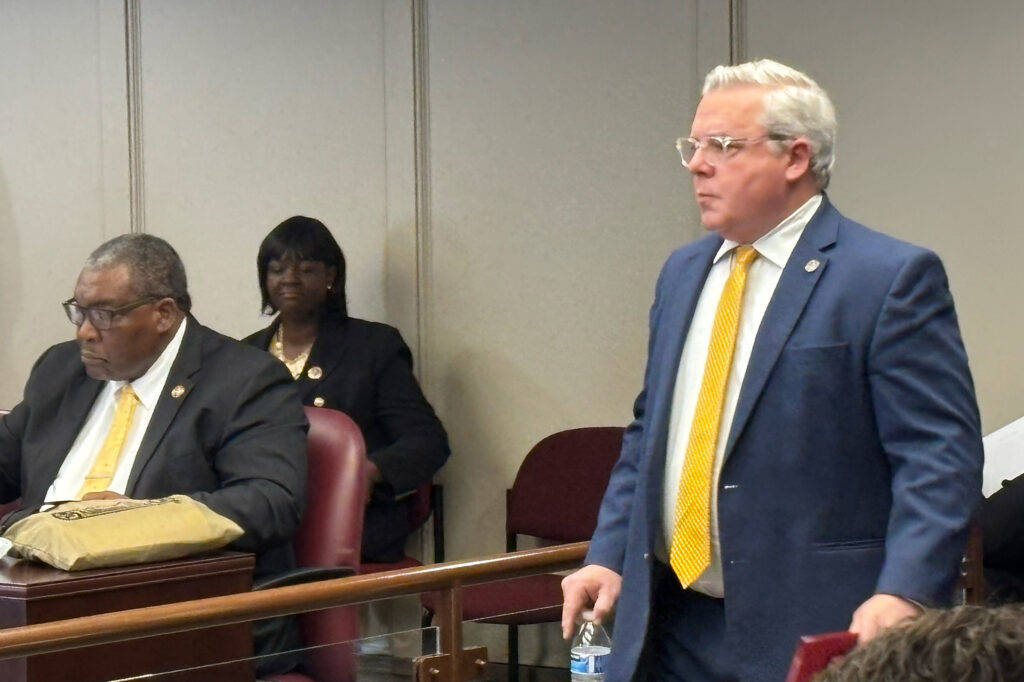
When the public comment session began, Energy Alabama Executive Director Daniel Tait spoke in opposition to the bill, saying the state should not take away the voters’ ability to choose their commissioners directly. He also said the bill created loopholes that would allow Alabama Power to contribute campaign funds directly to those in charge of regulating them, something that is now illegal.
Alabama Power is prohibited from endorsing or donating to PSC candidates, but no such prohibition exists for candidates for governor, who would appoint the commissioners, or the legislators who would submit nominees to the governor.
“Alabama Power can donate practically unlimited sums to all of you, the speaker, the senate pro tem and the governor, the very people who would now control the entire appointment process if this bill becomes law,” Tait said. “By passing this legislation, you are essentially legalizing bribery.”
Tait went on to say that nothing in the bill would address high utility rates or bills for Alabamians.
“There’s nothing about lower bills, about lower profits, and Alabamians are not stupid,” Tait said. “This bill is about locking in corporate power and profits before voters can demand change.”
In the remainder of the hearing, speakers for Alabama Arise, an anti-poverty nonprofit, and two private citizens spoke against the bill. Bill Cook, who identified himself only as a farmer but is a district director for the Alabama Farmers Federation, a powerful political entity in the state, and Paige Hutto, the president of the Chamber of Commerce Association of Alabama, spoke in favor.
Hutto, just the day before, had presided over the group’s annual Chamber Day event in Montgomery, which featured a panel including Alabama Power’s Walker, House Speaker Nathaniel Ledbetter and Sen. Garlan Gudger, discussing rural development issues. Alabama Power is listed as the event’s presenting sponsor.
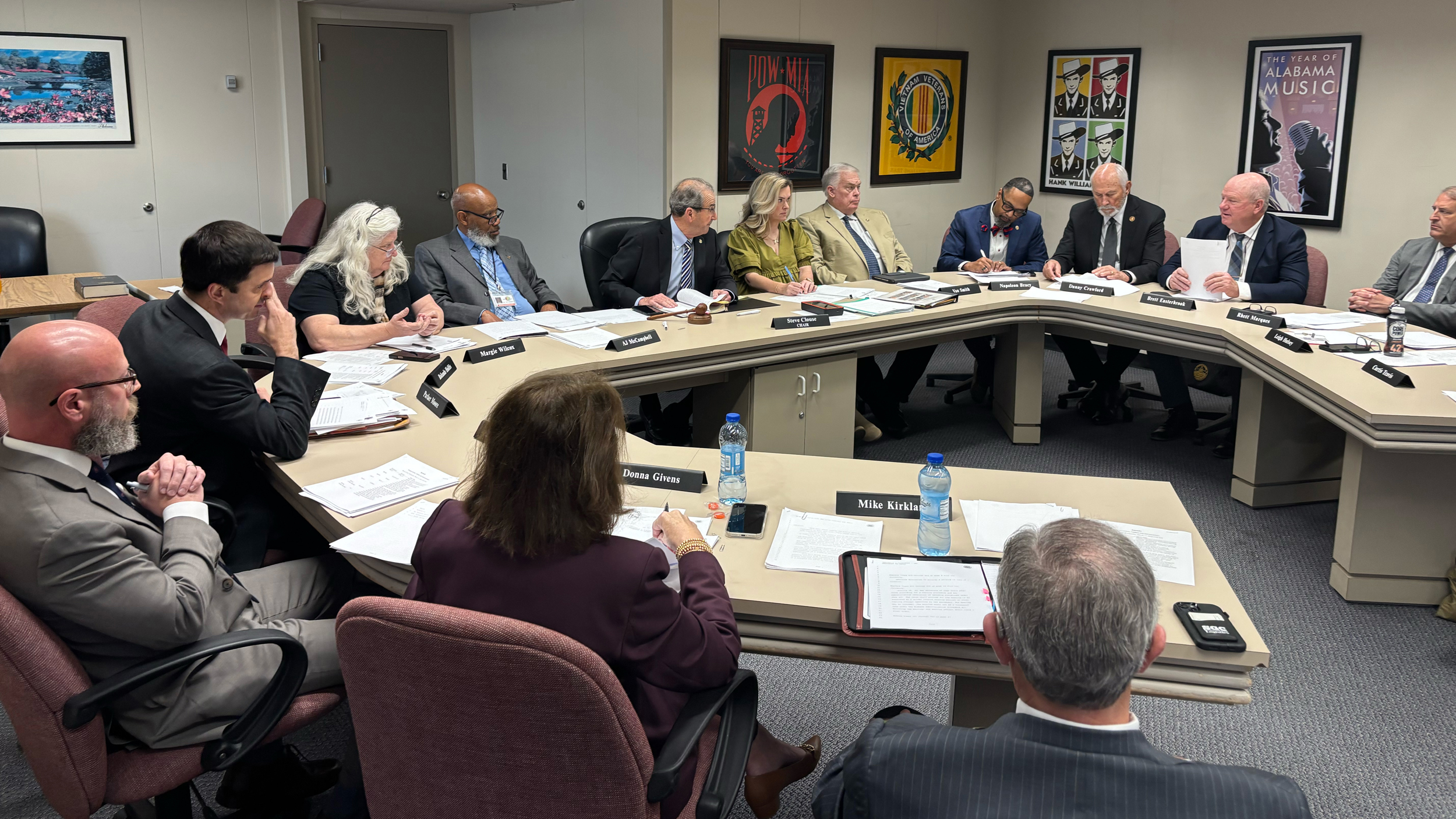
After the public comments, Rep. Margie Wilcox, R-Mobile, asked each person whether they lived in Alabama, though most had included that in their comments.
Then she turned to Tait and Energy Alabama.
“I’m not familiar with your organization,” Wilcox said. “You kind of popped up on the scene and no offense, but you’re, you seem very well rehearsed.”
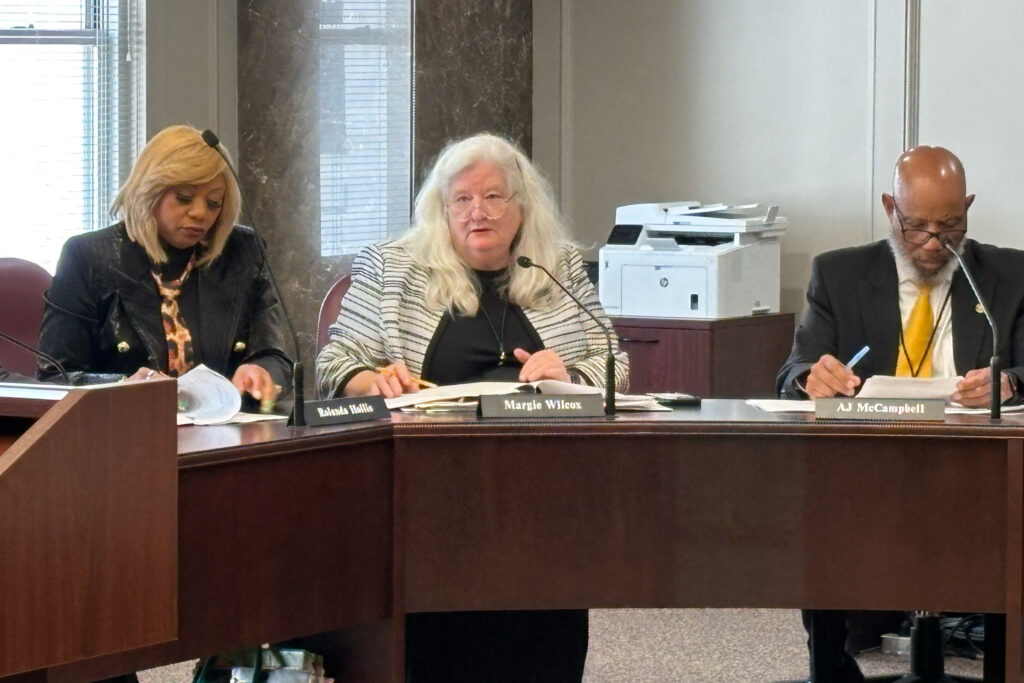
Tait replied that he hoped he would be well rehearsed, having done advocacy work with Energy Alabama for 15 years.
Wilcox, less than 15 seconds after saying she was unfamiliar with Energy Alabama, said, “Now there’s been a lot of controversy about your, or a lot of questions about your organization, your funding.”
Tait offered to return to the podium to answer questions and Rep. Steve Clouse, the committee chair, agreed. Tait said his group does not receive any funding from Soros or “any of these kinds of crazy groups that you’re talking about.”
Wilcox then asked Tait where Energy Alabama’s funding came from, how many members the group had, what constituted a membership and who was on the group’s board of directors.
Tait answered, but added, “This is all a distraction because people don’t want to talk about Alabama Power’s profits, they want to talk about us.” He noted that all of the information Wilcox asked for was freely available on the group’s website and in its required public filings with the Internal Revenue Service.
“It’s just a circus,” Tait said.
“No sir, it’s not a circus, this is a committee meeting and I’m asking questions,” she said.
Later, with Tait still at the podium, Rep. Donna Givens, R-Loxley, took over, questioning Tait about comments he’d made to media outlets regarding the PSC, and about one of Energy Alabama’s board members, former Arkansas Public Service Commission Chairman Ted Thomas. She appeared to be reading from prepared material when asking her questions.
Givens noted that Thomas was appointed to his seat on the Arkansas Public Service Commission and was a member of an organization called the Regulatory Assistance Project’s Council of Commissioners, which she noted was composed entirely of appointed, not elected, commissioners.
“So your board member built his career on gubernatorial appointment, joined an exclusive club of former appointed commissioners bankrolled by coastal foundations and now sits on your board of your organization which tells Alabama voters that the appointed model is regulatory capture?”
Regulatory capture is a term used to describe situations in which a government agency charged with protecting the public becomes unduly influenced by the entities it is supposed to be regulating.
Tait had not used the phrase during his remarks at the hearing, though the term is frequently used to describe the relationship between Alabama Power and the Alabama PSC.
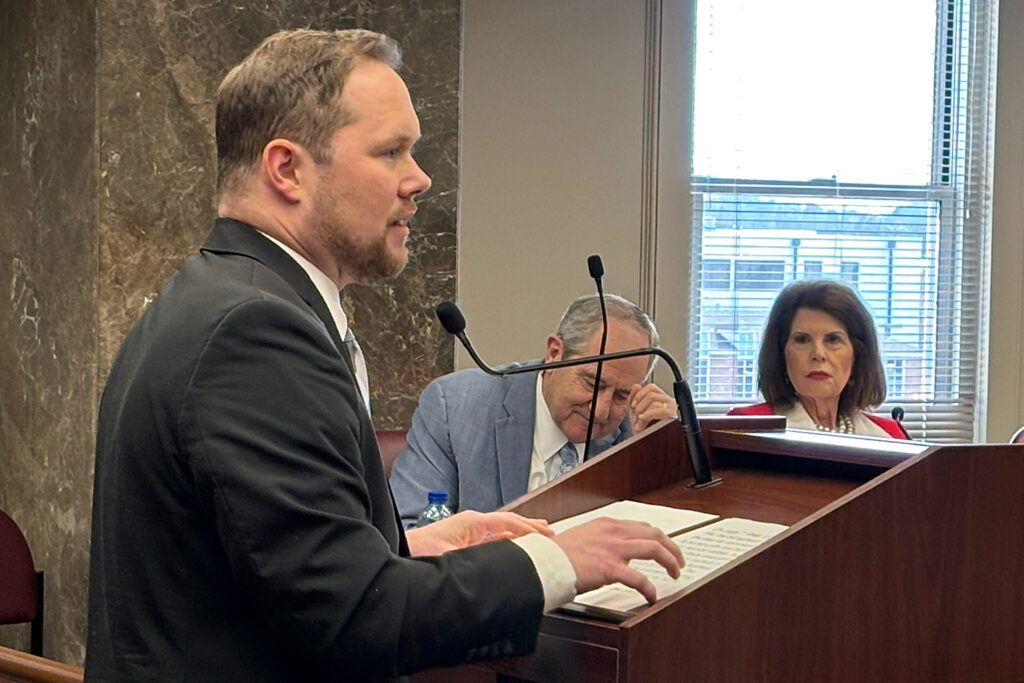
He said that Thomas was an “excellent addition” to Energy Alabama’s Board of Directors as someone who “knows the energy world and regulatory landscape.”
Givens continued her questioning of Tait with an accusatory tone, at one point interrupting Tait to note that Thomas had “never won an election.” She continued to infer without evidence that groups like Energy Alabama can “control” elections using donations from out-of-state interests.
“Does anybody in your organization actually believe what you’re telling this committee?” Givens demanded. “Or is your opposition to appointments just opposition to appointments for you to control?”
“We don’t control anything, ma’am,” Tait responded. “Y’all [legislators] would be the ones that would control the appointments, or the voters would if people vote.”
After a few more questions, Clouse asked Givens to move things along, and Rep. Rhett Marques picked up a similar line of questioning, asking Energy Alabama how preserving commission elections would lower energy prices, and whether it was happy with the current system.
After 14 minutes of questions directed at Tait from the three committee members, Rep. Napoleon Bracy, D-Prichard, interjected.
“I’ve never been in a committee meeting or a public hearing where we had more questions for a speaker than for the actual bill sponsor,” Bracy said.
“I’m not saying if I’m for or against [the bill], but I’m not going to grill you because of your two minutes that you came to talk to us, or whatever that I’ve heard in the background, or anybody else that comes up here,” Bracy said. “I just don’t think it’s fair to do that.”
All three House members questioning Tait have received campaign finance contributions from the Alabama Power Co. Employees State PAC.
Clouse then asked Brown, the sponsor, to return to the podium, but the legislators had no additional questions for him and the committee voted to approve the bill.
Five days after that contentious hearing, Energy Alabama’s Dodd released the audio from the call.
Dodd said he had played the recorded call for legislators to demonstrate that Alabama Power was orchestrating the push for appointed commissioners behind the scenes and was worried that an edited or doctored version of the call would be made public and used against the group. So he released the full 10-minute recording.
“After that, not only did the state House know where that bill was coming from, their constituents knew,” Dodd said. “And that’s when the walls really started falling.”
While Alabama Power remains publicly neutral on legislative matters involving the PSC, the call showed the extent to which it was working behind the scenes to advance legislation.
“I think that infuriated a lot of us,” said Butler, the representative who would go on to sponsor the reform bill. “Because we’re being told one thing, then we’re thinking, ‘Hey, here’s the real reason.’”
This story is funded by readers like you.
Our nonprofit newsroom provides award-winning climate coverage free of charge and advertising. We rely on donations from readers like you to keep going. Please donate now to support our work.
Donate NowGivan, a Democrat, said the release of the call was “the biggest game changer” in the debate over how to reform the PSC and regulate Alabama Power.
“That call became such a stain for them that it made it difficult for [HB 392] to pass,” Givan said.
On Feb. 25, 10 days after Dodd released the call, Gudger, the Senate president pro tem, said HB 392 was “dead.”
According to local media reports, Walker resigned from Alabama Power shortly after the audio was released.
Efforts to reach Walker for comment were unsuccessful.
“They walked him out the door gently because there was a smudge on their face,” Givan said of Alabama Power. “They didn’t want that image.”
Tuberville Calls for a New Secretary of Energy Role
The Legislature’s first attempt at utility reform went down in flames, but lawmakers were hardly done.
On Feb. 27, U.S. Sen. Tommy Tuberville, the GOP nominee for governor in November’s election and former Auburn football coach, publicly pitched creating a state-level secretary of energy, a cabinet-level position under the governor that would oversee the PSC and give the governor’s office direct influence over utility regulation.
Having a governor-appointed energy secretary was not the same as ending PSC elections altogether, but still tilted the balance of power in the PSC away from the elected commissioners and toward the governor’s office.
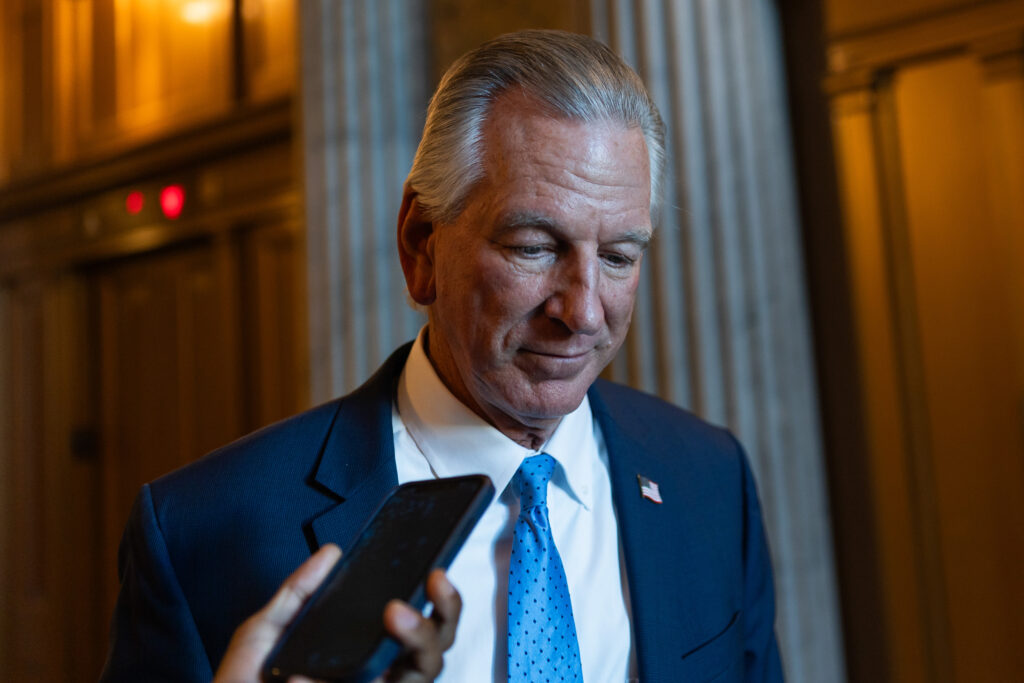
The secretary of energy position became a key component of the Senate’s PSC reform bill that would be introduced weeks later. Alabama’s first-ever secretary of energy would be chosen by its new governor next year. Tuberville is considered a heavy favorite, although some polling has shown a closer-than-expected race between Tuberville and former U.S. Sen. Doug Jones, a Democrat.
Initially, Jones called the secretary of energy “a horrible idea” that would take power away from the people. More recently, Jones has highlighted the importance of the role going forward.
“You really need to have the right governor to appoint the right person who will look out for the consumers and not the power companies and the utility companies,” Jones said in a video posted on social media.
Dueling Bills Emerge
Within two weeks of HB 392’s demise, two new, dueling bills had been introduced, one in the House, one in the Senate.
In the House, Butler introduced HB 475 on Feb. 19, four days after the release of the Alabama Power call.
Butler’s bill focused on limiting the profits that Alabama Power could earn, initially by forcing the company to undergo regular rate hearings every year.
On March 9, in the House Committee on Transportation, Utilities and Infrastructure, Butler introduced an amended version of the bill that reduced the frequency of the rate hearings to once every three years, but clarified the language that the meetings would be rate case hearings, more formalized proceedings than the Alabama PSC currently conducts.

Rate cases are courtroom-style hearings where regulated utilities are forced to justify the rates they charge their customers. Generally, witnesses are sworn in and give testimony under oath, and transcripts are made available to the public. Advocacy groups representing a wide range of clients, members or industries are allowed to intervene, providing input as to whether they think the utility’s rates are reasonable. These intervenors are allowed to question witnesses testifying for the power company, and call their own expert witnesses to counter or agree with the utility’s arguments.
The specifics vary by state, but most states require these hearings for monopoly utilities. Because utilities require so much expensive infrastructure—power lines, poles, power plants—having competing utilities operating in the same area would create expensive duplication, driving up prices for all. That was especially true a century ago, as the utility regulation model took hold across the country.
So instead, governments granted monopoly agreements to a single provider, with the condition that the utility would submit to regulation by a state body that represents the public interest, such as a public utility commission.
Alabama stopped requiring rate cases in 1982, after years of messy, contentious hearings that sometimes drew crowds in the thousands and resulted in numerous legal challenges over electricity rates. Since then, the Alabama PSC instituted a system where rates increase automatically according to a formula if Alabama Power’s profits fall below a certain percentage.
Numerous critics blame that automatic formula system for Alabama Power’s profits that for decades have been higher than similar utilities, driving up electricity prices. According to financial analysis firm S&P Global, the average return on equity for an electric utility in 2024 was 9.74 percent. Alabama Power’s 2024 return on equity, according to federal filings, was 11.1 percent. The company’s average return on equity since 2003 is 12.83 percent.
In a piece published by the Energy and Policy Institute, Energy Alabama’s Tait calculated that between 2014 and 2018, Alabama Power earned $1 billion more in profits than it would have if capped at the national average return.
Many have also criticized the lack of transparency and opportunity for public engagement in the current process, which is largely conducted behind closed doors between Alabama Power and the PSC.
Butler’s amended bill would have brought Alabama in closer alignment with other states in requiring these rate case hearings every three years. It also would have prohibited Alabama Power from charging customers for the company’s lobbying efforts or the expenses involved in preparing rate cases. Butler wanted those costs to come out of Alabama Power’s profits instead.
On March 10, Sen. Clyde Chambliss, R-Prattville, introduced SB 360, a competing utility bill wildly different from Butler’s.
The Senate bill proposed to expand the Public Service Commission to seven members and create the secretary of energy, but would not require formal rate cases, cap Alabama Power’s rate of return or restrict lobbying expenses.
The Senate version also included a provision extending Alabama Power’s existing rate freeze for an additional year, through 2028.
The secretary of energy role was not included in Butler’s reform bill, but he said he did not object to the idea.
“I think the secretary of energy is something that Coach Tuberville would really like, and I’m fine with that, with giving him all the tools he needs,” Butler said.
“I personally think Tuberville is going to be amazing, an amazing governor, and I think he’s going to be a component to look out for the people,” Butler said. “So I didn’t have a problem with that.”
Others had concerns about the governor’s increased role in utility regulation.
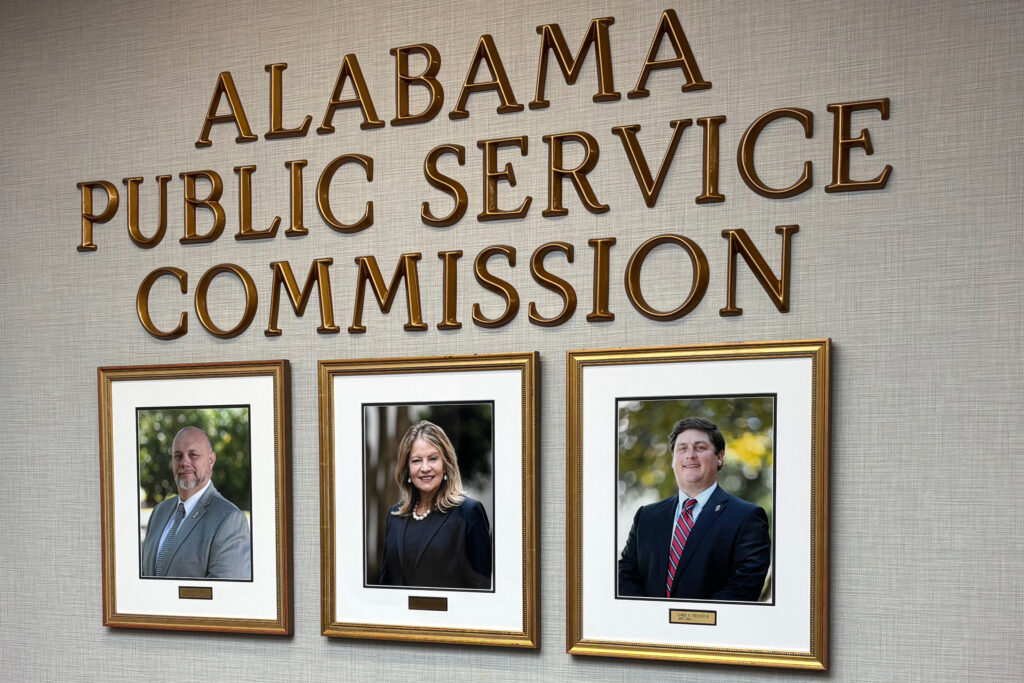
Alabama Power is legally prohibited from donating campaign funds to Public Service Commission candidates. Those limits do not apply to candidates for governor.
Under the Senate measure, the secretary would control the day-to-day operations of the commission and set its agenda. Overruling the secretary—for instance, to require an Alabama Power rate case—would require a vote of five of the seven commissioners.
The secretary would have control over hiring commission staff and other decisions that could impact how it regulates utilities. And the secretary would not only be picked by, but also report to, a governor who can receive campaign contributions directly from Alabama Power.
“They will have a lot of power,” said Dodd, from Energy Alabama. “They’ll have a lot of control.”
The Senate bill passed committee on March 11 and was approved by the full Senate on March 12, less than 48 hours after it was introduced.
Sen. Bobby Singleton, a Democrat, spoke in favor of the bill, saying it would “give representation” to areas of the state that statewide elections did not.
On March 17, the full Alabama House debated and voted on Butler’s bill.
During the debate, Clouse, chair of the House Transportation, Utilities and Infrastructure committee, thanked Butler for working with his committee members while updating the bill.
“This particular issue has gone in a whole lot of different directions over the last month and you worked with us on a lot of the questions that we had to come with this substitute and I think we came to a good, happy place, a happy medium there, so I appreciate your cooperation,” Clouse said.
Butler thanked Clouse and the committee for helping make the bill better.
No one spoke against the bill, but after Butler moved for final passage, Brown, the original sponsor of HB 392, introduced an amendment seeking tighter restrictions on permitting large solar and wind farms, adding a loosely related issue onto a bill that seemed destined for passage.
A large solar project in coastal Alabama had generated numerous complaints from local residents, and Brown’s amendment would require all solar or wind projects over a certain size to face a public hearing at the PSC, including a 60-day public comment period, before approval. Butler said he was neutral on the amendment, and other members debated its wording and what size projects should be required to undergo a public hearing.
While legislators tweaked and submitted the final language of Brown’s amendment, Butler and Rep. Chris England, D-Tuscaloosa, discussed the benefits of Butler’s bill and their opinions of the deficiencies of SB 360, largely to kill time.
“Right now, we the people of this state are paying for lobbying costs, among other things, and I think those should be paid for out of those record profits,” Butler said, pointing to one of the requirements of his bill that was not in the Senate legislation.
Butler, with prompting questions from England, pointed out how long it had been since Alabama Power had faced a formal rate case hearing.
“I’m 62 years old, and the last time they had a real rate case hearing, I was still in high school,” Butler said. “So that tells you. … Ronald Reagan was president.”
“That’s like prehistoric,” England interjected.
“Yes sir, it is,” Butler said. “But you would think maybe after 10 years, 20 years, 30 years, 40 years, maybe 44 years, we could have a rate case hearing and look over their shoulder and see what they’re doing.”
Givan said that even many lawmakers were shocked Butler’s bill made it to the floor, and many were upset they’d be forced to vote on a bill with such strong ratepayer protections. It was a lose-lose situation for some, she explained.
On one hand, if legislators voted against the bill, they’d be seen as shirking their constituents and carrying Alabama Power’s water. On the other, if they voted for it, they might feel the wrath of the powerful company and its allies.
Or, ultimately, the Legislature could take a third road: Pass Butler’s true reform bill in the House and worry about gutting it later in the Senate.
Flowers said the strategy isn’t uncommon in the Legislature.
“I’m a little surprised that it even got to the floor,” Flowers said. “But sometimes bills get to the floor by accident. They probably just assumed, ‘We’ll kill it in committee or just let it die.’”
With the solar amendment language finalized, Butler’s HB 475 passed unanimously.
The House’s passage of the legislation was unprecedented. For the first time, a chamber of the Legislature—both Republicans and Democrats—had sent a signal to Alabama Power, at least for the moment: Enough is enough.
“It was like a thunderbolt,” Givan said. “It was unheard of that anyone would go against Alabama Power. They’re not used to losing in Montgomery.”
But even as they passed the legislation, Givan said she could feel the fear in the room.
A Gentlemen’s Agreement?
Efforts then began in earnest to merge Butler’s HB 475, which called for a return of public ratemaking cases, a cap on Alabama Power’s rate of return and restricted lobbying expenses, with Chambliss’ SB 360, which expanded the PSC to seven members, created the secretary of energy position and did not include Butler’s key provisions on rate cases, Alabama Power’s rate of return or lobbying expenses.
According to Givan, who is leaving the legislature after losing in the Democratic primary, the halls of the state Legislature were crawling with lobbyists from Alabama Power and the Business Council of Alabama. But lawmakers were still feeling pressure from constituents, too.
“Folks came together,” she said. “It was galvanizing.”
Despite the differences in the Senate and House bills, Butler said he believed he and key senators had agreed on a compromise in a conference committee before spring break, just days away, that would keep some of his key reforms in the bill, primarily the provision requiring mandatory rate cases.
Butler said there were discussions about what conditions should trigger a rate case, such as profit margins, regional electric rates or other factors.
Dodd, from Energy Alabama, said he was kept in the loop by legislators because his group had such a prominent role in the bill’s development so far. He said the negotiations were extremely one-sided.
“A majority of the time, Rep. Butler only heard why his bill was bad, in their words, or why they think it’s not doable, why they think that the provisions of their bill are better,” Dodd said, referring to other GOP lawmakers involved in the negotiations. “They kind of made a promise to him, a gentleman’s promise, I’m quoting them directly, that they would keep at least a couple of Mack’s provisions in there.”
Would the senators agree to keep Butler’s key provision, requiring the resumption of public rate hearings after a 44-year hiatus?
“We did work it out, had an agreement,” Butler said. “And then we left for 11 days on spring break, not hearing a word or seeing anything with the bill.”
Butler took his family to Miami for a vacation. Montgomery would go quiet for the next 12 days.
Or so he thought.
Keep reading Part 7 of Wired for Profit: The Legislature returns after spring break.
About This Story
Perhaps you noticed: This story, like all the news we publish, is free to read. That’s because Inside Climate News is a 501c3 nonprofit organization. We do not charge a subscription fee, lock our news behind a paywall, or clutter our website with ads. We make our news on climate and the environment freely available to you and anyone who wants it.
That’s not all. We also share our news for free with scores of other media organizations around the country. Many of them can’t afford to do environmental journalism of their own. We’ve built bureaus from coast to coast to report local stories, collaborate with local newsrooms and co-publish articles so that this vital work is shared as widely as possible.
Two of us launched ICN in 2007. Six years later we earned a Pulitzer Prize for National Reporting, and now we run the oldest and largest dedicated climate newsroom in the nation. We tell the story in all its complexity. We hold polluters accountable. We expose environmental injustice. We debunk misinformation. We scrutinize solutions and inspire action.
Donations from readers like you fund every aspect of what we do. If you don’t already, will you support our ongoing work, our reporting on the biggest crisis facing our planet, and help us reach even more readers in more places?
Please take a moment to make a tax-deductible donation. Every one of them makes a difference.
Thank you,

Dennis Pillion
Reporter, Alabama
Dennis Pillion is a reporter for Inside Climate News based in Alabama. He joined ICN in 2024 after 17 years working for Alabama Media Group, including nine as the statewide natural resources reporter. His work for AL.com and The Birmingham News, won numerous Green Eyeshade and Alabama Press Association awards for his coverage of environmental issues in Alabama. He was born and lives in Birmingham, Ala.

Lee Hedgepeth
Reporter, Alabama
Lee Hedgepeth is Inside Climate News’ Alabama reporter. Raised in Grand Bay, Alabama, a small town on the Gulf Coast, Lee holds master’s degrees in community journalism and political development from the University of Alabama and Tulane University. Lee is the founder of Tread, a newsletter of Southern journalism, and has also worked for news outlets across Alabama, including CBS 42, Alabama Political Reporter and the Anniston Star. His reporting has focused on issues impacting members of marginalized groups, including homelessness, poverty, and the death penalty. His award-winning journalism has appeared in publications across the country and has been cited by the New York Times, the Wall Street Journal and the Washington Post, among others.