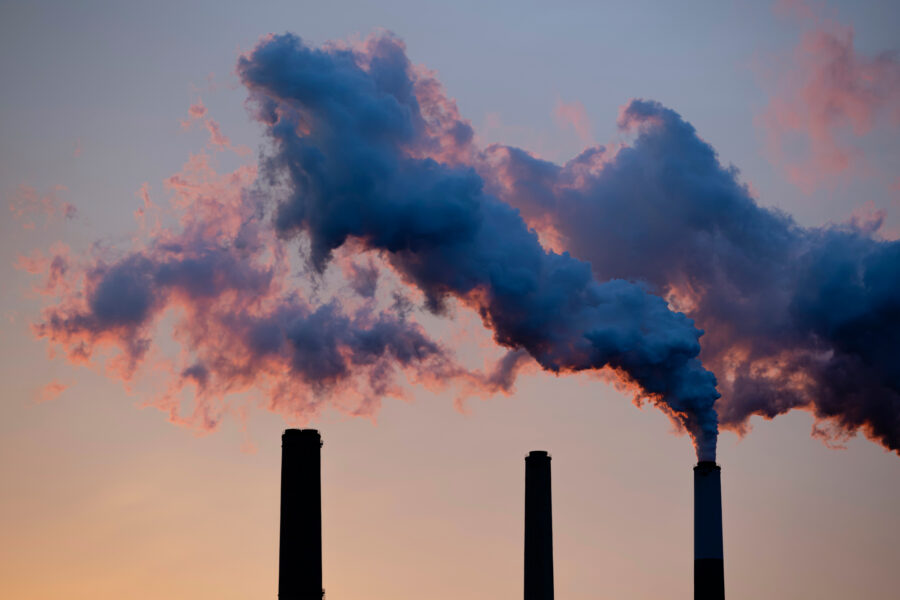


A New Jersey county has become the latest local government to sue major oil and gas companies, seeking to recover costs from damage caused by worsening flooding and other climate change impacts.
The filing comes just days before the U.S. Supreme Court takes up Boulder, Colorado’s climate case against Big Oil in a proceeding whose outcome could stop these types of lawsuits in their tracks.
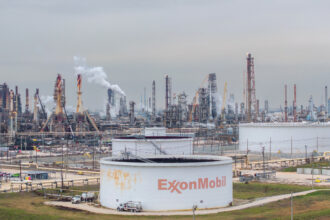
Middlesex County is suing ExxonMobil, BP, Chevron, ConocoPhillips, Phillips 66, Shell, and the American Petroleum Institute, following climate deception lawsuits filed by the state of New Jersey and the city of Hoboken. The county’s lawsuit, filed Wednesday in a New Jersey state court, alleges that the defendants’ “decades of climate deception” have exacerbated climate change impacts that are taking a severe toll on the community and costing hundreds of millions of dollars.
“This lawsuit is a necessary step forward to help protect our communities from further damage from extreme weather events,” Middlesex County Commissioner Director Ronald G. Rios said in a statement. “Our residents are not only bearing the costs of damage from flooding and other natural disasters, but also the rising everyday costs of protecting their homes and families from extreme heat and cold. We are taking action to seek compensation.”
County officials told Inside Climate News that the looming Supreme Court ruling did not deter them from moving forward with the lawsuit. “Middlesex County is positioning itself to advance quickly once the Supreme Court makes its decision on this matter,” Rios said in an emailed statement. “This is the right action to take on behalf of our hardworking residents.”
The American Petroleum Institute called the county’s lawsuit “baseless” and said it is part of a “coordinated campaign against an industry that powers everyday life, drives America’s economy, and is actively reducing emissions.”
“We continue to believe that climate policy belongs in Congress, not a patchwork of courtrooms,” API senior vice president and general counsel Ryan Meyers said in a statement.
The other defendants did not respond to requests for comment.
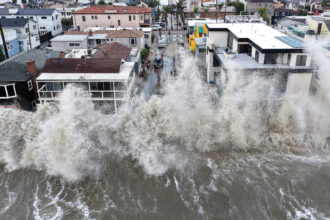
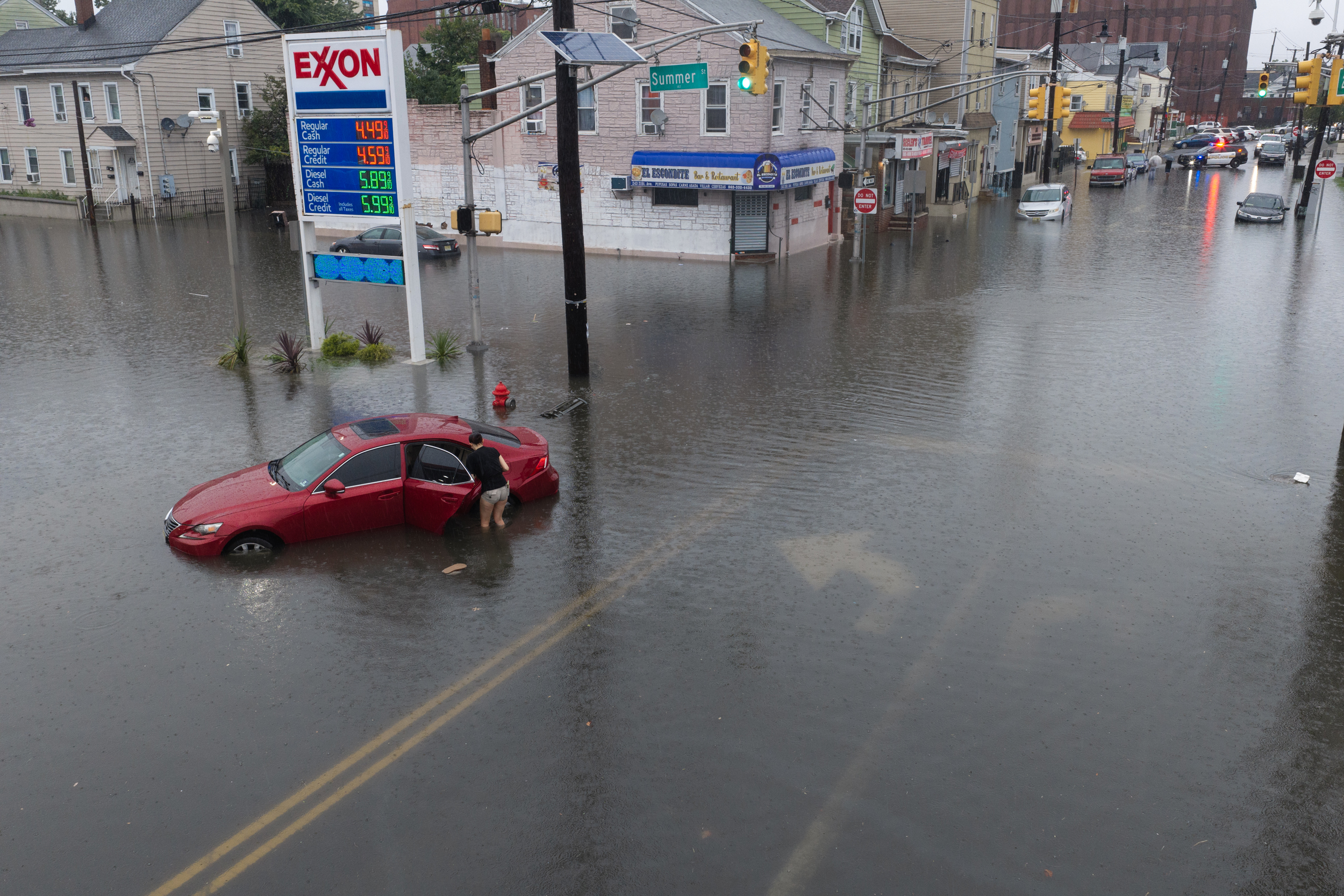
The county, New Jersey’s second most populous, has experienced at least 60 significant flooding events linked to coastal storms and extreme rainfall in recent decades, wreaking over $500 million in property damage. Three major storms alone—Irene, Sandy and Ida—caused the county government to incur nearly $200 million in damages and related costs.
The lawsuit’s filing comes in the wake of a climate change-fueled nor’easter last weekend that battered parts of the mid-Atlantic and Northeast, including the Jersey Shore. Some New Jersey towns recorded over a half foot of rain; several towns in Middlesex County saw over 4 inches of rainfall. Scientists say rising sea levels from climate change made flooding from the storm even worse.
The county says it is also experiencing more days of extreme heat, and this summer, hazardous smoke from Canadian wildfires that drifted into the Northeast region caused the worst air-quality readings in New Jersey’s history.
“Middlesex County has been reeling from the devastating impact of one climate disaster after another,” the complaint states. “And there is no end in sight. Middlesex County will continue to feel the disastrous effects of the raging climate crisis that Defendants have spent decades trying to conceal.”
The lawsuit brings claims of nuisance, trespass and negligence as well as violations of New Jersey’s Consumer Fraud Act.
More than two dozen similar cases have been filed against major fossil fuel entities over the past nine years by cities, counties, states, Native American tribes and individuals. The lawsuits cite evidence revealed through investigations by Inside Climate News and others showing that companies like Exxon knew decades ago that unchecked fossil fuel use could cause “catastrophic” climate harm, yet concealed these risks from the public to inflate sales and protect their profits.
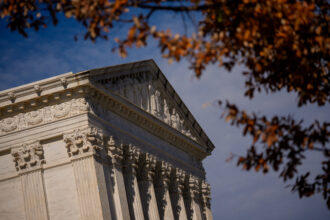
On Monday, the Supreme Court will hear arguments in the Suncor v. Boulder case, which involves state tort claims brought by the city and county of Boulder against oil companies Suncor and ExxonMobil over localized climate impacts. The companies argue that federal law preempts these claims, and if a majority of the justices agree, the ruling could knock out not only Boulder’s case but others like it, including Middlesex County’s.
“The outcome of this decision will have enormous consequences for communities already saddled with funding the massive costs of adapting to a changing climate,” Pat Parenteau, emeritus professor of law at Vermont Law and Graduate School, wrote in a new piece published in The Conversation.
“A broad ruling in favor of Suncor could effectively kill dozens of similar climate-deception lawsuits filed by cities, counties and states nationwide,” Parenteau added. “That would leave the public on the hook for billions of dollars to cope with the escalating impacts of climate change.”
About This Story
Perhaps you noticed: This story, like all the news we publish, is free to read. That’s because Inside Climate News is a 501c3 nonprofit organization. We do not charge a subscription fee, lock our news behind a paywall, or clutter our website with ads. We make our news on climate and the environment freely available to you and anyone who wants it.
That’s not all. We also share our news for free with scores of other media organizations around the country. Many of them can’t afford to do environmental journalism of their own. We’ve built bureaus from coast to coast to report local stories, collaborate with local newsrooms and co-publish articles so that this vital work is shared as widely as possible.
Two of us launched ICN in 2007. Six years later we earned a Pulitzer Prize for National Reporting, and now we run the oldest and largest dedicated climate newsroom in the nation. We tell the story in all its complexity. We hold polluters accountable. We expose environmental injustice. We debunk misinformation. We scrutinize solutions and inspire action.
Donations from readers like you fund every aspect of what we do. If you don’t already, will you support our ongoing work, our reporting on the biggest crisis facing our planet, and help us reach even more readers in more places?
Please take a moment to make a tax-deductible donation. Every one of them makes a difference.
Thank you,