

Squeezing blood from a stone.
That’s how Seth Berry describes rising electricity prices in Maine. As executive director of Our Power, a coalition focused on clean energy and utility regulation, Berry talks with people all over the state who are no longer able to afford their power bills.
Combined with recent price increases for heating fuel and gasoline, he said electricity bills could create “a world of hurt” for many Maine households this winter. “People are really at their wits’ end, and I expect to see a whole lot of folks cold this winter, desperately cold in their homes,” Berry said.
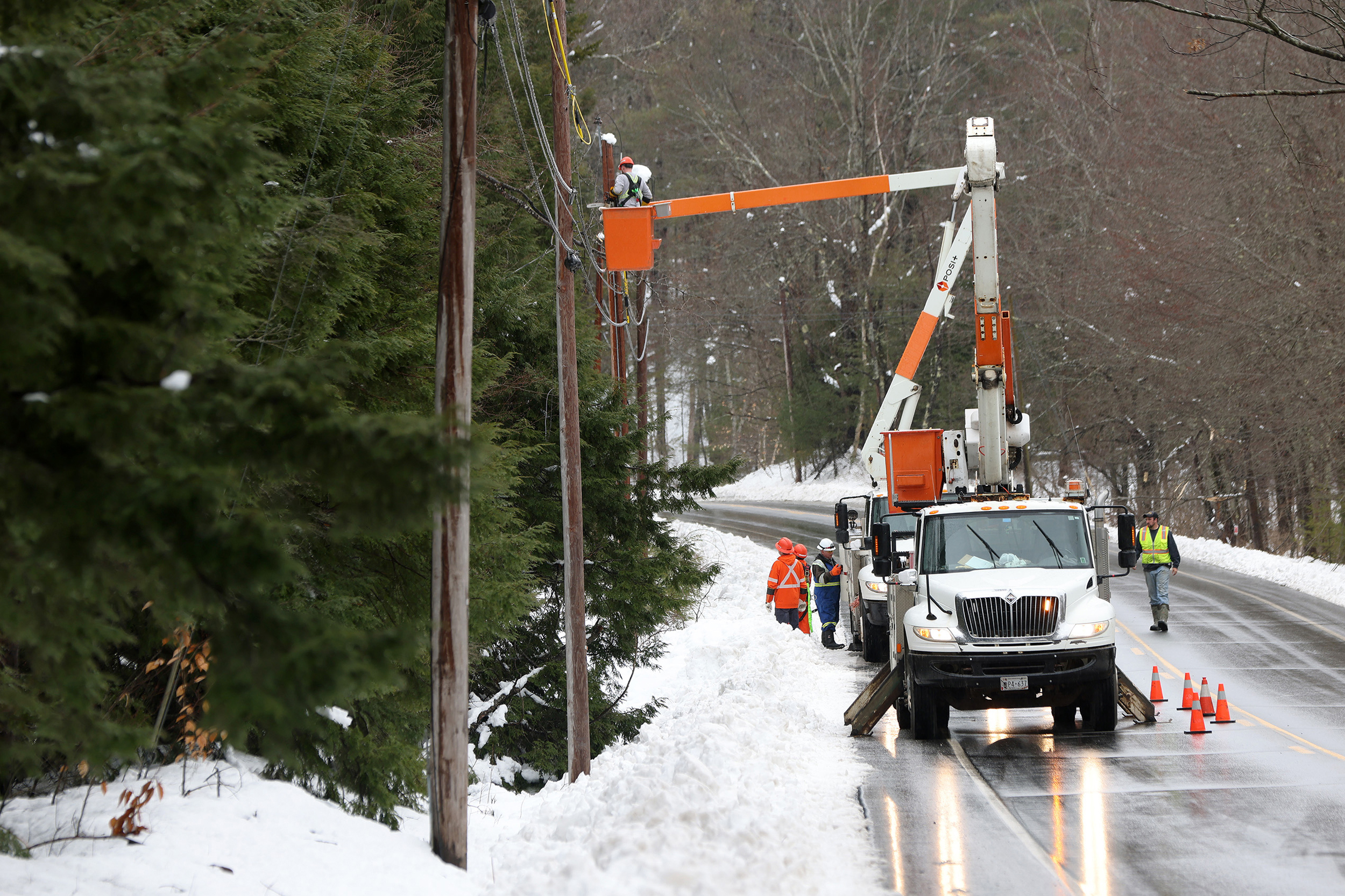
Maine has one of the highest energy burdens in the country, due in part to the cost of downed power lines and other repairs after severe storms. The state’s biggest power company is currently requesting another rate increase, and Maine is now reckoning with the balance between needed grid repairs and affordable power bills.
Maine’s Energy Burden
Electricity prices in Maine increased 64 percent between 2019 and 2025, compared to an average 38 percent increase nationwide, according to the U.S. Energy Information Administration. Only Washington, D.C., and California had larger increases.
The state also has one of the highest average household energy burdens in the nation. A 2024 report to Maine’s Electric Ratepayer Advisory Council found that low-income households spend about 8 percent of their income on electricity and an additional 6 percent on other sources like propane and heating oil. Anything above 6 percent is considered a high energy burden by the U.S. Department of Energy.
Maine’s rural, heavily forested character means utility companies require more miles of power lines to reach their most remote customers, and these lines are more likely to be hit by tree branches, the most common cause of outages.
Climate change has fueled more intense storm seasons in recent years. Maine had the highest number of power outages per customer in the U.S. in 2023 and 2024, federal data shows. The state also had the highest average minutes of power outage in 2023 and the second-highest in 2024.
Central Maine Power, the largest electricity provider in the state, reported more than $600 million in storm recovery costs between 2021 and 2025, a span that included the three most expensive storm years in the company’s history.
“Storm costs have become one of the largest and fastest-growing items on customers’ bills,” said Rebecca Schultz, the senior advocate for climate and clean energy at the Natural Resources Council of Maine.
Advocates like Berry and Schultz say that the way CMP is reimbursed for its storm recovery costs incentivizes the company to overspend, leaving customers to shoulder an even greater burden.
“It’s broken, people understand that it’s broken,” Berry said.
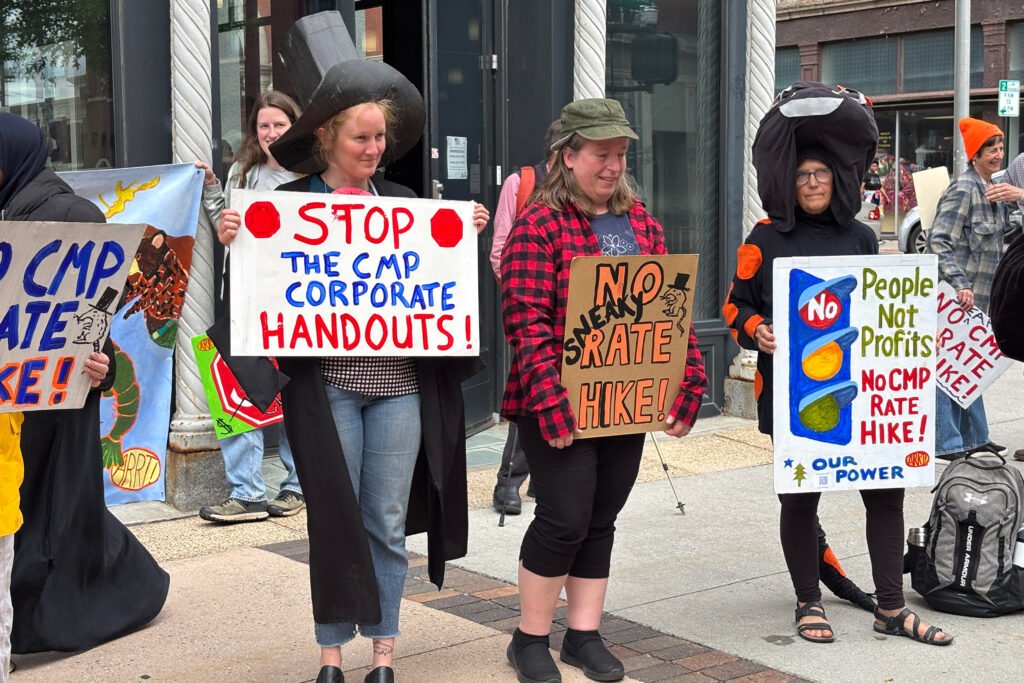

CMP did not respond to interview requests. The company noted in comments to the state Public Utilities Commission in September that the commission’s review of its storm costs from 2023 to 2025 showed “no findings of imprudence.”
The Maine Legislature in March directed the PUC, which regulates utilities in the state, to conduct a review of energy pricing and metrics for affordability. Managing storm costs will be essential to the affordability discussion.
Accounting for Storms
Power companies don’t treat storm costs like regular expenses because severe weather can be so unpredictable and costly.
CMP customers currently pay $14.1 million per year in storm recovery as part of their base rates, which goes toward a reserve account. Each storm event is classified into tiers based on how much CMP spends on the recovery.
Depending on the tier, CMP is responsible for paying up to a certain threshold of each storm’s recovery costs out of its reserves. Beyond that threshold, costs are split equally between the company and its customers—up to a point.
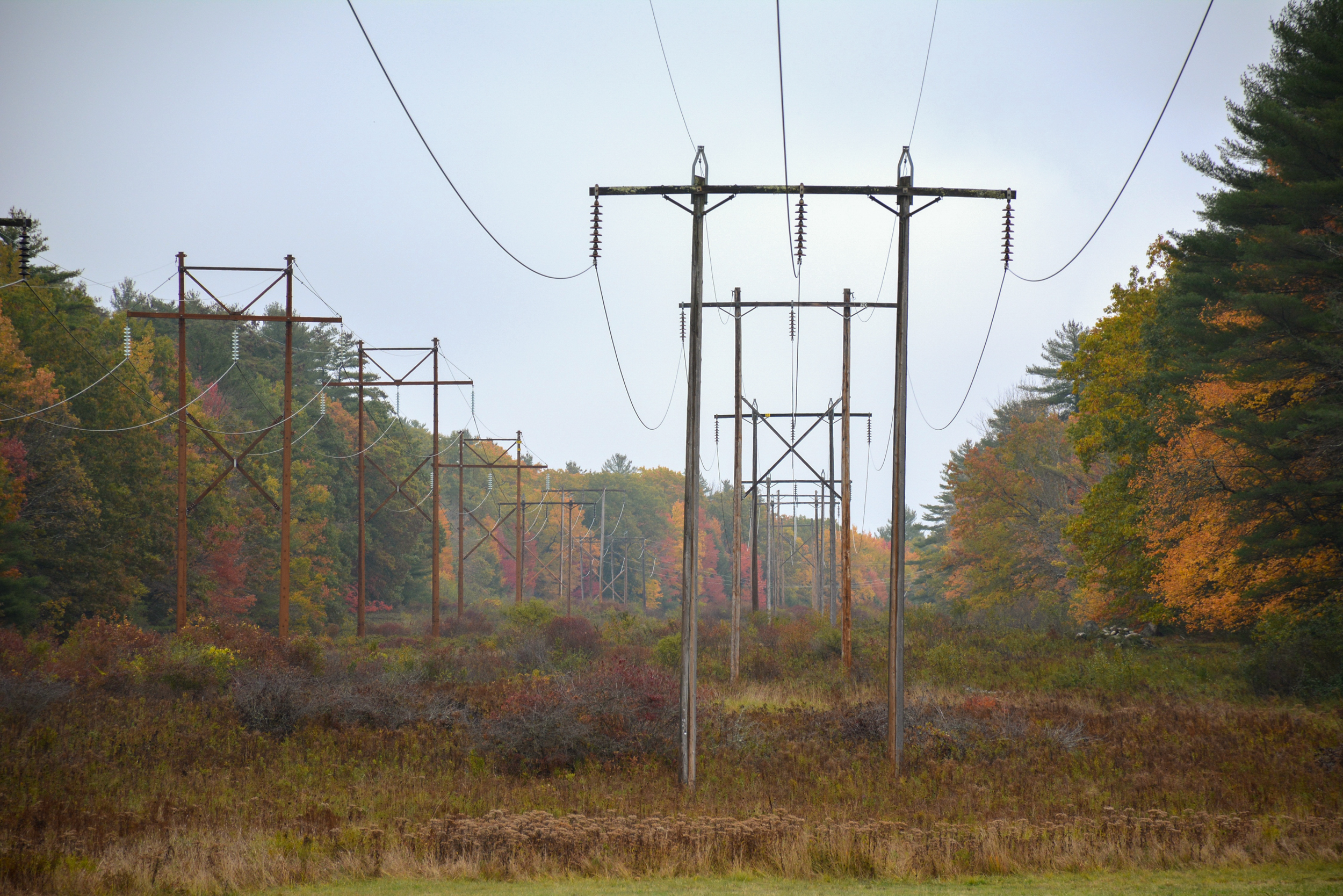
CMP’s share when costs exceed its storm reserve is capped at $3 million per year. The rest is charged directly to customers. The largest events, like an April 2024 storm where CMP spent more than $100 million, are billed to customers over two years, plus additional carrying costs.
CMP customers have paid for $57.8 million just in carrying costs over the last five years, according to testimony by Maine’s Office of the Public Advocate to the PUC.
Since CMP’s financial liability is capped, “it deprives the company of an incentive to control costs,” Schultz said.
Schultz said the company can contract more out-of-state line crews, which require higher hourly rates and additional housing and travel expenses, than it may actually need for storm response because there’s no reward for efficient planning.
In the past five years, CMP has hired external crews for 18 storms per year, averaging about 93 crews each time. While contractor crews are essential when major storms surpass the company’s regular capacity, Schultz said CMP’s approach creates “a huge amount of overpreparedness.”
Heather Sanborn, the state’s public advocate, said CMP’s storm response is “carefully calibrated” to be profitable, not cost-efficient or faster at restoring power.
Even in 2025, a year with less severe weather, CMP racked up $43 million in recovery costs, more than three times the base recovery costs that customers pay, according to its filings with the PUC.
“All of these costs get rolled up into customers’ bills whether the storm turns out to be a big one and whether there’s work to do or not,” Berry said.
An Alternate Method
The other major electricity provider in Maine, Versant Power, has a different storm cost structure, in which customers’ base rates include the five-year average of recovery costs.
Exceptionally severe storm recovery is reviewed and approved by the PUC separately from that budget, since Versant couldn’t financially support those expenses in a single year. But if Versant spends more on ordinary recovery efforts than that five-year average, the company and its shareholders pay for that excess through reduced returns on investments. This happened most recently in 2024.
“This framework provides accountability and transparency, but it does not limit Versant’s ability to prepare for or respond to major weather events,” Versant spokesperson Marissa McKay said via email.
Versant also brings in out-of-state crews when needed, but it “hasn’t seen this explosion of storm costs in recent years,” Schultz said.
CMP spent $179 per customer (or $4,968 per mile of power line) on storm recovery in 2021, compared to Versant’s $68 per customer (or $1,750 per line mile), according to the Office of the Public Advocate.
This story is funded by readers like you.
Our nonprofit newsroom provides award-winning climate coverage free of charge and advertising. We rely on donations from readers like you to keep going. Please donate now to support our work.
Donate NowBoth companies are meeting their required reliability metrics, Schultz said, so she doesn’t believe the difference in spending translates to a meaningful difference in power outages or response time.
The Office of the Public Advocate recommended to the PUC in September that CMP’s storm cost structure should be reformed to be more similar to Versant’s method, as a means to control excessive recovery costs and encourage hiring more in-state crews.
CMP’s own proposal to the PUC for lowering storm costs also includes more in-state hiring, as well as investing more in infrastructure and tree trimming.
Additionally, the company suggested raising customers’ base storm rates from $14.1 million to $53.1 million per year, based on recent years’ recovery costs. This would cause less volatility in customers’ bills since more costs would be paid upfront, though it still wouldn’t cover the entirety of CMP storm spending from the last five years.
“Driven to Spend”
Severe weather isn’t the only scenario where it’s possible to overspend. Maine is one of many states where regulators allow power companies to charge their customers a “return on equity,” or a certain percentage of profit, for significant infrastructure projects.
This return is meant to incentivize projects the company might not otherwise take on, like extending the power grid to the most rural areas of the country. It also attracts investors.
But that extra profit can make more expensive solutions appealing to utility companies because of their bigger returns, even if the solutions aren’t more effective, Schultz said.
Power companies are “driven to spend,” she said.
For example, Sanborn said a utility might choose to upgrade power lines or poles with more resilient versions, even though trimming back trees around the line is cheaper and often just as effective at preventing an outage. Equipment upgrades are eligible for return on equity; trimming trees is just a regular business expense.
Earlier this year, the Federal Energy Regulatory Commission ordered New England utilities to refund customers more than $1.5 billion from previous unreasonable return-on-equity rates, based on a 2011 complaint. About $130 million of that refund would go to Maine customers. CMP, Versant and other utilities lost their appeal to this ruling in November and must refund customers by May 2027.
A “Highly Insensitive” Rate Increase
While Maine’s Public Utilities Commission is studying electricity affordability, it’s also deciding whether CMP is allowed to raise its rates.
CMP filed in April to increase both its distribution rates and its return on equity percentage for one year, generating $189 million to pay for necessary system upgrades, additional hiring and storm costs.
CMP has stated that its proposed return on equity is in line with the rest of the industry and helps the company stay competitive in attracting investors.
The average household’s power bill would go up $18 per month.
“That seems highly insensitive to the state of its customers’ budgets at this time,” Schultz said.
CMP also requested a rate increase last year, which would have generated $1.7 billion over five years. The company withdrew its 2025 request after negative feedback from the PUC, which received a record 800-plus public comments opposing the increase.
“That was just a massive, massive proposal that would have had huge impacts on ratepayers,” Schultz said.
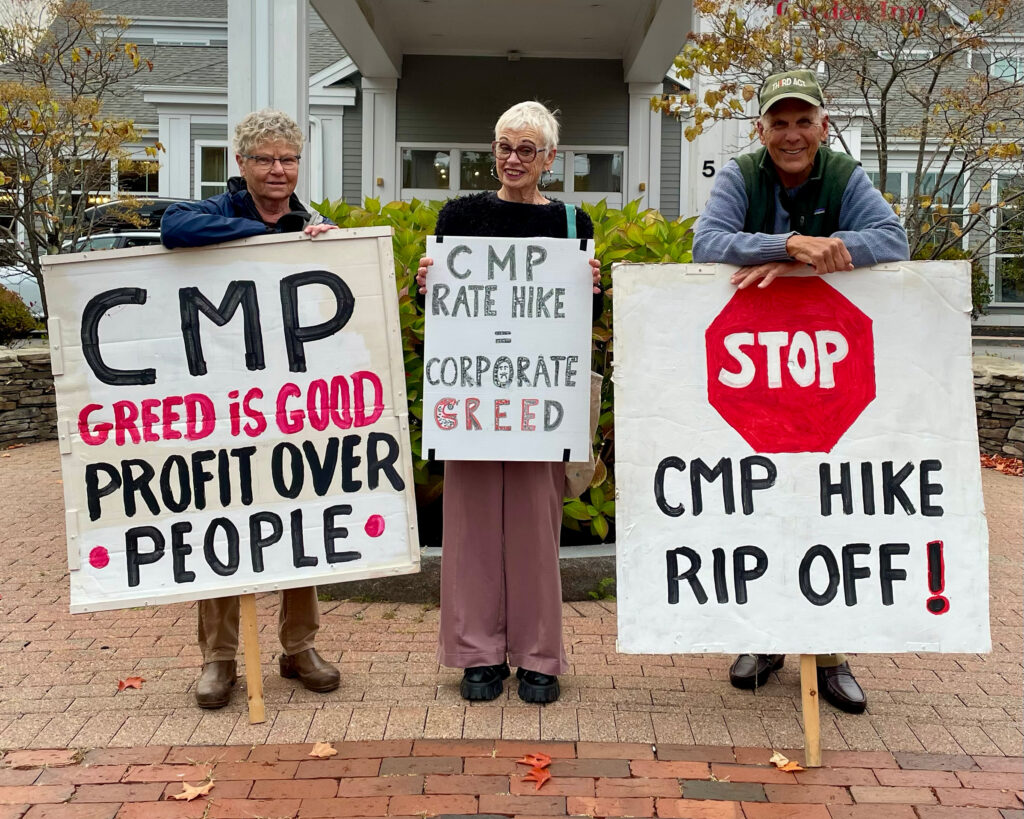
CMP’s current request is almost identical to the first year of the rejected 2025 request, she said. The company has stated its intent to file more multi-year rate requests in the future.
CMP’s financial health has become a major focus of the PUC’s deliberations. The company overspent its budget projections for 2022 to 2025 by $239 million, Schultz said. S&P Global gave the company a negative financial outlook in July due to significant debt and cash flow concerns.
In order to address what it described as a “profoundly impaired financial condition,” CMP also proposed a $69 million temporary rate increase while the PUC considers the main request.
The PUC unanimously rejected the temporary increase in early October. CMP responded by removing all job listings from its website, and company officials stated that the rejection could mean re-evaluating its current employment levels and deferred projects.
One expert witness, a former utility executive from California, testified to the PUC that rather than raise CMP’s return on equity as requested, that percentage could be cut by a third or more without harming the company’s finances, based on internal financial documents that CMP’s parent company, Iberdrola, was forced to release.
“That was a very powerful breath of fresh air,” Berry said.
Schultz said that lower percentage would save customers about $62 million out of CMP’s requested rate increase, even if it caused a downgrade in the company’s credit rating that would make it more expensive to borrow.
The PUC will announce a decision on CMP’s rate increase in April 2027, and it will report its findings on affordability back to the state Legislature before December 2027.
Sanborn said these two cases dovetail into an opportunity for Maine to make big changes in the way its power grid operates.
“Maine households are really feeling squeezed from all sides by increasing costs,” Sanborn said. “It’s absolutely critical that we take a look at what levers we have available to us at the state level to reduce those costs where possible.”
About This Story
Perhaps you noticed: This story, like all the news we publish, is free to read. That’s because Inside Climate News is a 501c3 nonprofit organization. We do not charge a subscription fee, lock our news behind a paywall, or clutter our website with ads. We make our news on climate and the environment freely available to you and anyone who wants it.
That’s not all. We also share our news for free with scores of other media organizations around the country. Many of them can’t afford to do environmental journalism of their own. We’ve built bureaus from coast to coast to report local stories, collaborate with local newsrooms and co-publish articles so that this vital work is shared as widely as possible.
Two of us launched ICN in 2007. Six years later we earned a Pulitzer Prize for National Reporting, and now we run the oldest and largest dedicated climate newsroom in the nation. We tell the story in all its complexity. We hold polluters accountable. We expose environmental injustice. We debunk misinformation. We scrutinize solutions and inspire action.
Donations from readers like you fund every aspect of what we do. If you don’t already, will you support our ongoing work, our reporting on the biggest crisis facing our planet, and help us reach even more readers in more places?
Please take a moment to make a tax-deductible donation. Every one of them makes a difference.
Thank you,

Sydney Cromwell
Contributor
Sydney Cromwell is a freelance journalist based in Maine. She has a bachelor’s in journalism and mass communication from Samford University. Sydney previously founded Southern Science, which covers environmental issues in Alabama. Her work has appeared in The New York Times and in local publications around Birmingham, Ala.