

The Environmental Protection Agency late last week announced it would end a 20-plus-year effort to develop methods to monitor air pollution from factory farms, effectively shuttering the agency’s stop-and-start attempts to regulate the potentially pollutant-spewing facilities under the Clean Air Act.
The announcement came just days before the midterm elections and was characterized by the agency as a long-awaited reprieve for farmers, a historically important constituency for Trump and the Republican party.
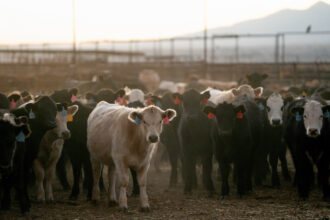
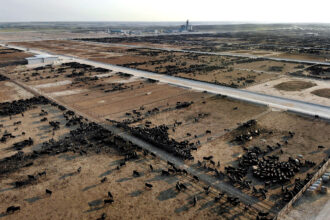
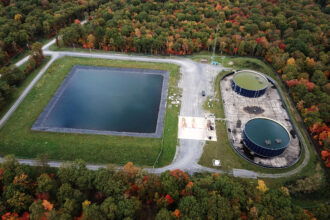
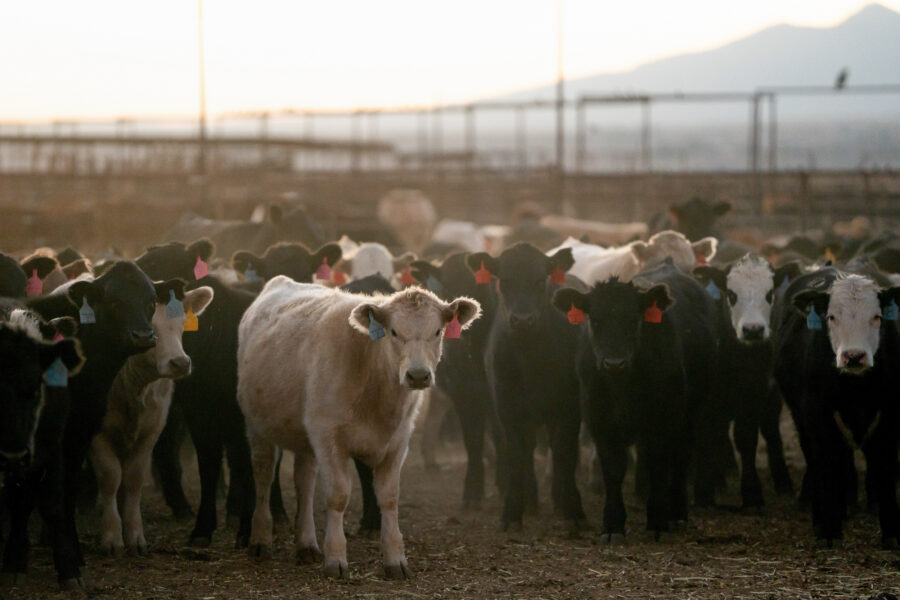
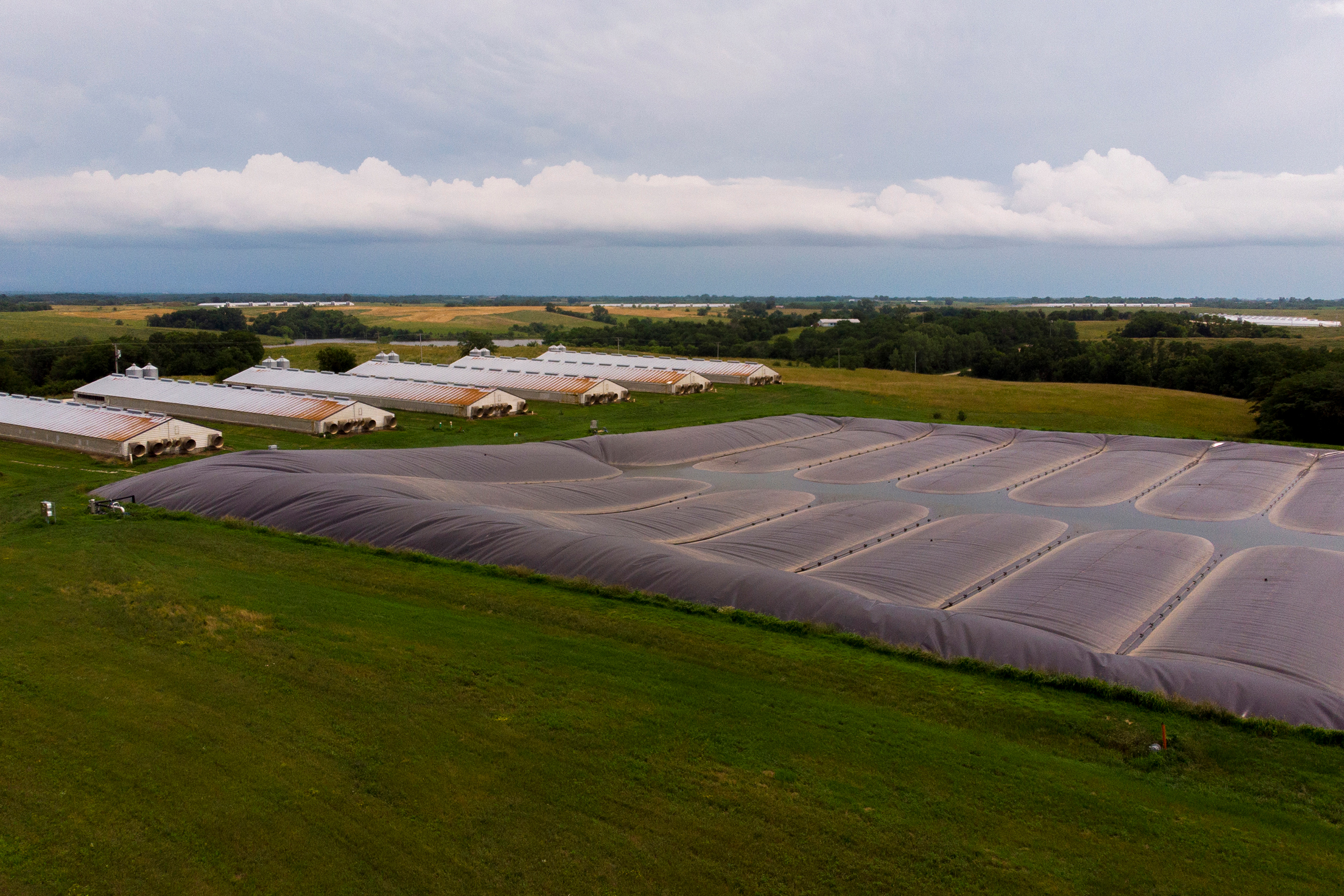
When tens of thousands of animals are packed into one place, pollution from their waste is blown from ventilation fans or emanates from giant lagoons of liquid effluent. Livestock facilities emit fine particulate matter, ammonia, nitrogen oxides, sulfur dioxide and volatile organic compounds, all contributing to a toxic mix. Research has shown that emissions from these operations are a major cause of air pollution, causing nearly 12,700 deaths in the United States a year.
Strictly speaking, concentrated animal feeding operations, or CAFOs, are required to get permits under the Clean Air Act and report emissions of these pollutants under the Comprehensive Environmental Response, Compensation and Liability and Act and the Emergency Planning and Community Right-to-Know Act. But through a deal crafted in tandem with the EPA and the livestock industry, they’ve been given amnesty from doing so for more than 20 years.
The arrangement goes back to the early 2000s when the agency attempted to prosecute CAFOs for exceeding limits on some of these pollutants. The industry pushed back, arguing there was no adequate way of measuring them. So the agency worked with industry groups to develop what was dubbed the Air Consent Agreement, through which the EPA granted thousands of CAFOs safe harbor from legal action in exchange for their participation in a study that was funded by the industry.
The goal of the study, the agency said, was to develop tools and models that CAFOs could use to “determine whether they emit pollutants at levels that require them to apply for permits under the CAA or submit notifications under CERCLA or EPCRA” and “produce a scientifically sound basis for measuring and estimating air emissions” from these facilities.
But since the adoption of the agreement in 2005, the agency has failed to produce any air “emissions estimating methodologies,” even prompting a 2017 report from the agency’s Office of Inspector General that faulted it for slow-walking the process.
Meanwhile, the Trump administration and Congress have also gutted reporting requirements for factory farms to report air pollutants under CERCLA, also known as the Superfund Act, and EPCRA.
“As EPA has been saying it’s proceeding with this plan, it’s been dismantling all of its own tools to regulate emissions,” said Tarah Heinzen, the legal director for the advocacy group Food & Water Watch, which has tracked the proceedings from the beginning and filed dozens of lawsuits attempting to push regulators to control pollution from CAFOs. “Now it has announced it has no intention, basically, of ever holding factoring farms accountable under the Clean Air Act, either.”
In its Oct. 30 announcement, the agency noted that in the two decades since the study, known as the National Air Emissions Monitoring Study, was conducted, many farms have modernized their barns and manure systems.
“Good science requires good data, and these data are too old and too limited to support methods that farms could rely on,” said Abigale Tardif, the acting assistant administrator for the agency’s Office of Air and Radiation, in a statement. “We would rather tell farmers that plainly than issue numbers we cannot stand behind.”
Rob Brenneman, president of the National Pork Producers Council, which has long pushed for the decision, said in a statement: “This move confirms what farmers have long known: Every farm is different, and there is no one-size-fits-all model to apply to them.”
Heinzen noted that the agency’s decision simply means that this administration has no intention of regulating air emissions from CAFOs, but for now, the Clean Air Act still requires permits for facilities that exceed emissions thresholds. The amnesty granted to these facilities will no longer be in effect now that the agreement has concluded.
“There’s no EPA-issued methodology to estimate emissions,” she said. “That doesn’t mean that there aren’t good studies out there of emissions from different types of animal feeding operations that can be used.”
Heinzen pointed to California, which has models for livestock emissions that it uses to enforce its own air regulations. “We just don’t have one set of national emissions factors from EPA,” Heinzen said. “That does not absolve these factor farms from their obligation to comply with federal law.”
Still, under this administration, it’s clear air emissions from factory farms won’t be measured and monitored any time soon. “No one’s going to estimate anything,” Heinzen noted. “As EPA said in its press release, we’re certainly not about to try to enforce the law.”
The Air Compliance Agreement did not extend to methane. The U.S. livestock industry is the single-biggest source of methane in the country, but Congress effectively blocks livestock facilities from reporting methane emissions in annual spending bills.
About This Story
Perhaps you noticed: This story, like all the news we publish, is free to read. That’s because Inside Climate News is a 501c3 nonprofit organization. We do not charge a subscription fee, lock our news behind a paywall, or clutter our website with ads. We make our news on climate and the environment freely available to you and anyone who wants it.
That’s not all. We also share our news for free with scores of other media organizations around the country. Many of them can’t afford to do environmental journalism of their own. We’ve built bureaus from coast to coast to report local stories, collaborate with local newsrooms and co-publish articles so that this vital work is shared as widely as possible.
Two of us launched ICN in 2007. Six years later we earned a Pulitzer Prize for National Reporting, and now we run the oldest and largest dedicated climate newsroom in the nation. We tell the story in all its complexity. We hold polluters accountable. We expose environmental injustice. We debunk misinformation. We scrutinize solutions and inspire action.
Donations from readers like you fund every aspect of what we do. If you don’t already, will you support our ongoing work, our reporting on the biggest crisis facing our planet, and help us reach even more readers in more places?
Please take a moment to make a tax-deductible donation. Every one of them makes a difference.
Thank you,