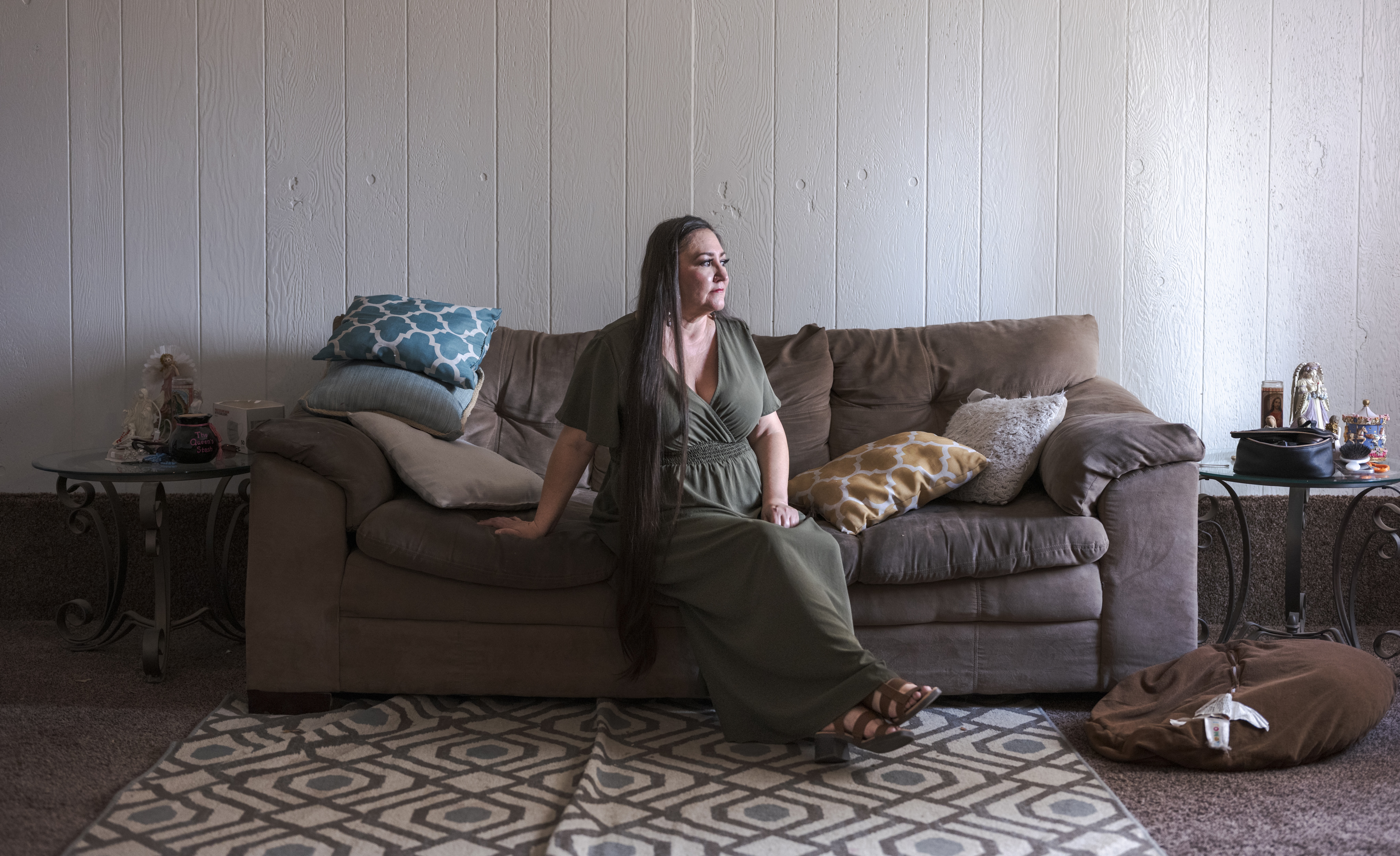


Julie Zahringer hears a common refrain at her environmental laboratory in Alamosa, Colorado: A customer has been drinking well water on family land where they’ve lived for years, but recently noticed it has changed. They want to know why.
“All of a sudden it looks different, tastes different, there’s odor, there’s color,” said Zahringer.
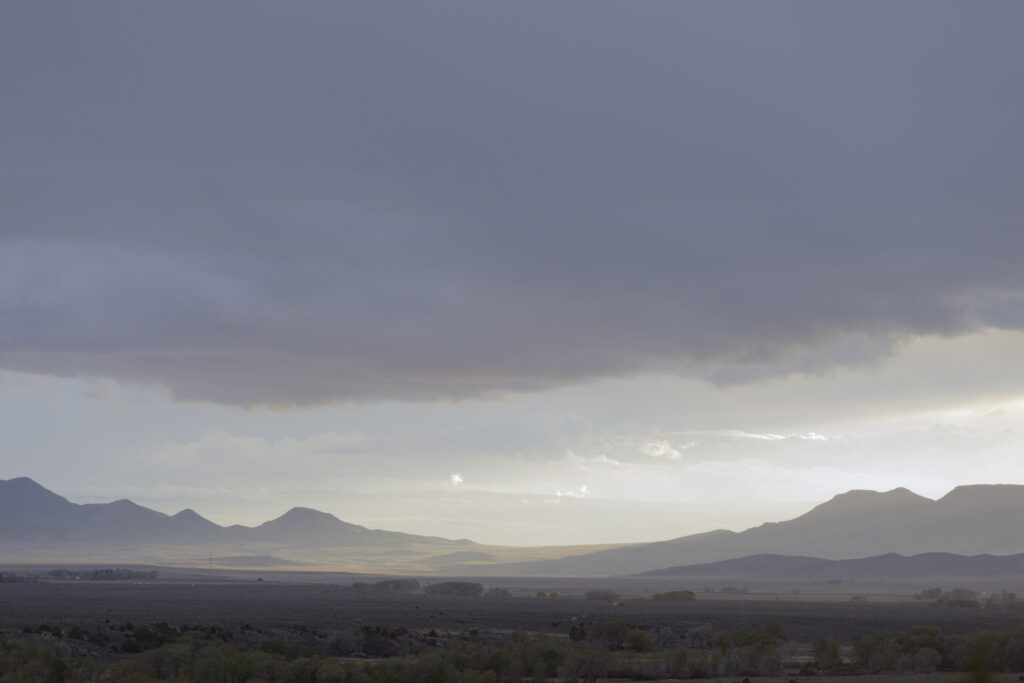
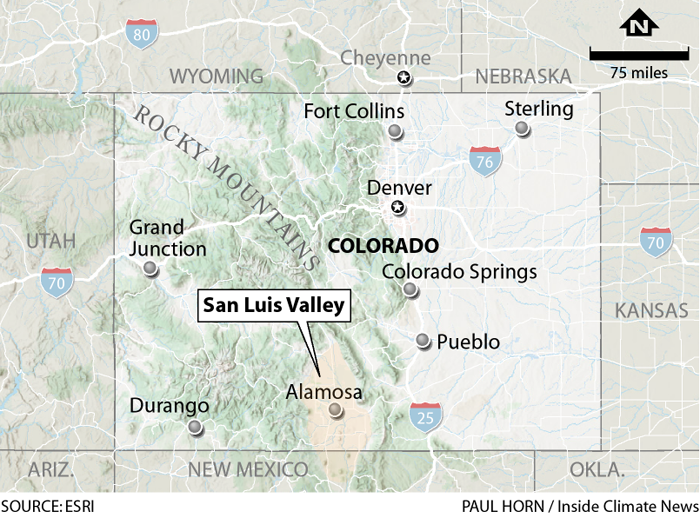
Zahringer’s SDC Laboratory is one of the few testing water in the San Luis Valley, an 8,000-square-mile, high-altitude desert in south-central Colorado. She has tested thousands of wells during more than 30 years in the field.
Residents of the valley, which has large Hispanic populations and a high poverty rate, have been concerned about naturally occurring heavy metals in their water for decades, she said. But in the past five years, the rate of change has accelerated.
“Every year it just seems like this is the climax of it, and the next year, it gets worse,” said Zahringer. “This year, we’re looking at probably the worst as far as water quality.”
The San Luis Valley relies on surface water from the Rio Grande and a massive aquifer system, one of the largest in North America, to drive its agricultural economy. But the aquifer is severely overallocated, losing an estimated 1.2 million acre-feet of water between 1976, when tracking began, and 2013—equivalent to more than five times what the city of Denver consumes each year. This year, the aquifer could hit another record low, as Colorado’s snowpack, which recharges the state’s aquifers, is at the lowest level since record-keeping began in 1941.
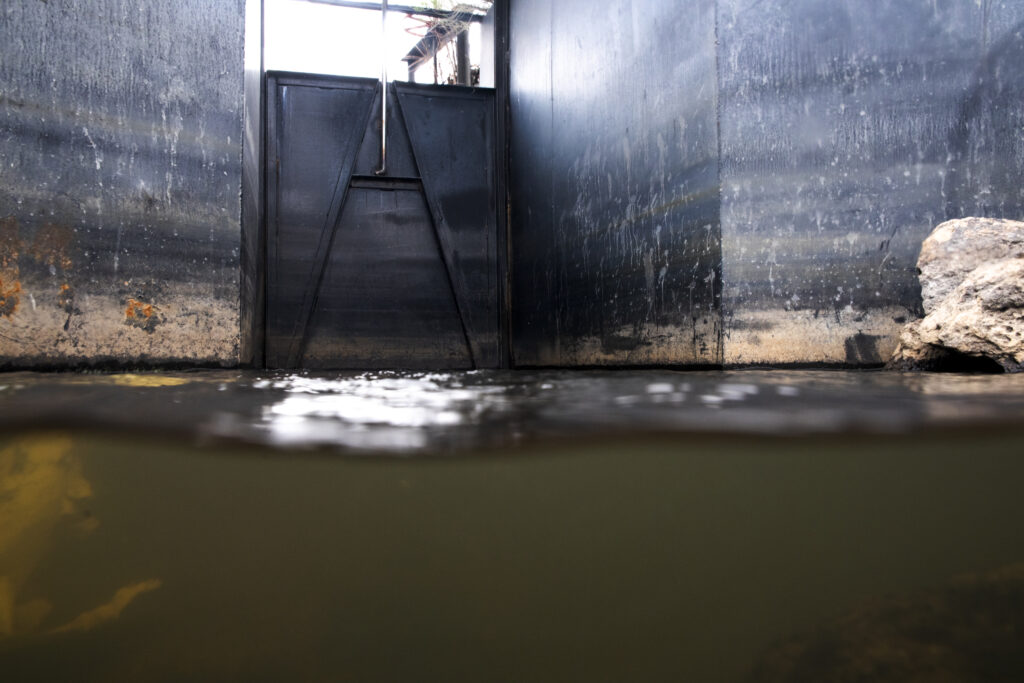
Researchers are finding that as groundwater levels drop, the remaining water can contain higher concentrations of carcinogenic heavy metals.
The valley’s well water users, many of them in historically underserved communities, are increasingly concerned about what’s in their drinking water. But with little governmental oversight of private wells or resources to help track and manage quality, they have few options to make it safe.
Shifting Chemistry
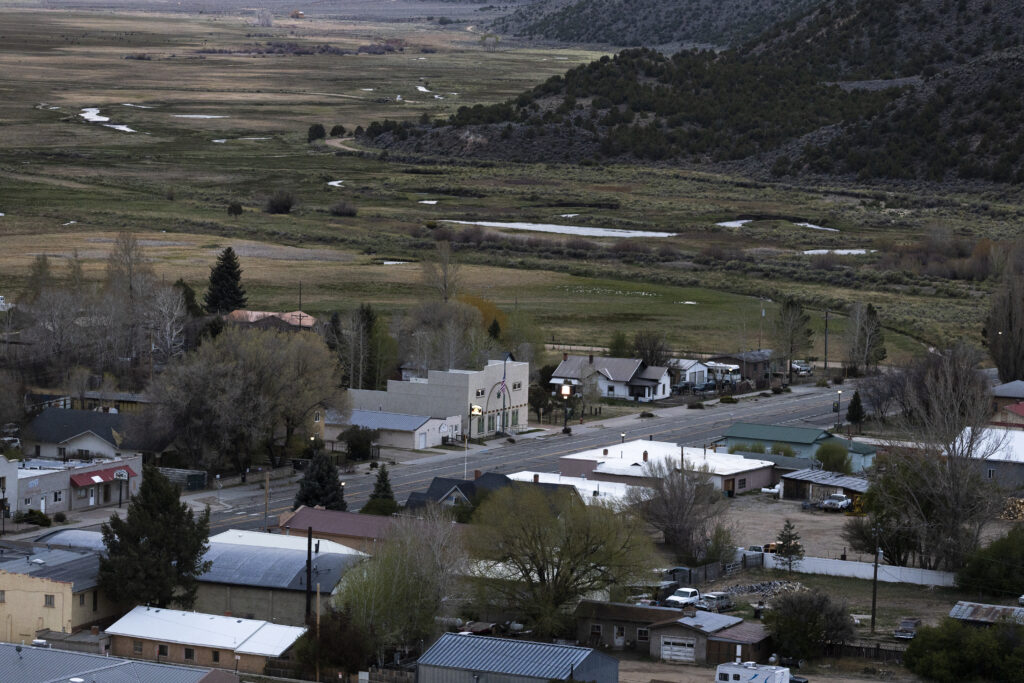
Anna Vargas, a sixth-generation resident of the San Luis Valley, remembers making snowmen often as a child, and her mother talking about the daily rains during the summer monsoon season. Now, monsoon season barely exists here, Vargas said.
“As the years have gone by, there’s less rain, less snowfall. I’ve lived in the valley long enough to see the changes in weather patterns,” says Vargas, project manager with the SLV Ecosystem Council. “We depend a lot on snowpack, and we have hardly any this year. It’s concerning for all of us in the Rio Grande basin…The heavy metals will just become more concentrated.”
Heavy metals like arsenic, tungsten, uranium, manganese and selenium occur naturally in rocks and soils and come up with groundwater that is pumped to the surface. With drought, Zahringer said, they can become a problem.
“We’re not seeing a dilution of any of the contaminants…so anything that’s in the geologic makeup is just really concentrating,” said Zahringer, whose tests have documented contaminant levels rising in the wells during dry periods.

In addition, as aquifer levels drop during droughts—and due to overpumping—its geochemistry shifts, says Kathy James, Ph.D., associate professor with the Colorado School of Public Health. Users reaching deeper into the ground to access the remaining water can draw small amounts of water connected to geothermal sources or underground reservoirs of hot water, which can have high arsenic concentrations, into the drinking supply. Even in small amounts, this can increase arsenic concentrations to dangerous levels. James notes that these relationships are complex and non-linear, however, and additional research is needed.
This year, James led a study finding that up to one in four private wells producing drinking water in the San Luis Valley contain elevated levels of heavy metals like arsenic and uranium.
Zahringer’s estimates mirror these results: Of all the well waters her lab tests in southern Colorado, about 25 percent exceed the U.S. Environmental Protection Agency’s maximum contaminant level for arsenic in drinking water.
And “that’s just going up,” Zahringer said.
Unanswered Questions
Exposure to arsenic in drinking water is linked to cancer, cardiovascular disease and diabetes, and can impair children’s cognitive development. James’s previous research also found that long-term exposure to low levels of arsenic can increase the risk of coronary heart disease.
Other studies have shown that both uranium and arsenic in irrigation water can stunt crop growth and accumulate in plants, compounding public health risk through the food supply.
Zahringer said that some customers come to her lab on referrals from their primary care physicians trying to determine the root cause of elevated levels of heavy metals in their bloodstream. Her own well water is high in arsenic, but her filtration system thoroughly treats it before it enters her house.
“I’m in a unique situation where I’m educated and vigilant, and I have the resources to test and make sure it’s OK,” said Zahringer. “A lot of my neighbors, I know they’re just drinking it right out of the ground.”
This story is funded by readers like you.
Our nonprofit newsroom provides award-winning climate coverage free of charge and advertising. We rely on donations from readers like you to keep going. Please donate now to support our work.
Donate NowHalf of the U.S. population relies on groundwater for drinking, irrigation, industry and livestock. Much of it is pumped through public water systems, which must limit contaminants to comply with the federal Safe Drinking Water Act, in addition to state requirements that may be more stringent. But private wells, which are the main source of drinking water for 15 percent of Americans and about a third of San Luis Valley residents, are not regulated or monitored. In effect, about 51 million Americans are responsible for monitoring the safety of their own drinking water.
In the San Luis Valley, residents are asking more questions about how their water is impacting their health, crops and cattle, Vargas said, making it easy for her to recruit some of the more than 800 private well owners involved in James’s study.
“We filled it up so fast that that just shows how much the community members wanted their wells tested,” says Vargas.
After a few months of recruiting, the study group was nearly at capacity.
Later, neighbors would stop her at the grocery store to tell her about their results: manganese, arsenic, uranium or other contaminants were often above the EPA thresholds.
Today, many residents in Vargas’s community have turned to bottled water. “They just don’t know if they can drink the water,” she said.
Climate Justice
With the ongoing megadrought and this year’s record-low snowpack in Colorado, small communities, private well owners and municipal water systems alike will struggle to keep up with changing groundwater supply, Zahringer said. Researchers estimate that U.S. drought conditions could expose roughly 1 in 10 well-water users to unsafe arsenic levels.
“As those contaminants are increasing, we are going to start to see these rural areas really can’t afford these treatment plants and mitigation for it,” said Zahringer. “We’re dealing with a lot of really small communities that are really struggling to pay for their water testing, let alone to build these new plants.”
San Luis Valley is one of the poorest rural areas of Colorado, with an estimated 21.4 percent poverty rate. Even if well users can access a water test, consistent filtration remains an economic burden.
Household reverse osmosis systems can remove up to 99 percent of contaminants, including arsenic. But they are expensive—often costing thousands of dollars to install and hundreds more annually to maintain—and can waste up to 80 percent of the water that passes through them. And because the San Luis Valley has moderately to extremely hard water, compounds and metals accumulate much faster on filtration systems, requiring replacement more than twice as frequently as in areas with soft water.
“I come from a rural and impoverished community, and my community members can’t always be changing out these filters for this reverse osmosis filtration system,” Vargas said.
Researchers at Arizona State University are planning to field test a new type of filter that removes a range of heavy metals from hard water systems without losing water in hopes of providing more accessible water quality mitigation for residents. Alireza Farsad, a postdoctoral research scholar at ASU who founded AmorPH2O, the company developing the filter, expects it to be commercially available next year.
Meanwhile, Vargas and James have presented the water quality study results to local county commissioners and talked with state lawmakers about the increasing concentrations of heavy metals.
But, for now, the issue has seen little action beyond testing.
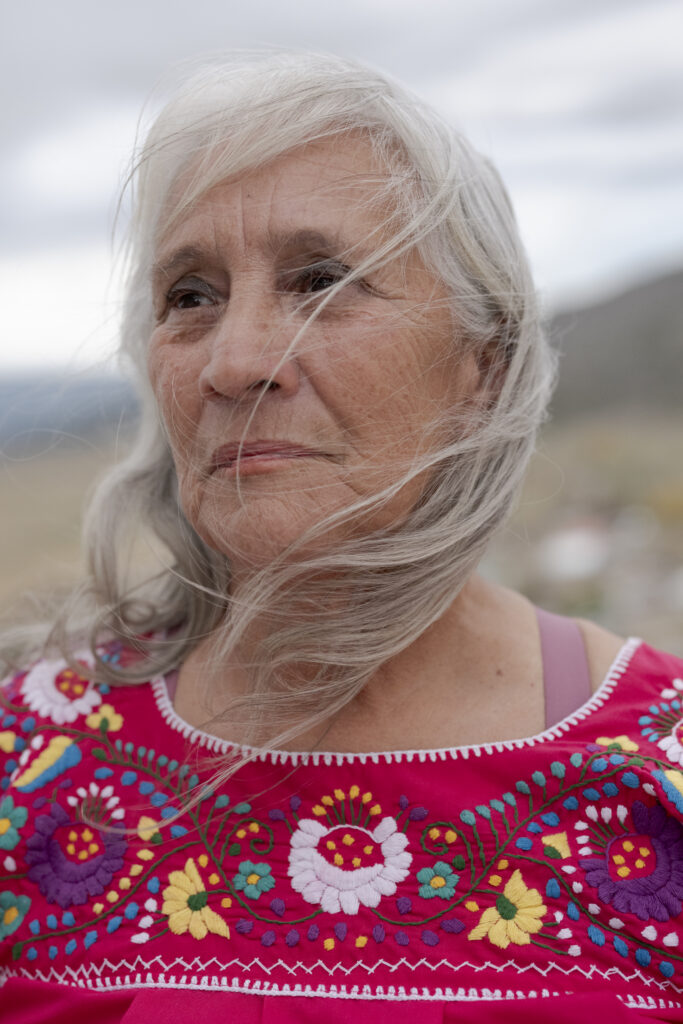
For Shirley Romero Otero, a local educator and activist who helped implement James’s study, water quality in the San Luis Valley is an issue of environmental justice. She says the valley, home to the state’s largest native Hispanic population, is often left out of policymaking conversations.
“Those folks in Denver that make those decisions for testing and resources need to pay attention…We are part of Colorado. We should have equality when it comes to testing and finding out what the hell is really going on,” says Otero, who lives in San Luis, the state’s oldest continuously occupied town, which has fewer than 600 residents.
“Regardless of socioeconomic status, political affiliation or racial geographic areas, water is the most precious resource that we have. It is the lifeblood of every community. You don’t have water, you die. It’s that simple.”
Correction: A previous version of this story misstated how arsenic concentrations increase as groundwater declines in aquifers.
About This Story
Perhaps you noticed: This story, like all the news we publish, is free to read. That’s because Inside Climate News is a 501c3 nonprofit organization. We do not charge a subscription fee, lock our news behind a paywall, or clutter our website with ads. We make our news on climate and the environment freely available to you and anyone who wants it.
That’s not all. We also share our news for free with scores of other media organizations around the country. Many of them can’t afford to do environmental journalism of their own. We’ve built bureaus from coast to coast to report local stories, collaborate with local newsrooms and co-publish articles so that this vital work is shared as widely as possible.
Two of us launched ICN in 2007. Six years later we earned a Pulitzer Prize for National Reporting, and now we run the oldest and largest dedicated climate newsroom in the nation. We tell the story in all its complexity. We hold polluters accountable. We expose environmental injustice. We debunk misinformation. We scrutinize solutions and inspire action.
Donations from readers like you fund every aspect of what we do. If you don’t already, will you support our ongoing work, our reporting on the biggest crisis facing our planet, and help us reach even more readers in more places?
Please take a moment to make a tax-deductible donation. Every one of them makes a difference.
Thank you,