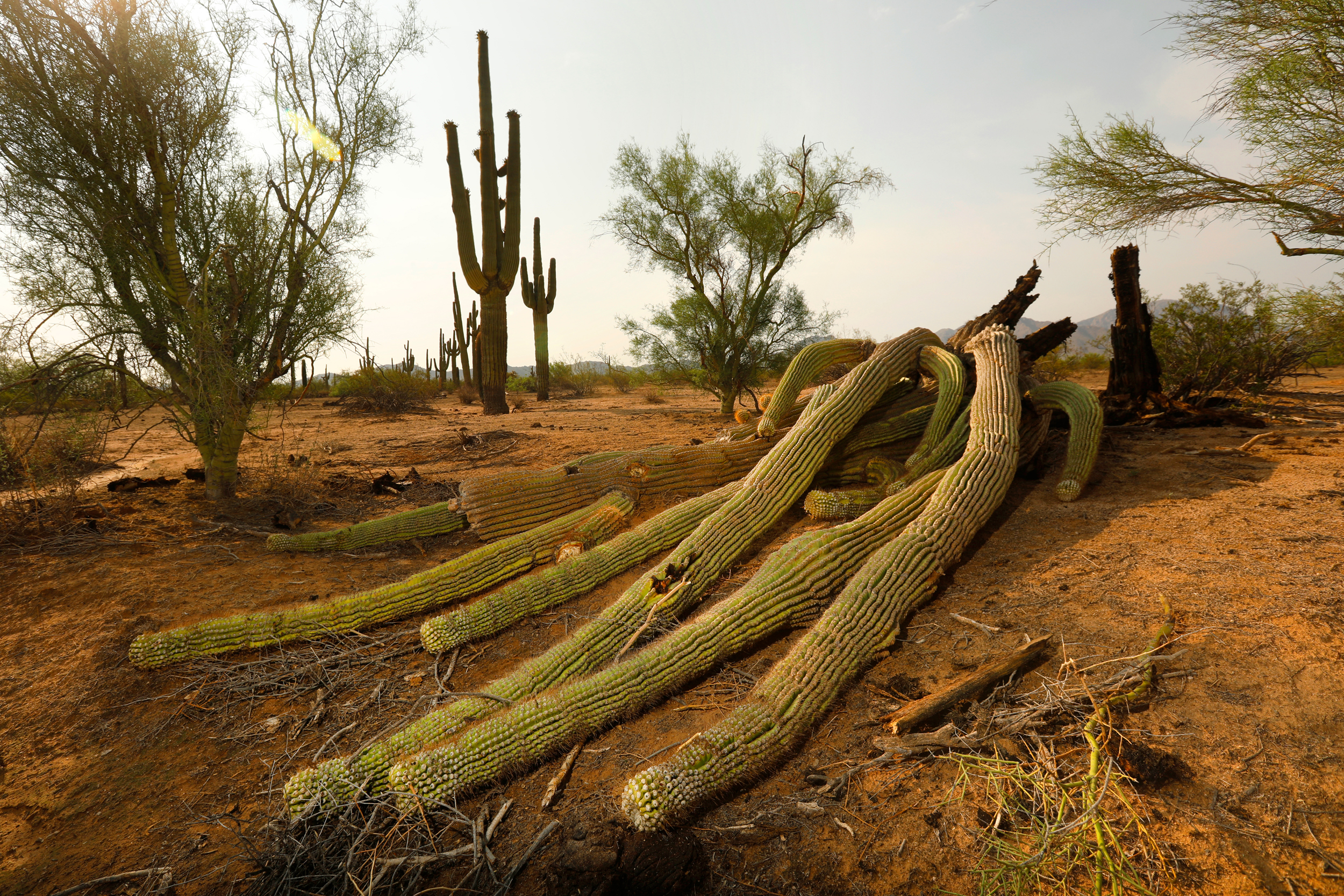


Cacti are among the toughest plants on the planet, withstanding scorching temperatures and parched conditions that would wilt a more sensitive sprout. But climate change may threaten these hardy plants more than previously thought, a new study suggests.
Scientists in recent years have raised some concerns over the effects of rising temperatures on cactus species, which span nearly every type of ecosystem on the planet—from tree-hanging Christmas cacti in tropical rainforests to the mighty saguaros standing tall in the harsh Sonoran Desert. However, few studies have incorporated the potential risk of another climate-change side effect: extreme drought events.
It turns out these combined factors aggressively crank up the threat level, according to a study published Wednesday in the journal Nature. Integrating new spatial data on severe drought with climate models, the researchers tracked how future conditions could affect the suitable climatic area for nearly 1,000 species of cacti. They found that more than a quarter of the analyzed cactus species could lose most of their suitable habitat by the end of the century, more than 80 percent in all. That’s far more than when only rising temperatures and projected average precipitation were considered.
The habitat declines identified in the paper are associated with substantial losses in cactus diversity in some regions.
These findings challenge a long-standing assumption for cacti that “in a warming world, they’ll likely be winners,” said study co-author Brian Enquist, a professor at the University of Arizona. “Even in these really hot, dry environments where you see cactus species, the climate now is shifting into a new climate regime that these species haven’t encountered in their evolutionary history.”
The study analyzed nearly 650,000 records of cacti around the world, including community science data from the app iNaturalist, which more than doubled the number of species analyzed. Models showed that droughts and heat are poised to have the worst impacts on species in some of the world’s most concentrated cactus hotspots, including Chile, Argentina, Peru, Ecuador and countries in Central America.
Some regions, such as the Mexican Pacific coast, saw modest gains in cactus species diversity, but these were offset by large losses in neighboring areas.
Cacti are already some of the world’s most imperiled plants, with more than 30 percent of species considered threatened. That’s largely due to habitat loss and illegal trade, which has helped supply the collector and houseplant industry as cactus popularity spikes around the world.
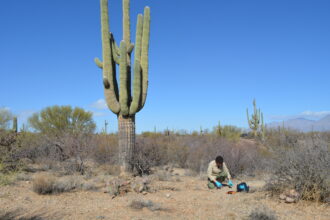
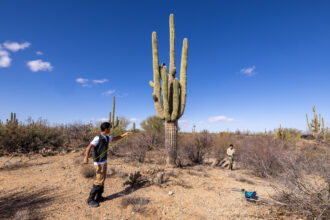
On top of this, unprecedented droughts in recent years have fueled widespread die-offs of species such as Copiapoa cacti in Chile’s Atacama Desert and saguaros around Phoenix and Tucson. That’s a precursor of what’s to come if climate change continues to fuel longer, more intense periods of heat and dryness, said study co-author Michiel Pillet, a postdoctoral researcher at University of South Florida.
“We were extremely surprised by how intense our results were,” Pillet said. He added that the impacts are likely an underestimate due to insufficient data on rare species—and the disproportionate impacts they face from climate change. “Think about a cactus species that only lives right at the coast in a single spot, and a hurricane comes in and wipes out that entire population.”
The study’s authors say their modeling approach could be applied to other plant species.
That was echoed by David Williams, a botany professor at the University of Wyoming who was not involved in the study.
“The findings extend well beyond our understanding of the climate vulnerability of cacti,” he said over email. “The work will guide future studies that uncover species-specific ecological, demographic and physiological processes that shape persistence across shifting climatic conditions.”
This story is funded by readers like you.
Our nonprofit newsroom provides award-winning climate coverage free of charge and advertising. We rely on donations from readers like you to keep going. Please donate now to support our work.
Donate NowThe researchers say their method could also help experts develop more targeted cacti conservation efforts in a warmer, drier world. For example, artificially dispersing seeds into new environments that fit a cactus’ climate niche—a process called “assisted migration”—can establish more stable populations for at-risk species.
Even just raising awareness for the cacti species most at risk and the need to gather more data on them can help determine where to spend “very limited conservation resources” to “get the best bang for our buck,” Pillet said.
Enquist was encouraged by the widespread public interest in cacti, which has generated an abundance of citizen-science observations that helped make the research possible.
“There are a lot of people that care about these plants,” he said. “What’s wonderful then about that is that there’s a lot of opportunity for intervention.”
About This Story
Perhaps you noticed: This story, like all the news we publish, is free to read. That’s because Inside Climate News is a 501c3 nonprofit organization. We do not charge a subscription fee, lock our news behind a paywall, or clutter our website with ads. We make our news on climate and the environment freely available to you and anyone who wants it.
That’s not all. We also share our news for free with scores of other media organizations around the country. Many of them can’t afford to do environmental journalism of their own. We’ve built bureaus from coast to coast to report local stories, collaborate with local newsrooms and co-publish articles so that this vital work is shared as widely as possible.
Two of us launched ICN in 2007. Six years later we earned a Pulitzer Prize for National Reporting, and now we run the oldest and largest dedicated climate newsroom in the nation. We tell the story in all its complexity. We hold polluters accountable. We expose environmental injustice. We debunk misinformation. We scrutinize solutions and inspire action.
Donations from readers like you fund every aspect of what we do. If you don’t already, will you support our ongoing work, our reporting on the biggest crisis facing our planet, and help us reach even more readers in more places?
Please take a moment to make a tax-deductible donation. Every one of them makes a difference.
Thank you,

Kiley Price
Reporter
Kiley Price is a reporter at Inside Climate News, with a particular interest in wildlife, ocean health, food systems and climate change. She writes ICN’s “Today’s Climate” newsletter, which covers the most pressing environmental news each week.
She earned her master’s degree in science journalism at New York University, and her bachelor’s degree in biology at Wake Forest University. Her work has appeared in National Geographic, Time, Scientific American and more. She is a former Pulitzer Reporting Fellow, during which she spent a month in Thailand covering the intersection between Buddhism and the country’s environmental movement.