

Trial by Fire: Second in a series about the impacts of wildfire litigation.
A week before Christmas 2025, 100-mile-per-hour wind gusts punished the foothills of Boulder, Colorado. An unusually dry summer and fall had parched trees and tall grasses. Snowfall across the county was roughly half the long-term average, and record-warm temperatures left none on the ground in the city below the Front Range of the Rocky Mountains. When the National Weather Service warned of exceptionally high wildfire danger, Xcel Energy cut power to more than 50,000 customers.
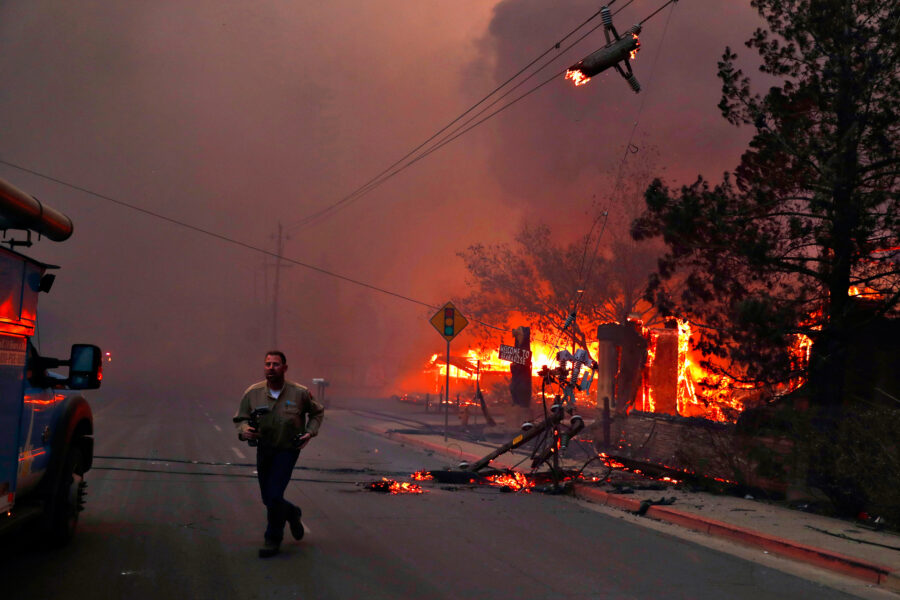
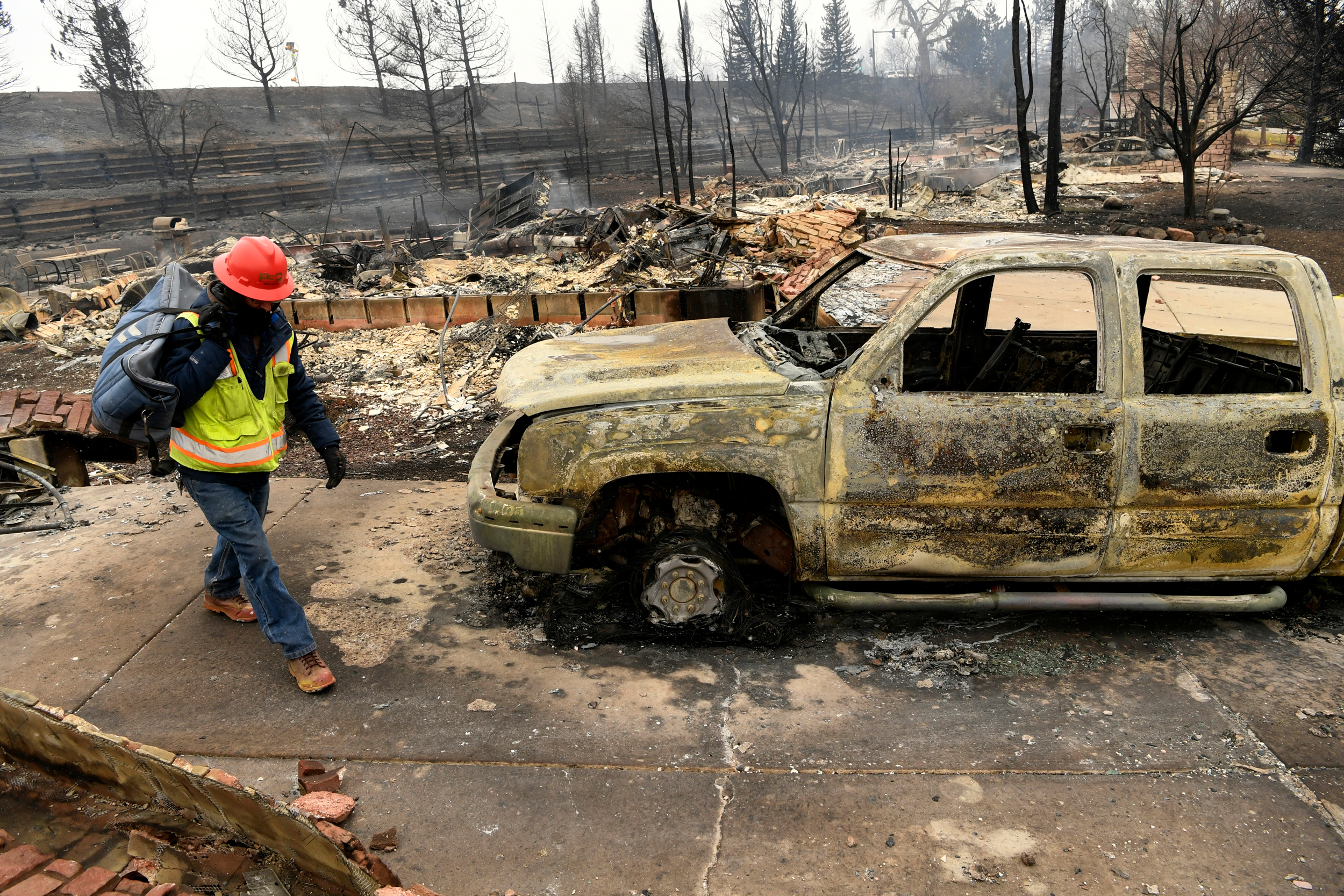
The utility’s caution came from experience. Under similar conditions almost exactly four years earlier, the Marshall Fire had burned more than 1,000 homes to the ground within hours, totaling over $2 billion in property losses. Investigators with the Boulder County Sheriff’s Office later concluded that an unmoored Xcel Energy power line was partially to blame for the blaze. Homeowners, businesses and insurers sued Xcel, which denied any fault, wrongdoing or negligence, but nevertheless settled for $640 million one day before a major civil trial was set to begin in September 2025.
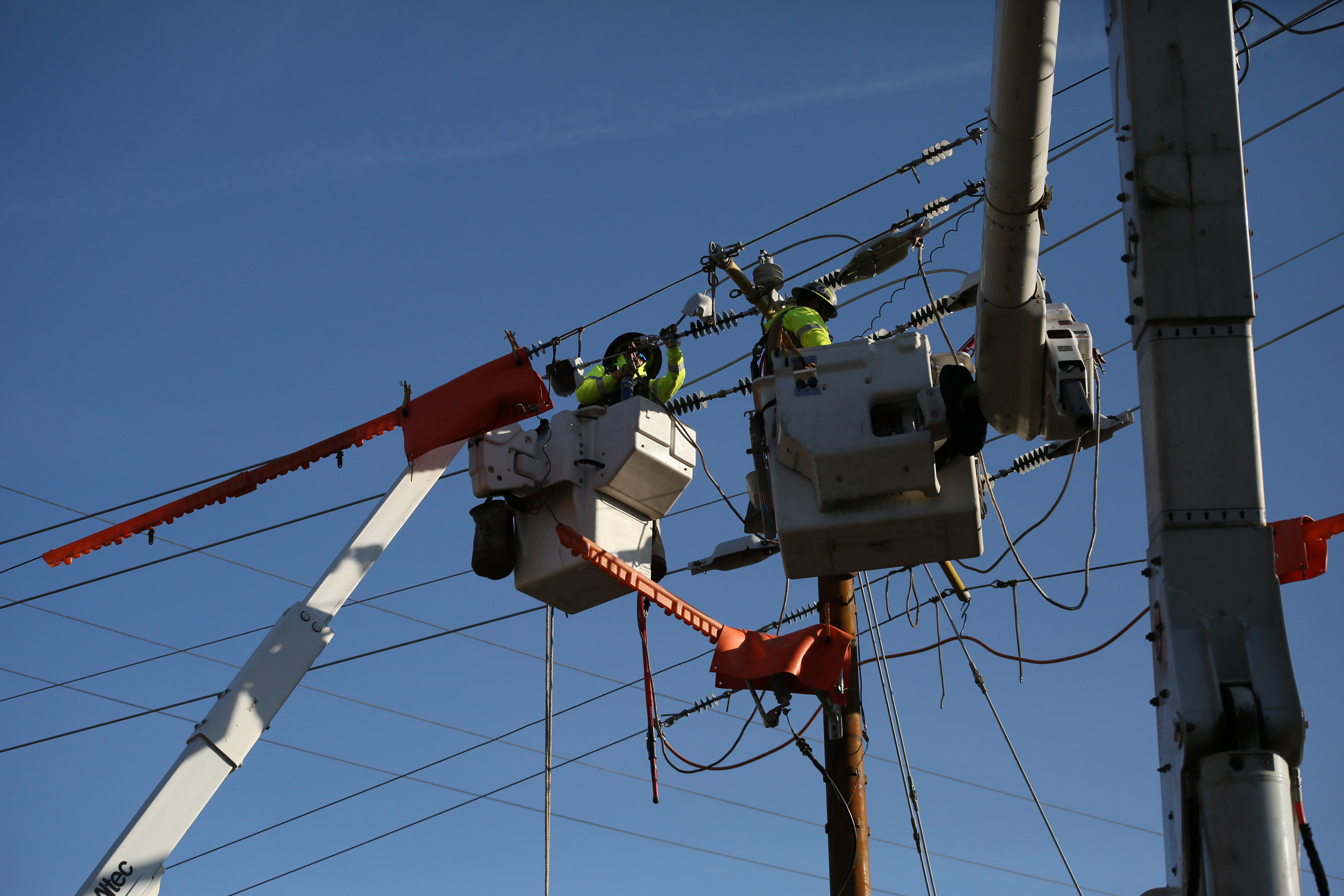
In the aftermath of the fire, Xcel Energy implemented “Public Safety Power Shutoffs” on days when weather conditions are especially conducive to wildfires. Utilities in California have been doing the same since 2019, after their power lines ignited a series of catastrophic wildfires that brought billions of dollars in legal claims against the companies.
Xcel calls such proactive shutoffs a risk reduction measure. But the strategy—which has been used in Boulder County four times since 2024—left some residents furious. Many business owners lost revenue as the shutoff fell during the busiest shopping season of the year. City council members voted to send a letter to Xcel noting that “many residents feel the increasing instances of power outages when we have high winds … as being a consequence of prioritizing litigation avoidance ahead of protecting our community.”
“We understand that losing power for any amount of time is impactful and frustrating, but the safety of our customers, crews and the communities we serve remains a top priority,” an Xcel Energy spokesperson said.
Such criticism highlights the difficult situation utilities now find themselves in. Either cut power and enrage customers, or keep electricity flowing and risk igniting a devastating wildfire that could leave them exposed to multibillion-dollar lawsuits.
U.S. utility companies have faced more than $18 billion in wildfire liabilities over the past decade. As governments and communities struggle to respond to the staggering losses caused by the wildfire crisis burning the West, lawsuits against the utilities that ignite the blazes have emerged as the de facto recovery strategy. But the steep increase in wildfires’ destructiveness is the result of a combination of factors: a climate warmed by the burning of fossil fuels; decades of fire suppression and forestry policies that have increased the amount of flammable fuel in forests; and rapid development into fire-prone landscapes.
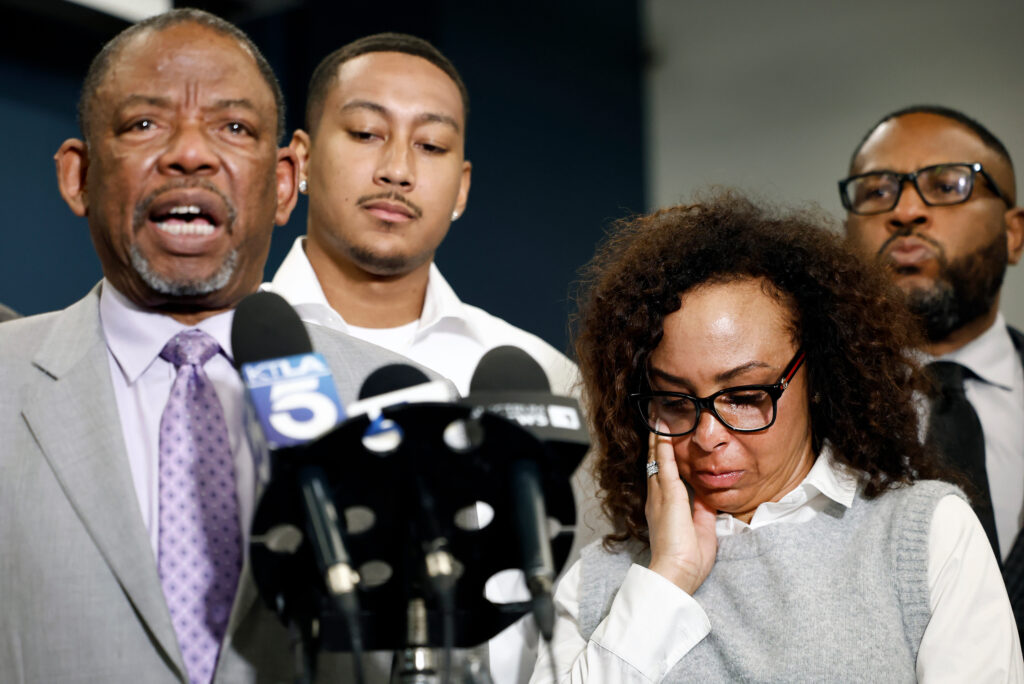
With another historic fire season gripping the West, and lawsuits already filed against electricity providers, states—from Oregon to Montana—are facing a reckoning over how much utilities can be expected to bear the costs of ever-worsening wildfires. Even California, the ground zero of sky-high wildfire litigation against utilities, appears to be coming to terms with the idea of offering some protections to utilities. Such reforms have become a key aspect of Governor Gavin Newsom’s political mission as he nears the end of his term in office, working to get a deal with legislators.
Attorneys behind cases against utilities argue high-dollar lawsuits force companies to operate more safely and deliver much-needed payouts to victims. But with those costs often passed onto customers through higher electricity rates, state governments are now considering how best to intervene. Policy experts observe that placing full blame on the entity responsible for sparking a wildfire may create a disincentive for homeowners and communities to carry out wildfire mitigation measures that could reduce destruction. And the approach raises questions of fairness in the judicial system—even for multibillion-dollar corporations.
Fanning the Flames
Relying on lawsuits to cope with worsening wildfires has worked, in part, because ignition is everything in the U.S. legal context.
But the spark that ignites a wildfire has little to do with how much damage it ultimately does.
The actual number of U.S. wildfire ignitions has not dramatically increased over the past half-century. Around 50,000 to 70,000 wildfires burn across the country every year. The difference is that many more of these fires are growing into huge conflagrations—U.S. annual burned area is up roughly 60 percent since 1990.
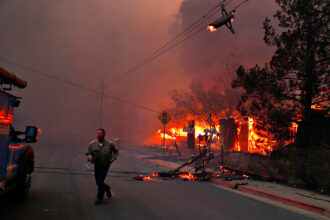
Many of today’s catastrophic fires have been made more intense and more likely by climate change. Warmer temperatures, reduced humidity and greater aridity have bred increasingly favorable conditions for wildfires across the American West. In California alone, the average summer burned area is now five times larger than it was in the latter half of the 20th century. And nine of the largest wildfires in state history occurred in the last 10 years.
“We’ve been burning fossil fuels as a global society, and that’s really what’s driving it,” said Park Williams, a hydroclimatologist at the University of California, Los Angeles. “Greenhouse gas molecules are not zapping the ground, starting fires on their own. But what they are doing is loading the dice for a fire to grow large quickly.”
Holding fossil fuel majors accountable has so far proved difficult. No groups or local governments have successfully won a final judgment against an oil company for climate impacts in a U.S. court. The U.S. Supreme Court is hearing a case that could knock out more than two dozen active claims, and Congress is considering legislation to shield the industry from such lawsuits altogether.
With fossil fuel companies so far avoiding accountability for helping to make landscapes more flammable, utility companies are bearing the brunt of claims over worsening wildfires.
Daniel Swain, a climate scientist with the University of California Agriculture and Natural Resources, said wildfires should theoretically have proportional culpability. This would allow for different actors to be held liable for the extent to which they contributed to the damages from a fire.

“It’s scientifically inappropriate to pin [a wildfire] on just one thing,” he said. “It is not just a question of who ignited the spark or how we got to the point where that spark could create a catastrophe in the first place. It’s a question of both things.”
Teasing out the significance of each contributing factor, however, is a challenge. When determining culpability, “You can ask the question of had a utility-ignited fire begun in the same place, in the same setting, 100 years ago, were there other factors at play that would have resulted in a different outcome?” Swain said.
Scientists have found that the likelihood of years with extreme fire weather in the world’s forested regions is now far greater than in the late 19th century.
And some researchers specialize in parsing out the role climate change plays in making extreme weather events worse or more likely, a field known as attribution science. One such study by the World Weather Attribution group found that climate change had made the 2025 Los Angeles fires, which caused billions of dollars in property losses, 35 percent more likely. But models can vary widely, Swain cautioned. And while scientists have high confidence in being able to attribute worsening heat waves to climate change, wildfires present a more complex mix of factors including temperature, wind, soil moisture and land use. This makes such studies difficult to use as evidence in the courtroom.
Adding Fuel to the Fire
Federal fire suppression policies have also left their mark on America’s woodlands. Historically, many western forests—ponderosa pine, mixed conifer and oak woodlands—burned at regular intervals, often every five to 30 years. But for much of the past century, U.S. land managers suppressed almost all naturally occurring wildfires.
Without frequent, low-intensity groundfires, forests have grown thick with woody fuels. Those heavy fuel loads are prone to burn far more intensely than wildfires did in the past.
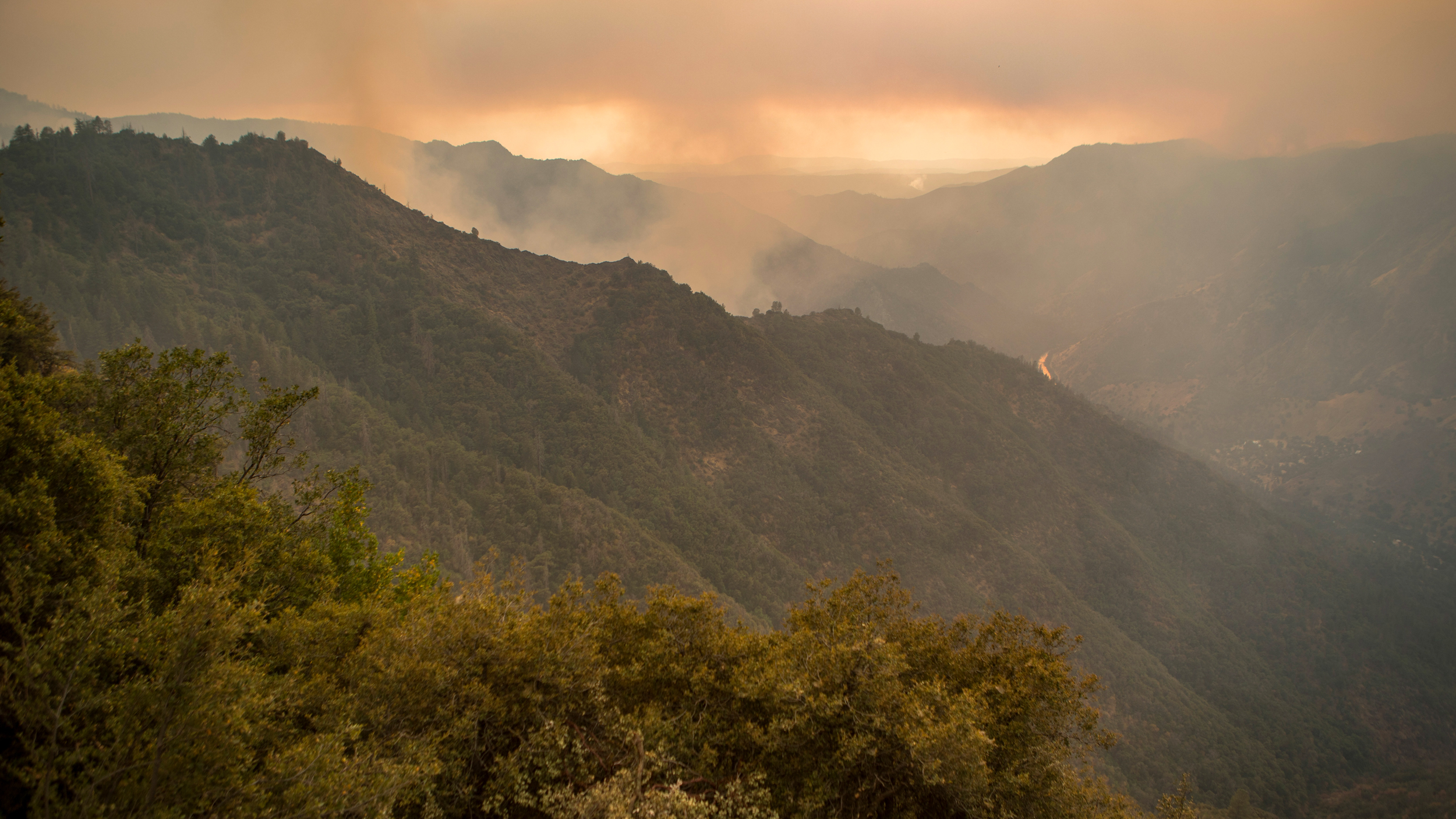
Some of California’s costliest wildfires have struck communities along the Sierra Nevada’s forested foothills. Here, scientists estimate that some forests now contain three to 10 times as many trees as they did around the beginning of the 20th century. A 2022 report from the California Natural Resources Agency noted that between 10 and 30 million acres in the state would benefit from some form of fuel reduction treatment.
Policies requiring full suppression of wildfires have “gradually started changing, but it’s one of these issues that has strong cumulative effects,” said Chris Field, a climate scientist at Stanford University.
Moreover, the value of property at risk from wildfires has soared. In the past 35 years, millions of Americans have moved into the zone known as the “wildland-urban interface,” building homes in fire-prone forests, grasslands and mountainsides. By some estimates, approximately one-third of the U.S. population now lives in this flammable space.
Still, many homeowners have not hardened their homes against wildfire by building with non-combustible materials and creating defensible space around the property. A 2025 report commissioned by the Natural Resources Defense Council found that it would cost between $16 billion and $20 billion to moderately harden all homes in California’s high-risk wildfire zones. The 2024-25 state budget provided just $50 million for home-hardening programs.
“We’re seeing tensions between the way that the law assigns responsibility for fires and the way that we might think about the causes of fire in a more modern fire science context.”
— Eric Macomber, Stanford University
Climate change, fuel suppression policies and riskier building practices should ultimately complicate the legal argument for putting the blame for the destructiveness of wildfires entirely on one thing, experts say. But so far, that’s not what has happened in courtrooms.
“We’re seeing tensions between the way that the law assigns responsibility for fires and the way that we might think about the causes of fire in a more modern fire science context,” said Eric Macomber, a wildfire legal fellow at Stanford University.
“You certainly need ignition for a fire. That’s one of the crucial elements. But in California, at least, we’ve acted to just assign complete liability to the party that sparks the fire. … It seems a little bit wrong to put the entire responsibility on the individual or the entity that sparks it.”
Covering Losses
To date, much of the compensation awarded in wildfire cases has gone to cover direct losses, such as destroyed property, providing a critical stop-gap for those who were underinsured or unable to obtain home insurance in the first place. Hundreds of thousands of homeowners in the West are no longer able to renew their policies as insurers retreat from areas they consider too vulnerable to wildfire.
“There is a real conversation to be had about how you allocate risk between utilities and insurance,” Macomber said. “You can move the ball to the different sides of the seesaw, but it’s so big that it’s just going to unsettle whatever industry ends up bearing most of it.”
California’s Pacific Gas and Electric filed for Chapter 11 bankruptcy protection following destructive 2017-2018 fires in Northern California that left the company facing legal claims in excess of $30 billion over its aging and allegedly inadequately maintained equipment that had sparked the blazes. It ultimately reached a $13.5 billion settlement with victims and undertook a significant financial restructuring. Some of that money went to victims of the Camp Fire, which ravaged the town of Paradise and racked up an estimated $16.5 billion in economic losses, according to reinsurance giant Munich Re.
Victims were also able to claim compensation for non-economic losses—the trauma and emotional suffering inflicted as the flames took lives, destroyed neighborhoods and shattered memories.
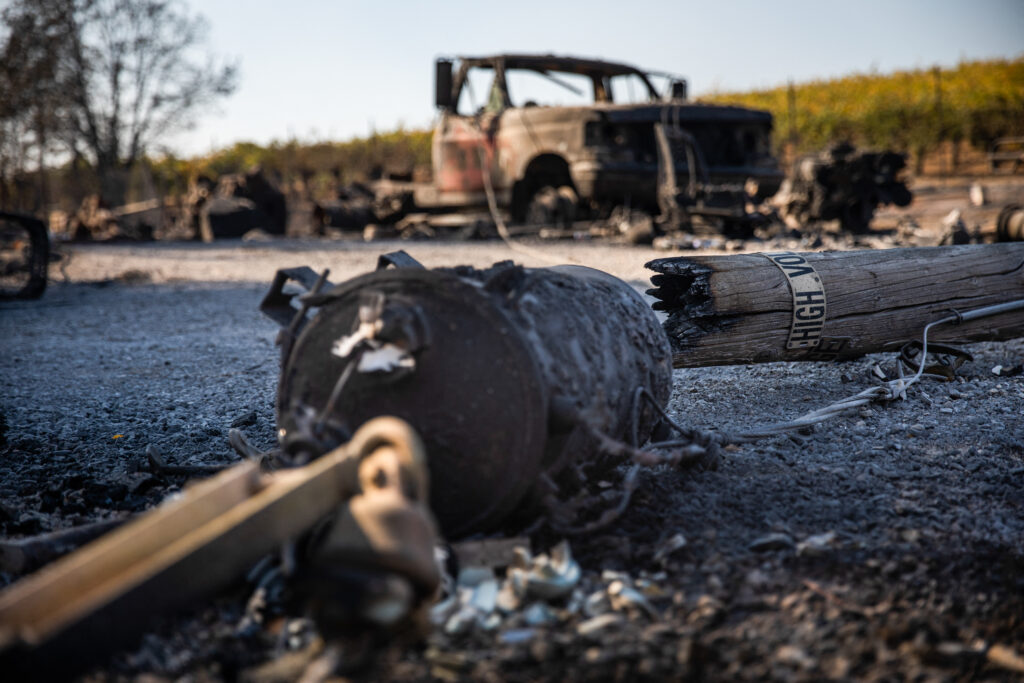
In a 2023 ruling against PacifiCorp, a large utility that provides electricity to about 2.1 million customers in six Western states, a jury awarded 17 plaintiffs $67.5 million in pain and suffering for the 2020 Labor Day fires in Oregon that killed 11 people and displaced tens of thousands. The verdict was reversed by an Oregon appeals court in April 2026 over improper instructions to the jury. The Oregon Supreme Court is now reviewing that decision, and survivors of the fires have filed a motion to disqualify the appeals court judge, who had previously represented PacifiCorp in private practice.
Utility companies have dealt with the onslaught of lawsuits in part by raising energy rates for customers to cover legal claims and pay for wildfire mitigation efforts, including infrastructure upgrades. In California, wildfire costs have been the single largest driver of investor-owned utility rate increases over the past five years, with experts estimating that wildfire-related costs accounted for 14 percent to 19 percent of the average California residential electricity bill in 2024, up from 7 percent to 12 percent between 2019 and 2023.
A report from the California Public Utilities Commission, published on Nov. 1, found that from 2020 through 2026, Pacific Gas and Electric, Southern California Edison, and San Diego Gas and Electric ratepayers alone paid more than $35 billion in wildfire-related costs, with mitigation work making up the lion’s share of charges.
“What has happened in California has reduced wildfire risk from utilities,” Macomber said. “But it’s also generated a lot of other costs that ultimately get passed onto utility customers in a way that can be a lot more aggressive than simply funding fire mitigation work through something like taxation.” Tax systems would spread the costs more broadly and cheaply across a population, as opposed to higher rates borne by a smaller group of utility customers.
Shutting Off the Source
Investor-owned utilities are generally more vulnerable to wildfire liabilities than municipal utilities that operate largely in cities. Private utilities have extensive infrastructure located in remote areas to deliver electricity to rural customers. Thousands of miles of power lines are overgrown with vegetation that utility crews often struggle to clear, and are susceptible to high winds that can blow live wires and sparks into the dry fuels.
All of this makes it easy for power lines to start fires—and difficult for firefighters to quickly reach a blaze. Although investigators fail to find the ignition source for between a third and half of all wildfires in the Western U.S., fires caused by power generation, transmission or distribution are a growing source of ignitions, according to a 2025 study in the journal Earth’s Future.
To avoid the risk altogether, some utilities have turned to power shutoffs.
In Colorado, Xcel Energy said it has invested $1.5 billion since 2020 as part of a wildfire mitigation plan that includes replacing older wires susceptible to wind damage, installing protected insulated wires in some areas and burying select portions of distribution lines in the highest wildfire risk areas.
But even once fully implemented, power shutoffs—which began following the Marshall Fire—will remain part of Xcel’s strategy to prevent disasters during extreme fire weather, the company says. That has become a mainstay strategy of California utilities, too.
An analysis by Inside Climate News of California Public Utilities Commission data found that that state has had a total of 128 public safety power shut-offs involving more than 4.5 million customers between January 2018 and the end of October 2026. (If a customer was cut off on more than one occasion, they are counted once for each event.) Since October 2021, when the commission started providing data on the areas covered by each shut-off, they have mostly coincided with the National Weather Service issuing a “red flag” warning of high wildfire risk, corresponding to strong winds, low humidity and dry fuels.
While some shutoffs have occurred outside of red flag conditions, these have typically affected a small number of customers, suggesting utilities are reluctant to pull the plug on thousands of people without clear signs of danger. For 93 percent of the customers that had their power cut, a red flag fire warning overlapping with the affected area was issued within three days of the shutoff.
Utilities can face liabilities if they continue to provide power under hazardous conditions. PacifiCorp was initially found liable for the 2020 Labor Day Fires by a jury for failing to shut off power during severe fire weather warnings. And, in the aftermath of the Eaton Fire that devastated the suburb of Altadena in January 2025, killing 19 people and destroying more than 9,000 buildings, Los Angeles County sued Southern California Edison, alleging that the utility failed to de-energize power lines and other equipment in the face of a red flag warning.
In an unfortunate irony, public safety power shutoffs present their own unique climate health risks. Recent health research shows that widespread and long-lasting power outages during hot days have disproportionately large effects on death rates.
A 2026 study in the journal Science Advances found that 42 percent of burned area from 2001 to 2024 in the West occurred during and immediately following heat waves—when many Americans need electricity for air-conditioners and fans to combat stifling temperatures.
Shielding Utilities
Some states are beginning to recognize the limitations of utility companies in assuming such a large burden for catastrophic wildfires. Wyoming, Idaho and Montana all passed legislation in 2025 creating liability protections for utilities that ignite wildfires, provided the company deemed responsible for the blaze followed a government-approved wildfire mitigation plan.
Utah has had a similar law on the books since 2020, and in 2024 further protected power companies by allowing large utilities to proactively charge their customers additional fees to build a fund for future fire liabilities as a supplement to existing insurance.
Critics have contended that this provides a disintentive for utilities to operate more safely. Legislators argue the measures will help to stabilize utilities and prevent bankruptcies.
Berkshire Hathaway, which owns Western utilities through its subsidiary PacificCorp and was long run by billionaire Warren Buffett, has been accused of pushing such “shield laws” to limit payouts. At a 2024 shareholders meeting, Buffett threatened to sell off some of the company’s electric utilities if more Western states did not set limits on wildfire liabilities.
PacifiCorp told Inside Climate News it has spent $2.2 billion since 2020 to resolve more than 4,500 “reasonable” wildfire claims—approximately 90 percent of all wildfire claims made against the company. PacifiCorp today is valued at around $70 billion.
“The risk of wildfire makes operating a utility more expensive for customers by restricting access to crucial investments and contributing to higher costs,” PacificCorp spokesperson Simon Gutierrez told Inside Climate News. “With that in mind, wildfire-related issues must be solved holistically, with governments, businesses and key stakeholders working together to design and implement constructive, enduring solutions as we have seen implemented in several states.”
Though red states have led the charge in introducing utility protections, blue states are beginning to follow in their footsteps. Last year, Hawaiʻi approved a yet-to-be-determined liability cap for utilities facing claims over catastrophic wildfires. Similar legislation was under consideration in Oregon, though it did not proceed. California—the state with the most insured wildfire losses over the past decade—is also starting to reckon with how much money wildfire victims can potentially claw back from utility companies.
In 2019, the state set up a $21 billion wildfire fund to help cover wildfire claims tied to utility equipment, acknowledging that investor-owned utilities themselves were now struggling to get insurance to cover their operations. The fund is supported both by utilities’ shareholders, via a capital injection, and ratepayers through a surcharge on their bill. If a utility is found to have acted imprudently, it must reimburse the fund for the amount paid out. So far, the fund has issued more than $1 billion to PG&E for the 2021 Dixie Fire and 2019 Kincade Fire.
California lawmakers recently approved an additional $18 billion fund over concerns that damages from the 2025 Eaton Fire in Los Angeles County could otherwise consume much of the existing fund.
The state has also considered further measures to aid utilities. In April, following directions from Governor Gavin Newsom, the agency that administers the original wildfire fund released a report exploring how the state could fairly allocate the costs of wildfires and stabilize the energy utility sector.
The report considers eliminating a rule, known as inverse condemnation, that holds California’s utility companies liable for wildfires sparked by their equipment, even if they did not act negligently, and considers other liability reforms, such as capping payouts for non-economic damages like emotional pain and suffering, and eliminating punitive damages for alleged utility-sparked wildfires.
Behind the scenes, Gov. Gavin Newsom had proposed to legislators a plan to reduce the costs for electrical utilities that included curbing reimbursements to insurance companies for massive payouts to homeowners when power lines spark a fire, and limiting how much local governments can recoup for incinerated infrastructure, according to reporting by CalMatters.
This story is funded by readers like you.
Our nonprofit newsroom provides award-winning climate coverage free of charge and advertising. We rely on donations from readers like you to keep going. Please donate now to support our work.
Donate NowBut legislators came back with a narrower proposal that did not provide any new protections for utilities. Ultimately, the bill failed to receive a second vote, effectively killing the legislation and leaving no clear pathway to resolve who should pay when utilities ignite wildfires.
Altadena resident Joy Chen is the founder of the Every Fire Survivor’s Network, a nonprofit representing the more than 10,000 survivors of the Eaton and Palisades fires. She strongly objected to any move that would reduce utilities liabilities for wildfires.
“[Newsom’s] original proposal was breathtaking. It would have crippled the ability of survivors to recover from future wildfires,” she said.
“We have a basic principle we teach our children: ‘You break it. You fix it.’ Not, ‘You break it, you cause catastrophic harm, kill people, destroy the lives of tens of thousands of people. And you walk away scot-free with record profits, record shareholder dividends and record executive pay.’”
Plaintiff attorneys who have worked on some of the state’s largest wildfire lawsuits also denounced any move by the state to cap utility liability.
“People that have lost their homes, lost their businesses, lost loved ones, need to be compensated,” said Gerald Singleton, a managing partner with Singleton Schreiber law firm in San Diego who also serves as chair of the American Association for Justice’s Wildfires Litigation Group.
In the long-term, costly lawsuits, he said, play an important safety role in pushing utilities to invest in infrastructure upgrades and act more responsibly. For example, after PG&E filed for bankruptcy as a result of the $13.5 billion settlement, “they brought in a completely new team and fundamentally revamped their corporate culture,” Singleton said. “Now it’s not a panacea. They’ve started fires since then. But they’ve gotten a lot better.”

To address affordability issues, he added, states should municipalize utilities, transferring control to a state or local government.
“Without the mass tort attorney bar holding the utilities accountable, they will continue to burn down California,” said Richard Bridgford, a California trial attorney who has represented thousands of victims in suits against Southern California Edison and PG&E. “They make a fatal decision every time there are high winds between profits and the public safety.”
Like Singleton, he advocated for governments to have more control over utilities, especially decisions on power shutoffs. “This is highly dangerous equipment, and when there are high winds, that’s not a decision that a for-profit entity should be allowed to make,” Bridgford said.
Utility profits, Bridgford argued, have contributed to cash bonuses for executives despite soaring wildfire claims. In 2024, Southern California Edison infrastructure ignited 135 fires, up from 86 in 2023, according to the company’s regulatory filings with the California Public Utilities Commission. Still, cash bonuses went up for four of Edison’s top five executives that year.
David Eisenhauer, a spokesperson for Southern California Edison, noted that 82 percent of those 135 ignitions were smaller than 0.25 acres in size, and the company is required to report any ignition that travels larger than one linear meter from a spark.
Since 2020, “safety appropriately plays a role in how our executives are compensated,” Eisenhauer said. California’s Office of Energy Infrastructure Safety reviews and approves executive compensation programs every year, which includes safety metrics and performance.
This March, Edison announced that a half-dozen senior executives would lose an estimated $2 million in bonuses as a result of the 2025 Eaton Fire.
Shared Responsibility
In the wake of the most expensive fires in California history, Southern California Edison is beginning to test the waters of proportional culpability in the courts.
After Los Angeles County sued Edison over the Eaton Fire, alleging the utility’s equipment had caused the blaze, Edison filed cross claims against the county and several other public and private entities, arguing that they contributed to the fire’s devastating spread. To many observers, it seems like an inflection point.
Edison does not accept that its infrastructure started the fire, but lawyers for the company argue that even if that was the case, Los Angeles County failed to clear the brush that contributed to the intensity of the blaze. Among other alleged shortcomings, company lawyers have also asserted the county failed to ensure a sufficient water supply to fight the fire.
The case is now part of sprawling mass-tort litigation that is heading for a jury trial.
LA County did not respond to a request for comment.
“That fire would not have traveled as far, gotten as hot, and been as damaging if it weren’t for the actions and inactions of others,” said Douglas Dixon, a founding partner of law firm Hueston Hennigan, who is representing Southern California Edison in the lawsuit. “When it comes to the wrongful death lawsuits that have been asserted, we think that there are folks who do share some of the responsibility for the tragic deaths of these people.”
Dixon has represented roughly a dozen utilities or other defendants accused of igniting wildfires across the Western U.S. since 2018. He told Inside Climate News he has often highlighted contributing climate factors in his defense arguments.
For example, the role of climate change was a key focus in the lawsuits against PacifiCorp for sparking Oregon’s 2020 Labor Day fires. Those fires were “clearly enabled by record-setting atmospheric aridity across much of the West,” one study in the journal Global Change Biology found.
“The environmental angle was something we made front and center in the trial because we felt it was an important part,” Dixon said. “Then you combine that with urban sprawl. People are now living in areas that are more susceptible to wildfires and that absolutely has an impact on the extent of destruction.”
PacifiCorp was still found liable in the ruling. It’s since been reversed by the Oregon Court of Appeals and is awaiting review by the Oregon Supreme Court.
Juries, Dixon said, have largely ignored contributing climate factors and focused on ignition alone when delivering their verdicts.
“I think what happens is that you have a jury who sees people who have gone through a terrible ordeal. It’s a very heart-wrenching story. And they happen to see that there’s a corporation, a utility, that’s blamed for starting the fire,” Dixon said. “The cynic in me says, it’s just easier for them to say, ‘OK, they must have some money, and we think that they should help pay to make these people whole.’”
In the case of Colorado’s 2021 Marshall Fire, for example, investigators determined two separate ignition points—one from Xcel Energy, and another from embers from a burn of refuse on private property owned by the Twelve Tribes, a religious group. Yet no civil lawsuits were brought against Twelve Tribes—only Xcel. (Investigators found that Twelve Tribes had extinguished its fire “responsibly.”)
“Utilities make an easy target. They’re viewed as deep pockets,” Dixon said.
Some may feel uncomfortable arguing that utility companies found to spark a wildfire should not be entirely liable financially—especially when the victims suing them have lost everything. But experts see worrying implications for how the nation builds resilience to wildfire and responds to climate change when utilities alone are on the hook for a much larger crisis fueled by the oil and gas industry and the governments that refuse to kick their fossil fuel habit.
“I’m not necessarily defending any of these people or entities,” said Swain, the scientist. “But the broader problem is that if we focus on these entities as the singular culprit, then we’re really going to miss the more important question: How do we make it so these disasters become less likely and less terrible over time?”
Inside Climate News data journalist Peter Aldhous contributed reporting.
Coming on Tuesday: Are lawsuits complicating efforts to make forests less flammable?
This article was supported by a grant from the Fund for Investigative Journalism.
About This Story
Perhaps you noticed: This story, like all the news we publish, is free to read. That’s because Inside Climate News is a 501c3 nonprofit organization. We do not charge a subscription fee, lock our news behind a paywall, or clutter our website with ads. We make our news on climate and the environment freely available to you and anyone who wants it.
That’s not all. We also share our news for free with scores of other media organizations around the country. Many of them can’t afford to do environmental journalism of their own. We’ve built bureaus from coast to coast to report local stories, collaborate with local newsrooms and co-publish articles so that this vital work is shared as widely as possible.
Two of us launched ICN in 2007. Six years later we earned a Pulitzer Prize for National Reporting, and now we run the oldest and largest dedicated climate newsroom in the nation. We tell the story in all its complexity. We hold polluters accountable. We expose environmental injustice. We debunk misinformation. We scrutinize solutions and inspire action.
Donations from readers like you fund every aspect of what we do. If you don’t already, will you support our ongoing work, our reporting on the biggest crisis facing our planet, and help us reach even more readers in more places?
Please take a moment to make a tax-deductible donation. Every one of them makes a difference.
Thank you,