

Every day, Inside Climate News journalists bring under-reported issues to light. Their stories are republished and cited by an extensive network of partners and many times they are used as fodder for reporting by national media outlets.
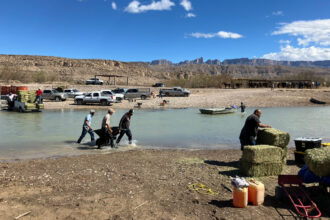
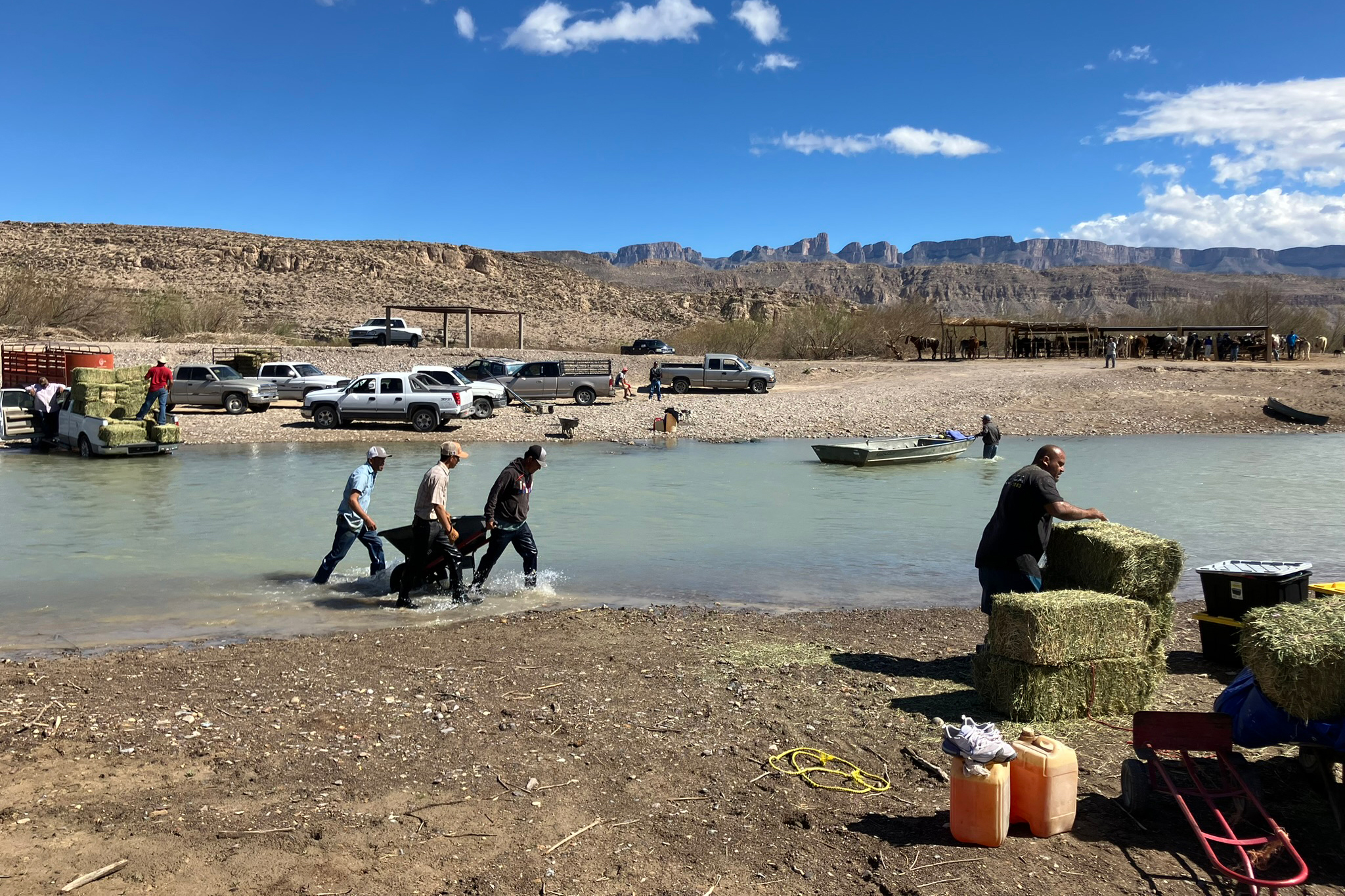
One example: ICN reporter Martha Pskowski led coverage around a proposed border wall that would cut through a cherished state and national park in Texas’ Big Bend region, and she noted the 28 laws for environmental protection and historical and archeological preservation that were waived by the U.S. Department of Homeland Security to expedite construction.
Within a week of ICN publication, the story was picked up by Deceleration, The San Antonio Current, The Gilmer Mirror, The Texas Tribune, Marfa Public Radio, Big Bend Sentinel and more. When the Washington Post released its own report on the proposed border wall project, the co-author took to Twitter to credit ICN’s coverage, calling Martha’s story an example of “local & expert journalism at its finest.”
Since Martha’s story, the U.S. Customs and Border Protection has updated its online map to remove the plans for a physical border wall in the national park. Media coverage has sparked public demands for more information— and the project awaits a final decision. One of Martha’s sources praised her work as an early warning: her story helped the news “go national.”
Here’s another time ICN coverage made a difference. Earlier this year, the New York Times published a story on Project Marvel, a plan to build a 4.5-million-square-foot data processing facility in Bessemer, Alabama.
The Times reporter didn’t start from scratch. He had phoned ICN reporter Lee Hedgepeth, who has reported extensively and produced nearly a dozen stories on the project for over a year, to gauge the risks. Lee had interviewed Bessemer residents to document their concerns about potential noise and light pollution, environmental impact, and higher energy bills from Project Marvel. He also was knowledgeable about local laws and the lack of transparency by public officials. Lee’s stories had been republished by outlets including Birmingham radio station WBHM, the Alabama Reflector, Chattanooga Times Free Press, and News From The States.
And then the New York Times called. Reporter Robert Draper consulted with Lee about his reporting and cited his work in his article for the Times. In an email, he thanked Lee for “leading the journalistic way.”
On topics ranging from border walls to data centers, legacy media outlets have benefitted from ICN’s hard work. Our model of co-publication extends the reach of vital stories for national discourse.
About This Story
Perhaps you noticed: This story, like all the news we publish, is free to read. That’s because Inside Climate News is a 501c3 nonprofit organization. We do not charge a subscription fee, lock our news behind a paywall, or clutter our website with ads. We make our news on climate and the environment freely available to you and anyone who wants it.
That’s not all. We also share our news for free with scores of other media organizations around the country. Many of them can’t afford to do environmental journalism of their own. We’ve built bureaus from coast to coast to report local stories, collaborate with local newsrooms and co-publish articles so that this vital work is shared as widely as possible.
Two of us launched ICN in 2007. Six years later we earned a Pulitzer Prize for National Reporting, and now we run the oldest and largest dedicated climate newsroom in the nation. We tell the story in all its complexity. We hold polluters accountable. We expose environmental injustice. We debunk misinformation. We scrutinize solutions and inspire action.
Donations from readers like you fund every aspect of what we do. If you don’t already, will you support our ongoing work, our reporting on the biggest crisis facing our planet, and help us reach even more readers in more places?
Please take a moment to make a tax-deductible donation. Every one of them makes a difference.
Thank you,