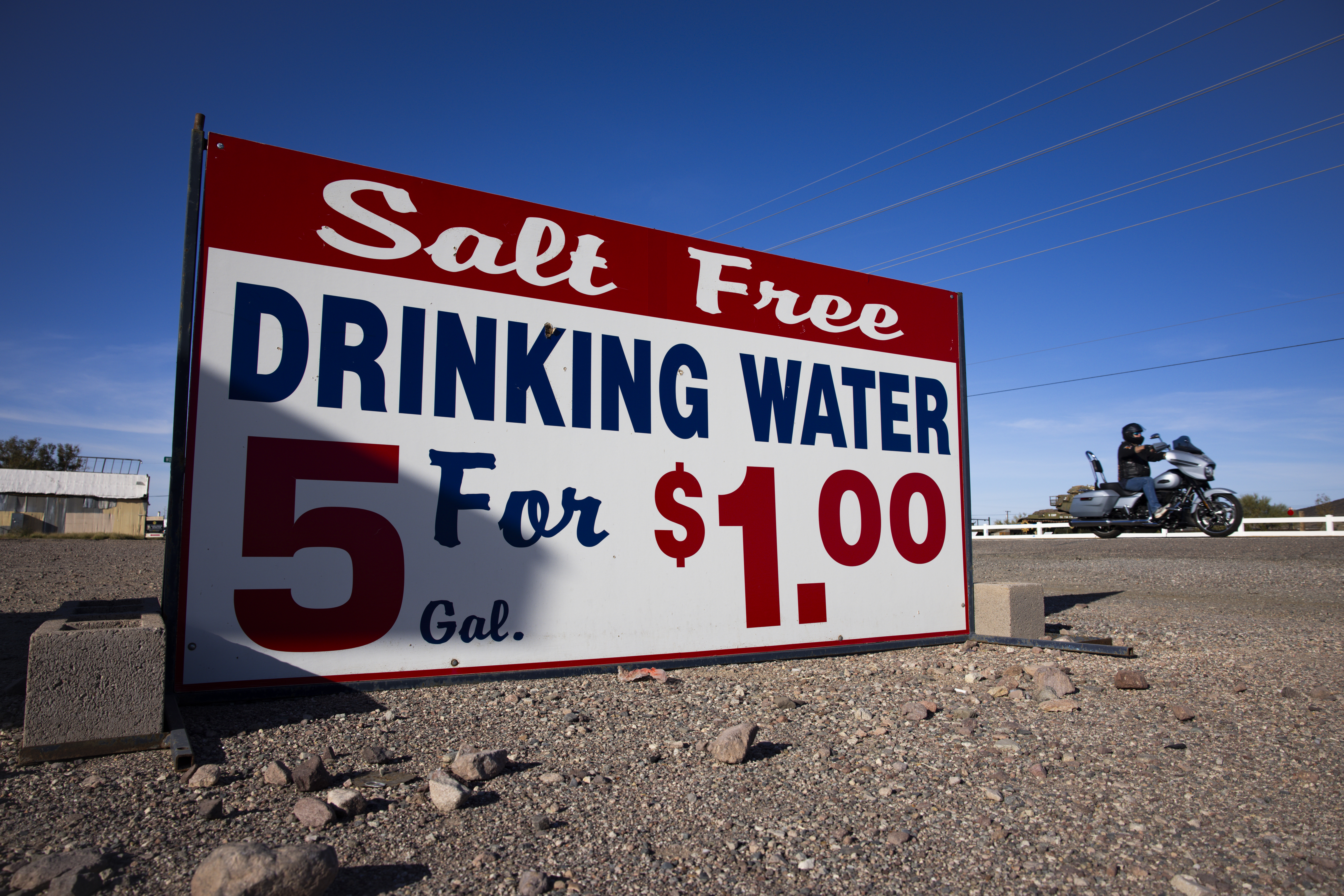


Anyone who has ever been told to lower their sodium intake knows they have to cut back on the usual salty suspects, from potato chips to deli meats. But the water you drink to wash down these snacks may also be part of the problem, experts say.
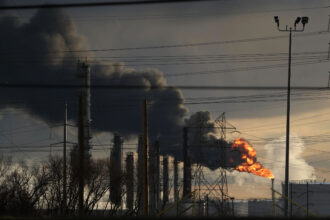
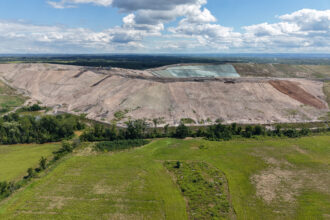
Each year, widespread wastewater runoff, agriculture, oil extraction and road de-icing inundate freshwater ecosystems with salt, which scientists say is messing with the Earth’s so-called “salt cycle.” At the same time, sea-level rise fueled by climate change is pushing ocean water into our freshwater supplies, and frequent droughts reduce the rains that would otherwise dilute it.
According to a growing body of research, saltwater contamination is already having profound consequences on human health. And as climate change accelerates, this briny invasion is likely to get worse, a new study finds.
Saltwater Health Risks
Salt is essential to life on Earth, aiding nerve function and regulating fluids in the body. But too much can be a problem. High sodium intake has been linked to kidney disease, stroke and heart problems such as persistent high blood pressure, which affects more than a billion people worldwide.
A December paper analyzing data from 27 studies around the world found that people exposed to saltier drinking water often have significantly higher blood pressure than those who are not.
The salt-exposed populations had about 3.22 mmHg higher systolic blood pressure on average. That equates to about a 26 percent higher risk of developing hypertension, which the study’s authors note is a relatively small increase but similar to the high blood pressure risk posed by other common factors, such as low physical activity.
According to the study, the trend is especially prevalent among coastal populations vulnerable to sea-level rise, including many in Asia and North America.
“Our findings highlight an often overlooked environmental factor in cardiovascular disease that could become more problematic as climate change accelerates,” study co-author Rajiv Chowdhury wrote in The Conversation last week.
Sujay Kaushal, a geologist at the University of Maryland, told me the study is important for bringing attention to an often-overlooked threat.
“In our country, most people focus on controlling sodium in food … and people don’t really think of water as an important source of sodium,” he said. This study “helps raise awareness that you can also have sodium in water, and it can lead to these similar health impacts.”
Freshwater salt contamination can also threaten reproductive health, especially during pregnancy. As Grist reported in 2024, pregnant women living along coastal zones in Bangladesh, where sea levels are rapidly rising, have seen far more cases of hypertension than pregnant women living inland. High blood pressure during pregnancy increases the risk for preeclampsia, a serious and potentially fatal complication.
Kaushal pointed out that saltwater can also erode water infrastructure, exposing people to potentially hazardous heavy metals if lead, copper or iron pipes degrade.
A Growing Problem
Freshwater ecosystems are facing a salty onslaught from both land and sea, according to a study Kaushal published last year. De-icing salt alone is a massive contributor: The U.S. uses a whopping 25 million tons each year on roads, which often runs off into surrounding ecosystems and poses risks to humans and wildlife.
Climate-fueled extreme weather is also transforming the world’s salt cycle. Nearly half of all global drinking water comes from groundwater located in aquifers. But increasingly severe floods and storm surges often push seawater into coastal aquifers.
Weather that is too dry can also be an issue. A natural push and pull relationship exists between freshwater and seawater where they meet; the pressure from freshwater aquifers provides a barrier against saltwater and flushes out the salt if it does sneak through. During droughts, there often isn’t enough freshwater flow to prevent saltwater intrusion. And coastal cities are forced to pump more water from remaining supplies, which can worsen the issue.
In the Texas city of Corpus Christi, this problem has reached a catastrophic level, as my colleague Dylan Baddour recently reported. Experts say the city could fully run out of water next year, and local officials expect they will have to enforce emergency water-use restrictions in September if weather patterns don’t shift.
As Corpus Christi attempts to develop its aquifers, brackish groundwater poses a major challenge for wells in the region. One resident in nearby Robstown told Dylan that he measured unsafe salt levels in the water there after his mother-in-law saw a quick, dramatic rise in her blood pressure.
Though the scale of the problem varies by location, new research finds that coastal groundwater levels are dropping around the world. Between 1990 to 2024, many areas experienced significant declines that can leave groundwater vulnerable to saltwater intrusion, particularly in arid regions where the groundwater table is close to sea level.
Researchers are still unraveling what this means for public health. The World Health Organization does not set any health-based standard for sodium levels in drinking water, which Chowdhury wrote “further highlights the need for stronger scientific evidence.”
More Top Climate News
Environmental groups sued the Trump administration on Monday to stop fossil fuel company BP from launching a drilling project in ultra-deep waters in the Gulf of Mexico that was approved last month, Lisa Friedman reports for The New York Times. Led by Earthjustice, the groups argue the project could cause devastating impacts on marine ecosystems similar to or worse than those caused by the 2010 explosion of the Deepwater Horizon oil rig—also operated by BP. The new project aims to produce 80,000 barrels of oil per day starting in 2029.
A vast network of fungi grows beneath the ground, often supporting tree growth, carbon storage and water absorption. But a new model suggests an estimated 90 percent of mycorrhizal fungi hotspots exist outside protected areas, which could threaten their survival, Kylie Mohr reports for High Country News. Much of the fungi that have symbiotic relationships with trees grow in the Western U.S., where industrial agriculture and human development are widespread. Conservation efforts around these fungi have long been sparse, but momentum is building as research reveals the important roles they play in ecosystems, scientists say.
Nighttime once offered somewhat of a reprieve against strong-burning wildfires because temperatures dropped and humidity decreased. However, as climate change supercharges evening heat, the number of hours in North America when the weather is favorable for wildfires is now more than 30 percent higher than 50 years ago, recent research found. This played a role during the 2023 fires in Lahaina, Hawaii, and the Los Angeles area fires that burned in 2025, Seth Borenstein reports for The Associated Press.
Postcard From … Texas
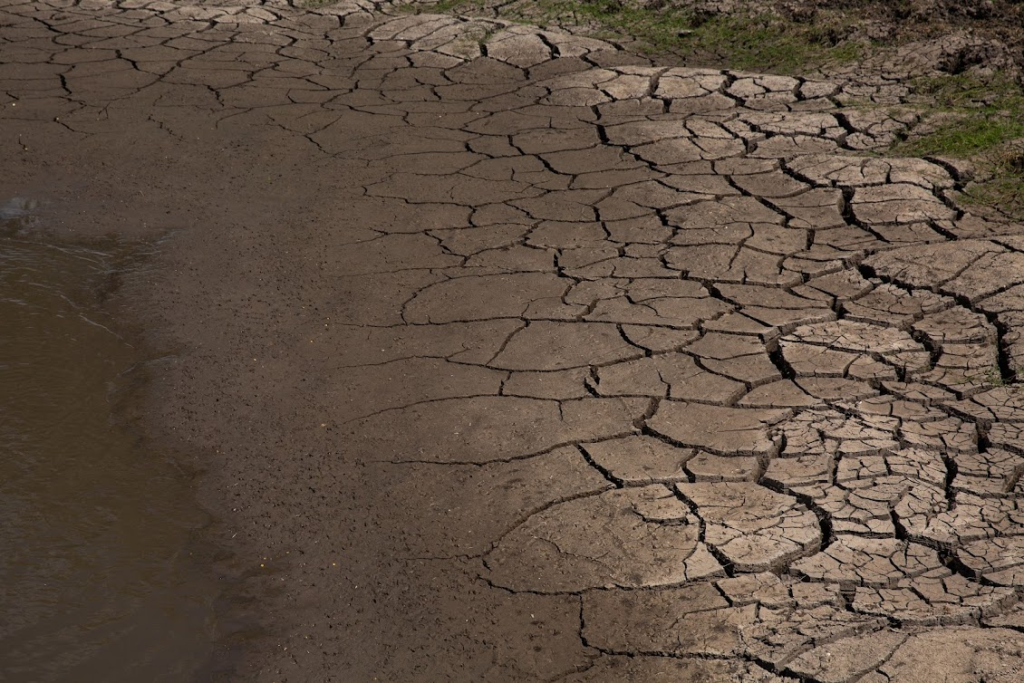
For this week’s installment of “Postcards From,” Dylan sent a photo from his reporting in the Corpus Christi region, where one rural resident’s experiences showed how the land has changed.
“Bruce Mumme, 75, roamed this land since he was a boy and his grandfather lived here. But he’s never seen it like this,” Dylan said. “The fields where his hay should grow are covered in dry dust. He’s seen sand dunes forming. His catfish wallow in the mud as his pond dries up. Soon, he figures, the water will evaporate and all the fish will die. What worries him most is who could be next.”
Today’s Climate readers, please keep sending in your photos for our “Postcards From” feature to [email protected]. We love seeing how you all interact with nature, whether birding in your backyard or hiking on vacation.
About This Story
Perhaps you noticed: This story, like all the news we publish, is free to read. That’s because Inside Climate News is a 501c3 nonprofit organization. We do not charge a subscription fee, lock our news behind a paywall, or clutter our website with ads. We make our news on climate and the environment freely available to you and anyone who wants it.
That’s not all. We also share our news for free with scores of other media organizations around the country. Many of them can’t afford to do environmental journalism of their own. We’ve built bureaus from coast to coast to report local stories, collaborate with local newsrooms and co-publish articles so that this vital work is shared as widely as possible.
Two of us launched ICN in 2007. Six years later we earned a Pulitzer Prize for National Reporting, and now we run the oldest and largest dedicated climate newsroom in the nation. We tell the story in all its complexity. We hold polluters accountable. We expose environmental injustice. We debunk misinformation. We scrutinize solutions and inspire action.
Donations from readers like you fund every aspect of what we do. If you don’t already, will you support our ongoing work, our reporting on the biggest crisis facing our planet, and help us reach even more readers in more places?
Please take a moment to make a tax-deductible donation. Every one of them makes a difference.
Thank you,

Kiley Price
Reporter
Kiley Price is a reporter at Inside Climate News, with a particular interest in wildlife, ocean health, food systems and climate change. She writes ICN’s “Today’s Climate” newsletter, which covers the most pressing environmental news each week.
She earned her master’s degree in science journalism at New York University, and her bachelor’s degree in biology at Wake Forest University. Her work has appeared in National Geographic, Time, Scientific American and more. She is a former Pulitzer Reporting Fellow, during which she spent a month in Thailand covering the intersection between Buddhism and the country’s environmental movement.