

The Trump administration and congressional Republicans have spent the last year trying to defang the Endangered Species Act, the country’s bedrock conservation law. But one of the most aggressive and far-reaching attempts just faced a major setback—and concerns from within the party were at least part of the reason.
Republicans in the U.S. House of Representatives abruptly canceled a vote that had been scheduled for Wednesday—Earth Day—on legislation that aims to codify into law many of President Donald Trump’s moves to weaken endangered species protections. Some lawmakers, mostly in tourism-dependent areas along the Gulf of Mexico, expressed concerns about the bill.
“Don’t tread on my turtles. Protected means protected,” U.S. Rep. Anna Paulina Luna (R-Fla.) wrote in a social media post on Monday ahead of the then-pending vote.
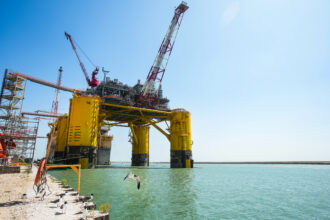
The vote cancellation came weeks after the Trump administration issued a controversial—and legally dubious—exemption for oil and gas drilling in the Gulf of Mexico from conservation measures required by the Endangered Species Act.
The ESA Amendments Act, introduced by U.S. Rep. Bruce Westerman (R-Ark.), would limit habitat protections, require agencies to conduct economic and national security analyses when determining whether to list a plant or animal as endangered or threatened, extend the deadlines required for listing decisions and fast-track the delisting process. Westerman’s office did not respond to a request for comment on why the vote was canceled.
The nonprofit Defenders of Wildlife released a letter on Monday signed by more than 275 organizations urging representatives to vote no, citing concerns that it would “prioritize politics over science.” The group sees the canceled vote as a signal that “the proponents of this bill finally got the message that this bill is just wildly out of step with where the American public is,” said Mary Beth Beetham, director of legislative affairs at Defenders of Wildlife.
“It’s a complete rewrite of the Endangered Species Act, and there’s not one provision in the bill that would make it more likely that species would recover. In fact, it would most likely make it more likely that species would continue to decline,” she said. “This bill should just die of its own weight.”
Patrick Parenteau, an emeritus law professor at the Vermont Law and Graduate School, said the Republican representatives may have jumped ship for one specific reason.
“I can’t tell how much of the opposition is about defending the Endangered Species Act, as opposed to preventing oil and gas drilling off the coast of Florida,” Parenteau said.
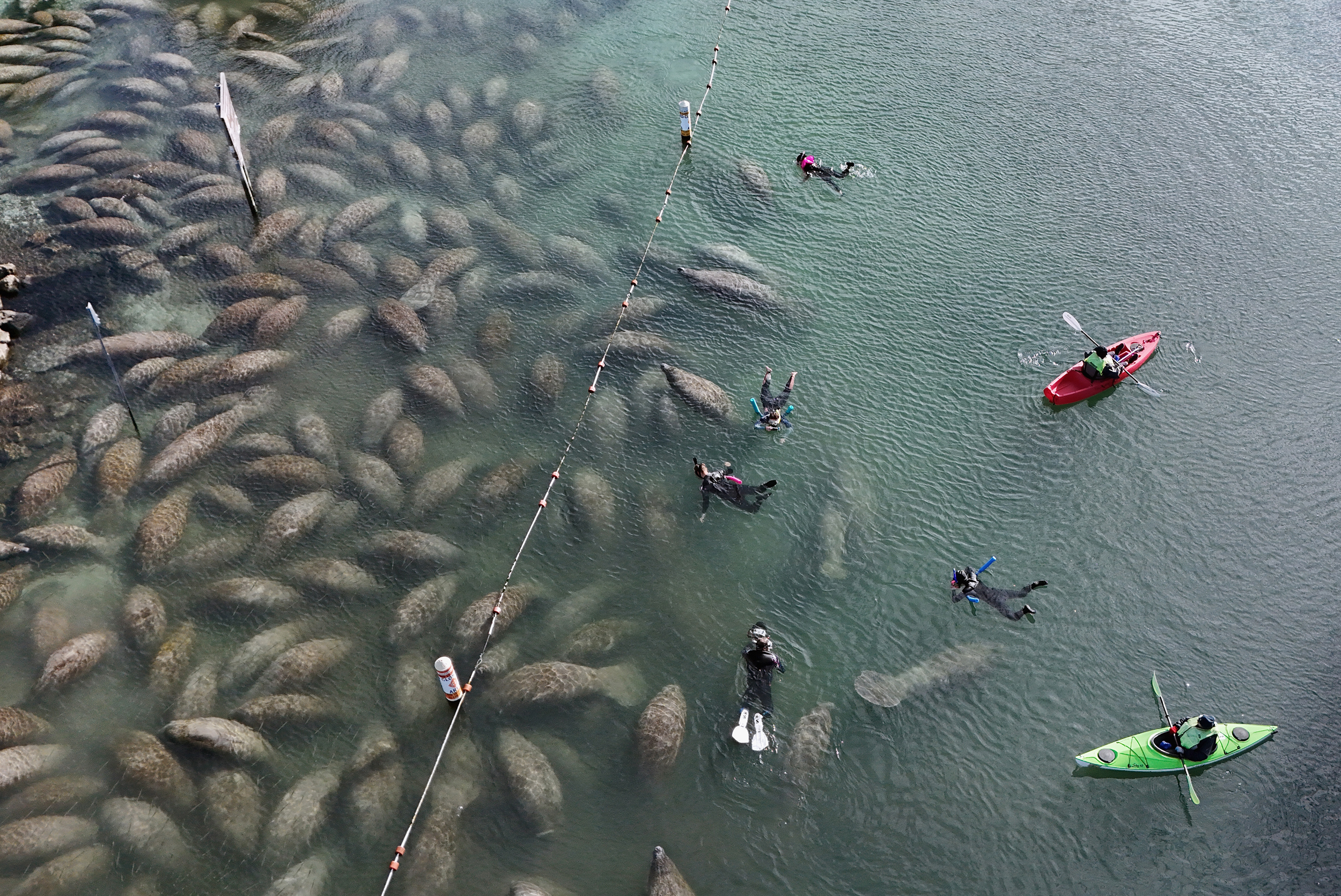
The Florida Everglades ecosystem alone hosts dozens of endangered and threatened species, including manatees, Florida panthers and many birds. It also contributes more than $30 billion annually to real estate, tourism and other parts of the local economy, a recent report estimated. But that ecosystem and others in the state are threatened by fossil fuel production, experts say.
U.S. Rep. Kat Cammack (R-Fla.) told E&E News that she is concerned about “opening up any potential avenues for drilling in the Gulf,” given how much the state relies on ecotourism, and that she wants to “see some improvements made before we’re willing to support the bill.”
Dozens of Floridians, including businesspeople, environmentalists and scientists, signed on to a letter opposing the legislation.
“Without protections for habitats and wildlife, the economic value of our natural resources to visitors will be greatly diminished,” the letter read. “Weakening the ESA would harm Florida’s wildlife and environment, as well as our communities and economy.”
Westerman told news outlets he hopes the bill will be back on the floor soon.
Fossil Fuel vs. Endangered Species
Since Trump regained office, his administration has pursued a variety of actions to chip away at—or in some cases, take a sledgehammer to—the Endangered Species Act to clear away constraints on fossil fuel production, timber harvesting and other industrial activities.
Last April, the U.S. Fish and Wildlife Service proposed a rule to rescind the law’s definition of “harm,” effectively eliminating many habitat protections for species—a key part of how the law has prevented extinction. The rule has not yet gone into effect.
In November, the agency announced a separate set of proposals that would dismantle several other rules underpinning the law, including changes that would hinder agencies’ ability to protect species from rapid global warming impacts.
Since the current session of Congress began in January 2025, meanwhile, lawmakers have proposed more than 60 pieces of legislation that would “undermine the ESA or weaken protections for imperiled wildlife,” according to a Defenders of Wildlife tracker. The ESA Amendments Bill is widely considered the most extensive of those proposals.
Agency decisions can be reversed by a later administration, and the Biden administration did just that after Trump’s first term. That’s why experts say changes codified by Congress pose a more existential risk to the Endangered Species Act’s long-term survival.
“Stopping this bill,” Parenteau said of the ESA Amendments proposal, “is the single most important thing you can do to preserve the Endangered Species Act.”
About This Story
Perhaps you noticed: This story, like all the news we publish, is free to read. That’s because Inside Climate News is a 501c3 nonprofit organization. We do not charge a subscription fee, lock our news behind a paywall, or clutter our website with ads. We make our news on climate and the environment freely available to you and anyone who wants it.
That’s not all. We also share our news for free with scores of other media organizations around the country. Many of them can’t afford to do environmental journalism of their own. We’ve built bureaus from coast to coast to report local stories, collaborate with local newsrooms and co-publish articles so that this vital work is shared as widely as possible.
Two of us launched ICN in 2007. Six years later we earned a Pulitzer Prize for National Reporting, and now we run the oldest and largest dedicated climate newsroom in the nation. We tell the story in all its complexity. We hold polluters accountable. We expose environmental injustice. We debunk misinformation. We scrutinize solutions and inspire action.
Donations from readers like you fund every aspect of what we do. If you don’t already, will you support our ongoing work, our reporting on the biggest crisis facing our planet, and help us reach even more readers in more places?
Please take a moment to make a tax-deductible donation. Every one of them makes a difference.
Thank you,

Kiley Price
Reporter
Kiley Price is a reporter at Inside Climate News, with a particular interest in wildlife, ocean health, food systems and climate change. She writes ICN’s “Today’s Climate” newsletter, which covers the most pressing environmental news each week.
She earned her master’s degree in science journalism at New York University, and her bachelor’s degree in biology at Wake Forest University. Her work has appeared in National Geographic, Time, Scientific American and more. She is a former Pulitzer Reporting Fellow, during which she spent a month in Thailand covering the intersection between Buddhism and the country’s environmental movement.