Skip to content
  • Science
  • Politics
  • Justice & Health
  • Fossil Fuels
  • Clean Energy
  • ICN Local
  • Projects
  • Impact
  • About Us
Inside Climate News
Pulitzer Prize-winning, nonpartisan reporting on the biggest crisis facing our planet.
Donate
Trump 2.0: The Reckoning
Inside Climate News
Donate

Search

  • Science
  • Politics
  • Justice & Health
  • Fossil Fuels
  • Clean Energy
  • ICN Local
  • Projects
  • Impact
  • About Us
  • Newsletters
  • ICN Sunday Morning
  • Contact Us

Topics

  • A.I. & Data Centers
  • Activism
  • Arctic
  • Biodiversity & Conservation
  • Business & Finance
  • Climate Law & Liability
  • Climate Treaties
  • Denial & Misinformation
  • Environment & Health
  • Extreme Weather
  • Food & Agriculture
  • Fracking
  • Nuclear
  • Pipelines
  • Plastics
  • Public Lands
  • Regulation
  • Super-Pollutants
  • Water/Drought
  • Wildfires

Information

  • About
  • Job Openings
  • Reporting Network
  • Whistleblowers
  • Memberships
  • Ways to Give
  • Fellows & Fellowships

Publications

  • E-Books
  • Documents

Chemical Plants

North Carolina Sues Chemical Company for Polluting a Nearby Creek

Since 2023, the city of Durham has fined Brenntag $157,000 for violations related to water contamination.

By Lisa Sorg
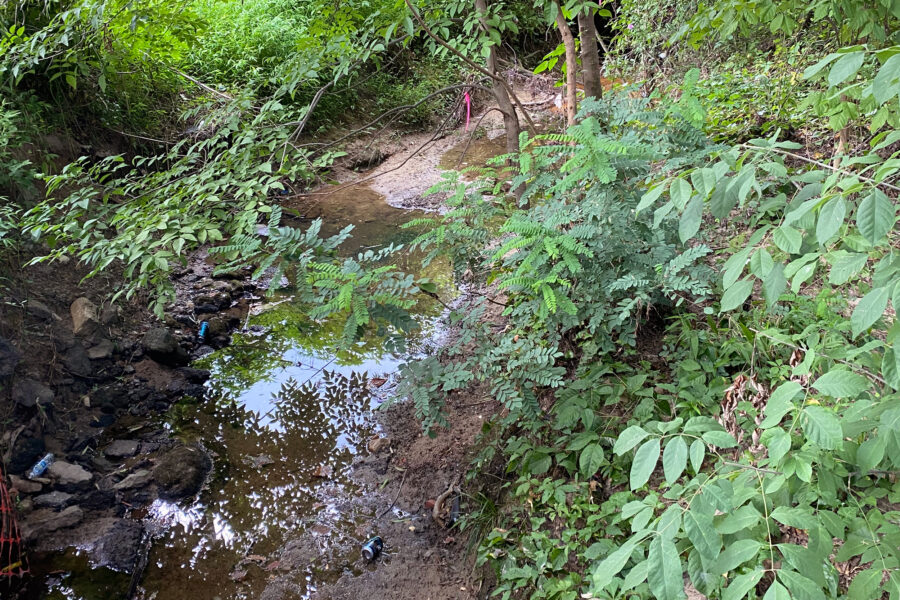
Downstream of Brenntag’s Durham plant, where toxic chemicals was detected in the sediment of a creek that flows through Burton Park. Credit: Lisa Sorg/Inside Climate News
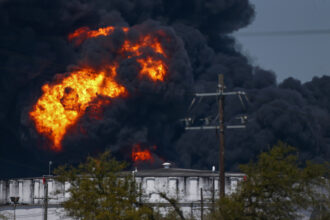
A chemical fire continues to burn at the Intercontinental Terminals Co. on March 19, 2019, in Deer Park, Texas. Credit: Godofredo A. Vásquez/Houston Chronicle via Getty Images

Chemical Threats Nearby? Trump’s EPA Doesn’t Want You to Know.

By Liza Gross

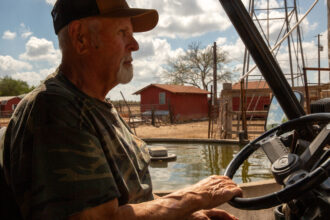
Water levels in Bruce Mumme’s well dropped below his pump last year, leaving him without access to water for three days while he found a technician to lower his pump, which cost thousands of dollars. Credit: Dylan Baddour/Inside Climate News

Corpus Christi Water Crisis Spurs Stampede on South Texas Aquifers

By Dylan Baddour

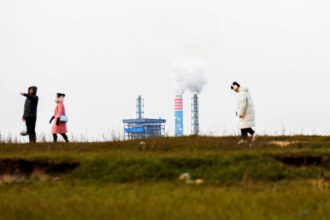
A chemical plant in Jiujiang, China. Chemical plants in eastern China, including one in Jiujiang, are likely the primary source of 40 percent of the world’s trifluoromethane (HFC-23) emissions. Credit: Feature China/Future Publishing via Getty Images

A Restricted Climate Super Pollutant Is Pumped Out at Far Higher Levels Than Countries Admit. What Happens Next?

By Phil McKenna, Lili Pike

Newsletters

We deliver climate news to your inbox like nobody else. Every day or once a week, our original stories and digest of the web's top headlines deliver the full story, for free.

Keep Environmental Journalism Alive

ICN provides award-winning climate coverage free of charge and advertising. We rely on donations from readers like you to keep going.

Donate Now
Inside Climate News
  • Science
  • Politics
  • Justice & Health
  • Fossil Fuels
  • Clean Energy
  • Home
  • About
  • Contact Us
  • Whistleblowers
  • Privacy Policy
  • Charity Navigator
Inside Climate News uses cookies. By continuing to use this site, you accept this policy. Learn More