Skip to content
  • Science
  • Politics
  • Justice & Health
  • Fossil Fuels
  • Clean Energy
  • ICN Local
  • Projects
  • Impact
  • About Us
Inside Climate News
Pulitzer Prize-winning, nonpartisan reporting on the biggest crisis facing our planet.
Donate
Trump 2.0: The Reckoning
Inside Climate News
Donate

Search

  • Science
  • Politics
  • Justice & Health
  • Fossil Fuels
  • Clean Energy
  • ICN Local
  • Projects
  • Impact
  • About Us
  • Newsletters
  • ICN Sunday Morning
  • Contact Us

Topics

  • A.I. & Data Centers
  • Activism
  • Arctic
  • Biodiversity & Conservation
  • Business & Finance
  • Climate Law & Liability
  • Climate Treaties
  • Denial & Misinformation
  • Environment & Health
  • Extreme Weather
  • Food & Agriculture
  • Fracking
  • Nuclear
  • Pipelines
  • Plastics
  • Public Lands
  • Regulation
  • Super-Pollutants
  • Water/Drought
  • Wildfires

Information

  • About
  • Job Openings
  • Reporting Network
  • Whistleblowers
  • Memberships
  • Ways to Give
  • Fellows & Fellowships

Publications

  • E-Books
  • Documents

North Dakota

Greenpeace Scrutinizes the Environmental Record of the Company That Sued the Group

The nonprofit said in a new report that pipeline company Energy Transfer reported hundreds of oil spills to federal regulators in recent years, among other incidents.

By Martha Pskowski

Emergency crews respond to a pipeline fire in La Porte, Texas, on Sept. 17, 2024. Credit: Kirk Sides/Houston Chronicle via Getty Images
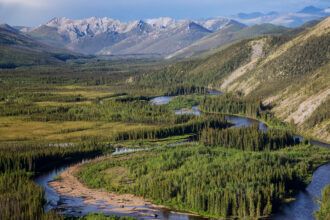
The Beaver Creek Wild and Scenic River runs through federal land near the White Mountains National Recreation Area in Alaska. Credit: Bob Wick/BLM

House Republicans’ Use of Little-Known Law to Strike Down Public Land Plans Could Be Pandora’s Box Moment

By Zoë Rom

A Native American protestor confronts a private security contractor at a work site for the Dakota Access Pipeline, near Cannon Ball, North Dakota, in September 2016. Credit: Robyn Beck/AFP via Getty Images

What a $660 Million Verdict Means for Greenpeace and the Environmental Movement

By Nicholas Kusnetz

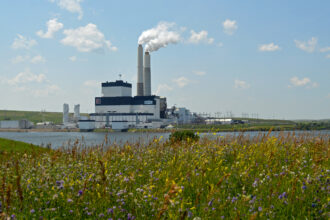
A view of the coal-fired Milton R. Young Power Plant, the planned site for Project Tundra, near Beulah, N.D. Credit: Minnkota Power Cooperative

A Carbon Capture Project Faces a New Delay in a Year of Slow Progress for Coal Power Plants Looking for Retrofits

By Dan Gearino

A coal-burning energy plant, as seen through cloud cover near Bismarck, North Dakota. Credit: Andrew Burton/Getty Images.

Errors In a Federal Carbon Capture Analysis Are a Warning for Clean Energy Spending, Former Official Says

By Nicholas Kusnetz

The Western Meadowlark, state bird of North Dakota, was studied during research on the prevalence of grassland birds in fields of corn and soy beans in North Dakota used for biofuels. Credit: Jon G. Fuller / VWPics/Universal Images Group via Getty Images.

What’s More Harmful to Birds in North Dakota: Oil and Gas Drilling, or Corn and Soybeans?

By Lydia Larsen

Milton R. Young Power Plant, located near Center, North Dakota, which is the site of Project Tundra, a plan to retrofit the plant with a carbon capture system. Credit: Minnkota Power

Carbon Capture Faces a Major Test in North Dakota

By Dan Gearino

Clusters of monarchs. monarch butterflies in tree at the Monarch Butterfly Biosphere Reserve near Angangueo, Michoacan, Mexico. Credit: Marica van der Meer/Arterra/Universal Images Group via Getty Images

Warming Trends: Butterflies Bounce Back, Growing Up Gay Amid High Plains Oil, Art Focuses on Plastic Production

By Katelyn Weisbrod

Flares light up the landscape after sunset on an oil patch in the Fort Berthold Indian Reservation on Oct. 27, 2021. North Dakota’s 2014 gas capture plan attempted to reduce flaring in the state, including on tribal land. Credit: Isaac Stone Simonelli/Howard Center for Investigative Journalism

How One Native American Tribe is Battling for Control Over Flaring

By Isaac Stone Simonelli, Maya Leachman and Andrew Onodera

Water vapor streams away from the Coal Creek electric power plant at the Falkirk Mining Company in North Dakota on Jan. 9, 2010. Credit: Karen Bleier/AFP via Getty Images

Sale of North Dakota’s Largest Coal Plant Is Almost Complete. Then Will Come the Hard Part

By Dan Gearino

Trucks wait to enter the Great River Energy Blue Flint Ethanol plant in Underwood, North Dakota, on Thursday, Feb. 9, 2012. Credit: Daniel Acker/Bloomberg via Getty Images

After a Clash Over Costs and Carbon, a Minnesota Utility Wants to Step Back from Its Main Electricity Supplier

By Dan Gearino

An electricity transmission tower is shrouded in steam being exhausted outside the Great River Energy Coal Creek Station power plant in Underwood, North Dakota, on Thursday, Feb. 9, 2012. Credit: Daniel Acker/Bloomberg via Getty Images

Despite One Big Dissent, Minnesota Utilities Approve of Coal Plant Sale. But Obstacles Remain

By Dan Gearino

Part of the Great River Energy Blue Flint Ethanol plant stands in front of the GRE Coal Creek Station power plant in Underwood, North Dakota, U.S., on Thursday, Feb. 9, 2012. Credit: Daniel Acker/Bloomberg via Getty Images

Plan to Save North Dakota Coal Plant Faces Intense Backlash from Minnesotans Who Would Help Pay for It

By Dan Gearino

Steam is vented through exhaust stacks at Great River Energy Coal Creek Station coal fueled power plant in Underwood, North Dakota, on Thursday, Feb. 9, 2012. Daniel Credit: Acker/Bloomberg via Getty Images

A Lifeline for a Coal Plant Gives Hope to a North Dakota Town. Others See It as a Boondoggle

By Dan Gearino

North Dakota, Using Taxpayer Funds, Bailed Out Oil and Gas Companies by Plugging Abandoned Wells

By Nicholas Kusnetz

When an Oil Company Profits From a Pipeline Running Beneath Tribal Land Without Consent, What’s Fair Compensation?

By Judy Fahys

Activity at a Bakken oil well pad south of Watford City, North Dakota. Credit: William Campbell/Corbis via Getty Images

The $16 Million Was Supposed to Clean Up Old Oil Wells; Instead, It’s Going to Frack New Ones

By Nicholas Kusnetz

Miles of unused pipe, prepared for the proposed Keystone XL pipeline, sit in a lot on Oct. 14, 2014 outside Gascoyne, North Dakota. Credit: Andrew Burton/Getty Images

Too Much Sun Degrades Coatings That Keep Pipes From Corroding, Risking Leaks, Spills and Explosions

By Phil McKenna

The Coal Creek electric power plant in North Dakota will soon close. Credit: Karen Bleier/AFP via Getty Images

Inside Clean Energy: With Planned Closing of N.D. Coal Plant, Energy Transition Comes to Rural America

By Dan Gearino

Posts pagination

1 2 Next

Newsletters

We deliver climate news to your inbox like nobody else. Every day or once a week, our original stories and digest of the web's top headlines deliver the full story, for free.

Keep Environmental Journalism Alive

ICN provides award-winning climate coverage free of charge and advertising. We rely on donations from readers like you to keep going.

Donate Now
Inside Climate News
  • Science
  • Politics
  • Justice & Health
  • Fossil Fuels
  • Clean Energy
  • Home
  • About
  • Contact Us
  • Whistleblowers
  • Privacy Policy
  • Charity Navigator
Inside Climate News uses cookies. By continuing to use this site, you accept this policy. Learn More