

Last week, a day that ecologists and virologists in California have feared for years finally arrived.
Officials confirmed seven weaned northern elephant seal pups tested positive for highly pathogenic avian influenza (H5N1) amid a national surge of the deadly virus. When it tore through multiple colonies of the closely related southern elephant seal in South America and a sub-Antarctic island in 2023, mass die-offs followed.
Scientists have since kept a close eye on the marine mammals’ northern counterparts in California, which had been spared—until now.
“Everyone was waiting for the other shoe to drop on a ton of fronts because the same virus … has been marching across the Americas,” said Christine Johnson, director of the Institute for Pandemic Insights at the University of California, Davis’ Weill School of Veterinary Medicine. Her team works with the University of California, Santa Cruz, and other partners to coordinate monitoring and outbreak investigations.
Their ramped-up disease surveillance allowed them to catch the cases early. They noticed a few seals displaying tell-tale signs of H5N1 infection: respiratory and neurological issues such as weakness and tremors. This early detection and the fact that most breeding females have already departed for the season has experts hopeful that the outbreak could be relatively small.
But the specter of 2023’s southern elephant seal catastrophe looms large for biologists, showing what could happen if the disease proliferates.
Compounding the problem, climate change is creating more opportunities for bird flu to spread across species—including humans—as unpredictable weather and warming winters impact avian behavior. Where and when birds migrate are among those changes, according to a growing body of research.
Disease Detectives
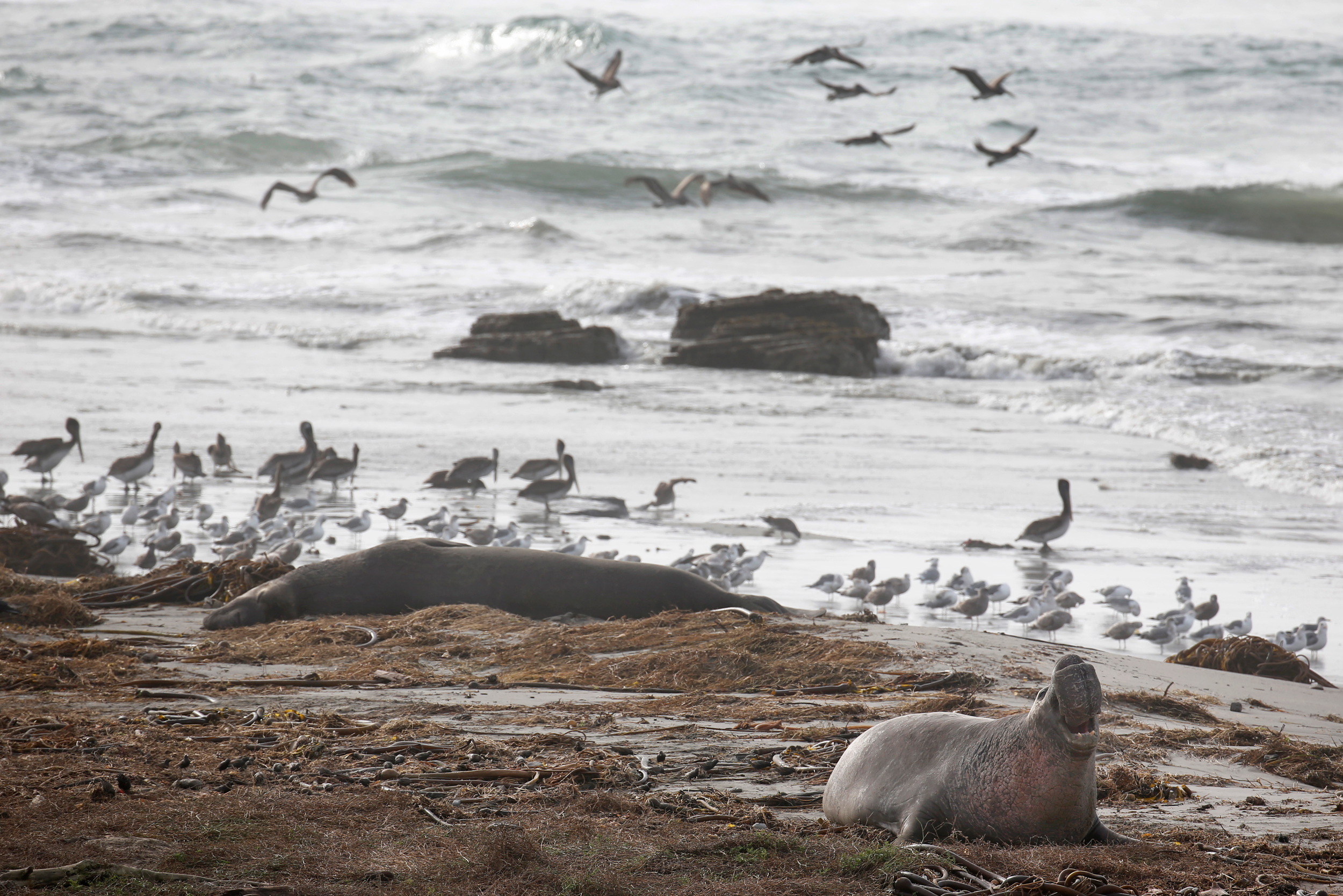
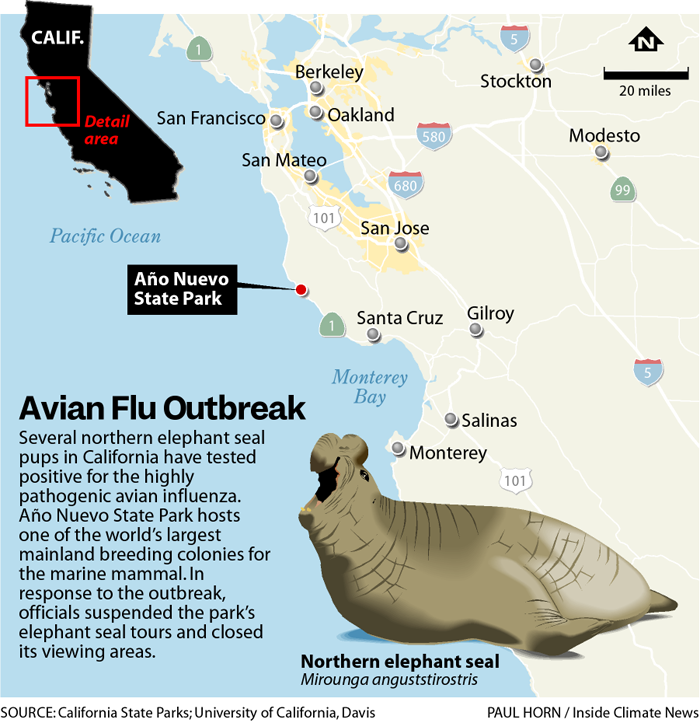
During the winter, visitors at Año Nuevo State Park, north of Santa Cruz in California, are more likely to hear the guttural grunts and barks of elephant seals before seeing them. Around 5,000 elephant seals congregate on the area’s beaches to breed and nurse their pups before heading back out to sea.
The newly weaned pups stay behind together, growing and learning how to swim and forage. Because they’re largely left to fend for themselves, it’s not entirely unusual for many of the pups to die of natural causes. However, researchers monitoring the elephant seal rookery—which still had about 1,350 seals on site in February—recently noticed an uptick of 30 dead and sick seals.
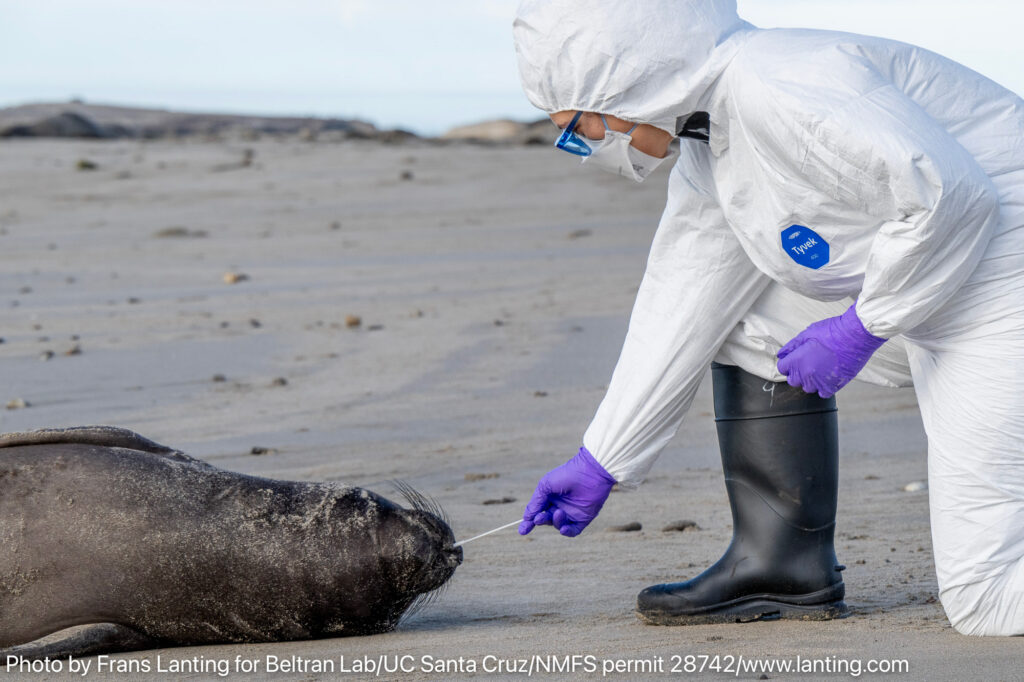
The samples they quickly collected from seven pups went to the California Animal Health & Food Safety Laboratory System at UC Davis. The tests, later verified by the U.S. Department of Agriculture, confirmed the highly pathogenic H5N1 infection.
Though risk to the public remains low, California State Parks swiftly closed access to seal-viewing areas and cancelled its guided elephant seal tours for the remainder of the season. Researchers from UC Santa Cruz and UC Davis are working with NOAA Fisheries, the agency’s West Coast Marine Mammal Stranding Network and the California Department of Fish and Wildlife to continue monitoring the population, track whether the outbreak has spread and determine how the seals were infected in the first place.
This type of disease detective work could take weeks or longer, though Johnson said the team is “well-poised to answer these questions.”
“We have very active sampling of the birds and the marine mammals, and so we will get to the bottom of it,” she said. “But all of that work requires really in-depth sequencing of the virus so you can match and look at how similar they are over time.”
As of the end of last week, most seals in the colony “seem healthy,” Roxanne Beltran, a professor of ecology and evolutionary biology at UC Santa Cruz, said in a statement. Her lab leads the northern elephant seal research program at Año Nuevo.
But there isn’t much the team and officials “can do from a disease-management standpoint once the virus is in wildlife,” Johnson said. She’s hoping transmission will remain small and localized like similar bird flu outbreaks among gray and harbor seals in Maine in 2022, then Washington state in 2023. But grave concerns remain, experts say.
A Catastrophic Case Study
The highly pathogenic bird flu emerged around three decades ago, first in domestic waterfowl in Guangdong, China. Later, the disease spilled over into local wild birds and migratory waterfowl.
From there, the highly pathogenic bird flu mutated to infect many species across the globe—from a polar bear in the Arctic to cougars in the United States. More than 166 million domestic poultry have also died or been culled due to the disease since 2022 in the U.S. alone.
In 2022, bird flu reached marine mammals along the coasts of South America, killing more than 30,000 sea lions in the region over the next year. The bird flu variant then hit southern elephant seals in 2023 at Península Valdés in Argentina’s Patagonia region.
It was a bloodbath.
“By early October, we had no idea that at the time that we were going to count elephant seals, at the peak of the breeding season, that we were just going to see dead [animals] everywhere,” said Argentinian veterinarian Marcela Uhart, the director of the Latin America program at UC Davis’ Karen C. Drayer Wildlife Health Center.
A few factors converged to make this outbreak “the perfect storm,” Uhart explained. The bird flu variant had already mutated to infect mammals, enabling it to easily spread through the elephant seal population. Timing was not on the animals’ side, either. Elephant seals spend about 80 percent of their lives at sea, only coming on land a few times, including to breed for about three weeks of the year. The 2023 outbreak began at the peak of that short window, when seals are clustered together and may interact with wild birds and other mammals.
By the end of the breeding season, more than 17,000 of the seal pups died—nearly every pup born that year, according to a 2024 study led by Uhart. Some adults also succumbed. That’s had lingering impacts on the population. Scientists have already witnessed some of the aftershocks.
“We did a massive effort of surveying the entire colony in 2024 … and that was really bad news when we actually saw how few they were,” Uhart said. The outbreak also upended the colony’s social structure that year, she added, with a notable replacement of mature alpha males by younger males and a significant decline in the number of breeding females returning to give birth. This likely means that some females died at sea during the initial outbreak.
This story is funded by readers like you.
Our nonprofit newsroom provides award-winning climate coverage free of charge and advertising. We rely on donations from readers like you to keep going. Please donate now to support our work.
Donate NowScientists estimate it could take at least 70 years for the Argentinian population to recover to pre-outbreak levels—even longer if another outbreak or environmental issue strikes.
Southern elephant seals in the sub-Antarctic fared even worse in 2023 against the disease. On the island of South Georgia, around 53,000 females died after bird flu hit the area, cutting the world’s largest breeding colony of this marine mammal almost in half, researchers estimate. It’s not yet clear if elephant seals in California will face a similar fate.
“It’s just that same feeling we got when the pandemic began,” Johnson said.
Stopping the Spread
Scientists and countries face an uphill battle to stop bird flu in wild animal populations. One major challenge: “You’re not going to get a seal to wear a face mask,” said Wendy Puryear, a molecular virologist at Cummings School of Veterinary Medicine at Tufts University.
“We can’t vaccinate the whole planet, and you can’t tell seals to stay six feet away from each other, and you can’t do those sort of behavioral changes that you can try to implement with humans,” Puryear said.
That’s part of why early-detection programs such as the system in California are crucial, she added. At Año Nuevo State Park, researchers are keeping an eye on beaches in person and with drones, and collecting nasal swabs from animals they suspect are sick. Scientists are also developing technology that could help monitor for illnesses using thermal and chemical sensors.
Globally, however, monitoring can only do so much to combat a disease that has rapidly spread across the animal kingdom, Uhart said.
“A system for surveillance and for helping marine animals is not very good … when all we can do with that is monitor and tally death, right? We should have a better system,” she said. “My main frustration is us not thinking about stopping this before it even happens.”
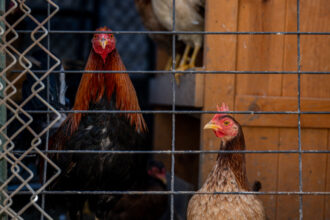
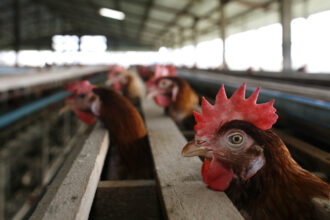
That would require global shifts in how and where poultry and cattle farming take place, she said. For example, ensuring dairy and cattle farms are not operating near wetlands and other critical bird habitats can reduce interactions between wild birds and farmed animals. Additionally, individual farms can ramp up biosecurity measures, such as fortifying enclosures or requiring farmers to wear protective gear.
However, studies suggest that climate change is facilitating the spread of avian flu and other zoonotic diseases in unpredictable—and sometimes disastrous—ways. Though scientists are still parsing out climate links, it’s clear that many bird populations are changing their migratory patterns as temperatures and extreme weather rise. That could bring infected birds into contact with wildlife and farm animals that have never before been exposed.
Puryear said climate pressures can also change wild animals’ behavior in ways more conducive to disease spread, particularly when insufficient habitat or food forces animals closer together.
Those are indirect impacts. Climate change can also directly harm a species, making it more difficult to bounce back from a bird flu outbreak. For example, northern elephant seals in California are losing breeding habitat to rising seas and extreme weather. Other marine mammals face similar threats around the world from warming temperatures—as well as from commercial fishing fleets.
“It’s bird flu plus climate change plus overfishing plus everything else,” Uhart said.
And these threats aren’t isolated to animals: Since 1997, more than 1,000 people have been infected by the highly pathogenic avian influenza.
The bird flu outbreaks raging around the world “are all recurring reminders of the fact that we are all connected on this planet, and that the things that we do [are] not siloed little pockets,” Puryear said. “It all impacts the health of these other animals, and then also [comes] back and impacts the health and risk of us as a human population.”
About This Story
Perhaps you noticed: This story, like all the news we publish, is free to read. That’s because Inside Climate News is a 501c3 nonprofit organization. We do not charge a subscription fee, lock our news behind a paywall, or clutter our website with ads. We make our news on climate and the environment freely available to you and anyone who wants it.
That’s not all. We also share our news for free with scores of other media organizations around the country. Many of them can’t afford to do environmental journalism of their own. We’ve built bureaus from coast to coast to report local stories, collaborate with local newsrooms and co-publish articles so that this vital work is shared as widely as possible.
Two of us launched ICN in 2007. Six years later we earned a Pulitzer Prize for National Reporting, and now we run the oldest and largest dedicated climate newsroom in the nation. We tell the story in all its complexity. We hold polluters accountable. We expose environmental injustice. We debunk misinformation. We scrutinize solutions and inspire action.
Donations from readers like you fund every aspect of what we do. If you don’t already, will you support our ongoing work, our reporting on the biggest crisis facing our planet, and help us reach even more readers in more places?
Please take a moment to make a tax-deductible donation. Every one of them makes a difference.
Thank you,

Kiley Price
Reporter
Kiley Price is a reporter at Inside Climate News, with a particular interest in wildlife, ocean health, food systems and climate change. She writes ICN’s “Today’s Climate” newsletter, which covers the most pressing environmental news each week.
She earned her master’s degree in science journalism at New York University, and her bachelor’s degree in biology at Wake Forest University. Her work has appeared in National Geographic, Time, Scientific American and more. She is a former Pulitzer Reporting Fellow, during which she spent a month in Thailand covering the intersection between Buddhism and the country’s environmental movement.