

At the end of May, eight endangered Asiatic lions died at a national park in India. Officials feared the animals had succumbed to a tick-borne parasitic disease that previously killed lions in the area.
But over the weekend, the Gujarat government announced that the lions’ real killer was extreme heat, The Hindu reports. These casualties add to a mounting heat-related death toll for animal species around the world as climate change accelerates. Even the animals that survive rising temperatures often face other threats connected to heat, from reproductive issues to cognitive disruption.
A new early warning system aims to forecast when and where terrestrial vertebrate species will be exposed to extreme heat up to nine months in advance, which could give governments a chance to help the animals most at risk. But experts say even with this information, the heat issue may prove too difficult to combat if temperatures continue to rise at their current pace.
Forecasting Heat Risk
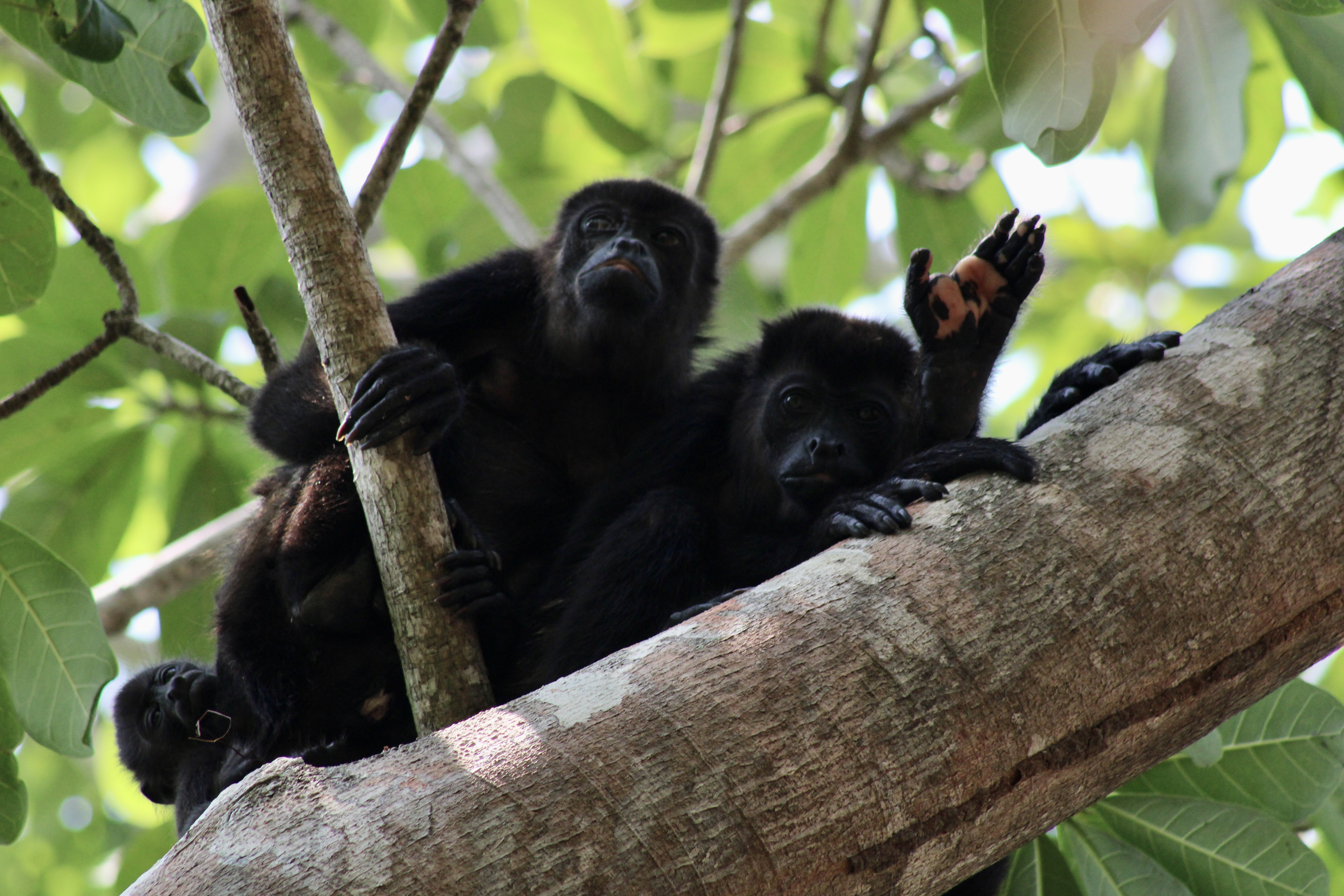
In recent years, extreme heat has devastated species across the animal kingdom. Howler monkeys suffering from heat stroke fell from trees in Mexico, thousands of flying foxes perished during a heat wave in Australia and millions of marine creatures boiled and starved off the United States West Coast and Alaska when ocean temperatures skyrocketed between 2014 and 2016.
A growing body of research finds the problem will only get worse in the coming decades, with thousands of species facing extinction by 2100 due to extreme heat and land-use change. While this research is crucial for guiding long-term conservation, fewer options are available to forecast potential heat catastrophes for wildlife in the near-term, said Josep M. Serra-Diaz, an ecologist at the Botanical Institute of Barcelona.
Serra-Diaz told me that analyses often focus on the past or the more distant future, and that “there was a gap here between these two worlds.”
The new early warning system, published Monday in the journal Nature Climate Change and co-authored by Serra-Diaz, is trying to help fill that gap. To identify where animals may experience higher-than-normal heat, the researchers combined forecasts from NASA’s Goddard Earth Observing System with species-specific historical temperature limits for more than 30,000 mammals, birds, reptiles and amphibians. They tested their system by applying it to a past timeframe we already have data for—2024, the hottest year on record globally.
The system predicted that between May 2024 and February 2025, more than 3,500 species would be exposed to temperatures higher than previously experienced across their known ranges. Geographic ranges for amphibians and reptiles were expected to have the highest percentage of heat exposure, while birds had lower proportions of their ranges in that higher temperature threshold. The forecast showed Mexico would be among the most affected regions, particularly in the state of Tabasco, where the howler monkeys died in droves that year.
The study found that many regions could have been warned of potential exposure three to five months in advance if the forecast had been available. It also suggests that preventive efforts, such as creating refuges for animals to survive extreme heat, may have aided nearly 500 species of conservation concern across their ranges throughout this time period.
But Serra-Diaz noted a few limitations with the current model. The system currently identifies global trends, but the model will need to be refined to enable more localized predictions to inform management in specific places. He also stressed that just because temperatures are higher than historical levels, it doesn’t mean a species won’t be able to survive or adapt to them, so more data is needed.
“We don’t predict the impact itself, we predict that species will be under a very extreme heat that maybe the species have never seen before,” Serra-Diaz said. “Maybe they can cope, maybe not, but it’s a very red flag.”
Biologist Eric Riddell, who was not involved in the study, also pointed out that questions remain over “whether or not these abnormal temperatures that occur in spring and fall are truly associated with changes in survival and reproduction.” But he added that this system addresses “a really big issue in our field, which is that we’re trying to predict things that we’re often not going to be alive for.” Riddell is a professor at the University of North Carolina, Chapel Hill, and studies how animals respond to environmental change.
“Trying to make predictions that are much closer to our current time so that they could be more helpful to us on the ground and making conservation and management decisions is an urgent issue that we need to address,” Riddell said.
Helping Animals Handle Heat
Some animals, such as birds and bats, are adapting to rising temperatures by moving to cooler habitats. Others may even thrive in a hotter climate, including certain insects like aphids and corn borers (which may be bad news for us; a 2018 study found that increased pest populations due to global warming could decimate grain crops).
But a large body of research finds that many animals will suffer as extreme heat worsens with climate change. Mass deaths are the main conservation concern, but studies show that rising temperatures are fundamentally altering behaviors in some species, from birds singing less to goats fighting more, as Knowable Magazine recently reported.
What’s often less clear is what to do with this information, Riddell told me.
Sometimes, hands-on interventions such as building watering holes or providing food can help support animals during heat waves and droughts. In 2022, the San Diego Zoo Alliance even moved desert tortoise hatchlings and eggs from a monitored outdoor habitat into an indoor enclosure earlier than scheduled due to a heat wave that could have killed them.
Serra-Diaz and his colleagues are working to refine their models to help warn park managers and governments in advance of heat events and other extreme weather in key areas for species so they can better plan to help prevent mass mortalities.
The bad news: While this information can help guide policy and protect small populations like the tortoises, there aren’t any techniques that can prevent heat deaths for animals in the wild en masse if temperatures do surge, Riddell said.
Riddell stressed one major action that can help: slowing global warming.
“We need to do something different to stop our climate from changing,” he said. “And I think that’s the real message here.”
More Top Climate News
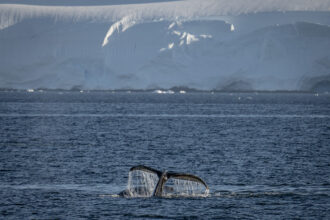
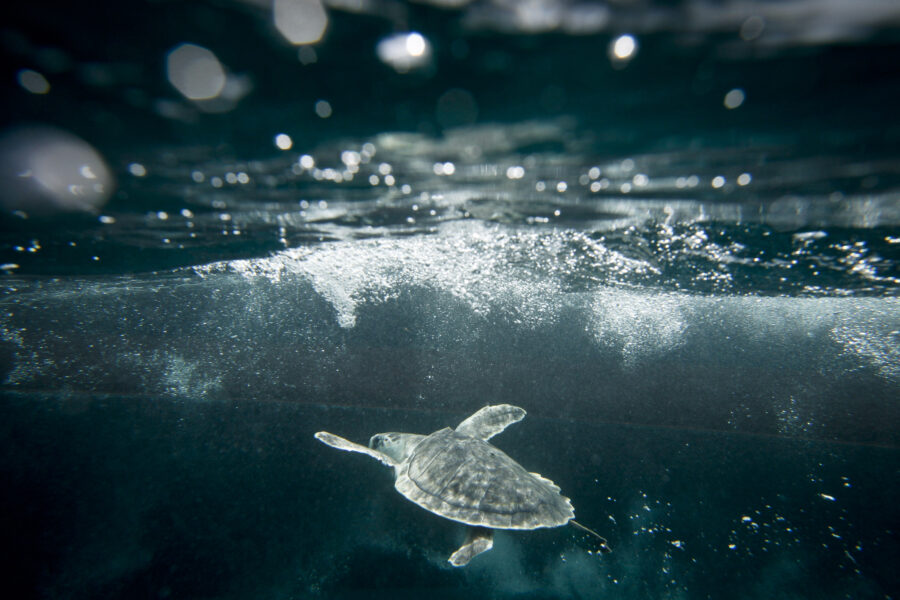
The United Nations published an assessment Monday—World Oceans Day—outlining the “deepening crisis” playing out across the world’s seas in the face of myriad threats from climate change and human activities, Todd Woody reports for Bloomberg. The report acts as a health checkup for the planet’s oceans—and the current prognosis is not good. Researchers found that more than a third of global fish stocks are being harvested faster than their populations can rebound, acidification is worsening in many areas and marine heat is killing a growing number of coral reefs. These issues could have major financial consequences given that up to 45 percent of global economic activity happens on the world’s coasts, according to the report.
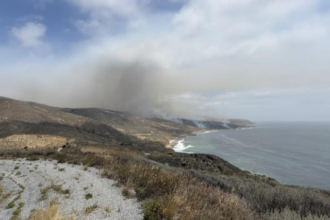
Ahead of World Cup soccer matches starting this week, scientists warn that possible wildfires in some locations could threaten air quality for players and fans, Tik Root reports for Grist. Last month, wildfires in California triggered air quality advisories in Los Angeles, extending to SoFi Stadium, a venue for several upcoming matches. Conditions remain dry and hot in the area, which could increase the risk of more fires. Other cities hosting events face similar threats, though FIFA, the governing body of the event, did not share with Grist whether it has a specific plan for air quality issues. Heat is another major climate-related risk for World Cup players and fans, as our fellow Gabriel Matias Castilho recently reported.
An investigation by The Guardian found that around two-thirds of planned data centers are set to be constructed in areas that have suffered from drought conditions in the past year. Data centers require large amounts of energy and water to operate, and demand for these facilities has surged in recent years to support the expansion of artificial intelligence. But data from market intelligence company Cleanview and the federal government show that many locations for planned data center development are already struggling with water supply for basic needs such as farming.
About This Story
Perhaps you noticed: This story, like all the news we publish, is free to read. That’s because Inside Climate News is a 501c3 nonprofit organization. We do not charge a subscription fee, lock our news behind a paywall, or clutter our website with ads. We make our news on climate and the environment freely available to you and anyone who wants it.
That’s not all. We also share our news for free with scores of other media organizations around the country. Many of them can’t afford to do environmental journalism of their own. We’ve built bureaus from coast to coast to report local stories, collaborate with local newsrooms and co-publish articles so that this vital work is shared as widely as possible.
Two of us launched ICN in 2007. Six years later we earned a Pulitzer Prize for National Reporting, and now we run the oldest and largest dedicated climate newsroom in the nation. We tell the story in all its complexity. We hold polluters accountable. We expose environmental injustice. We debunk misinformation. We scrutinize solutions and inspire action.
Donations from readers like you fund every aspect of what we do. If you don’t already, will you support our ongoing work, our reporting on the biggest crisis facing our planet, and help us reach even more readers in more places?
Please take a moment to make a tax-deductible donation. Every one of them makes a difference.
Thank you,

Kiley Price
Reporter
Kiley Price is a reporter at Inside Climate News, with a particular interest in wildlife, ocean health, food systems and climate change. She writes ICN’s “Today’s Climate” newsletter, which covers the most pressing environmental news each week.
She earned her master’s degree in science journalism at New York University, and her bachelor’s degree in biology at Wake Forest University. Her work has appeared in National Geographic, Time, Scientific American and more. She is a former Pulitzer Reporting Fellow, during which she spent a month in Thailand covering the intersection between Buddhism and the country’s environmental movement.