

This story is part of an investigation conducted by an international team of journalists based at The Outlaw Ocean Project. Read the other stories here.
In August 2022, dozens of protesters spilled into the streets of Kayar, a fishing town on Senegal’s Atlantic coast, demanding the closure of a nearby fishmeal plant, Touba Protein Marine.
Marching from the fishing wharf to the factory, they carried signs reading “Kayar is sick” and chanted, “Time to respect our Kayar.” The factory, they said, had been built less than a third of a mile from residential homes, triggering local health problems.
That same year in Vietnam, hundreds of residents on the country’s northeastern coast surrounded another plant and, for days, blasted loudspeakers at it in protest.
In India, in 2024, the odor from fishmeal factories spurred protests that lasted more than 100 days, ending in a boycott of local elections and in villagers convening parallel meetings to pass resolutions against the plants.
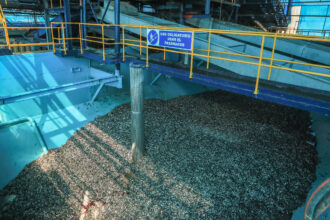
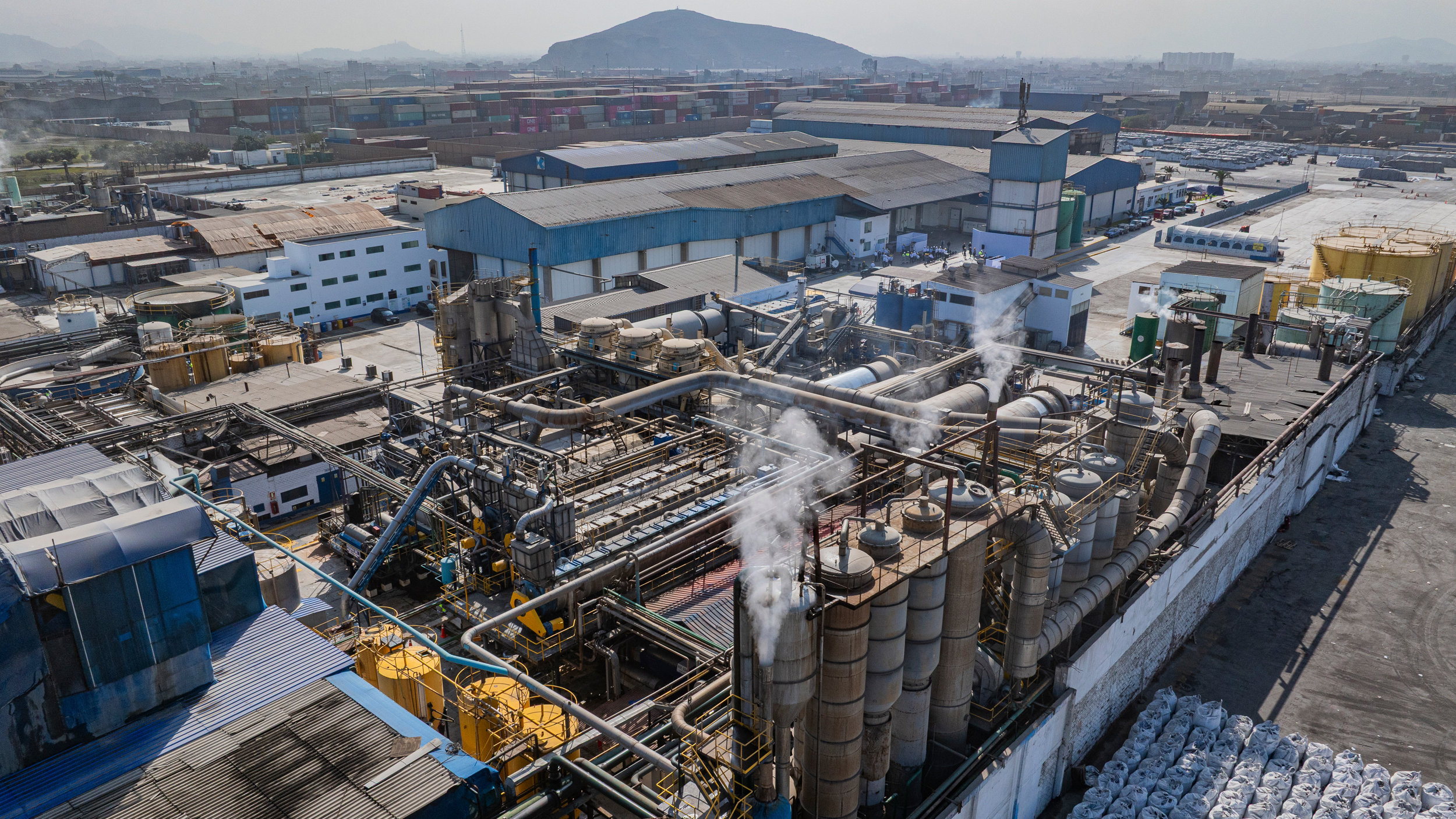
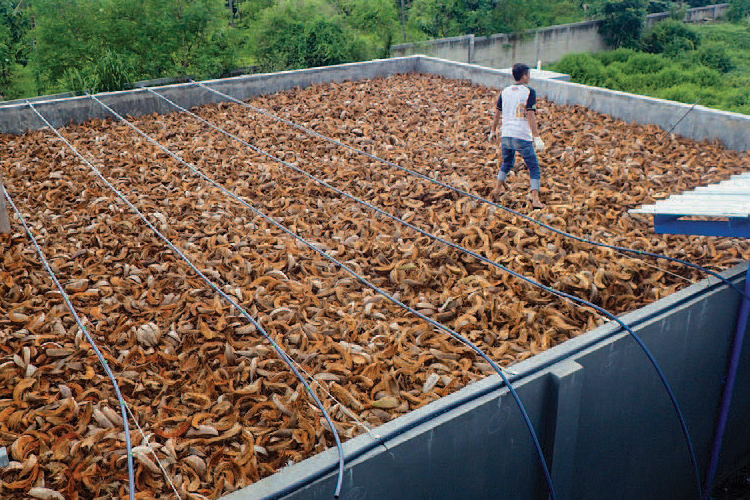
These uprisings were not set off by the kind of industrial disaster that usually commands global attention. What brought people onto the streets was the foul smell of fishmeal: the protein-rich powder manufactured in poorer coastal communities by unloading, cooking, pressing, drying and grinding up fish.
Today, two-thirds of global aquaculture—a $313 billion industry and the fastest-growing food sector in the world—grows species that are fed fishmeal and fish oil.
“We don’t invite family or friends here because we are embarrassed that we live in a place that smells like it’s rotting,” a man in Songkla, Thailand explained. Those living near plants describe nausea, headaches, eye irritation, dizziness, coughing fits and loss of appetite. They recount laundry brought in early, doors kept shut in coastal heat, sleep interrupted at night and a low-grade sense of agitation that comes from never being able to trust the next gust of wind.
A global investigation of this product’s hidden costs by The Outlaw Ocean Project revealed that the industry’s rancid odor was among the least tracked, most personally intimate and widely suffered impacts of aquaculture.
The investigation documented complaints about stench made relating to at least 60 plants in 15 countries. And we found that globally, more than 9.5 million people live within a mile of fishmeal plants—including nearly 1.7 million under the age of 15.
Farmed seafood sold at Walmart, Kroger and Costco was fed fishmeal tied to stench complaints at plants in India, Vietnam and Peru, according to Bait to Plate, an online tool created by the Outlaw Ocean to track the aquaculture industry.
For some communities, the stink corroded the local economy by undercutting tourism and scaring away restaurant patrons and beach visitors. In Mar del Plata, Argentina, the smell from fishmeal plants was so bad that tourists visiting a local hotel sometimes had to step into the courtyard to vomit, while in Huaquillas, Ecuador, residents told a daily newspaper that the smell was “unbearable” and “impossible to be around.”
This story is funded by readers like you.
Our nonprofit newsroom provides award-winning climate coverage free of charge and advertising. We rely on donations from readers like you to keep going. Please donate now to support our work.
Donate NowThe foul smell was more than just a nuisance, it was also an indicator of the release of noxious chemicals like ammonia, hydrogen sulfide, cyanide and methane, which have been known to cause serious health problems, including pulmonary edema. The worst part of the odor comes from trimethylamine, or TMA, a colorless “fishy” gas identified as “strongly toxic and carcinogenic,” by the Society of Chemical Industry.
Yet emitting bad smells is typically seen as more of an inconvenience than an actual environmental or health hazard, even if it results in sickness.
“The technology for detecting and characterizing complex odors has not developed to the level of a reliable surveillance method, which has hindered regulatory frameworks,” stated a group of environmental engineers at Florida Atlantic University.
While many studies focus on the health and environmental impact of specific chemicals emitted by sewage plants, livestock operations, composting facilities, landfills, paper mills or petrochemical industries, little research has concentrated on the impact of smell, according to a study in the journal Environmental Health.
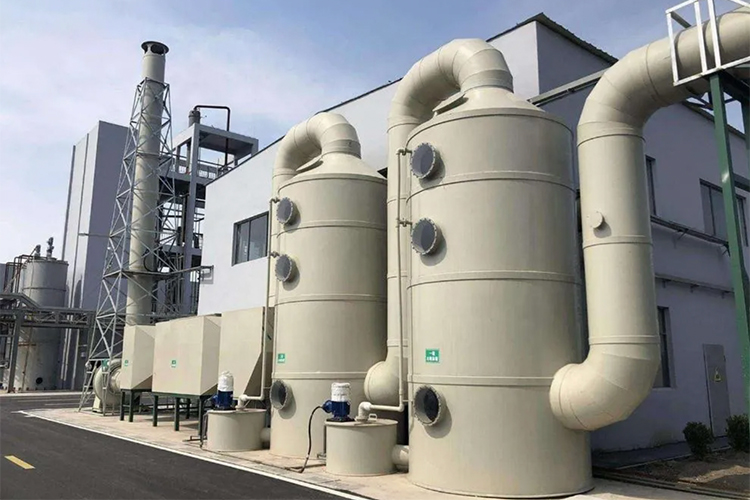
Fishmeal stench is not an unsolvable problem. When factory owners have tried to reduce it, they have usually succeeded. In 2008 in the U.S., in 2021 in South Africa and in 2022 in Yemen, plant owners installed various types of devices, some of them called scrubbers, that researchers later concluded had drastically reduced the foulest-smelling chemicals. Scrubbers, however, are not more common partly because they can cost upwards of a million dollars.
Costs notwithstanding, there are deeper reasons that stench stays far away from consumers. In wealthier nations, plant neighbors more often successfully pressure their governments to require odor controls.
In North Carolina, for example, multiple juries found in favor of plaintiffs suing the largest pork producer in the world. One appeals court judge wrote that the medical risks and stench of spraying untreated hog waste high into the air “violated homeowners’ rights to the healthful enjoyment of their property.”
But in poorer nations, where the vast majority of fishmeal plants are located, people living in the industrial areas where these plants are built usually lack political clout. Their governments are also more desperate for revenue and more reluctant to put up regulatory burdens that may scare away foreign investment. As a result, there is little incentive or pressure for foreign fishmeal producers to fix a problem that does not directly impact their bottom line.
Another reason is that modern life tends to rank injuries by how neatly they can be photographed, measured, litigated or charted. Globalized economies have become especially efficient at disappearing remote, slow-moving and intangible harms like stench for the customers at the wealthier and tail end of long supply chains. Or, as the novelist John Berger once asked in another context: “What is the social value of a pain eased?”
About This Story
Perhaps you noticed: This story, like all the news we publish, is free to read. That’s because Inside Climate News is a 501c3 nonprofit organization. We do not charge a subscription fee, lock our news behind a paywall, or clutter our website with ads. We make our news on climate and the environment freely available to you and anyone who wants it.
That’s not all. We also share our news for free with scores of other media organizations around the country. Many of them can’t afford to do environmental journalism of their own. We’ve built bureaus from coast to coast to report local stories, collaborate with local newsrooms and co-publish articles so that this vital work is shared as widely as possible.
Two of us launched ICN in 2007. Six years later we earned a Pulitzer Prize for National Reporting, and now we run the oldest and largest dedicated climate newsroom in the nation. We tell the story in all its complexity. We hold polluters accountable. We expose environmental injustice. We debunk misinformation. We scrutinize solutions and inspire action.
Donations from readers like you fund every aspect of what we do. If you don’t already, will you support our ongoing work, our reporting on the biggest crisis facing our planet, and help us reach even more readers in more places?
Please take a moment to make a tax-deductible donation. Every one of them makes a difference.
Thank you,