

Trial by Fire: First in a series about the impacts of wildfire litigation.
On a November morning in 2018, the foothills of the Sierra Nevada were primed to burn. Northern California had received little rainfall, and the grasses and shrubs above the town of Paradise were bone dry. Humidity levels were dangerously low as winds up to 40 miles per hour gusted downslope toward the 26,000-person community.
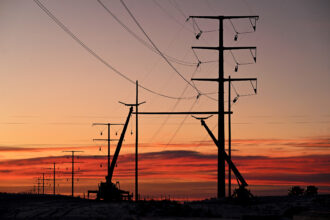
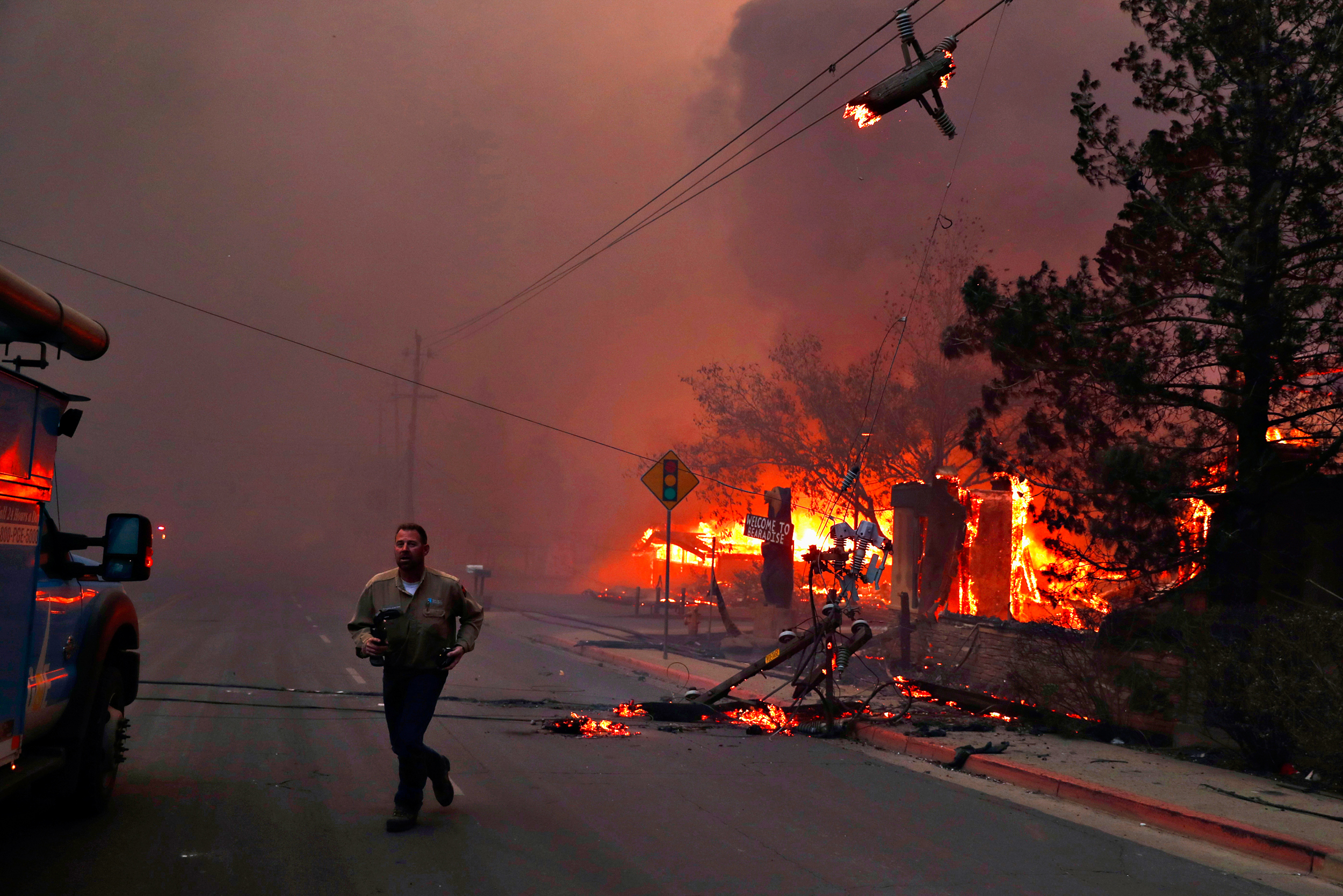
When a live wire broke free from a 99-year-old transmission tower owned by Pacific Gas and Electric Co., Paradise stood little chance.
The arcing wire ignited the brush below to start the Camp Fire, which claimed the lives of 85 people and destroyed more than 18,000 structures in a matter of hours, charring whole neighbourhoods to displace tens of thousands of people. It was the deadliest wildfire in California’s history.
But another metric would later come to define the fire that destroyed Paradise.
Thousands of victims sued PG&E. The utility eventually agreed to settle their claims for $13.5 billion in compensation for the Camp Fire, as well as other blazes ignited by its equipment in Northern California in 2017 and 2018. It was one of the largest civil settlements for an environmental disaster in U.S. history, driving the company to bankruptcy and demonstrating that utilities could be held liable for huge sums when faulty equipment ignites conflagrations.
The settlement sparked a wave of lawsuits against utilities implicated in wildfire ignitions across the country. Today, wildfire litigation is a multibillion-dollar business in the U.S., with more than $18 billion awarded or agreed to in civil settlements for victims in California, Hawaiʻi, Colorado and Oregon since 2017. Utility companies PG&E, PacifiCorp, Xcel Energy and Southern California Edison have so far borne the brunt of such claims.
Litigation Focuses on Ignitions
This year is shaping up to be among the worst on record for U.S. wildfires. Following a mild winter in which precipitation often fell as rain, mountain ranges including the Rockies and California’s Sierra Nevada were left with one of the lightest snowpacks in recent history. As of October, more than 9 million acres have burned in wildfires across the U.S.—about 1.5 times the average in the past decade for the year to date, according to the National Interagency Fire Center.
Lawsuits have followed in lockstep. Already, some Colorado residents have sued San Isabel Electric Association, a not-for-profit rural electric cooperative, for allegedly sparking the Aspen Acres Fire, which ranks as the seventh-largest wildfire in state history and destroyed more than 320 homes. An investigation into the fire by state officials found that an aspen tree had fallen onto energized powerlines, starting the blaze.
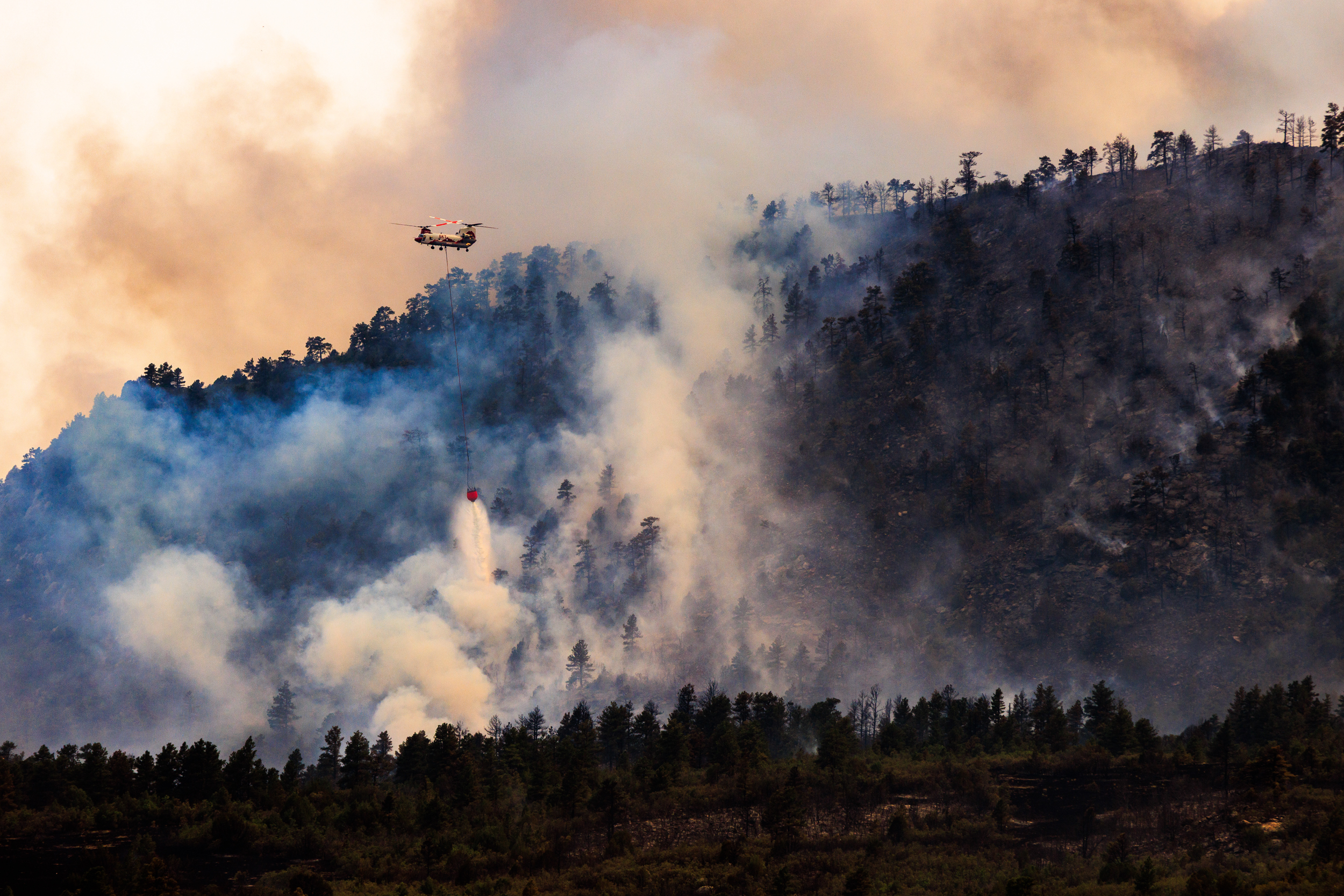
As the wildfire crisis confronting America accelerates and intensifies, some question whether a litigious approach to address mounting losses is sustainable—or just—in a world reshaped by climate change. Especially so because the actual number of wildfire ignitions hasn’t changed much over the decades.
“California hasn’t seen a big increase in the number of fires,” said Chris Field, a climate scientist at Stanford University. “What’s really changed is the probability that a little fire grows into a gigantic, devastating one.”
As the planet has warmed, landscapes have grown more flammable. At the same time, millions of houses have been built in wildfire-prone areas, risking greater property losses.
Yet utility lawsuits have emerged as a seemingly state-sanctioned climate resilience strategy to help homeowners deal with losses as the insurance industry backs out of areas with high fire danger. With such an approach, if your house burns down in a wildfire, you had better hope a large utility with deep pockets was responsible for the ignition, rather than lightning or a private individual.
“The people in the Palisades Fire, they’re just out of luck,” said Richard Bridgford, a California trial attorney who has represented close to 12,000 wildfire victims in cases against utilities in California and Hawaiʻi.
Authorities arrested a 29-year-old former Uber driver in connection with that blaze, one of the two large fires that tore through Los Angeles County in January 2025, causing tens of billions of dollars in damage. (A federal judge declared a mistrial of the alleged arsonist in June, with jurors deadlocked 10-2 in favor of his acquittal in the criminal case.) With no legally definitive source of ignition, thousands of victims are now suing the city of Los Angeles, the L.A. Department of Water and Power and the state of California for $10 billion for alleged contributions to the fire’s damage, including gross negligence in failing to fully extinguish hot spots from a previous fire and failing to provide sufficient water to fight the blaze.
Left to market forces alone, wildfire litigation shows little sign of slowing down. But the U.S. appears to be heading toward a reckoning over ever-rising payouts, as policymakers grapple with whether—and how much—the power sector should be made to bear the costs of a warming world.
America’s reliance on wildfire litigation has sent shockwaves through the country’s social and economic systems, raising electricity rates, contributing to power shutoffs and draining public funds when governments are found liable. And it is jeopardizing interventions, such as prescribed burns, that can meaningfully reduce the destructive potential of wildfires.
“It’s not just the spark that starts the fire that is really solely responsible for the damage.”
— Douglas Dixon, Hueston Hennigan lawyer
But even beyond such consequences lies a more foundational question of justice. Climate scientists and legal analysts have challenged the idea of singular liability versus collective responsibility: Is it appropriate, or fair, to hold one person or entity responsible for a massive wildfire enabled by the burning of fossil fuels alongside decades of federal fire suppression and development policies? Judgments against oil majors for their climate impacts have so far proved nearly impossible to win in U.S. courtrooms, leaving utility companies holding the bag for worsening wildfires that other corporations helped fuel.
While governments consider who to hold accountable and how, a new legal industry is growing almost as fast as the wildfires ravaging the country.
Wildfires, and Lawsuits, Are Booming
Gerald Singleton, a managing partner with Singleton Schreiber law firm in San Diego, has specialized in wildfire litigation since the mid-2000s and has been behind some of the largest wildfire lawsuits against utilities. Currently, he is serving as the court-appointed liaison counsel in the 2025 Eaton Fire in Los Angeles, which involves more than 50 law firms representing plaintiffs, and the 2021 Dixie Fire in Northern California, which devastated large parts of the Sierra Nevada.
The firm, he said, now has a couple dozen lawyers and 200 or so staff members working exclusively on wildfire cases. Over the past two decades, he and his team have represented over 30,000 fire victims and recovered $3 billion on their behalf. “My practice is pretty much 90 percent fires,” he said.
For a long time, Singleton said, just a few firms in the state did this work. But since the 2017 fires in both Northern and Southern California, “there are just more and more firms that are getting involved.”
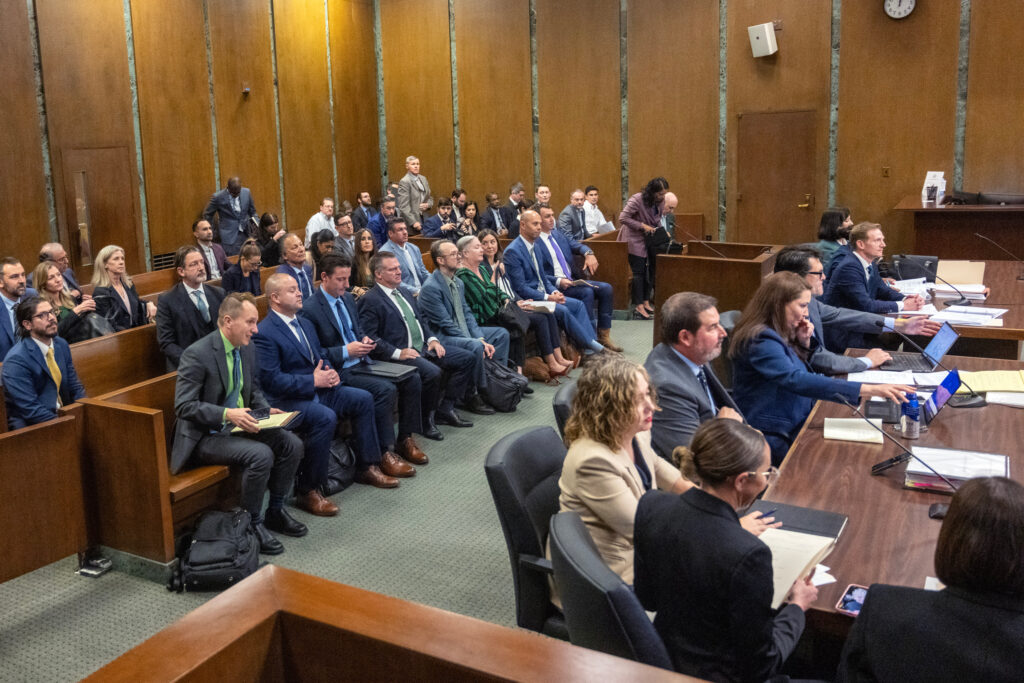
California has a strict liability standard for investor-owned utilities, which means a utility can be held financially liable for a wildfire even if it was not negligent in igniting the fire. This rule, known as inverse condemnation, has historically allowed claims in California to soar far beyond those in other Western states. (The U.S. precedent for assigning wildfire culpability to ignition alone dates back to the late 19th century, when railroad companies were often subject to such rulings.)
But in the past six years, California firms have begun trying their luck at litigating multibillion-dollar claims against energy companies implicated in wildfire ignitions in other states, including Oregon, Colorado and Hawaiʻi.
“California is not Vegas. What happens in California does not stay in California,” said Marek Smith, North America fire director at The Nature Conservancy, an environmental nonprofit. “It is significantly influential. The 2017-18 fires started to have this ripple effect, and then it just went exponential last year with the Southern California and LA wildfires.”
This story is funded by readers like you.
Our nonprofit newsroom provides award-winning climate coverage free of charge and advertising. We rely on donations from readers like you to keep going. Please donate now to support our work.
Donate NowAttorneys have flocked to the booming niche. Dozens of law firms now advertise themselves online as wildfire litigation experts in the American West.
Bridgford said that at least 95 percent of his practice’s focus over the last decade has been wildfires. The firm’s primary form of advertising, he added, is through town hall meetings held in communities from Pasadena to Maui that have been devastated by wildfires, encouraging victims to sign up to large lawsuits.
Pools of Plaintiffs Prove Profitable
Wildfire claims are often handled as mass torts—a large pool of plaintiffs pursuing claims against one or more defendants over the same event. The scale of the cases, and the billions of dollars at stake, has made wildfire litigation a lucrative specialization. Mass tort lawyers are generally paid through contingency fees, receiving a percentage of any settlement or jury judgment rather than charging clients upfront. These fees generally fall between 30 percent and 40 percent of the total compensation recovered, although some states may dictate how much lawyers are able to receive.
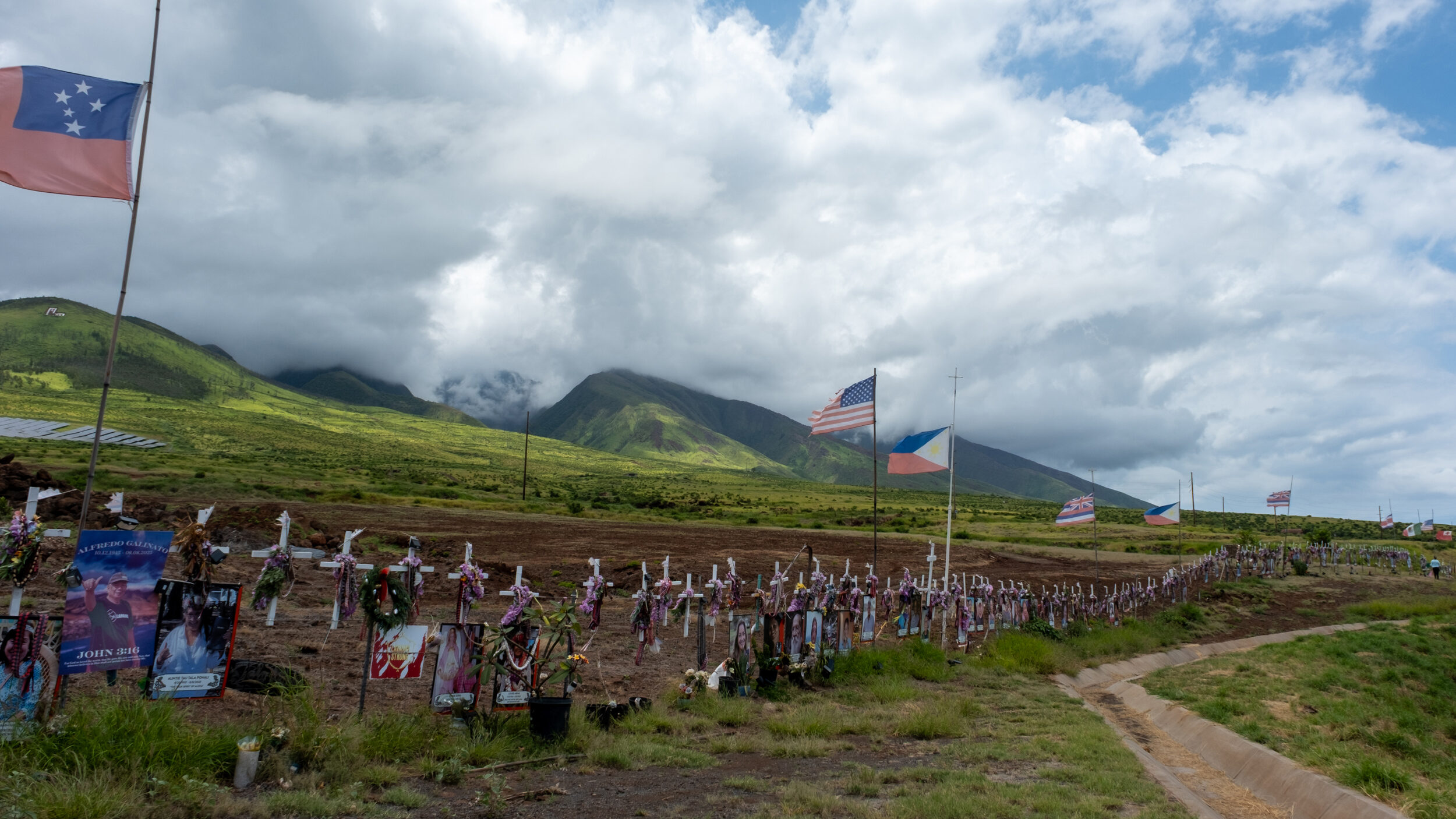
The 2023 Maui wildfires in Lahaina, for example, ultimately led to a $4 billion settlement—including $1.99 billion from the utility Hawaiian Electric Industries and its subsidiary, and $800 million from the state of Hawaiʻi. A Hawaiian state statute notes that attorney fees must be “limited to a reasonable amount as approved by the court having jurisdiction of the action,” while another statute caps reasonable fees to a total of 25 percent.
The plaintiff’s lawyers in the Maui wildfires were hoping for a $1 billion payday, local media reported, before a judge in June capped attorneys’ fees at $222 million.
Eric Macomber, a wildfire legal fellow at Stanford University, said that as cases expand beyond the Golden State, he expects utilities will prefer to settle, as Xcel Energy did with the 2021 Marshall Fire in Colorado, rather than go to court for a public jury judgment. The lawsuits for that wildfire outside of Boulder were brought, in part, by law firms headquartered in California.
“Utilities don’t want to generate bad precedent in states that haven’t really litigated a lot of these cases yet,” Macomber explained.
Although most of the large wildfire payouts to date have been the result of a settlement, some have been awarded by jury verdicts, including more than $1 billion against PacifiCorp in litigation over Oregon’s 2020 Labor Day fires. (That ruling has since been reversed by the Oregon Court of Appeals.)
More recently, Wall Street has taken notice of lucrative settlements. Hedge funds and investment banks made a move last year to back California law firms in hopes of making a profit off fire litigation. Jefferies Financial Group Inc. and Oppenheimer Holdings Inc. were among the companies trying to broker arrangements to finance residents’ lawsuits against utilities for the Eaton Fire, Bloomberg reported last year.
These third-party funders help law firms shoulder the costs of suing a utility, providing loans that cover their caseloads. Such litigation finance often comes with interest rates above 20 percent on an annualized basis. Jefferies and Oppenheimer did not respond to requests for comment.
Many lawyers have bristled at Wall Street’s interest and the resulting optics that could lead to greater government intervention. “I think it’s awful,” Singleton said, adding he would support a ban on the Wall Street arrangements.
“Hedge funds don’t come out and say, ‘We care about the community. We’re trying to make the world a better place.’ There’s none of that. It’s, ‘We are here to make a profit.’”
Intervention may be coming either way. More and more Western states—California included—are considering legislation that would afford greater protections to utilities, perhaps putting an end to ever-growing litigation. And the utility companies themselves are pushing back.
“There are many things that contribute to the spread and the severity of a wildfire,” said Douglas Dixon, a lawyer with Hueston Hennigan who has also worked with roughly a dozen utilities or defendants accused of igniting wildfires across the Western U.S. since 2018. “It’s not just the spark that starts the fire that is really solely responsible for the damage.”
Coming on Monday: Wildfire lawsuits fuel a debate over who should pay.
Coming on Tuesday: Are lawsuits complicating efforts to make forests less flammable?
This series is supported by a grant from the Fund for Investigative Journalism.
About This Story
Perhaps you noticed: This story, like all the news we publish, is free to read. That’s because Inside Climate News is a 501c3 nonprofit organization. We do not charge a subscription fee, lock our news behind a paywall, or clutter our website with ads. We make our news on climate and the environment freely available to you and anyone who wants it.
That’s not all. We also share our news for free with scores of other media organizations around the country. Many of them can’t afford to do environmental journalism of their own. We’ve built bureaus from coast to coast to report local stories, collaborate with local newsrooms and co-publish articles so that this vital work is shared as widely as possible.
Two of us launched ICN in 2007. Six years later we earned a Pulitzer Prize for National Reporting, and now we run the oldest and largest dedicated climate newsroom in the nation. We tell the story in all its complexity. We hold polluters accountable. We expose environmental injustice. We debunk misinformation. We scrutinize solutions and inspire action.
Donations from readers like you fund every aspect of what we do. If you don’t already, will you support our ongoing work, our reporting on the biggest crisis facing our planet, and help us reach even more readers in more places?
Please take a moment to make a tax-deductible donation. Every one of them makes a difference.
Thank you,