

Many of our impact case studies cover ongoing stories that Inside Climate News continues to actively cover. The impact reflected here is current as of publication and may be updated as the situation develops.
I have watched every open meeting of the Railroad Commission of Texas, the state’s oil and gas regulatory agency, since I started reporting for Inside Climate News.
Every month, the three elected commissioners meet in Austin to vote on agency business, and members of the public can register for a three-minute slot to give public comments. Concerns about conflicts of interest have long plagued the Railroad Commission. Residents have told me their best opportunity to be heard is speaking directly to the commissioners during these open meetings.
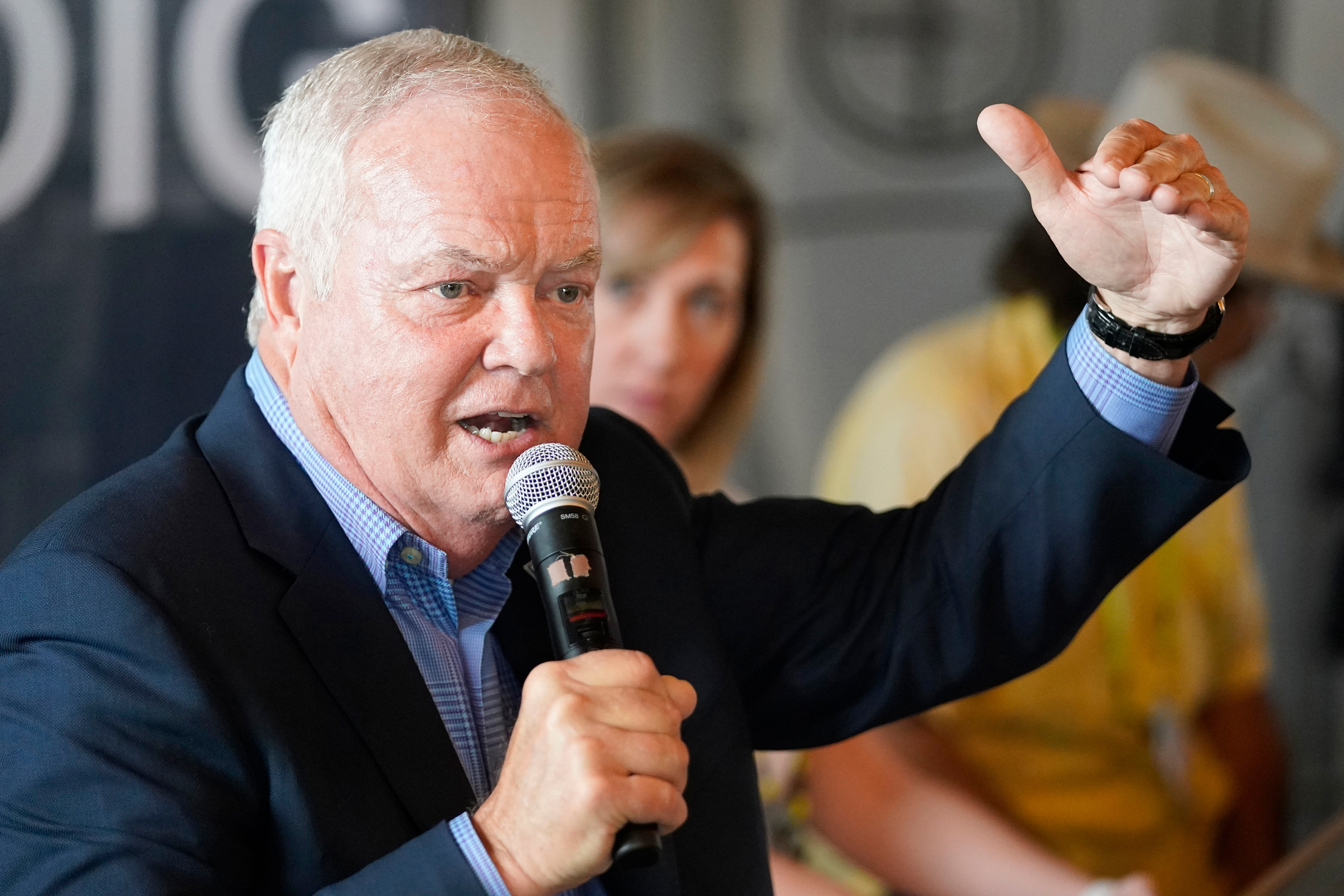
At the August meeting, Commissioner Wayne Christian introduced a new public participation policy that had not been circulated. The commissioners hastily passed the new policy, which removed the standing public comment period from the monthly agenda. Going forward, public comment would be at the discretion of the commissioners.
We were the first to break the story. Outlets across the state republished our reporting, and I appeared on Austin’s local NBC station, KXAN, to discuss the story. Backlash from concerned citizens and elected officials promptly followed.
State Rep. Drew Darby, a Republican, urged the Railroad Commission to restore the original policy. Darby, who chairs the House Energy Resources Committee, called on Commissioner Christian to testify before an oversight hearing of his committee on September 15. Christian didn’t show at the hearing and doubled down on his position in a letter.
Then on November 10, after months of public pressure, Christian reversed his position. He informed Rep. Darby in a letter that the commissioners will restore the original public participation policy at their December open meeting. Once again there will be a standing agenda item for public comment every month.
Rep. Darby praised the decision in a press release. “Numerous constituents called my office expressing serious concerns with removal of the standalone comment period.”
Incoming Railroad Commissioner Jon Rosenthal, the first Democrat to win a seat on the commission in more than three decades, also reacted to the situation after my first story was published. He has expressed support for protecting the public comment period and making the agency more accessible.
With public comment restored, I will continue attending Railroad Commission open meetings and listening to the Texans who travel from around the state to participate.
About This Story
Perhaps you noticed: This story, like all the news we publish, is free to read. That’s because Inside Climate News is a 501c3 nonprofit organization. We do not charge a subscription fee, lock our news behind a paywall, or clutter our website with ads. We make our news on climate and the environment freely available to you and anyone who wants it.
That’s not all. We also share our news for free with scores of other media organizations around the country. Many of them can’t afford to do environmental journalism of their own. We’ve built bureaus from coast to coast to report local stories, collaborate with local newsrooms and co-publish articles so that this vital work is shared as widely as possible.
Two of us launched ICN in 2007. Six years later we earned a Pulitzer Prize for National Reporting, and now we run the oldest and largest dedicated climate newsroom in the nation. We tell the story in all its complexity. We hold polluters accountable. We expose environmental injustice. We debunk misinformation. We scrutinize solutions and inspire action.
Donations from readers like you fund every aspect of what we do. If you don’t already, will you support our ongoing work, our reporting on the biggest crisis facing our planet, and help us reach even more readers in more places?
Please take a moment to make a tax-deductible donation. Every one of them makes a difference.
Thank you,