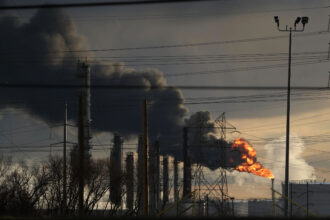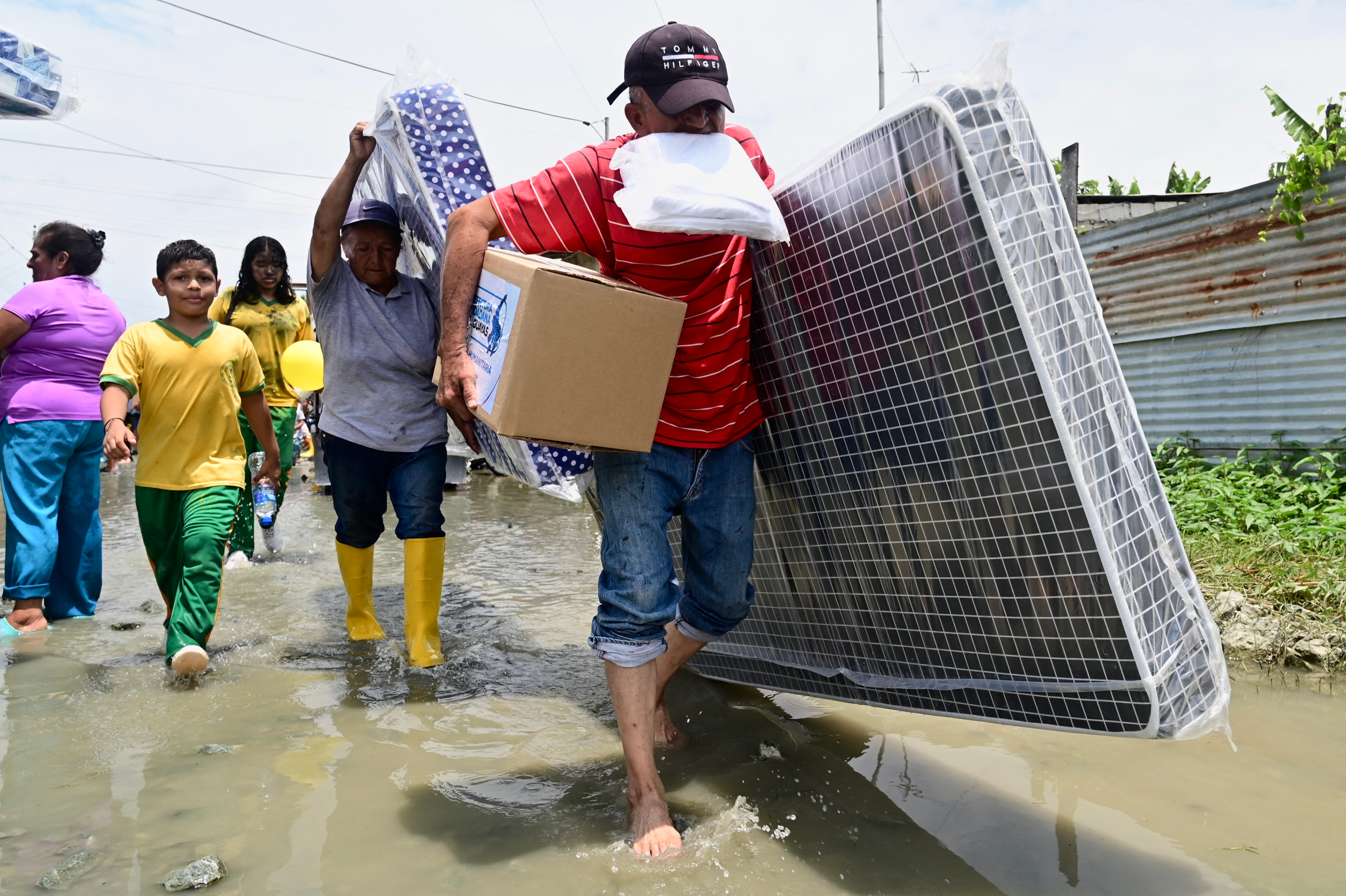


If the 2025 climate year in Latin America and the Caribbean showed anything, it was that floodwaters can’t erase long-term drought, that temperatures will continue to soar past livable limits and that once-unprecedented storms are part of the region’s new climate reality.
A World Meteorological Organization report released Monday shows that Mexico alone experienced all those extremes at once. The country set a new national heat record in Mexicali last year, reaching 126.9 degrees Fahrenheit, and slogged through the rainiest June on record due to extreme rainfall in some areas, even as 85 percent of the country reported drought conditions.
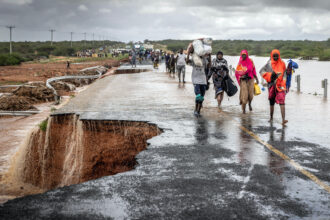
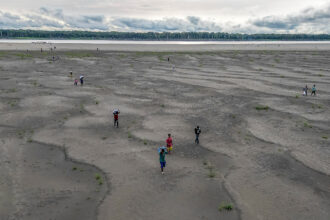
The report described “hydrological whiplash” as a key challenge broadly across the 33-country region, spanning Puerto Rico to Patagonia and home to 660 million people. Droughts lengthen and downpours are rare but so intense that they cause massive floods and trigger landslides without refilling reservoirs or replenishing depleted soils. In the spring of 2025, floods affected more than 100,000 people in Peru and Ecuador, while Mexico City’s 22 million people faced a potentially acute water shortage.
The intensifying extremes are “unmistakable signs” of continuing climate change, along with glacier loss that threatens water supplies, to ocean acidification, sea level rise and rapidly intensifying tropical storms, WMO Secretary-General Celeste Saulo said Monday during an online press conference.
Saulo singled out Hurricane Melissa, which pummeled Jamaica in late October 2025, as a landmark event, setting and tying records for sustained winds exceeding 190 mph and for strength at landfall. The storm killed 45 people and caused economic losses of about $8.8 billion, equal to about 41 percent of Jamaica’s GDP. But Saulo said that early warnings from the latest forecasts prevented what could have been a much higher number of deaths.
The report’s “deeply concerning” findings include a section on heat, she added, citing recurring heatwaves with highs above 104 degrees Fahrenheit that scorched large parts of North, Central and South America. With data compiled from 17 countries, the WMO estimated 13,000 annual heat-attributable deaths, but since many countries in the region don’t routinely publish heat mortality data, the tabulation is probably a “significant underestimate.”
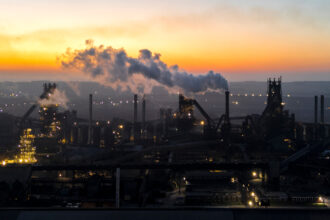
The report shows that, from 1991 to 2025, warming accelerated at the fastest rate since record-keeping began in about 1900, reaching about 0.5 degrees Fahrenheit (0.3C) per decade across Latin America, and even faster in Mexico. The rising heat is stressing power grids, drying soils and threatening cocoa, corn, coffee and bean crops, the report concludes.
Read the Report
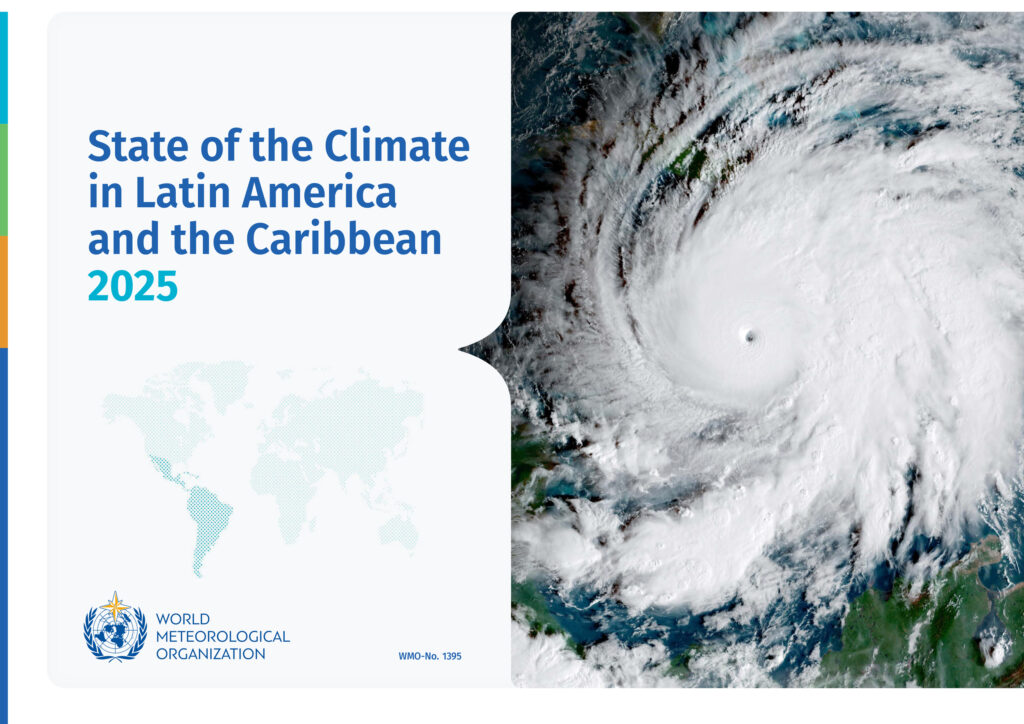
A new WMO report detailing 2025 climate conditions and extremes in Latin America and the Caribbean is available in multiple languages.
During the online presentation, climate and weather officials from several countries in the region said they are increasing their investments in science to help protect people’s farms and towns from mounting climate impacts. Their closing statements suggested that public climate science, backed by state investments, enables dense observation networks and adequate staffing, the backbone of life- and property-saving early warning systems.
Regina Célia dos Santos Alvalá, director of Brazil’s National Center for Monitoring and Alerts for Natural Disasters, said it’s more difficult to face climate threats in isolation and emphasized the need for collaboration among many South and Central American countries. Sharing climate data enables decision-makers to set policies relevant to specific regions and impacts, she said. The current monitoring network already encompasses thousands of sites based on the past history of risk.
But in a climate turbocharged by greenhouse gas pollution, the past is no measure of the future, so Brazil has expanded monitoring, doubling the number of municipalities it tracks from about 1,000 to 2,000 by the end of the year. And automated river gages to read flows will also be added, going from about 1,000 to 5,000 measuring sites within a few years.
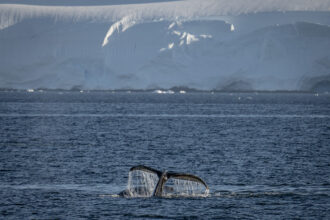
Some of the region’s climate changes are unfolding slowly but will have drastic consequences for about 90 million people living along the base of the Andes, ranging from Colombia thousands of miles south through Chile and Argentina, where major cities and huge farming and livestock regions could see supplies trickle to a stop as the glaciers disappear.
Climate information is not only about data. It is about people, with more data leading to better warnings, thus fewer deaths and property losses, Saulo said.
“It is about protecting communities from floods, droughts, hurricanes, heatwaves and other
hazards,” she said. “It is about farmers planning their crops, health authorities preparing for heat-related risks and coastal communities facing rising seas.”
About This Story
Perhaps you noticed: This story, like all the news we publish, is free to read. That’s because Inside Climate News is a 501c3 nonprofit organization. We do not charge a subscription fee, lock our news behind a paywall, or clutter our website with ads. We make our news on climate and the environment freely available to you and anyone who wants it.
That’s not all. We also share our news for free with scores of other media organizations around the country. Many of them can’t afford to do environmental journalism of their own. We’ve built bureaus from coast to coast to report local stories, collaborate with local newsrooms and co-publish articles so that this vital work is shared as widely as possible.
Two of us launched ICN in 2007. Six years later we earned a Pulitzer Prize for National Reporting, and now we run the oldest and largest dedicated climate newsroom in the nation. We tell the story in all its complexity. We hold polluters accountable. We expose environmental injustice. We debunk misinformation. We scrutinize solutions and inspire action.
Donations from readers like you fund every aspect of what we do. If you don’t already, will you support our ongoing work, our reporting on the biggest crisis facing our planet, and help us reach even more readers in more places?
Please take a moment to make a tax-deductible donation. Every one of them makes a difference.
Thank you,

Bob Berwyn
Reporter, Austria
Bob Berwyn is an Austria-based reporter who has covered climate science and international climate policy for more than a decade. Previously, he reported on the environment, endangered species and public lands for several Colorado newspapers, and also worked as editor and assistant editor at community newspapers in the Colorado Rockies.