

The more scientists look for chemicals that can increase breast cancer risk, the more they find.
Hundreds of potential breast carcinogens lurk in consumer goods, food, drinking water, pesticides, drugs and building materials, scientists reported in a peer-reviewed study published Wednesday in the journal Environmental Health Perspectives.
Exposure to these chemicals is ubiquitous, the authors warn, yet biomonitoring efforts are failing to measure people’s exposures to most chemicals or assess risks from compound exposures.
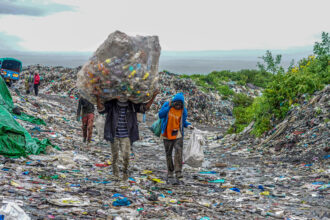
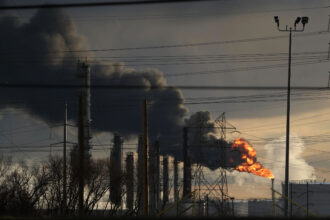
Chemicals found in and derived from fossil fuels accounted for some of the largest production volumes and environmental releases of potential breast carcinogens, said lead author Jennifer Kay, a research scientist at the Silent Spring Institute, which works to reduce toxic threats to women’s health. She called widespread use of petrochemicals, particularly to make plastic, “a huge problem.”
Bisphenols and phthalates, chemicals produced at high volumes for plastics, can damage DNA, trigger cell division and increase breast cancer risk or severity.
Most breast cancers occur in women 55 and older, as cells lose their ability to repair genetic damage and start dividing abnormally. Breast cancer rates have been rising in recent years for all women, with steeper increases among younger women. These trends cannot be explained by better screening or known risk factors like genetics, obesity or smoking, pointing to environmental factors as a cause.
Kay worked with her Silent Spring colleagues and University of California, Berkeley, researchers to build on her previous paper that linked more than 900 chemicals to increased breast cancer risk. Some of the chemicals cause mammary tumors in rodents, some interfere with hormones, many damage DNA and some do all three.
DNA damage that isn’t repaired before a cell divides can become a permanent mutation, a first step in tumor formation. Chemicals that trigger breast cell division—often by altering the hormones estrogen and progesterone—boost the chances of mutation.
If a premenopausal woman is exposed to gene-damaging chemicals during her normal hormonal cycle, then is exposed to hormone-altering chemicals, Kay said, “it’s just kind of hit upon hit” that sets the stage for cancer. Even after menopause, exposure to hormone-disrupting chemicals can activate cell division and increase breast cancer risk, especially if there is DNA damage, she said.
“Shocking” Number of Potential Breast Carcinogens
To understand how people might encounter chemicals with the potential to cause breast cancer, the team used more than a dozen U.S. government databases to gauge exposures.
They mapped their list of chemicals to production and import data to flag high-volume substances with potential for widespread exposure. They determined air emissions for each chemical from mobile sources like vehicles and stationary sources like factories, as well as releases into air, land and water near fenceline communities.
This story is funded by readers like you.
Our nonprofit newsroom provides award-winning climate coverage free of charge and advertising. We rely on donations from readers like you to keep going. Please donate now to support our work.
Donate NowThey also gathered information on known exposures from the National Health and Nutrition Examination Survey biomonitoring database. The NHANES measures only a small subset of chemicals in people, though, so the team filled in biomonitoring gaps with Environmental Protection Agency models that estimate daily exposure to chemicals. Finally, they compiled lists of chemicals used in everything from toothpaste to vinyl flooring.
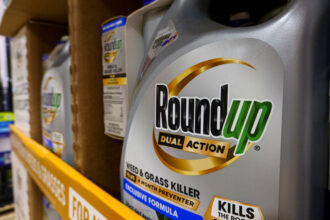
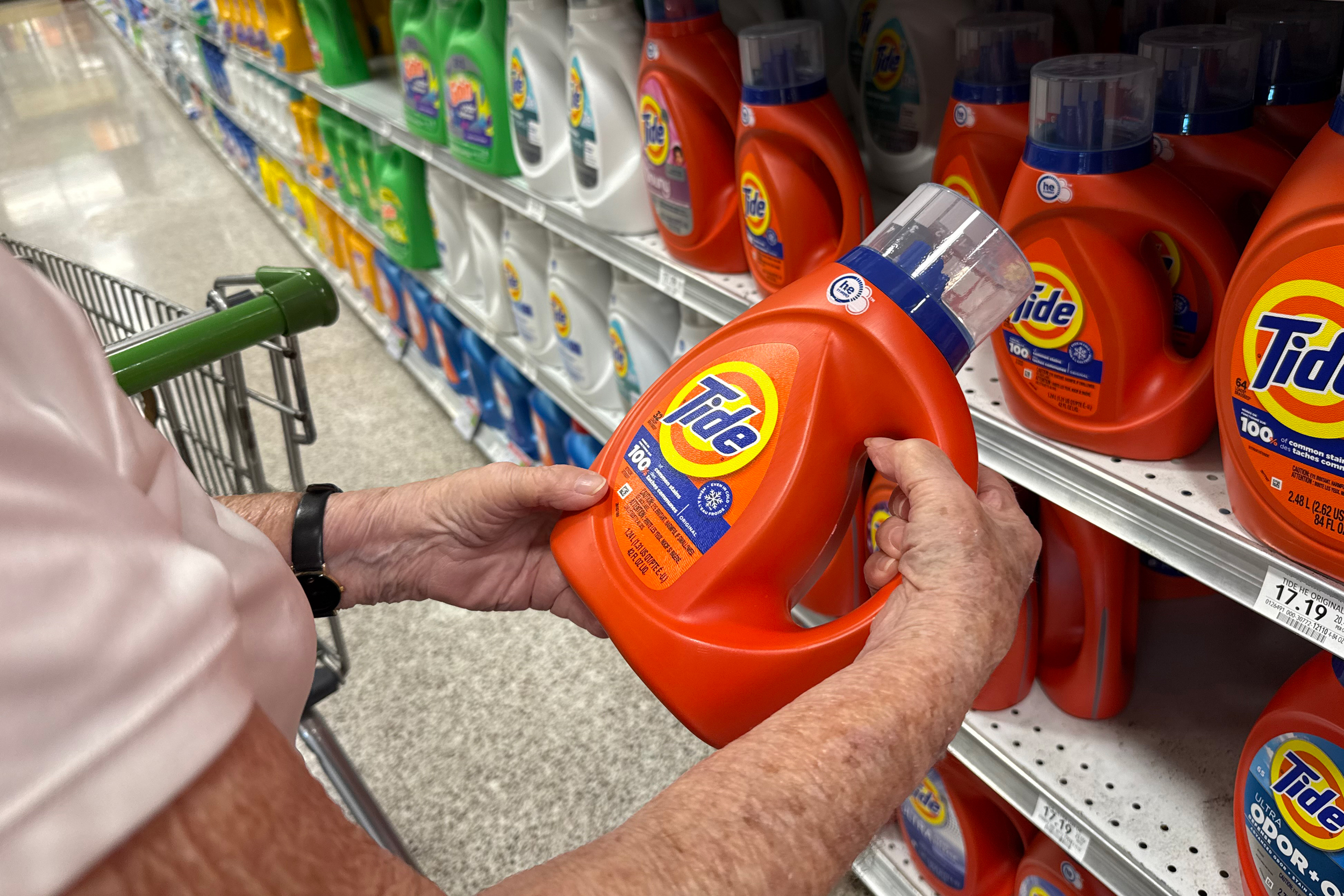
The team found 500 chemicals linked to breast cancer in consumer products like cosmetics, plastic goods and detergents, and nearly as many in pesticides and dietary sources. Many of the potential breast carcinogens found in human blood and urine samples were detected in more than 90 percent of the population, but NHANES doesn’t monitor most of the chemicals.
It’s critically important to highlight the sheer ubiquity of these breast-cancer-related chemicals in the U.S. population, said Rashmi Joglekar, science policy director of Stanford University’s Health and Toxics Policy Lab, who was not involved in the research.
In 2019, the year with the most recent data available, manufacturers produced more than 5 billion pounds of potential breast carcinogens, including bisphenol A, used to make polycarbonate plastics and resins, and 10 chemicals that cause mammary tumors in rodents, including styrene, benzene and vinyl chloride.
It’s “really, really shocking” that some of the chemicals produced and released into the environment in the highest volumes are established mammary carcinogens or genotoxic chemicals, Joglekar said. Seeing millions of pounds of known carcinogens released into the environment in a single year highlights the failure of U.S. regulatory agencies to protect people, she said.
The study identifies chemicals the authors believe warrant additional research and potential regulatory attention, a spokesperson for the American Chemistry Council, which represents nearly 200 companies in the chemistry business, said in a statement. “The authors themselves note that many of the exposure estimates used in the analysis are based on predictive models that rely on limited data and assumptions and are subject to significant uncertainty.”
That uncertainty includes a universe of chemicals that aren’t being tracked. The authors flagged more than 340 potential breast carcinogens that aren’t included in EPA’s Toxics Release Inventory, even though a quarter of them were produced or imported in excess of 1 million pounds in 2019. And the study likely underestimates exposures, the authors noted, because their calculations are based on EPA models of average daily intake, rather than on estimates of the most exposed groups.
Some people could be exposed to certain chemicals at levels 10 to 100 times higher than what EPA predicted for most of the population, Kay said. “Of course you’re always going to be more accurate for chemicals you actually measure.”
That’s why Kay wants to see more chemicals monitored by the NHANES, especially the most commonly used and high-production chemicals.
The team looked at exposure from as many angles as possible to account for differences in risks people face, like living near a refinery, chemical plant or high-traffic corridor or having drinking water so contaminated with pesticides, PFAS or nitrates it’s undrinkable.
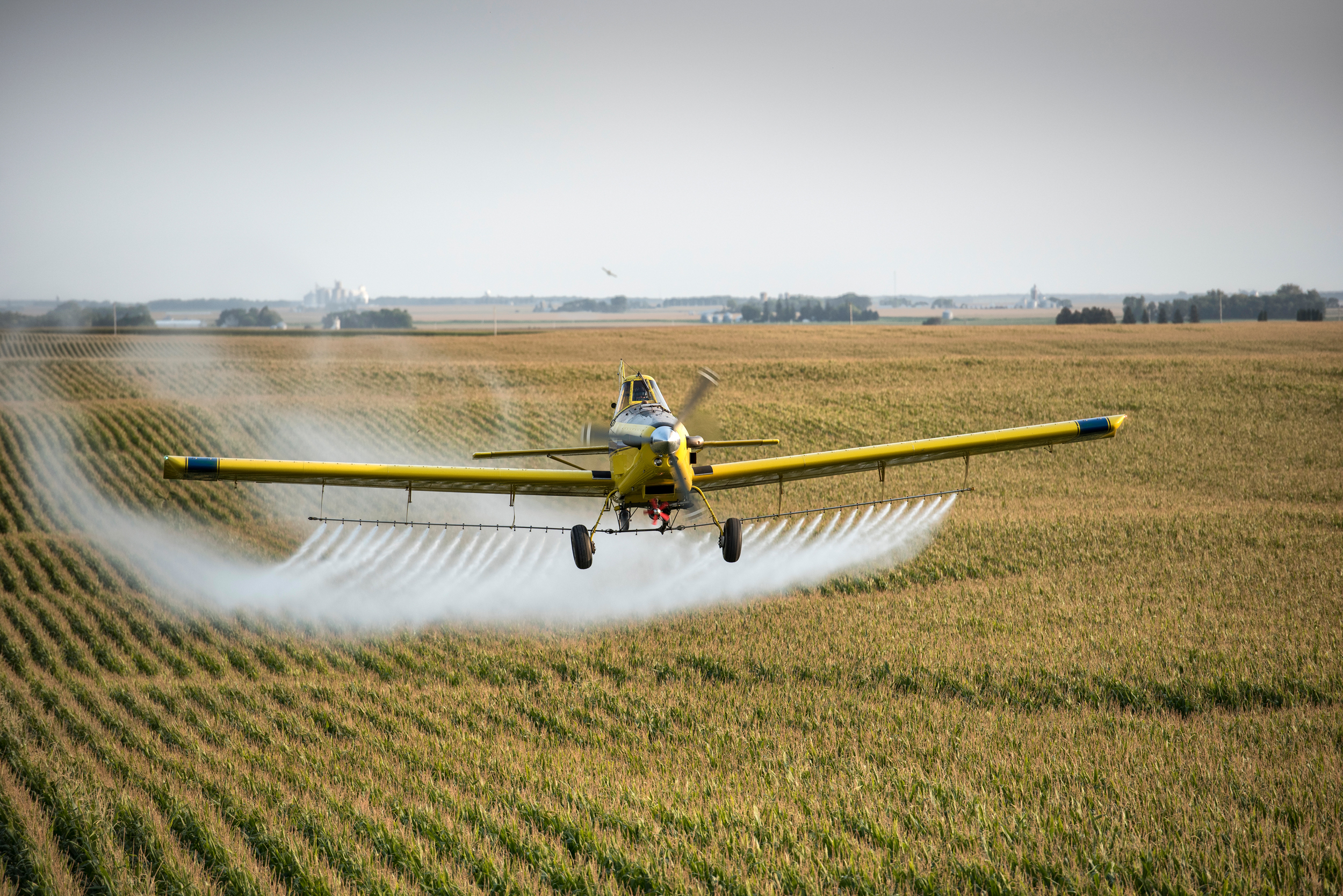
Nearly 65 years ago, Rachel Carson warned in “Silent Spring,” the groundbreaking book Kay’s institute is named after, that surface waters contaminated with pesticides and other synthetic chemicals were introducing cancer-producing substances into public water supplies.
Kay was surprised to see 123 unregulated chemicals in drinking water with the potential to cause breast cancer so many decades after Carson sounded the alarm.
She was also surprised to see more than 260 of the chemicals in food and beverages, including pesticide residues and dyes, despite lacking approval by the Food and Drug Administration.
When the team compared their list to California’s Proposition 65 list, which requires businesses to post warnings about chemicals known to cause cancer or reproductive harm, they found more than 260 in common. But 122 that cause mammary tumors in rodents weren’t on the California list.
The paper is a “wake-up call” that chemicals linked to breast cancer are widespread and spotlights priorities for action and further research into their health effects, said Kimberly Gettmann, deputy director of scientific programs for California’s Office of Environmental Health Hazard Assessment, which oversees Prop 65. “We’ll review the paper for the priority chemicals they identify that are not on the Proposition 65 list.”
One of the chemicals on both lists, 1,3-dichloropropene, is among California’s most popular pesticides. Growers applied an average of 9.8 million pounds a year between 2020 and 2023.
People are most likely exposed to multiple chemicals simultaneously, which could compound their harmful effects, the paper warned. Kay hopes the study will encourage researchers to pay more attention to chemical interactions and cumulative effects.
Even as Carson documented the widespread use of “chemical agents of cancer,” she believed the path to prevention was not hopeless. “Man has put the vast majority of carcinogens into the environment, and he can, if he wishes, eliminate many of them,” she wrote nearly two years before dying of breast cancer.
Kay and her colleagues have created a roadmap for manufacturers and policymakers to prioritize the most hazardous chemical agents for elimination. If they don’t, breast cancer cases will likely continue to rise as people encounter hundreds of these chemicals over and over, day after day.
About This Story
Perhaps you noticed: This story, like all the news we publish, is free to read. That’s because Inside Climate News is a 501c3 nonprofit organization. We do not charge a subscription fee, lock our news behind a paywall, or clutter our website with ads. We make our news on climate and the environment freely available to you and anyone who wants it.
That’s not all. We also share our news for free with scores of other media organizations around the country. Many of them can’t afford to do environmental journalism of their own. We’ve built bureaus from coast to coast to report local stories, collaborate with local newsrooms and co-publish articles so that this vital work is shared as widely as possible.
Two of us launched ICN in 2007. Six years later we earned a Pulitzer Prize for National Reporting, and now we run the oldest and largest dedicated climate newsroom in the nation. We tell the story in all its complexity. We hold polluters accountable. We expose environmental injustice. We debunk misinformation. We scrutinize solutions and inspire action.
Donations from readers like you fund every aspect of what we do. If you don’t already, will you support our ongoing work, our reporting on the biggest crisis facing our planet, and help us reach even more readers in more places?
Please take a moment to make a tax-deductible donation. Every one of them makes a difference.
Thank you,

Liza Gross
Reporter, California
Liza Gross is a reporter for Inside Climate News based in Northern California. She is the author of The Science Writers’ Investigative Reporting Handbook and a contributor to The Science Writers’ Handbook, both funded by National Association of Science Writers’ Peggy Girshman Idea Grants. She has long covered science, conservation, agriculture, public and environmental health and justice with a focus on the misuse of science for private gain. Prior to joining ICN, she worked as a part-time magazine editor for the open-access journal PLOS Biology, a reporter for the Food & Environment Reporting Network and produced freelance stories for numerous national outlets, including The New York Times, The Washington Post, Discover and Mother Jones. Her work has won awards from the Association of Health Care Journalists, American Society of Journalists and Authors, Society of Professional Journalists NorCal and Association of Food Journalists.