

This story is co-published with Arizona Luminaria, a nonprofit newsroom dedicated to community-centered reporting.
When the Bureau of Land Management approved mineral exploration for a proposed copper mine in southern Arizona last June, it concluded that the project would have no impacts on the threatened Mexican spotted owl because of a “lack of suitable habitat” for the bird in the area. Even after being presented with photographs of the birds living in the area, the federal agency maintained that the owl is not found there.
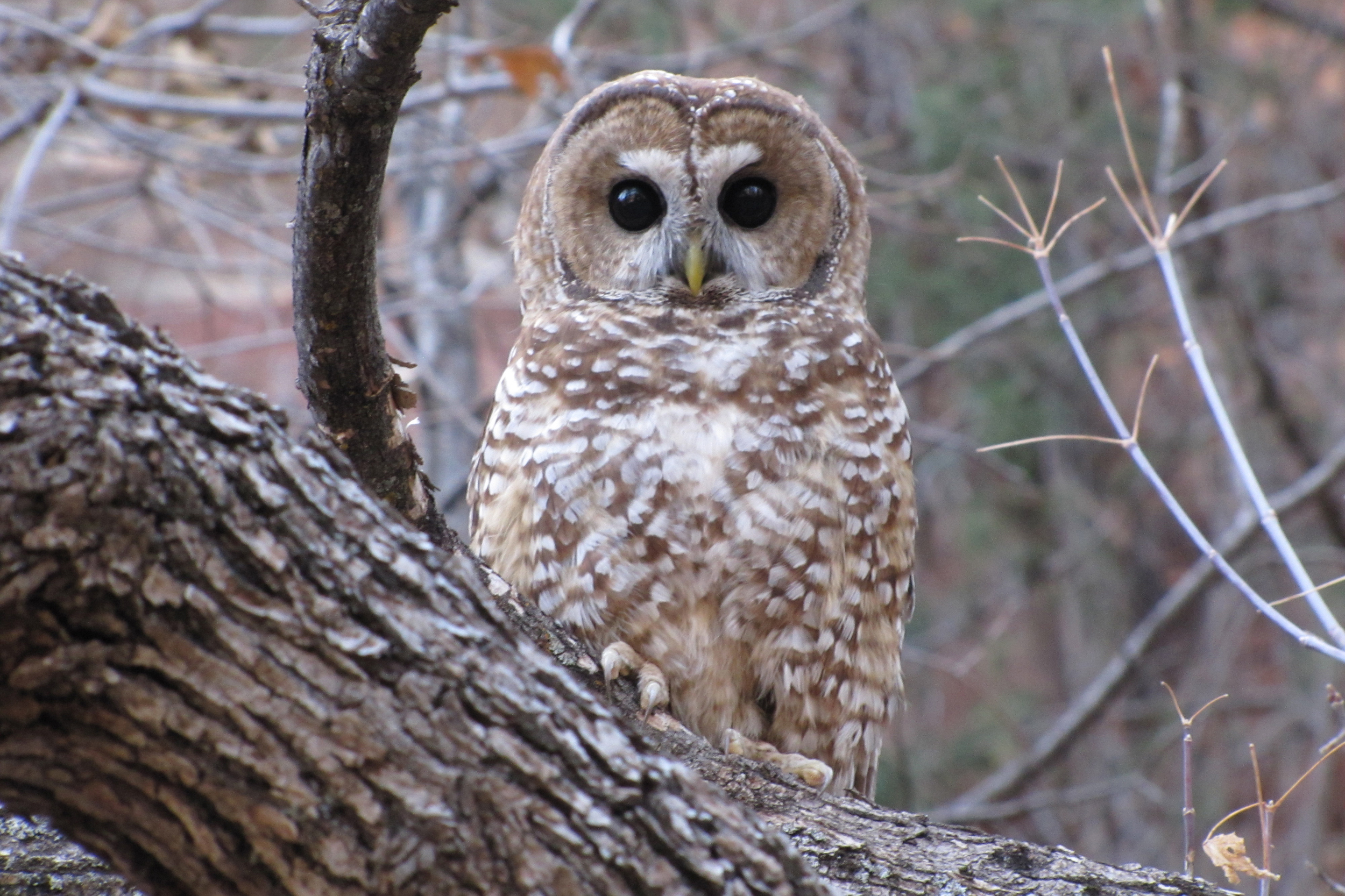
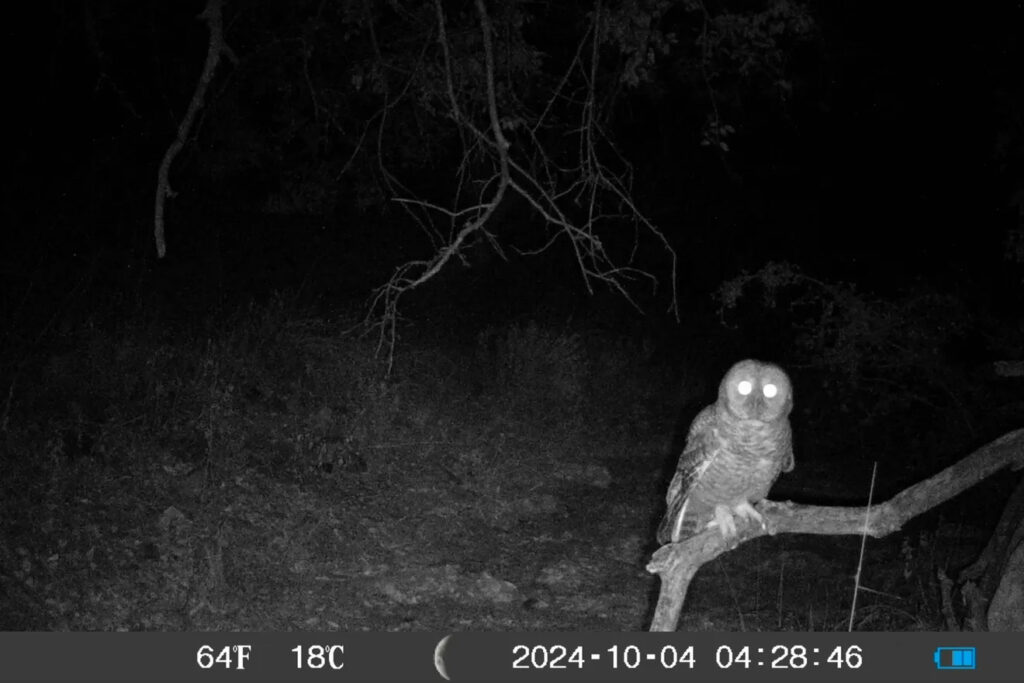
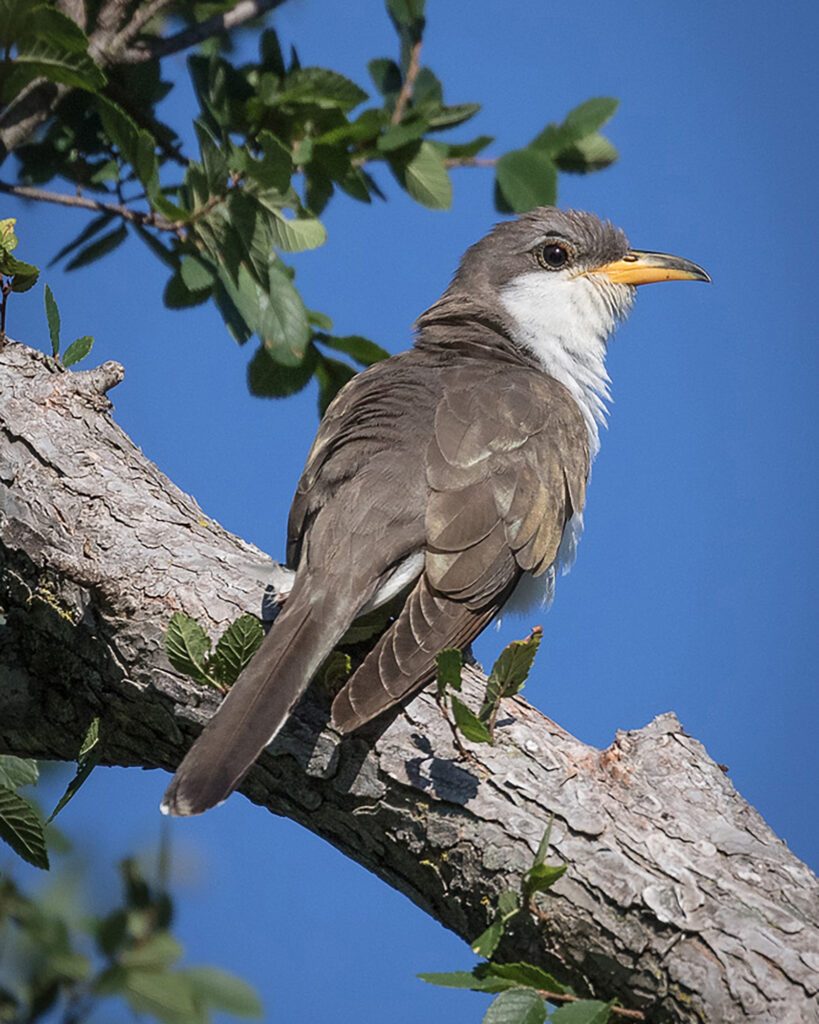
Tuesday, the Center for Biological Diversity, Lower San Pedro Watershed Alliance and the San Carlos Apache Tribe filed a notice of their intent to sue the Bureau of Land Management and the U.S. Fish and Wildlife Service for violating the Endangered Species Act, alleging that the approved project threatens the Mexican spotted owl, which trail cameras set up by the Lower San Pedro Watershed Alliance found less than half a mile away from drill sites, along with other rare wildlife, like the yellow-billed cuckoo. Both bird species are listed as threatened under the Endangered Species Act (ESA).
“Federal officials were warned that Mexican spotted owls are in the area but pushed this mining project ahead anyway and skipped steps required by law,” said Russ McSpadden, a Southwest conservation advocate at the Center for Biological Diversity. “The Endangered Species Act is supposed to protect imperiled wildlife before damage is done, not after agencies brush aside the evidence and greenlight industrial drilling. This mining project is clearly illegal and it must be stopped.”
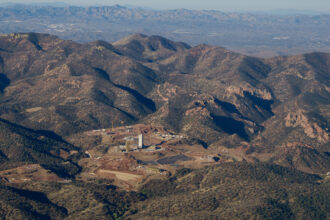
Last June, the BLM approved Faraday Copper to drill at 67 sites across 18 acres of land for its Copper Creek project, with drilling permitted around the clock daily for the next two to three years. Each drill rig consumes 70,000 gallons of groundwater a month; two rigs can run at any time across any of the sites. Currently, the project is in its exploration phase, when the area’s mineral resources are analyzed, after which a final decision is made about whether to proceed with a potential open-pit mine.
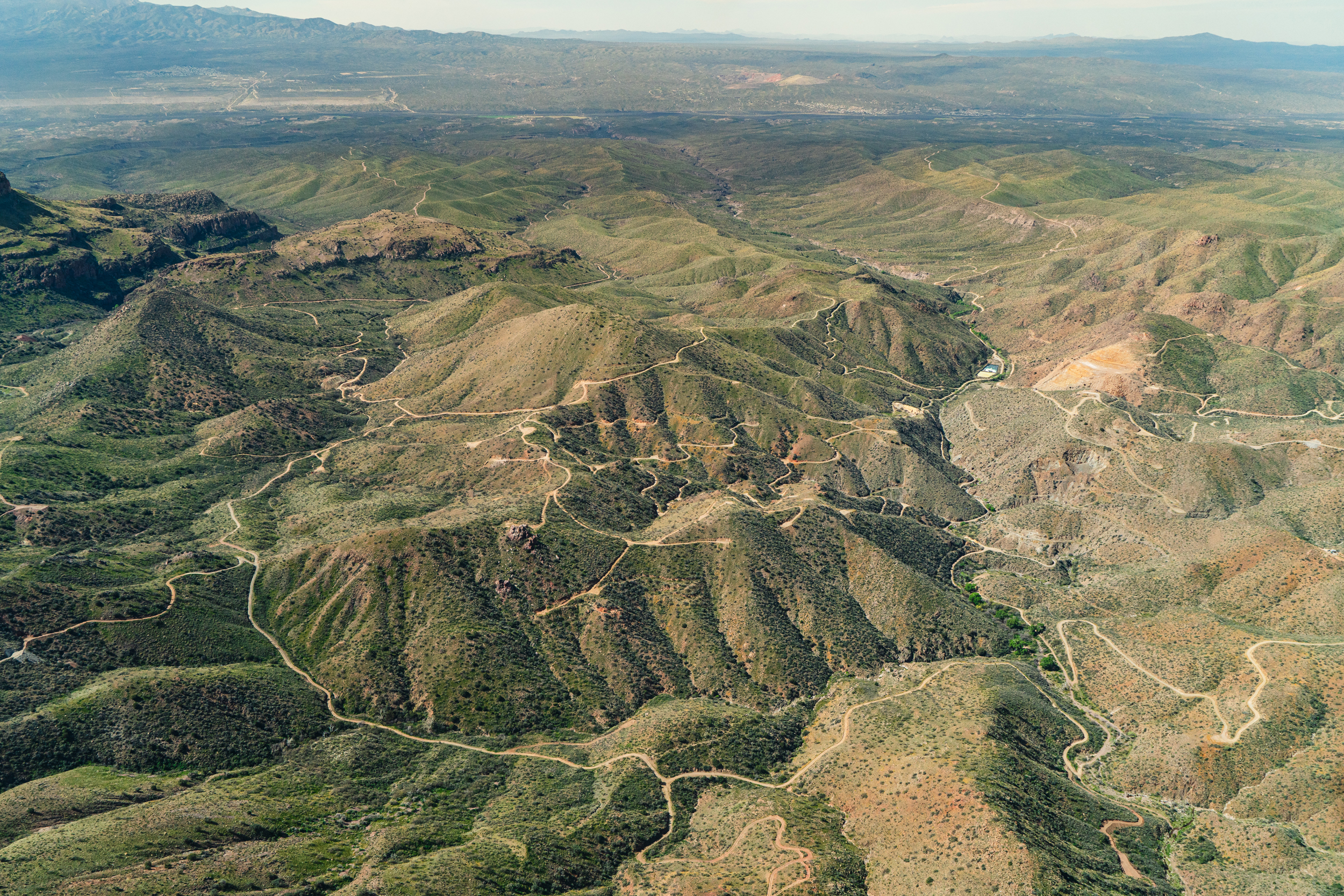
The Copper Creek project is located just a few miles east of the small town of Mammoth, Arizona, and has generated pushback from the former mining community since its inception. Threats to the region’s scarce water and biodiversity have been at the forefront of those residents’ concerns.
Since its approval, the project has gathered momentum, being added by the Trump administration to its FAST-41 transparency list, and the company has plans to purchase the shuttered San Manuel Mine nearby from BHP, one of the world’s largest mining companies, with BHP taking a 30 percent interest in Faraday if the deal is approved.
The U.S. Fish and Wildlife Service declined to comment, citing the pending litigation, and the BLM did not respond to a request for comment. Faraday officials said they could not comment in time for publication while they review the lawsuit.
Nestled in the heart of the Galiuro Mountains, the project overlooks the San Pedro Valley, one of Arizona’s last intact natural landscapes. Copper Creek feeds into the San Pedro River, the Southwest’s last major undammed river, which carves northward through 143 miles of northern Mexico and southern Arizona. Mountains like Galiuros and Rincons form what are known locally as “sky islands”—a series of mountains across the region that are famed for the biodiversity nurtured by their elevation. The peaks provide isolated refuges from the hot desert floor, both inspiring their island moniker and serving as a bridge for wildlife connecting the Rocky Mountains and the Sierra Madre range in Mexico.
One of the largest owls in North America, the nocturnal Mexican spotted owl, sports an ashy-chestnut brown color with brown and white spots, and has been listed as threatened since 1993. Throughout Copper Creek’s permitting process, local environmental groups raised concerns about the project’s potential impacts on the species, specifically from noise and light pollution.
The ESA prohibits a federal agency from disregarding scientific evidence, the lawsuit argues, and the BLM, in this case, allegedly failed to properly respond to the group’s data and to consult with the Fish and Wildlife Service (USFWS) on potential impacts on the owl.
This story is funded by readers like you.
Our nonprofit newsroom provides award-winning climate coverage free of charge and advertising. We rely on donations from readers like you to keep going. Please donate now to support our work.
Donate NowAccording to communications between the Arizona Game and Fish Department and the BLM obtained by the Center for Biological Diversity and shared with Inside Climate News, the project’s timeline was pushed forward from September 2025 to June 2025. Staff from the state game and fish department wrote “it just wouldn’t be realistic given the expedited timeline” to provide comment, which was announced just days before comments were due.
A BLM staff member responded apologizing for the position in which the agency had put the state department, and said that “due to the timeline and pressure with this project” it was unrealistic to “work out additional requirements” for conservation during drilling with the company.
The BLM did consult USFWS on potential impacts to the yellow-billed cuckoo. The agencies determined the species could be found in the area and the project poses a risk to the habitat of the small, grey-and-white bird with yellow highlights, but posed no long-term threats.
The lawsuit, however, argues the agencies failed to assess the long-term consequences of the project’s groundwater withdrawals. The region is already stricken by drought, and farming, mining and residential development have depleted the groundwater basin’s water resources. Despite that, in the final environmental assessment, the BLM stated “impacts to surface water and groundwater levels resulting from groundwater pumping are unknown,” but conceded that species dependent on the riparian ecosystem could be affected.
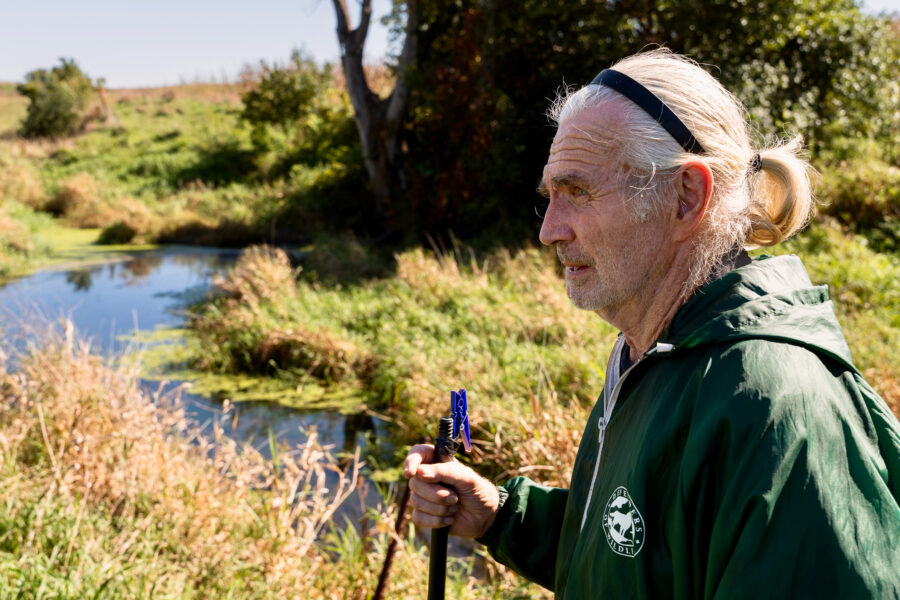
“When we save and protect endangered species, we save and protect our water, because the two go hand in hand,” said Melissa Crytzer Fry, chair of the Lower San Pedro Watershed Alliance.
Also unstudied, the lawsuit says, is the effect of noise pollution on the cuckoo. The agencies assessed noise from the drill pads, but not from increased road traffic in the area.
Further, the lawsuit argues that the BLM failed to develop any mitigation or conservation programs for either the Mexican spotted owl or the yellow-billed cuckoo, and photos taken by the groups show that Faraday Copper’s mitigation requirements for its lighting equipment are not being followed. Extensive low-altitude helicopter flights, which were not assessed during permitting and can impact wildlife, have been documented since the project began. The groups are unsure who is behind the flights, but their impacts should be evaluated as they affect the project area, the lawsuit alleges.
“When agencies ignore clear evidence and fail to follow the law, local communities are left to defend the river, the habitat and the species that make this place irreplaceable,” Crytzer Fry said. “We shared trail camera images with the BLM showing Mexican spotted owls in the area and were utterly ignored.”
Correction: A previous version of this story misstated when drilling rigs run and how they use water at the Copper Creek project; where the project is in relation to Mammoth, Arizona; and how the concerns with helicopter flights are presented in the lawsuit.
About This Story
Perhaps you noticed: This story, like all the news we publish, is free to read. That’s because Inside Climate News is a 501c3 nonprofit organization. We do not charge a subscription fee, lock our news behind a paywall, or clutter our website with ads. We make our news on climate and the environment freely available to you and anyone who wants it.
That’s not all. We also share our news for free with scores of other media organizations around the country. Many of them can’t afford to do environmental journalism of their own. We’ve built bureaus from coast to coast to report local stories, collaborate with local newsrooms and co-publish articles so that this vital work is shared as widely as possible.
Two of us launched ICN in 2007. Six years later we earned a Pulitzer Prize for National Reporting, and now we run the oldest and largest dedicated climate newsroom in the nation. We tell the story in all its complexity. We hold polluters accountable. We expose environmental injustice. We debunk misinformation. We scrutinize solutions and inspire action.
Donations from readers like you fund every aspect of what we do. If you don’t already, will you support our ongoing work, our reporting on the biggest crisis facing our planet, and help us reach even more readers in more places?
Please take a moment to make a tax-deductible donation. Every one of them makes a difference.
Thank you,

Wyatt Myskow
Reporter, Phoenix
Wyatt Myskow covers drought, biodiversity and the renewable energy transition throughout the Western U.S. Based in Phoenix, he previously reported for The Arizona Republic and The Chronicle of Higher Education. Wyatt has lived in the Southwest since birth and graduated from Arizona State University with his bachelor’s degree in journalism.