Skip to content
  • Science
  • Politics
  • Justice & Health
  • Fossil Fuels
  • Clean Energy
  • ICN Local
  • Projects
  • Impact
  • About Us
Inside Climate News
Pulitzer Prize-winning, nonpartisan reporting on the biggest crisis facing our planet.
Donate
Trump 2.0: The Reckoning
Inside Climate News
Donate

Search

  • Science
  • Politics
  • Justice & Health
  • Fossil Fuels
  • Clean Energy
  • ICN Local
  • Projects
  • Impact
  • About Us
  • Newsletters
  • ICN Sunday Morning
  • Contact Us

Topics

  • A.I. & Data Centers
  • Activism
  • Arctic
  • Biodiversity & Conservation
  • Business & Finance
  • Climate Law & Liability
  • Climate Treaties
  • Denial & Misinformation
  • Environment & Health
  • Extreme Weather
  • Food & Agriculture
  • Fracking
  • Nuclear
  • Pipelines
  • Plastics
  • Public Lands
  • Regulation
  • Super-Pollutants
  • Water/Drought
  • Wildfires

Information

  • About
  • Job Openings
  • Reporting Network
  • Whistleblowers
  • Memberships
  • Ways to Give
  • Fellows & Fellowships

Publications

  • E-Books
  • Documents

arsenic

As a Colorado Aquifer Runs Low, Dangerous Heavy Metals Threaten Rural Communities’ Drinking Water

In the San Luis Valley, the ongoing megadrought and a record-low snowpack are draining groundwater and increasing its concentrations of toxic metals. There are few protections for residents drinking from private wells.

By Emily Payne
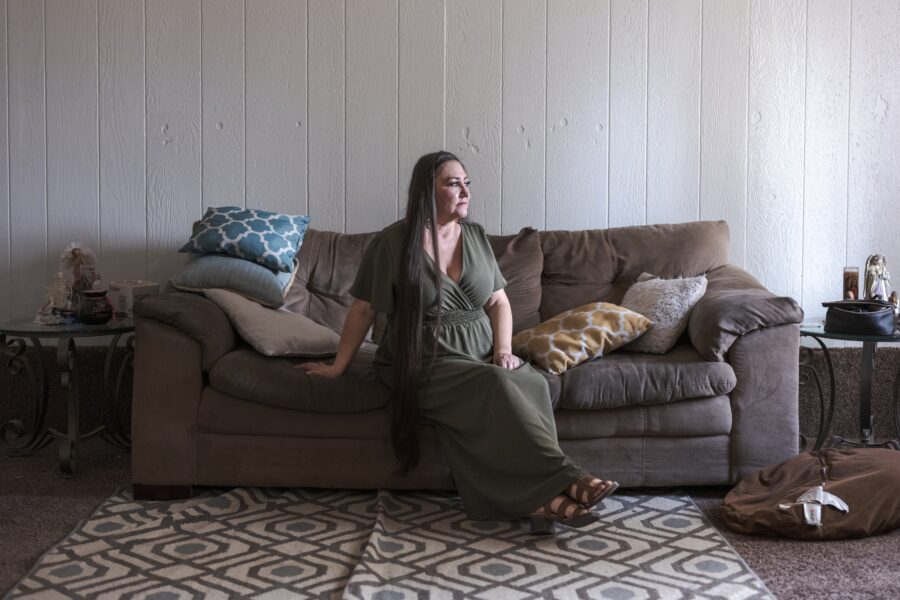
Anna Vargas, of Manassa, Colorado, is a sixth-generation resident of the San Luis Valley who is deeply embedded in local water management initiatives. She hasn’t drunk her own tap water in years out of fear of contamination. Credit: Jacob Spetzler/Inside Climate News
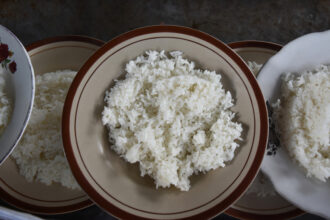
A package of white rice serves as a seafood sambal dish at a food stall in Malang, East Java, Indonesia, on January 16, 2025. Credit: Aman Rochman/NurPhoto/Getty Images

Half the World’s People Depend on Rice. New Research Says Climate Change Will Make it Toxic

By Georgina Gustin

The Oglala Sioux Tribe could use old wells with elevated levels of arsenic to combat future wildfires. Credit: Roberto Schmidt/AFP via Getty Images and Grist

Water From Arsenic-Laced Wells Could Protect the Pine Ridge Reservation From Wildfires

By Taylar Dawn Stagner, Grist

Angie Mestas, a schoolteacher, used a lifetime of savings to drill a drinking well on her land in Los Sauces, Colorado. But she won't drink from it until she tests for arsenic and E. coli, which are common in the area. Credit: Melissa Bailey for KFF Health News

As Water Levels Drop, the Risk of Arsenic Rises

By Melissa Bailey, KFF Health News

A photo illustration of tap water in a clear glass drinking glass. Credit: Ben Hasty/MediaNews Group/Reading Eagle via Getty Images

Study: Higher Concentrations Of Arsenic, Uranium In Drinking Water In Black, Latino, Indigenous Communities

By Victoria St. Martin, Aydali Campa

Newsletters

We deliver climate news to your inbox like nobody else. Every day or once a week, our original stories and digest of the web's top headlines deliver the full story, for free.

Keep Environmental Journalism Alive

ICN provides award-winning climate coverage free of charge and advertising. We rely on donations from readers like you to keep going.

Donate Now
Inside Climate News
  • Science
  • Politics
  • Justice & Health
  • Fossil Fuels
  • Clean Energy
  • Home
  • About
  • Contact Us
  • Whistleblowers
  • Privacy Policy
  • Charity Navigator
Inside Climate News uses cookies. By continuing to use this site, you accept this policy. Learn More