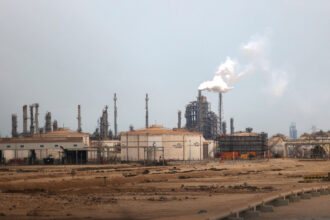


Oil prices shot up on Monday as disruptions related to the war in Iran sent shockwaves through financial markets, underscoring the risks for countries that have been slow to diversify beyond fossil fuels.
Brent crude oil, the benchmark for a majority of the world, surged to nearly $120 per barrel, the highest it had been since 2022, when Russia invaded Ukraine. Prices for West Texas Intermediate crude oil, the U.S. benchmark, rose to about $100, also the highest since 2022.
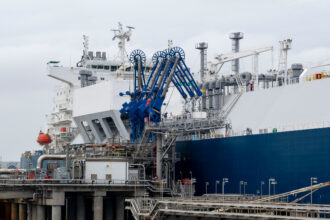
As Iran has faced attacks from the United States and Israel, it has responded in part by threatening oil tankers traveling through the Strait of Hormuz. Some producers have reduced or paused their output in response to this risk, according to the International Energy Agency.
“This shock is being driven by geopolitics and physical supply risk, so prices are moving quickly through global markets,” said Jan Rosenow, professor of energy and climate policy at the University of Oxford, in an email. “That makes it feel sudden and hard to control.”
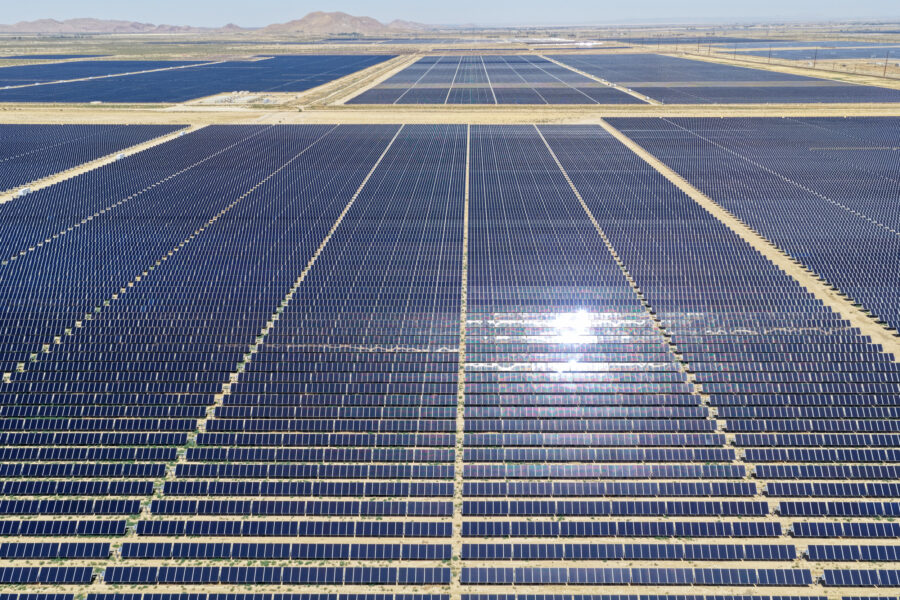
Countries with more renewables in their power mix are less exposed to the price spikes, which reduces the inflation they will see compared with past oil crises, he said.
Gernot Wagner, an economist at Columbia Business School, said the price spike provides a familiar warning for policymakers.
“The biggest lesson: Oil—much like coal and gas—is a commodity. Its price will always fluctuate based on geopolitical whims,” he said in an email. “Solar, batteries, heat pumps, induction stoves are technologies. They can only get better and cheaper over time.”
President Donald Trump acknowledged high oil prices on Sunday, posting the following on Truth Social:
“Short term oil prices, which will drop rapidly when the destruction of the Iran nuclear threat is over, is a very small price to pay for U.S.A., and World, Safety and Peace. ONLY FOOLS WOULD THINK DIFFERENTLY! President DJT.”
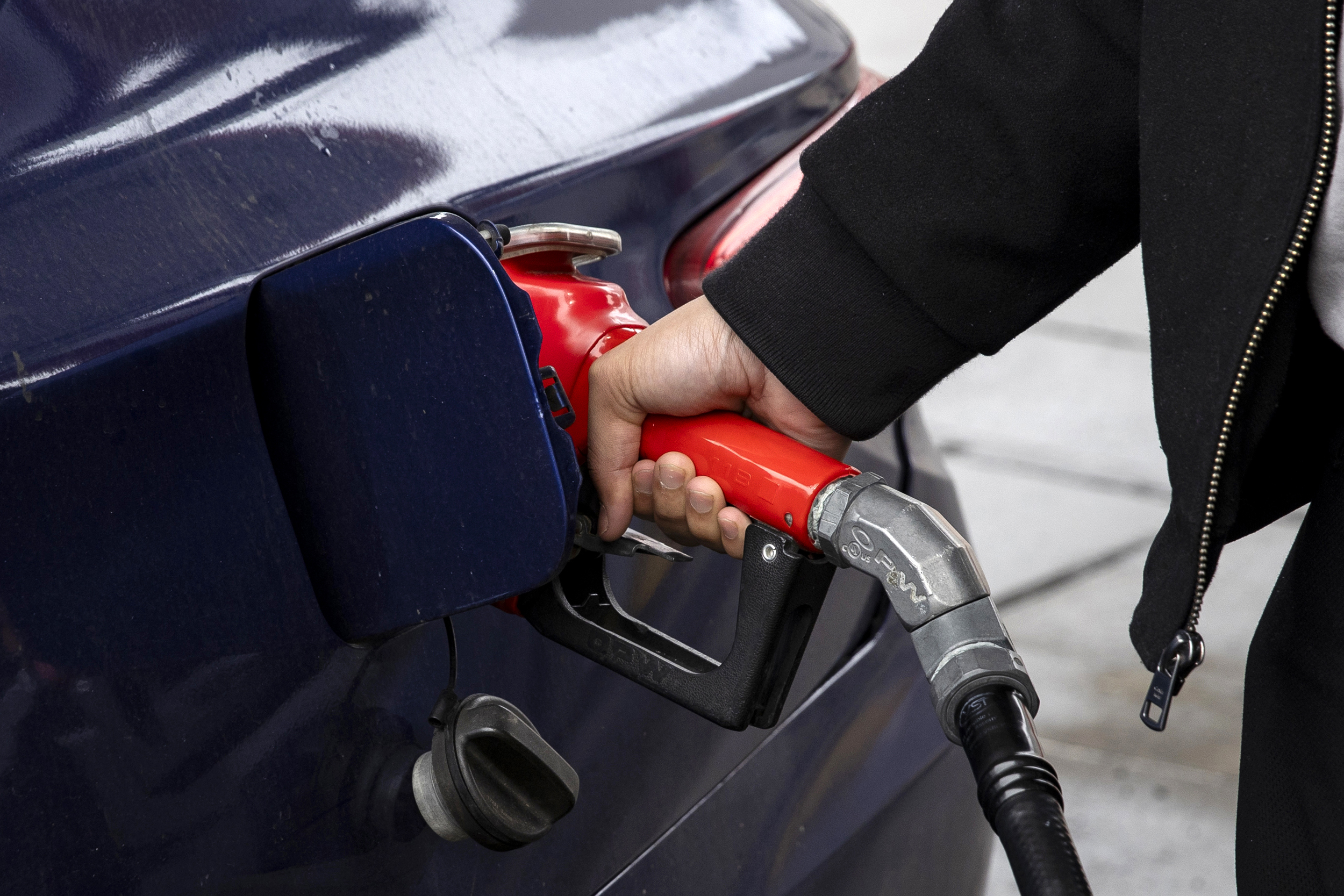
The U.S. average price for regular gasoline is $3.48 today, according to AAA, an increase from $3 a week ago.
U.S. Energy Secretary Chris Wright said Sunday during a CNN interview that tanker traffic will soon resume on the Strait of Hormuz. Asked about rising gasoline prices, he said the increase many consumers saw over the weekend is likely to be short-lived.
“We want it back below $3 per gallon and it will be again before too long,” he said.
Wright said this will take “weeks” and is not a “months thing.”
Some observers have drawn parallels between the current price shock and the one that followed the 1979 Iranian revolution.
But Rosenow noted some big differences.
“The key difference from the 1970s is that we now have credible alternatives,” he said.
He added, “Each price shock reinforces the same lesson: Energy security and climate strategy are aligned. Cutting dependence on imported fossil fuels is not only about emissions, it is about reducing structural economic risk.”
About This Story
Perhaps you noticed: This story, like all the news we publish, is free to read. That’s because Inside Climate News is a 501c3 nonprofit organization. We do not charge a subscription fee, lock our news behind a paywall, or clutter our website with ads. We make our news on climate and the environment freely available to you and anyone who wants it.
That’s not all. We also share our news for free with scores of other media organizations around the country. Many of them can’t afford to do environmental journalism of their own. We’ve built bureaus from coast to coast to report local stories, collaborate with local newsrooms and co-publish articles so that this vital work is shared as widely as possible.
Two of us launched ICN in 2007. Six years later we earned a Pulitzer Prize for National Reporting, and now we run the oldest and largest dedicated climate newsroom in the nation. We tell the story in all its complexity. We hold polluters accountable. We expose environmental injustice. We debunk misinformation. We scrutinize solutions and inspire action.
Donations from readers like you fund every aspect of what we do. If you don’t already, will you support our ongoing work, our reporting on the biggest crisis facing our planet, and help us reach even more readers in more places?
Please take a moment to make a tax-deductible donation. Every one of them makes a difference.
Thank you,

Dan Gearino
Reporter, Clean Energy
Dan Gearino covers the business and policy of renewable energy and utilities, often with an emphasis on the midwestern United States. He is the main author of ICN’s Inside Clean Energy newsletter. He came to ICN in 2018 after a nine-year tenure at The Columbus Dispatch, where he covered the business of energy. Before that, he covered politics and business in Iowa and in New Hampshire. He grew up in Warren County, Iowa, just south of Des Moines, and lives in Columbus, Ohio.